EDUCATIONAL RESOURCES AND EVENTS
Educational Resources and Events Catalog
Filter Results
-
Teachable Moments: The Science of Solar Eclipses and How to Watch with NASA
Article | Resource GuideGet ready for the April 2024 total solar eclipse, by learning about the science behind solar eclipses, how to watch safely, and how to engage students in NASA science. Teachable Moment: The Science of...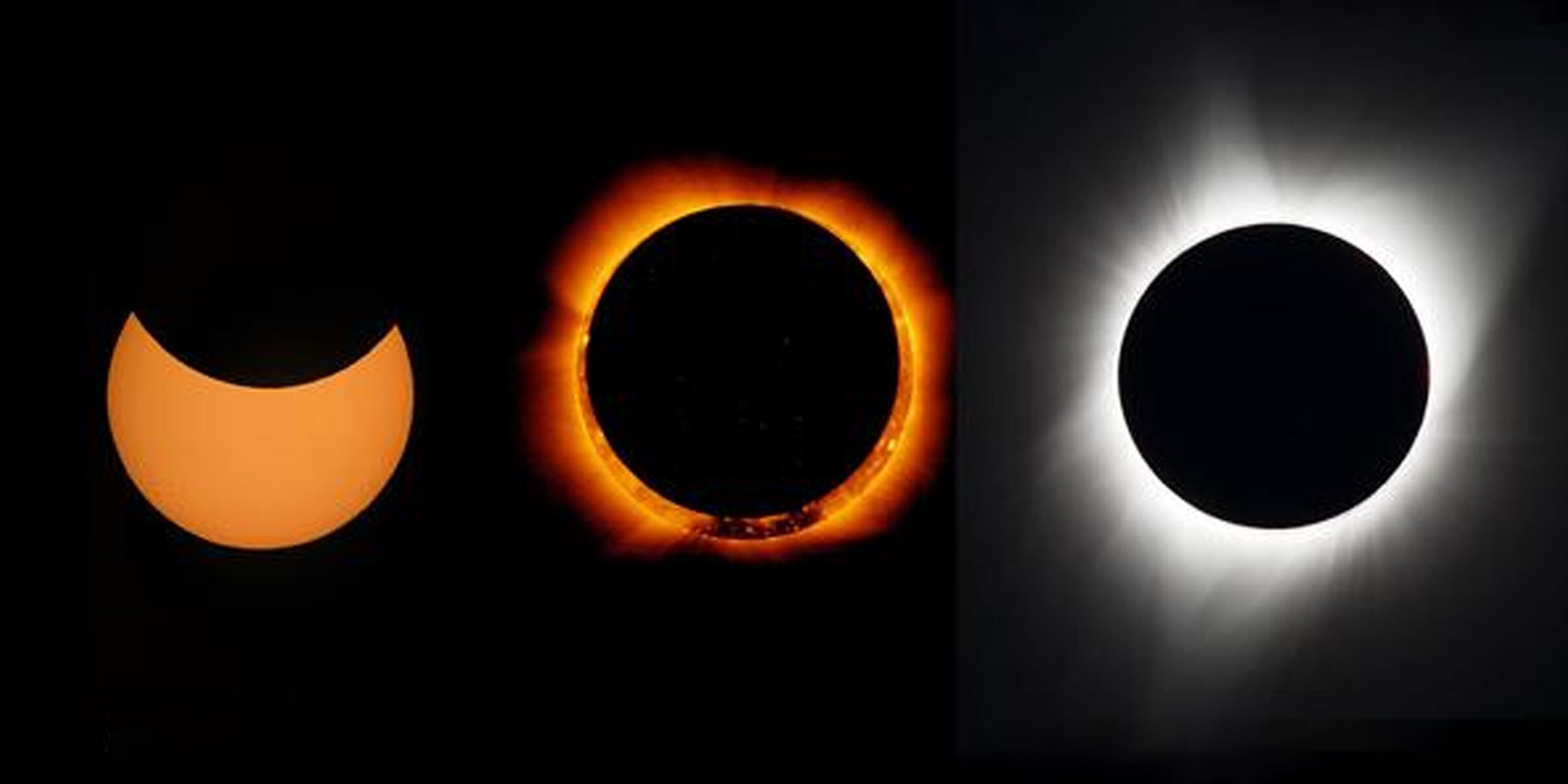
-
Teachable Moments: Exploring the Mystery of Our Expanding Universe
Article | Resource GuideScientists may soon uncover new insights about some of the most mysterious phenomena in our universe with the help of the newly launched Euclid mission. Built and managed by the European Space Agency,...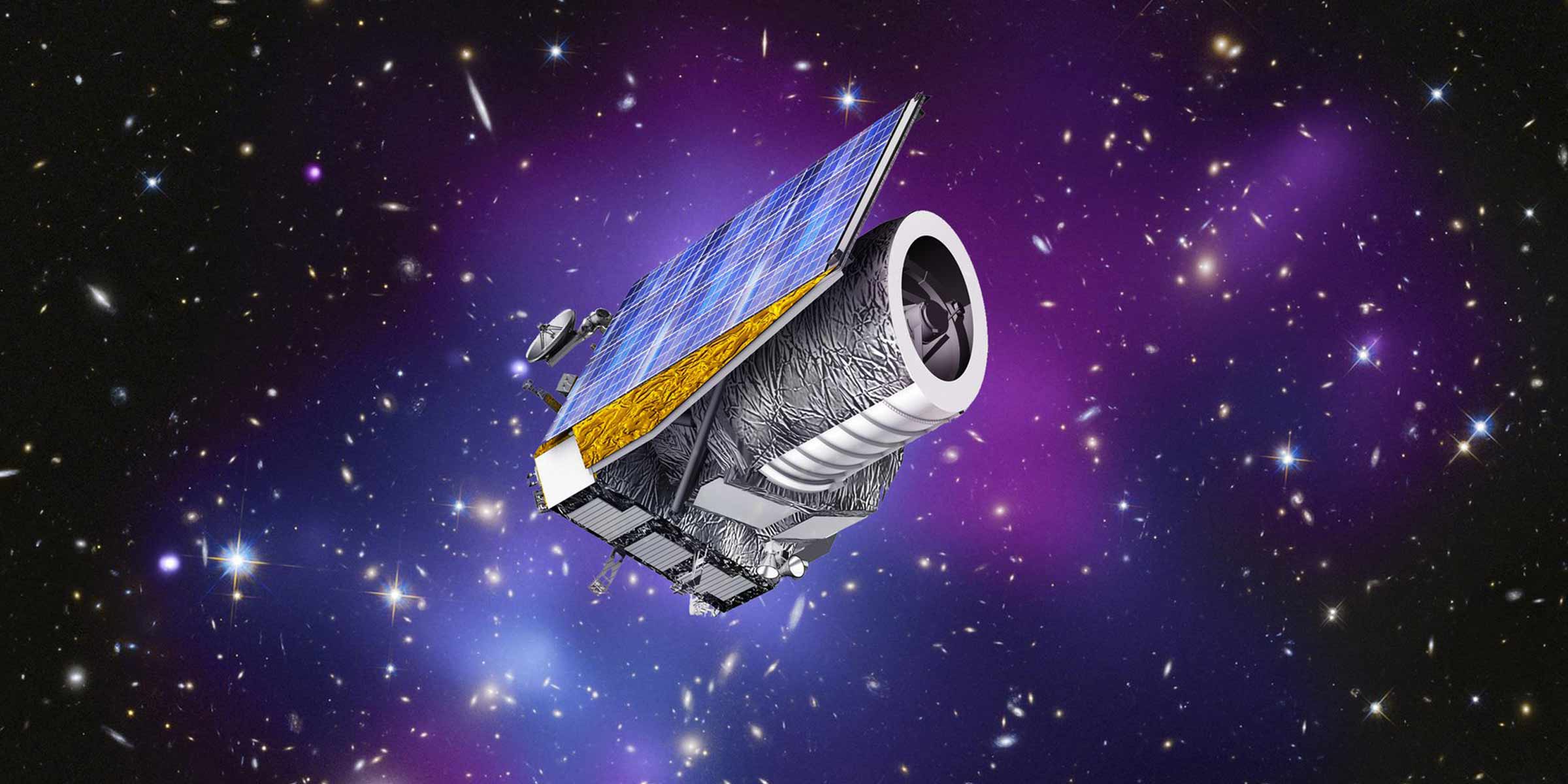
-
2023 NASA’s Astrophoto Challenge (Summer)
May 15 through July 31, 2023 ChallengeMake Your Own Image of the Phantom Galaxy M74 with NASA’s Astrophoto Challenge Using Webb data. Join NASA's Universe of Learning for an exciting opportunity to use real astronomical data ...
-
Ultra Deep Field: Looking Out into Space, Looking Back into Time
VideosThis six-minute visual exploration of the Hubble Ultra Deep Field showcases the characteristics and contents of this landmark observation, as well as its four-dimensional nature across both space and time....
-
Teachable Moments: Learn About the Universe with the James Webb Space Telescope
Article | Resource GuideLearn about the science and engineering behind the largest and most powerful space telescope ever built while exploring ways to engage learners in the mission. TEACHABLE MOMENTS: JAMES WEBB SPACE...
-
A Universe of Sound
SonificationEvery sound begins with a vibration. When those vibrations travel through the air, they can enter the human eardrum where they are eventually turned into electrical signals that our brain interprets as...
-
The Expanded Universe: Playing with Time Activity Guide
ActivitiesIn this activity, participants use balloons to model the expansion of the universe and observe how expansion affects wavelengths of light and distance between galaxies. Participants will learn: The... -
ViewSpace Videos: Black Holes
VideosWhat are black holes? How can we detect them? These videos allow your visitors to journey to the centers of galaxies to explore what we know about these elusive objects. Are you interested in playing...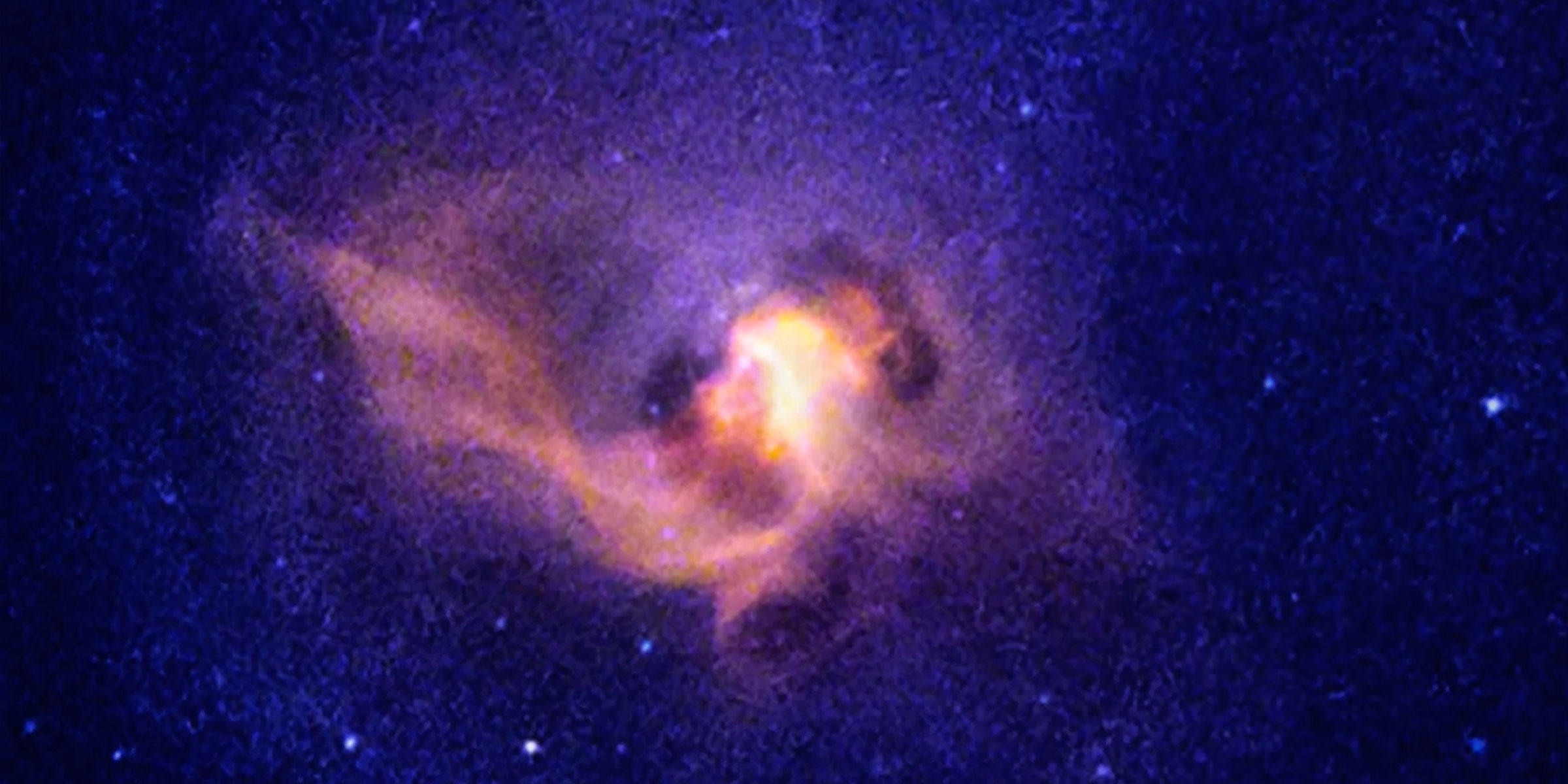
-
2020 NASA's Astrophoto Challenge (Winter)
December 9, 2019 through February 29, 2020 ChallengeThe winter 2020 NASA's Astrophoto Challenges have ended. This season's target: M82 Galaxy. Try your hand at processing images from NASA's space telescopes, or capture and process your ...
-
2019 NASA's Astrophoto Challenge (Summer)
May 31 through July 31, 2019 ChallengeThe summer 2019 NASA's Astrophoto Challenges have ended. This season's target: Whirlpool Galaxy. Try your hand at processing images from NASA's space telescopes, or capture and process ...
-
ViewSpace Interactives: Black Holes
InteractiveA black hole is a region of space packed with so much mass that its own gravity prevents anything from breaking away. Although we can’t see a black hole, telescopes can observe the material around... -
ViewSpace Interactives: Dark Matter
InteractiveScientists know more about what dark matter isn’t than what it is. We know dark matter exists because of its gravitational effects on objects we do see – objects that emit or reflect light.... -
ViewSpace Interactives: Interacting Galaxies
InteractiveWhen galaxies are drawn toward each other by gravity, stars and planets can pass by each other unharmed, but the gas and dust between stars collide. The gas is compressed and heated, setting off waves... -
ViewSpace Videos: History and Origin of the Universe
VideosHow big is the universe? What happened after the big bang? How do we know the universe is expanding? Explore what we know about the history and origin of the universe in this video series. Are you interested...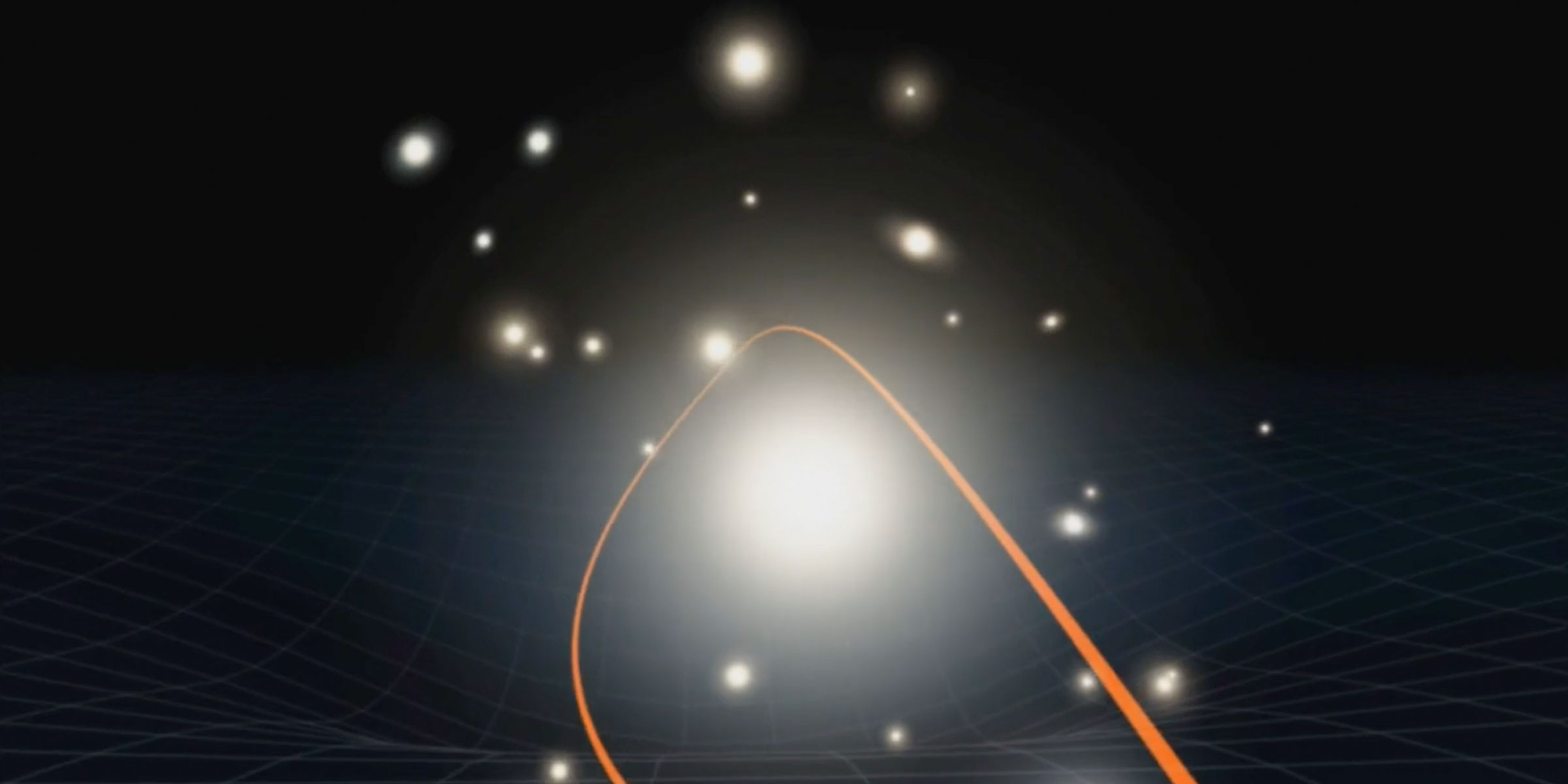
-
ViewSpace Videos: Galaxies
VideosExamine galaxies up close: These videos showcase stunning spiral, elliptical and irregular galaxies, show what various light reveals about certain targets, and link galaxies to larger structures like galaxy...