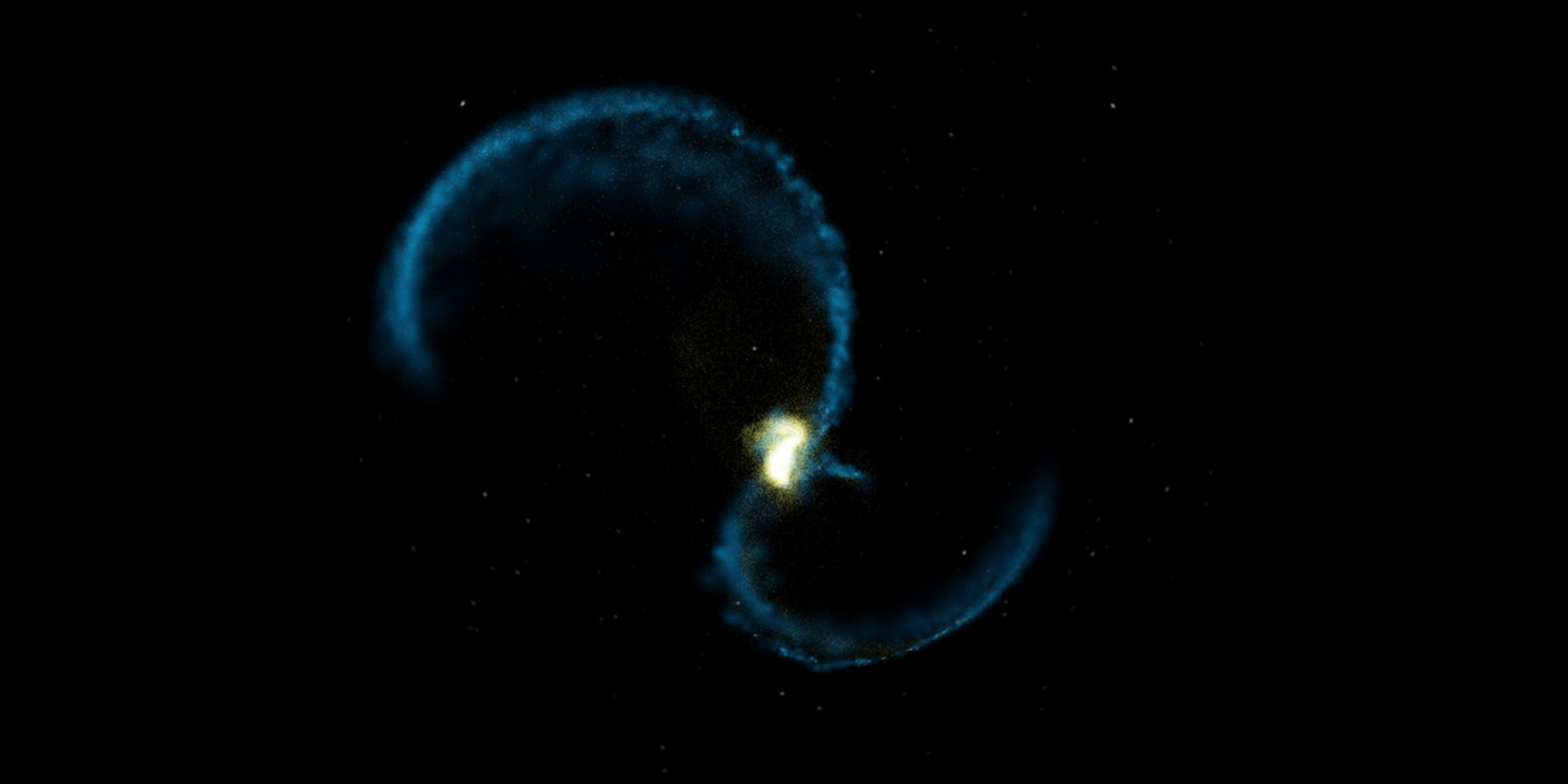
EDUCATIONAL RESOURCES AND EVENTS
Educational Resources and Events Catalog
Filter Results
-
The Pillars of Creation and the Interplay of Stars and Dust
VideosThis scientific visualization explores the iconic Pillars of Creation in the Eagle Nebula and the various ways that stars and dust are intertwined in the process of star formation. In developing the contextual...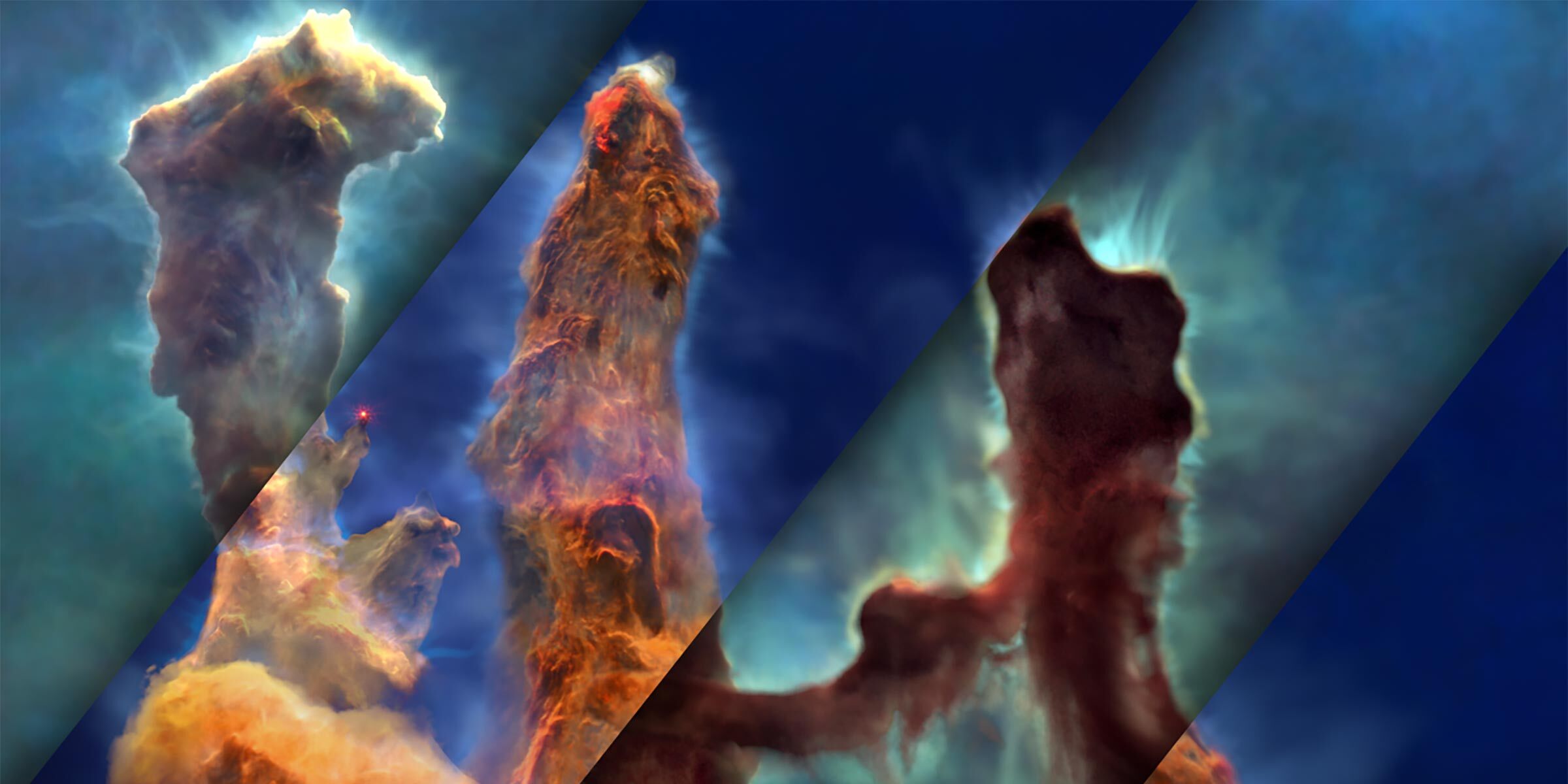
-
Pillars of Creation 3D Model
3D ObjectThe Pillars of Creation are a formation of long thin dust clouds in the Eagle Nebula. They have been showcased in exquisite images from both the Hubble and Webb space telescopes. Their nickname derives...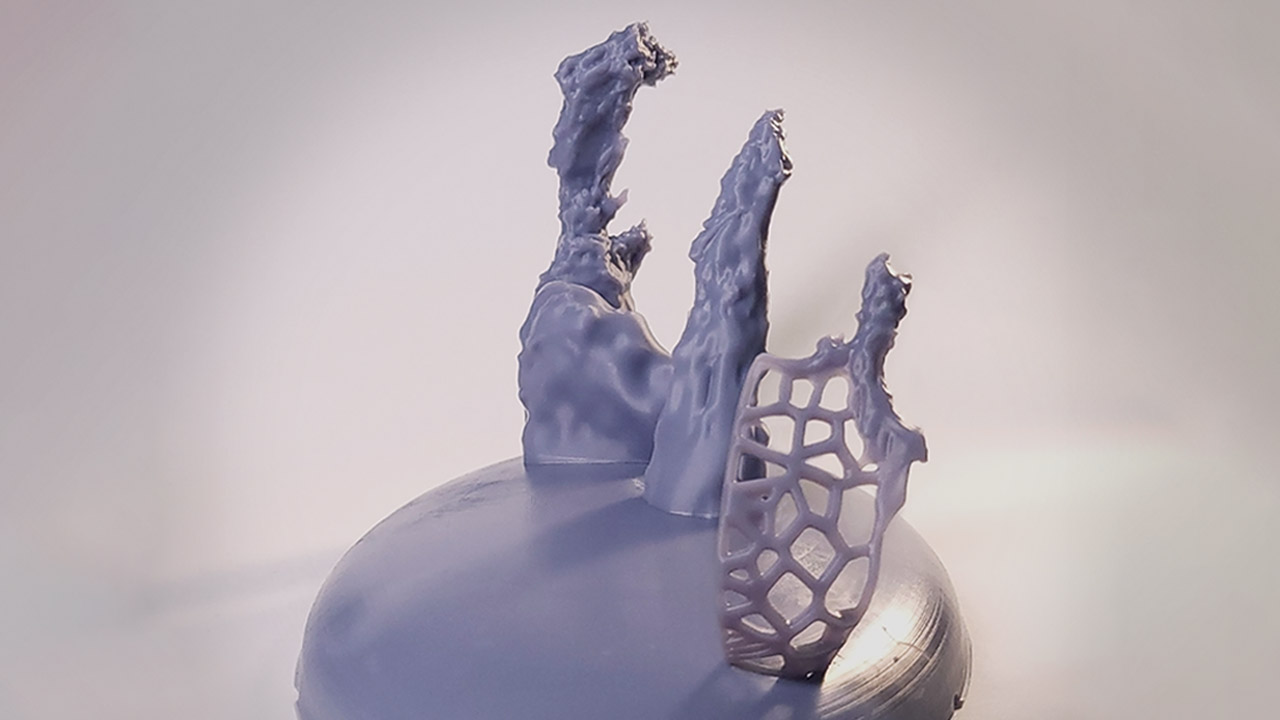
-
AstroViz Community Meetup: Dec 2023
December 7, 2023 Professional Learning WebinarJoin Jen Christiansen (senior GD at Scientific American), Brian Tatosky (VFX Supervisor for Star Trek) and Kalina Borkiewicz (director of NCSA) for a discussion on visual storytelling and more. Story ...
-
AstroViz Community Meetup: Sept 2023
September 27, 2023 Professional Learning WebinarWhen making astronomy visualizations, how does one balance the need for accuracy against the desire to make aesthetically powerful imagery that reaches a wide audience? Our panel explores many aspects ...
-
AstroViz 2023 at AAS 241
January 8, 2023 ConferenceClear and powerful visualizations are a critical component of science communications whether the audience is made up of researchers, students, or the public. Today’s astronomy visualizations cover ...
-
Engage with NASA’s Science Activation Program: Tools for Using NASA Astrophysics in Informal STEM Learning
January 8, 2023 WorkshopWould you like to engage with STEM learners in venues such as museums, science centers, planetariums, libraries, and community colleges? Do you work with these audiences already or do you want to reach ...
-
Eta Carinae: The Great Eruption of a Massive Star
VideosEta Carinae, or Eta Car, is famous for a brilliant and unusual outburst, called the "Great Eruption," observed in the 1840s. This visualization presents the story of that event and examines the...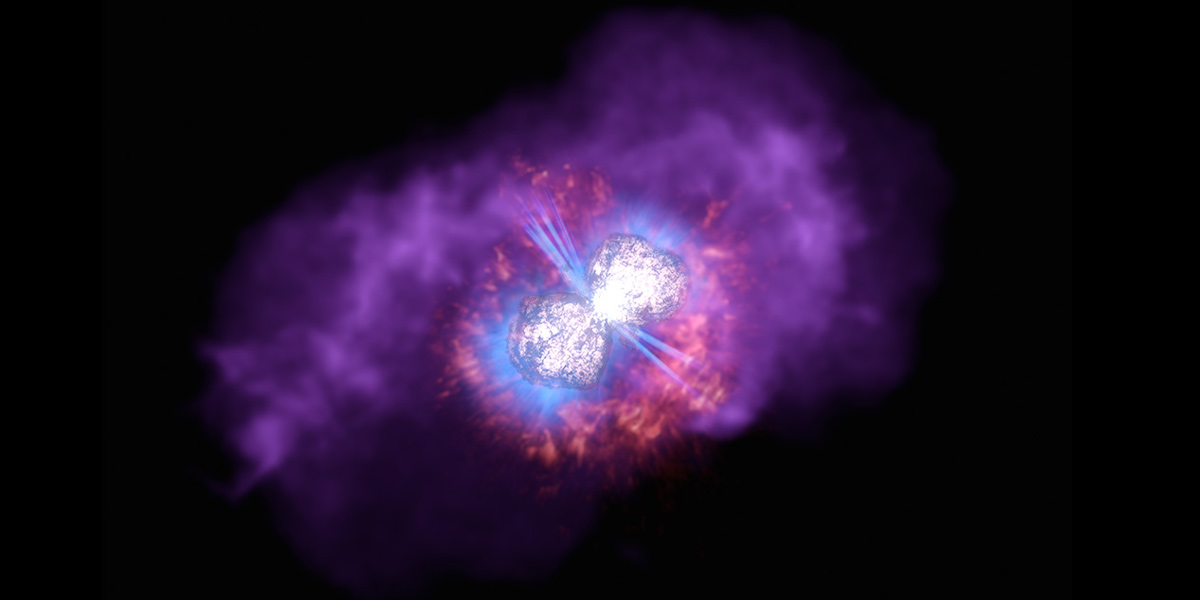
-
Zoom to AG Carinae (Frame Sets)
VideosThis visualization starts with a wide-view of the Carina constellation and zooms down to the Hubble Space Telescope view of the massive star, AG Carinae. One of the brightest stars in our galaxy, AG Carinae...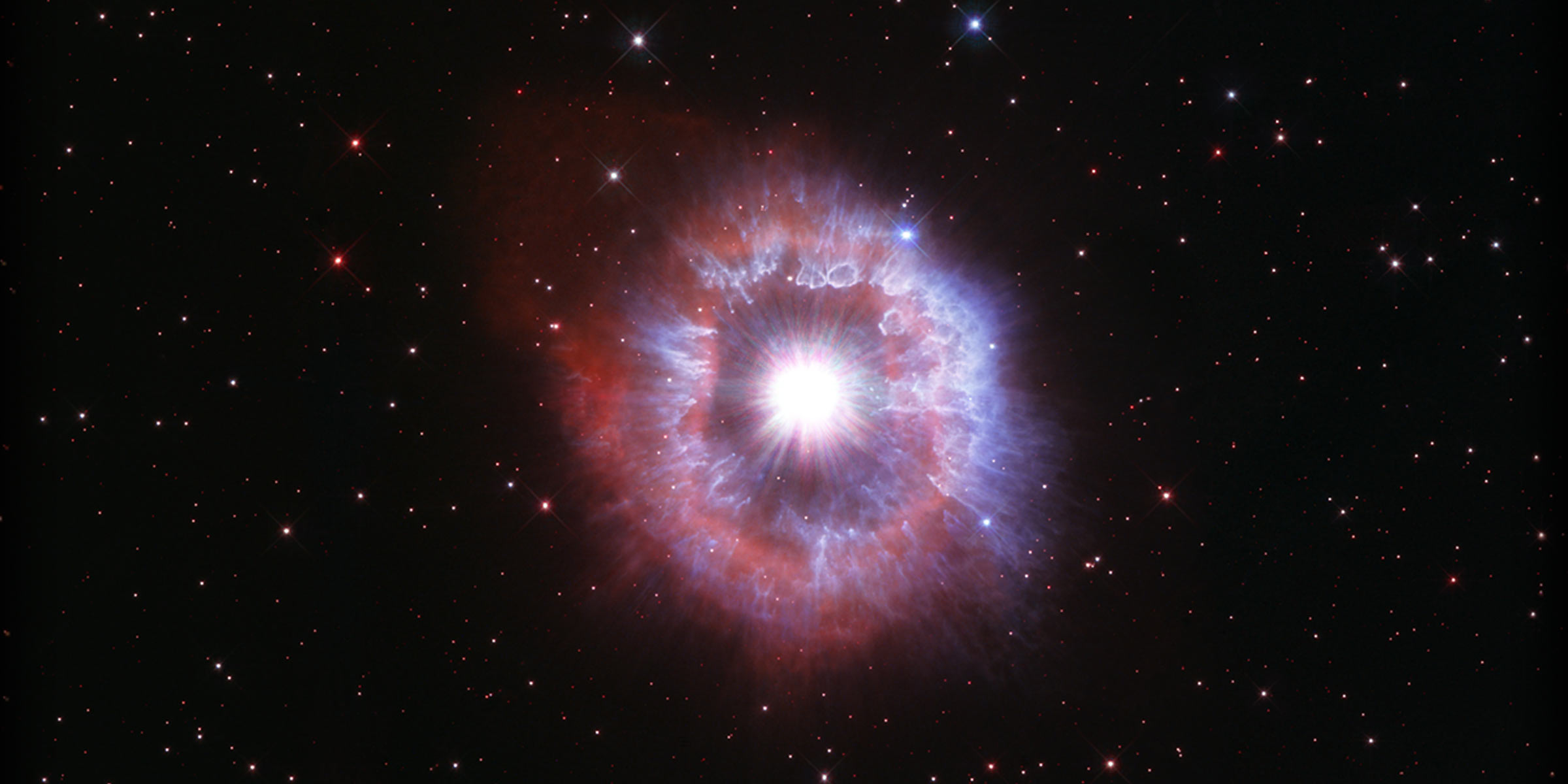
-
Flight to AG Carinae (Frame Sets)
VideosThis visualization starts with the Hubble Space Telescope view of the massive star, AG Carinae. One of the brightest stars in our galaxy, AG Carinae undergoes eruptions that have ejected a small nebula...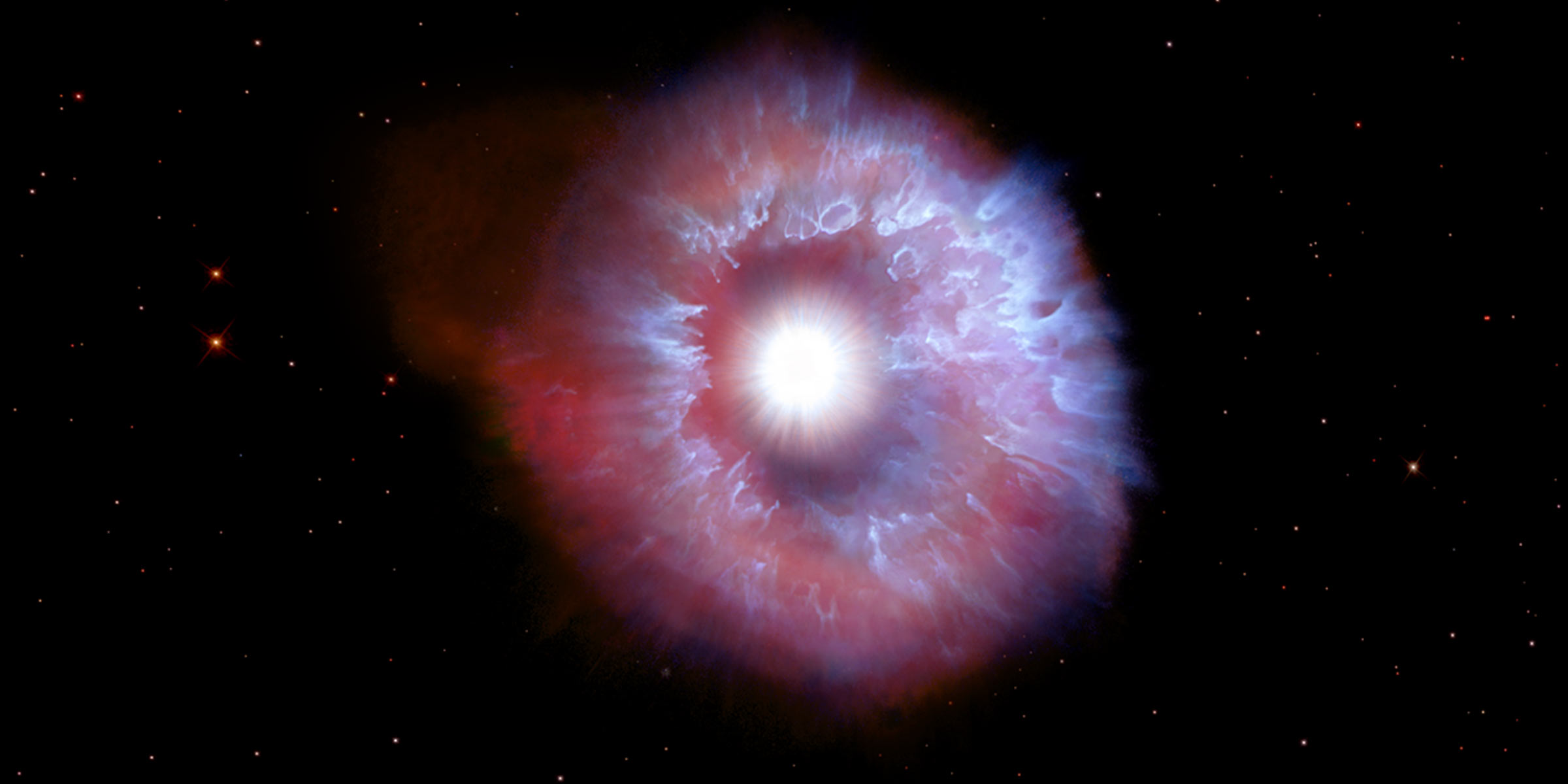
-
AG Carinae: A Luminous Blue Variable Star (Frame Sets)
VideosThis visualization starts with a wide-field view of the Carina constellation and zooms down to the Hubble Space Telescope view of the massive star, AG Carinae. One of the brightest stars in our galaxy,...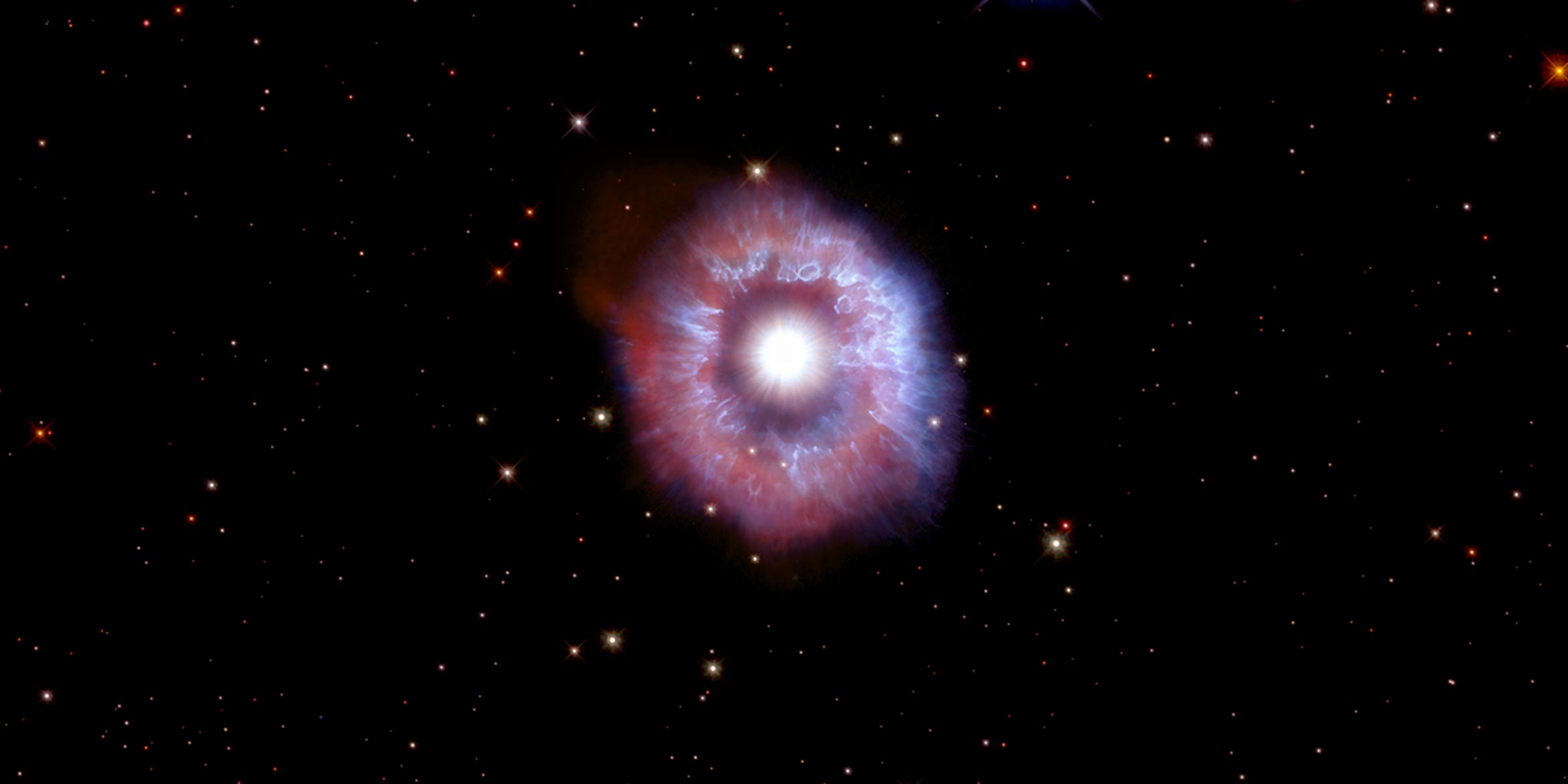
-
ViewSpace Videos: Kepler Space Telescope
VideosNASA’s Kepler Space Telescope found that the night sky is filled with more planets than stars! Explore attention-capturing videos about its discoveries. Are you interested in playing ViewSpace in...
-
ViewSpace Videos: Webb Space Telescope
VideosNASA’s James Webb Space Telescope provides a powerful view of the universe: Its instruments are sensitive to infrared light in high resolution. These longer wavelengths of light allow us to capture...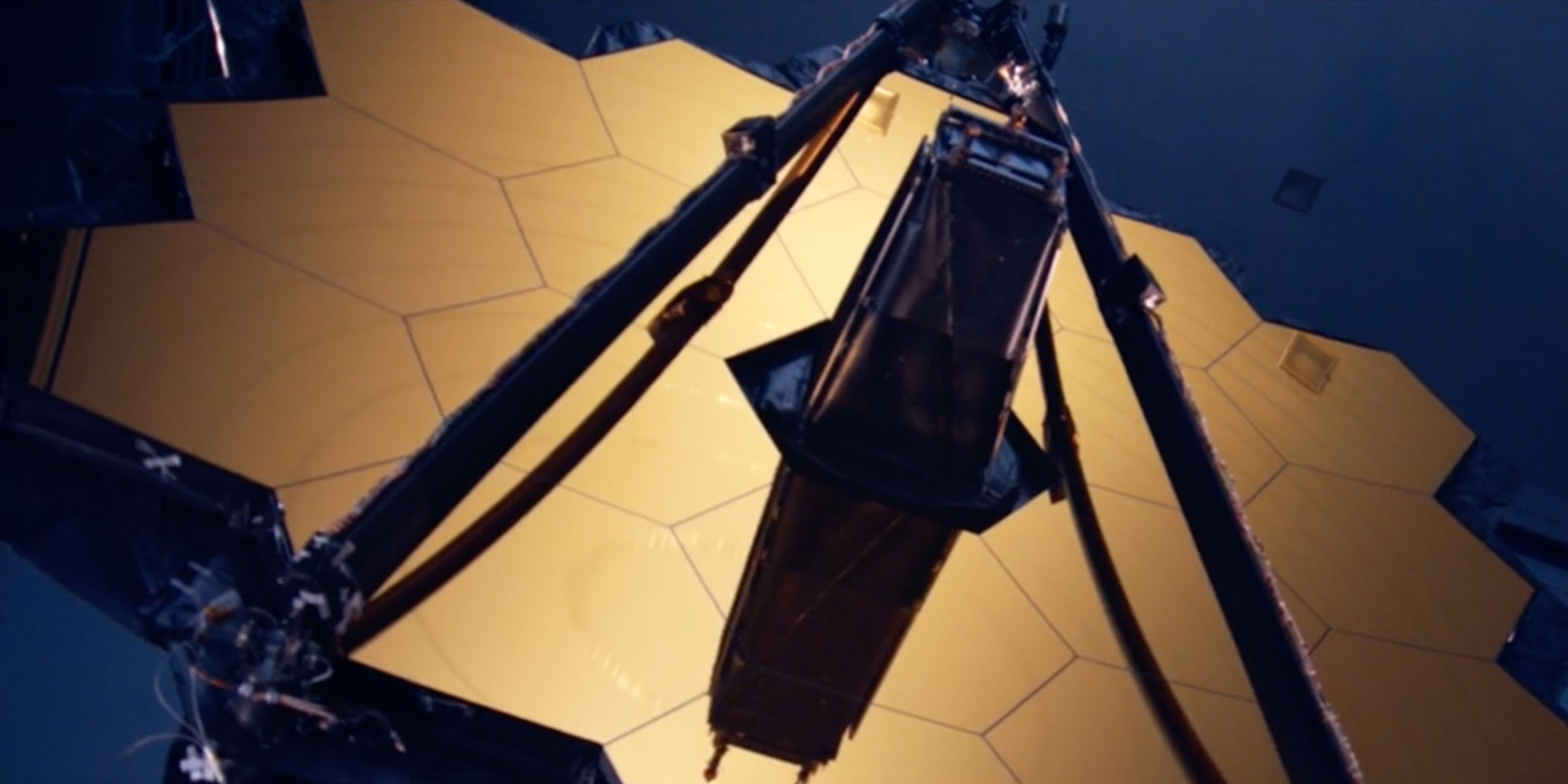
-
ViewSpace Videos: Gamma Rays
VideosGamma rays are produced by the hottest and most energetic objects in the universe, including neutron stars and pulsars, supernova explosions, and regions around black holes. See how this type of light...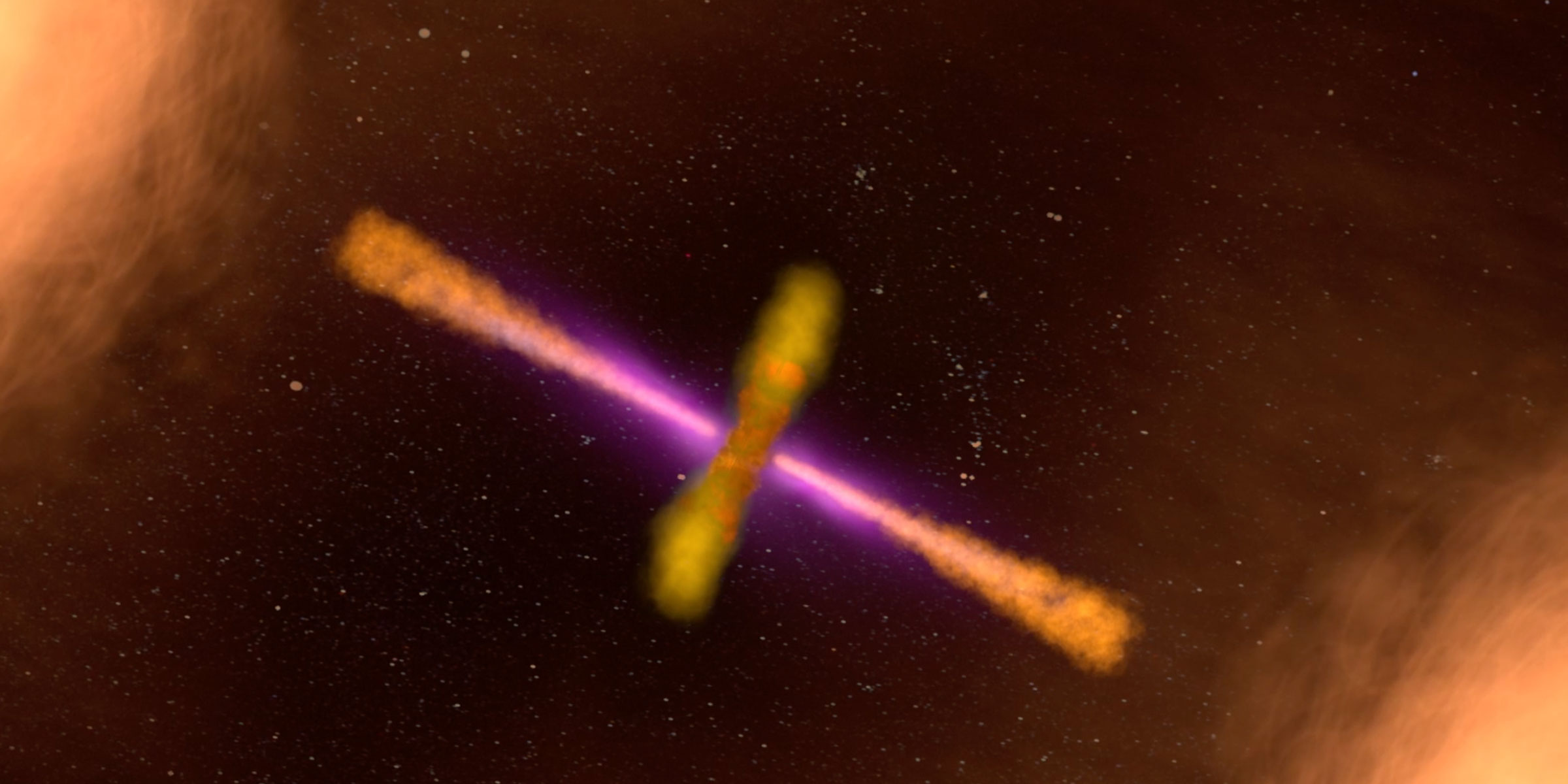
-
ViewSpace Videos: Fermi Gamma-ray Space Telescope
VideosExplore how NASA’s Fermi Gamma-ray Space Telescope opens a wide window on the universe by capturing gamma rays across the sky. These videos address how the observatory helps us answer persistent...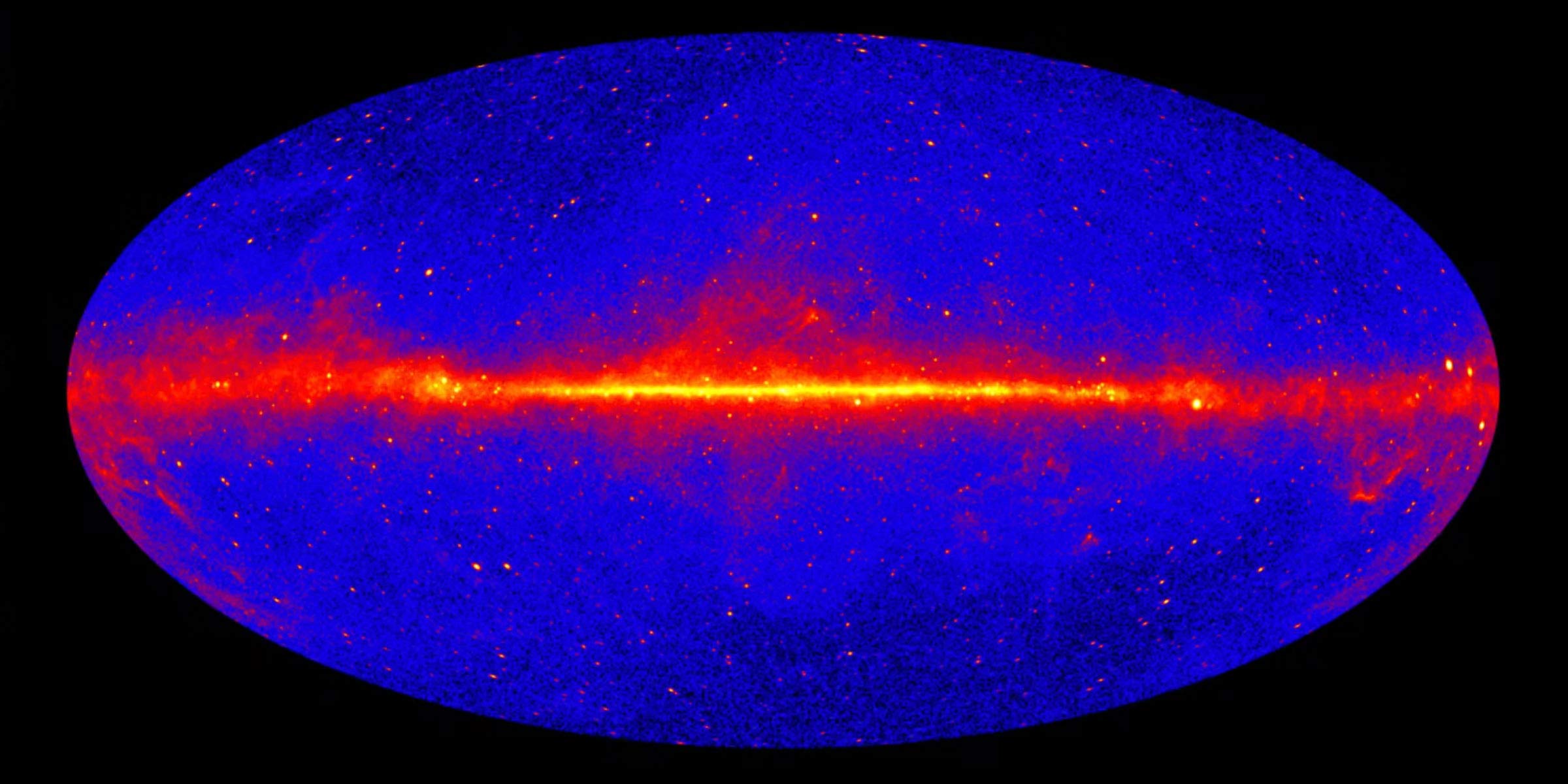
-
ViewSpace Videos: Black Holes
VideosWhat are black holes? How can we detect them? These videos allow your visitors to journey to the centers of galaxies to explore what we know about these elusive objects. Are you interested in playing...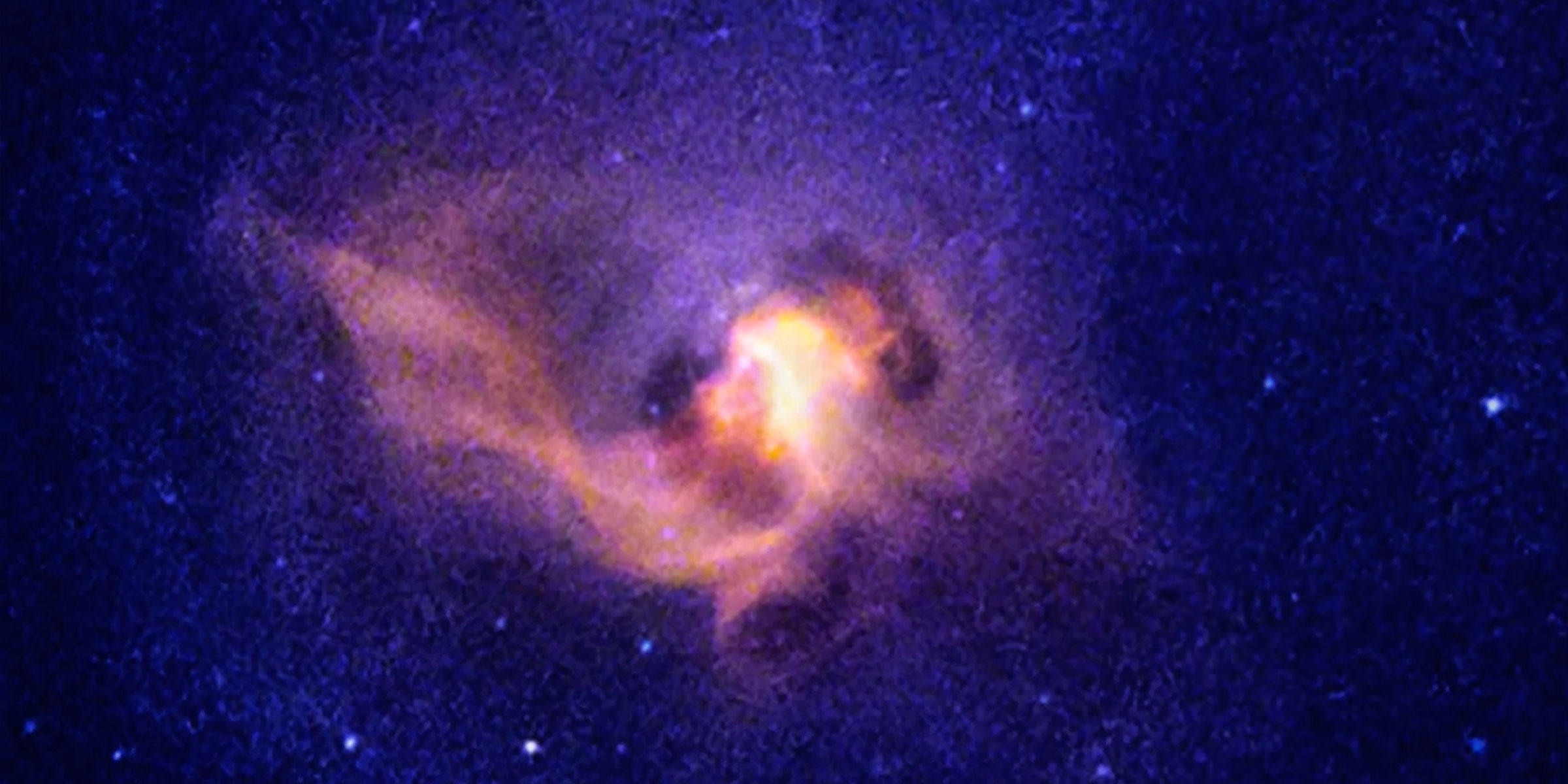
-
ViewSpace Videos: Cosmic Mysteries
VideosWe know the universe is expanding, but how fast? Did you know that dark matter does not cast shadows? How does a star’s light reveal the makeup of an orbiting planet's atmosphere? Explore these...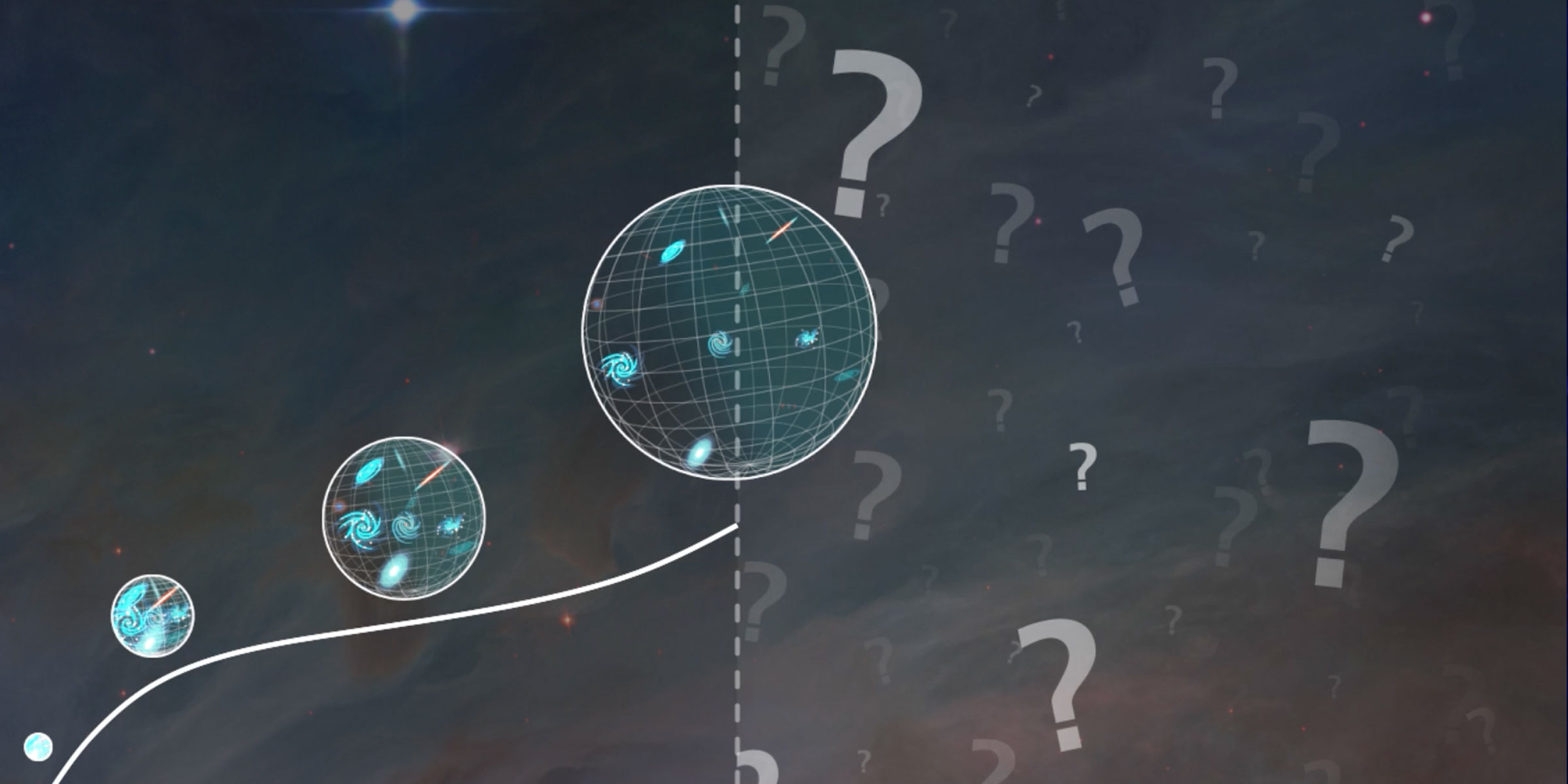
-
ViewSpace Videos: Electromagnetic Spectrum
VideosElectromagnetic radiation – light – carries information to us from distant objects in space. Explore what light, in all of its frequencies, tells us about stars, galaxies, and the night sky...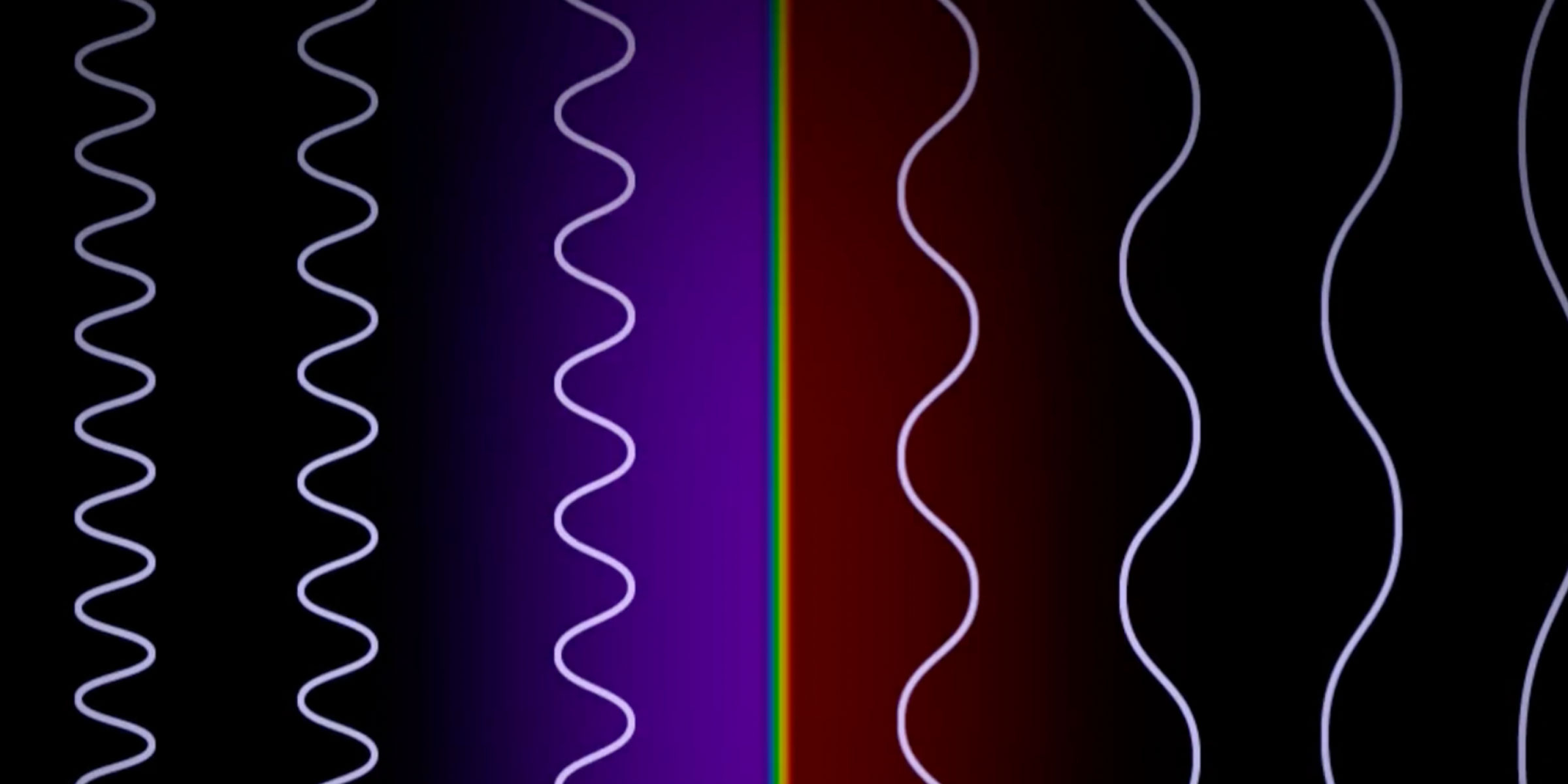
-
ViewSpace Videos: Light
VideosAs light travels for tens to hundreds of thousands of light-years to Earth, it carries information to us from galaxies, stars, black holes, and so much more. Explore what researchers can learn by analyzing...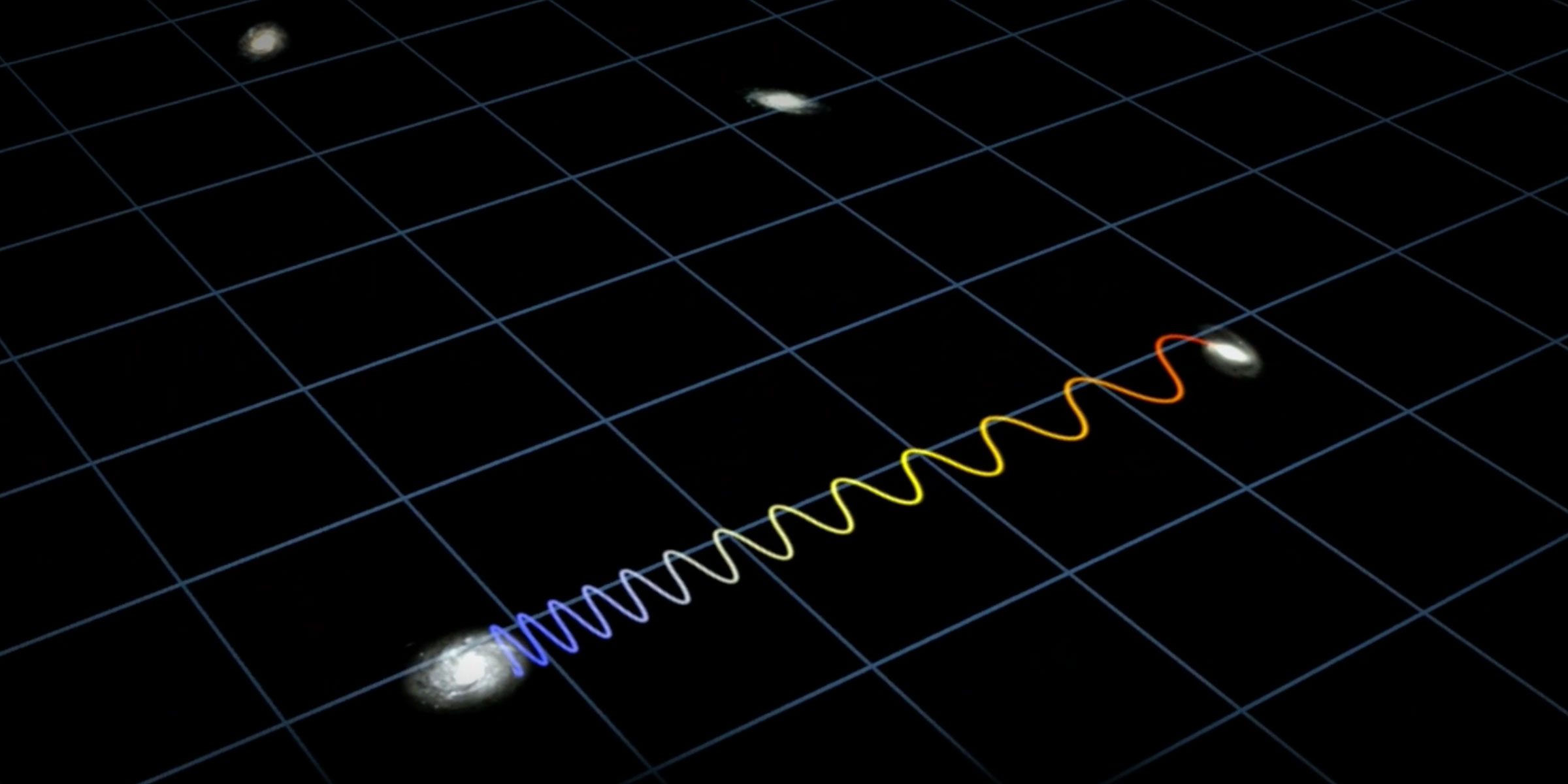
-
ViewSpace Videos: Galaxy Evolution Explorer (GALEX)
VideosNASA’s Galaxy Evolution Explorer (GALEX) sent back ultraviolet light images of the universe. The telescope helped astronomers learn how the early universe evolved, and better characterize black holes...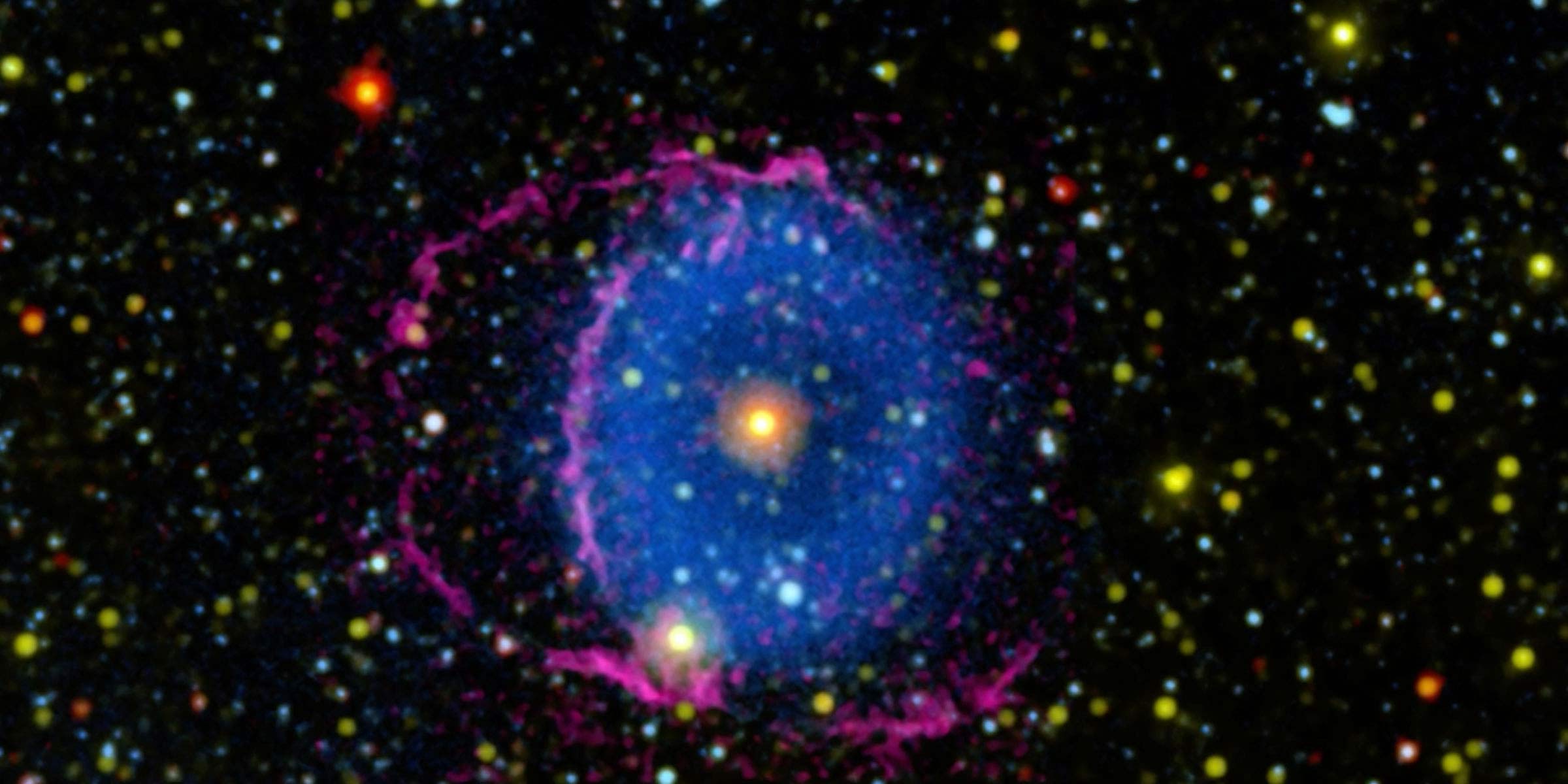
-
ViewSpace Videos: Multi-Wavelength Light
VideosTeach your visitors how combining light from across the electromagnetic spectrum helps us learn an incredible amount about the universe in this video series. Are you interested in playing ViewSpace in...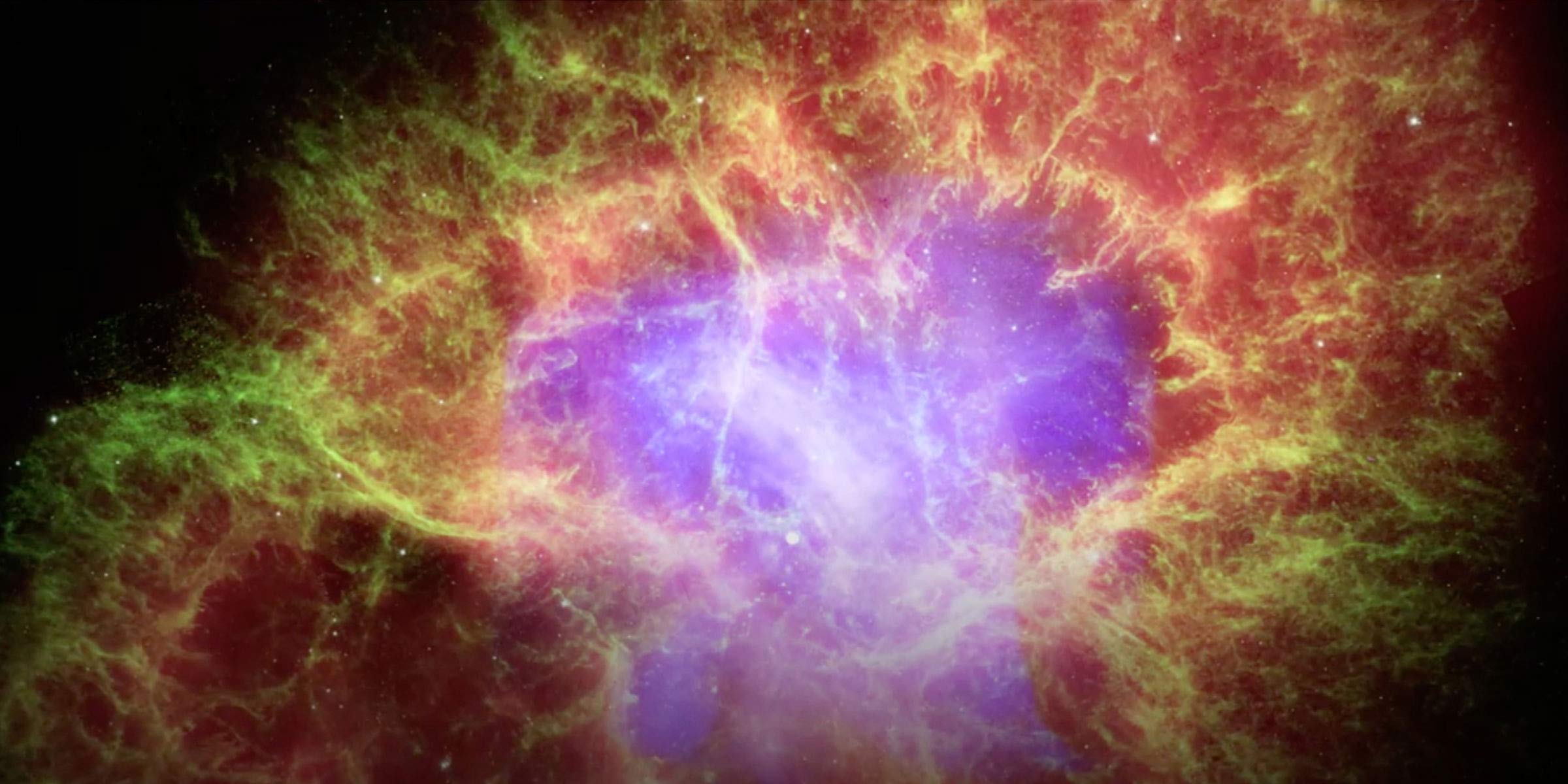
-
ViewSpace Videos: Spectroscopy
VideosAlong with imaging, spectroscopy is one of the most common and useful techniques in astronomy. Spectroscopy is used to figure out what objects are made of, how hot they are, how dense they are, and how...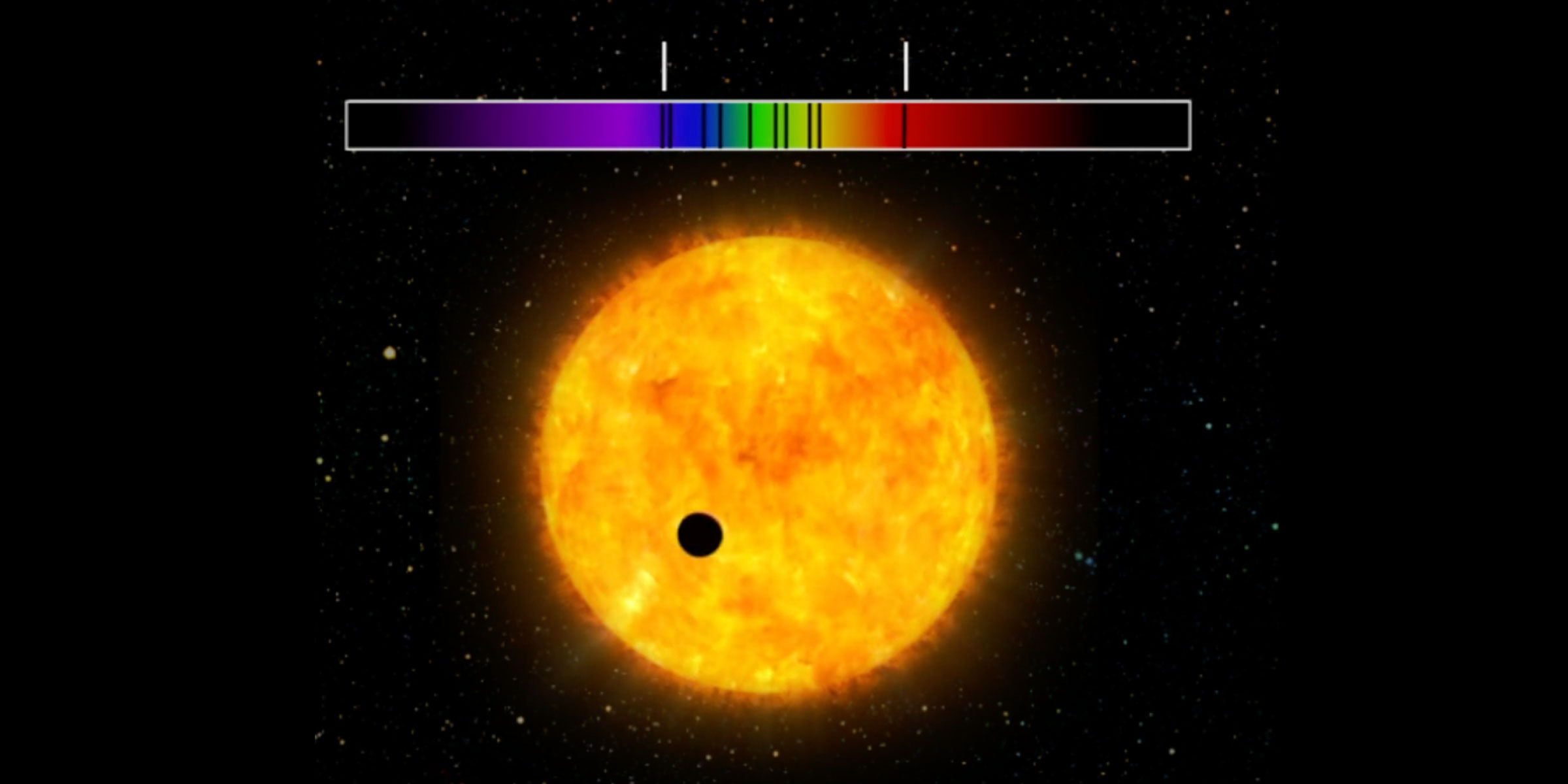
-
ViewSpace Videos: Planck Satellite
VideosESA’s Planck satellite studies the cosmic microwave background radiation, the most ancient light in cosmic history, released when the universe was just 380,000 years old. Learn what we know about... -
ViewSpace Videos: Microwaves
VideosMicrowaves are even longer than radio waves. The oldest microwaves – extremely faint, low-energy light – have made it to Earth, revealing the afterglow of the big bang. Watch videos about how...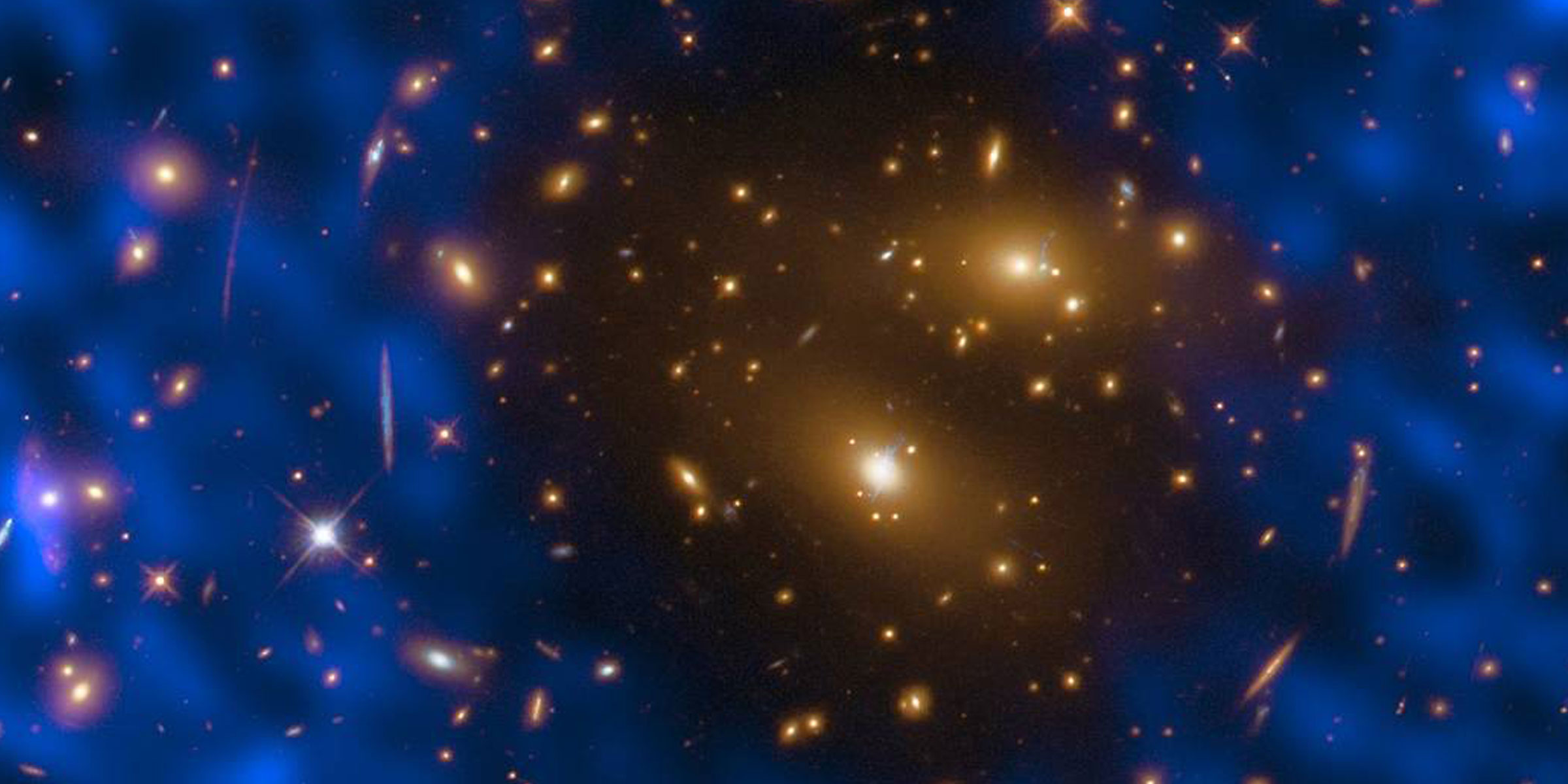
-
ViewSpace Videos: Radio Waves
VideosRadio waves are some of the most stretched out light in the universe – they have the longest wavelengths in the electromagnetic spectrum. Find out what they help us learn about galaxies, galaxy clusters,...
-
ViewSpace Videos: Chandra X-Ray Observatory
VideosExplore how NASA’s Chandra X-ray Observatory helps us learn about exploded stars, clusters of galaxies, and matter around black holes. You can also help audiences compare its X-ray observations to...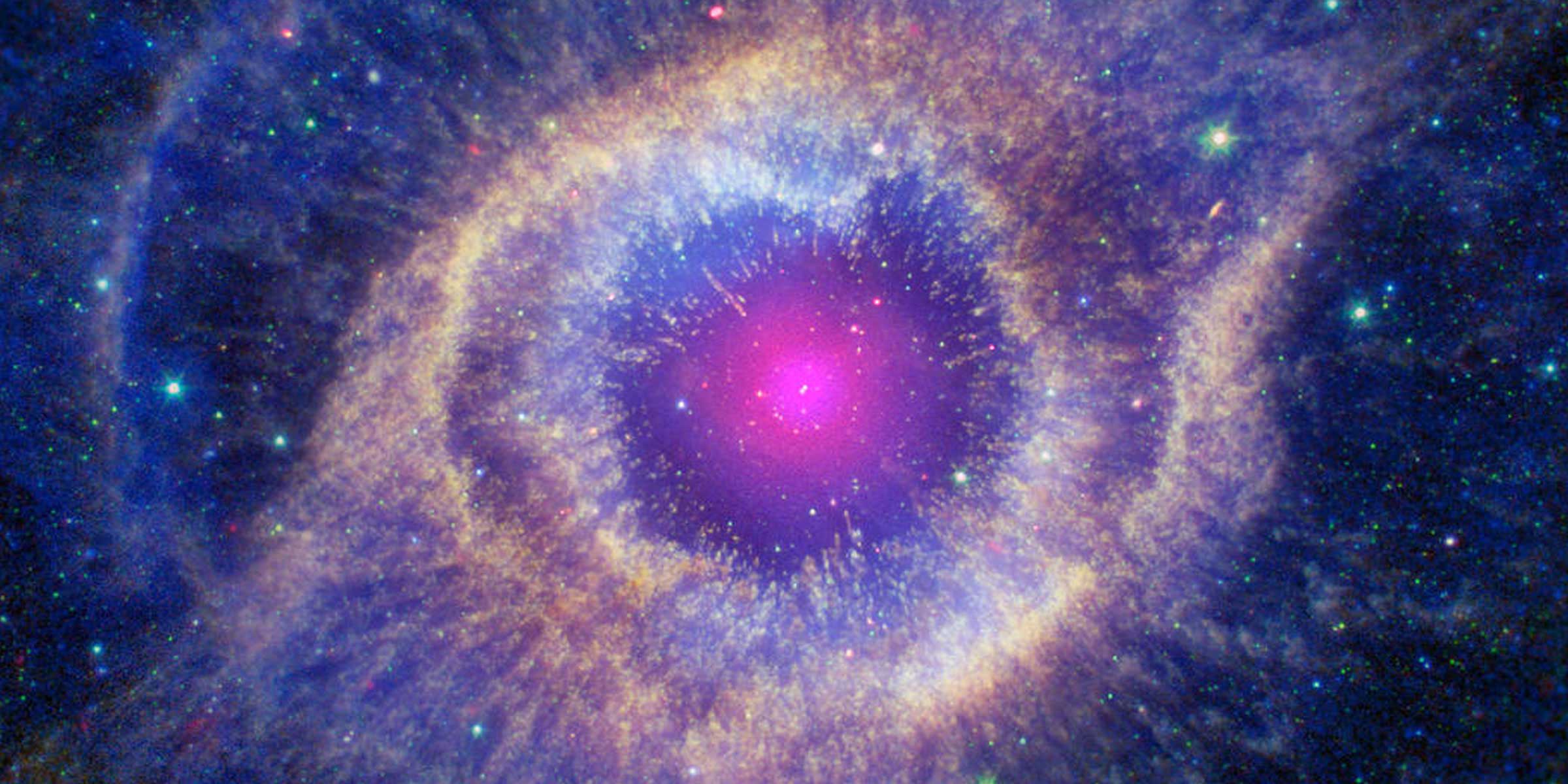
-
ViewSpace Videos: Spitzer Space Telescope
VideosView some of the most interesting discoveries of NASA’s Spitzer Space Telescope, which delivered the universe to us in infrared light. Highlights include star-forming regions, interacting galaxies,...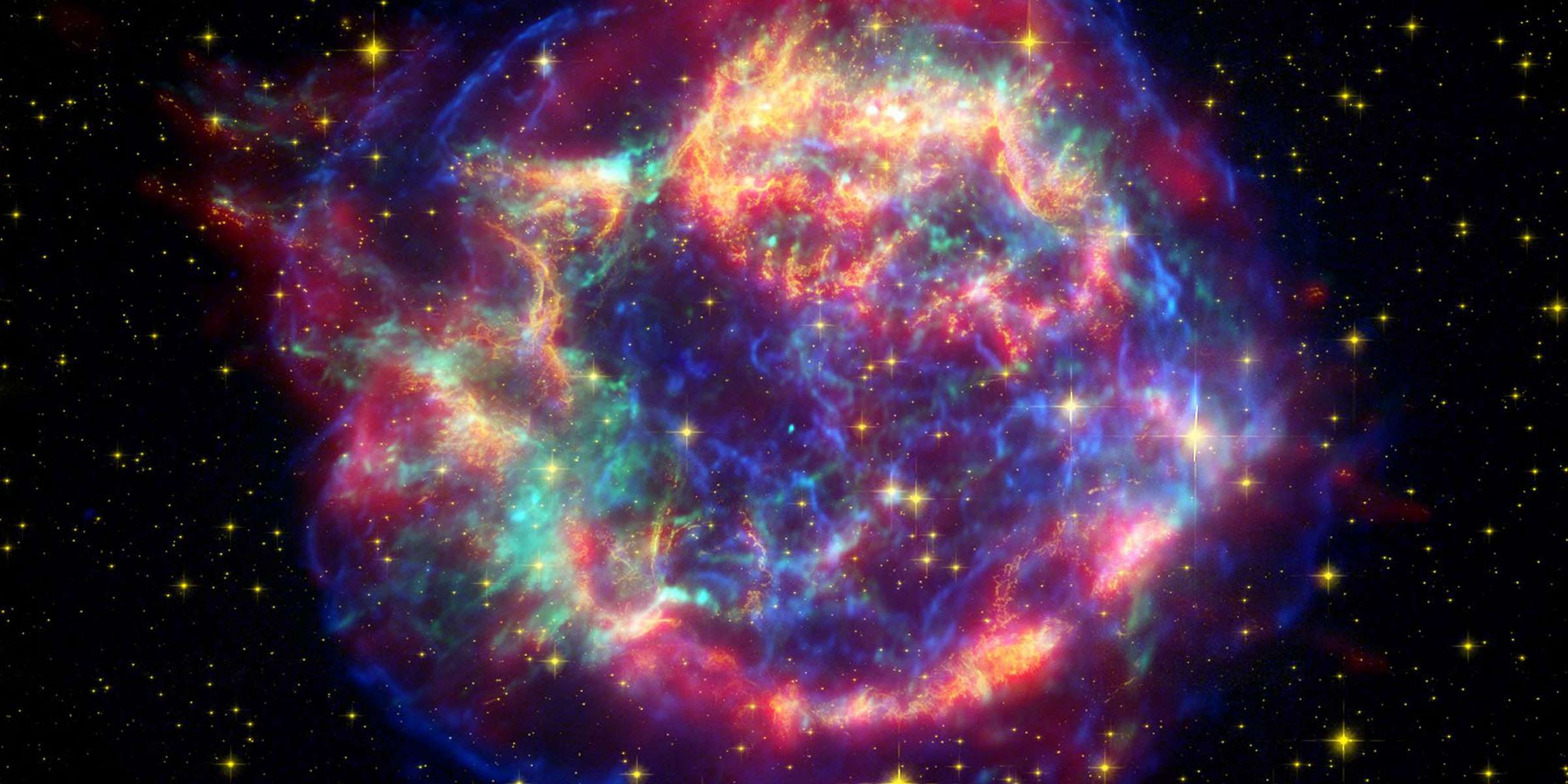
-
ViewSpace Videos: Ultraviolet Light
VideosUltraviolet light helps us learn about how stars form and shape their environments, traces the structure and development of galaxies, and has been detected on other planets in our solar system. Discover...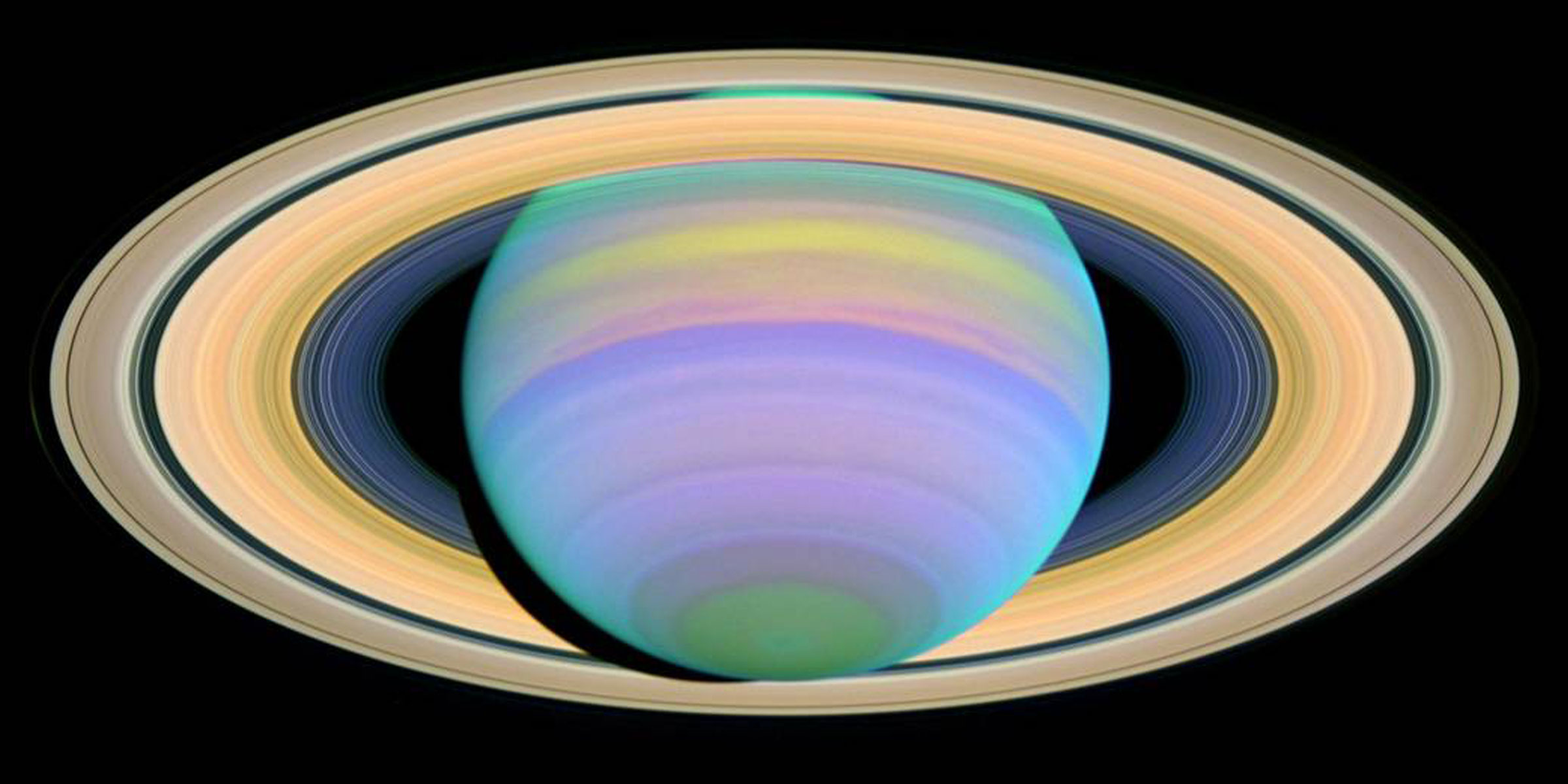
-
ViewSpace Videos: Extreme Physics and Phenomena
VideosThe universe is filled with objects that test the laws of physics, including extreme energies, new states of matter, and gravitational and magnetic fields that far exceed those on Earth. Explore what we...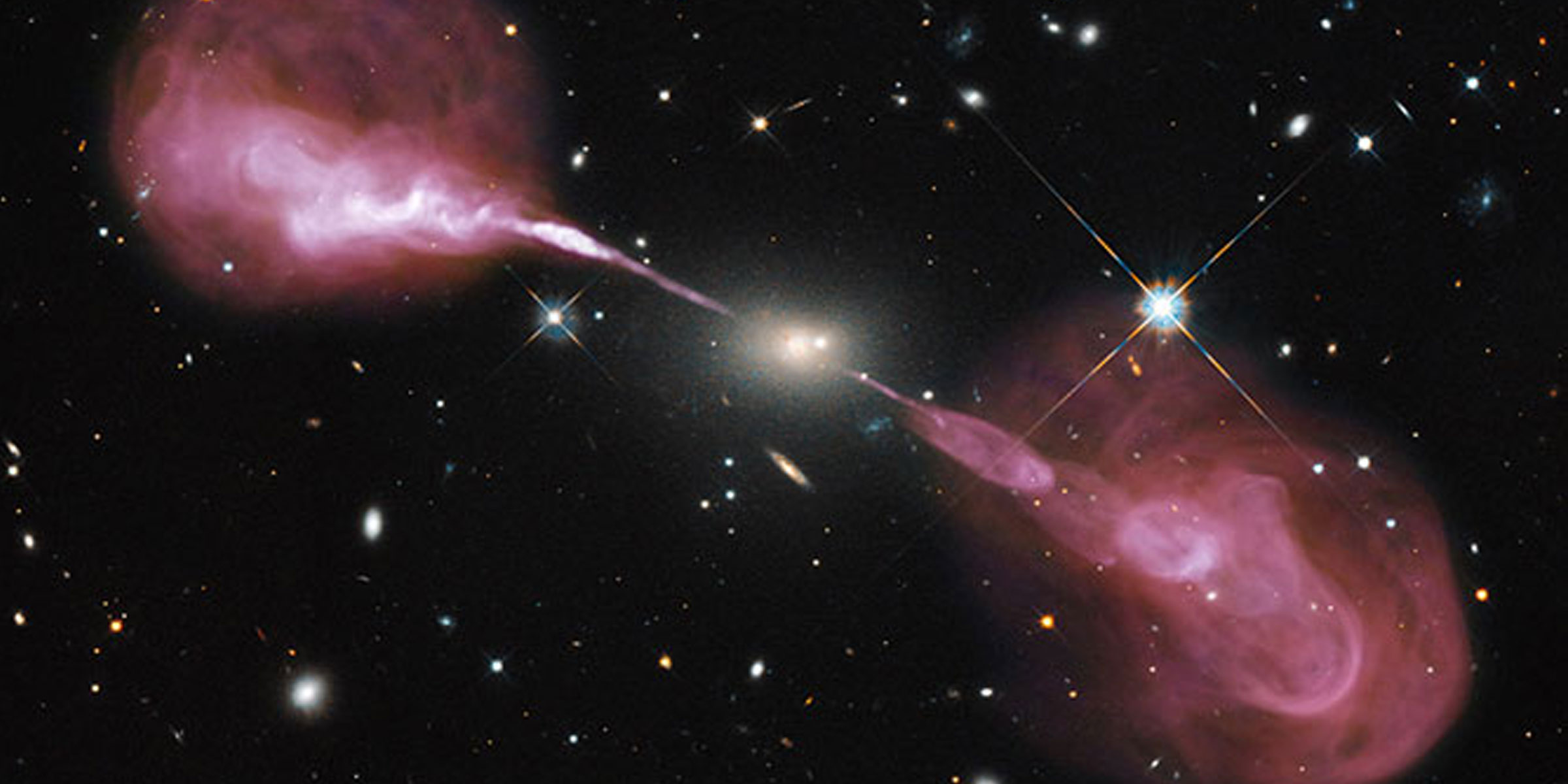
-
ViewSpace Videos: Structure and Makeup of the Universe
VideosImmerse your viewers in the scale of the universe, how galaxies change over time, and what the center of our Milky Way looks like (and why we don’t have a full image of it!) in these videos. Are...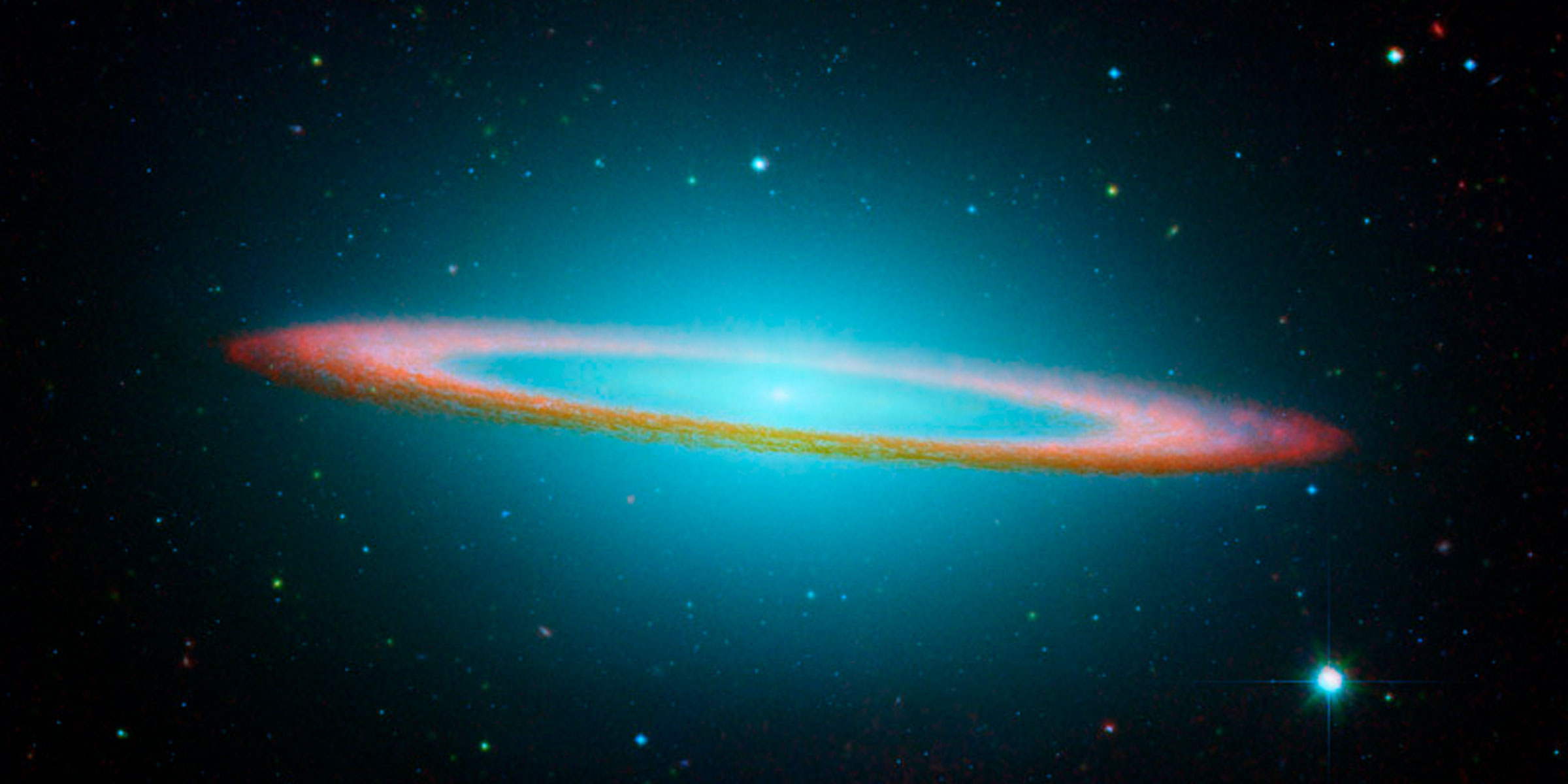
-
ViewSpace Videos: Herschel Space Observatory
VideosESA’s Herschel Space Observatory studied the universe in far-infrared light and submillimeter radiation, revealing new details about the earliest, most distant stars and galaxies, as well as those...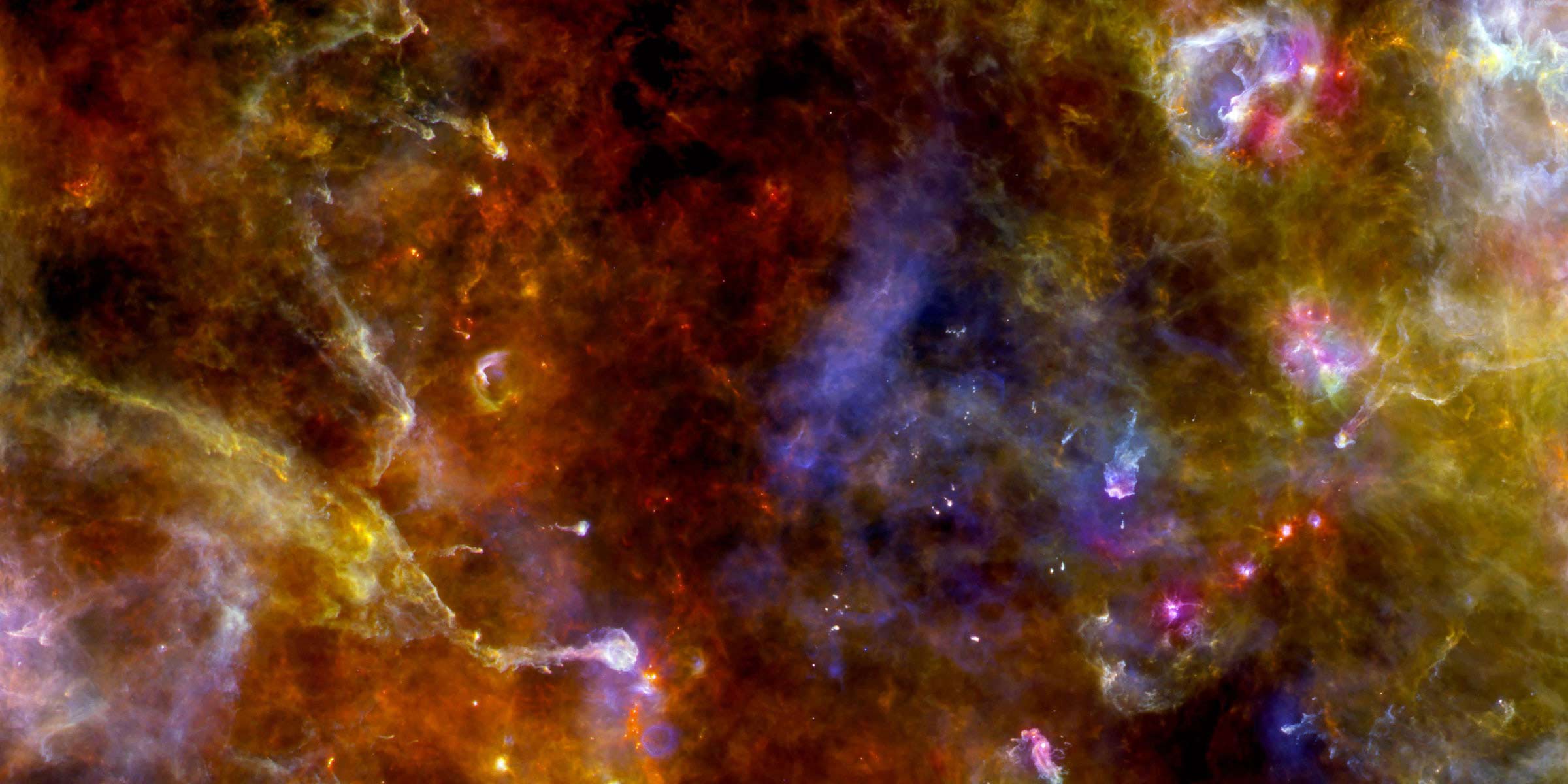
-
ViewSpace Interactives: Black Holes
InteractiveA black hole is a region of space packed with so much mass that its own gravity prevents anything from breaking away. Although we can’t see a black hole, telescopes can observe the material around... -
ViewSpace Interactives: Star Death
InteractiveWhat happens when a star dies? It varies! Some stars die slowly, giving off puffs of gas and dust before collapsing to form small white dwarf stars. Much larger stars die suddenly in powerful explosions... -
ViewSpace Videos: X-Rays
VideosCompare how X-rays deliver detail about some of the most energetic processes in the universe. Explore X-rays in the context of black holes, supernovas, and galaxy clusters in these engaging videos. Are...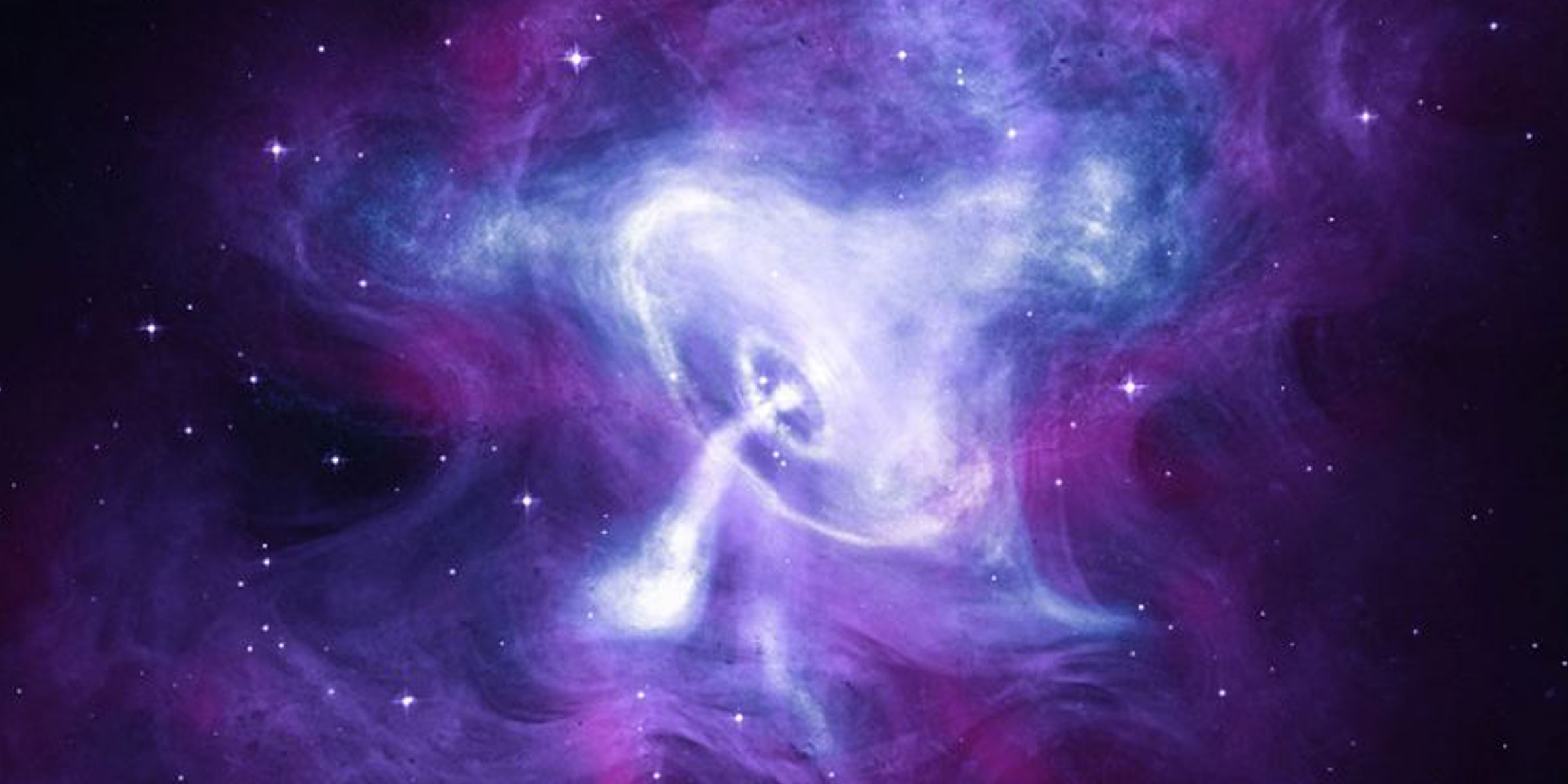
-
ViewSpace Videos: How Do We Know?
VideosHelp viewers discover the process of science! These videos explore how light travels, various telescope technologies, how we detect galaxies and exoplanets, and so much more. Are you interested in playing...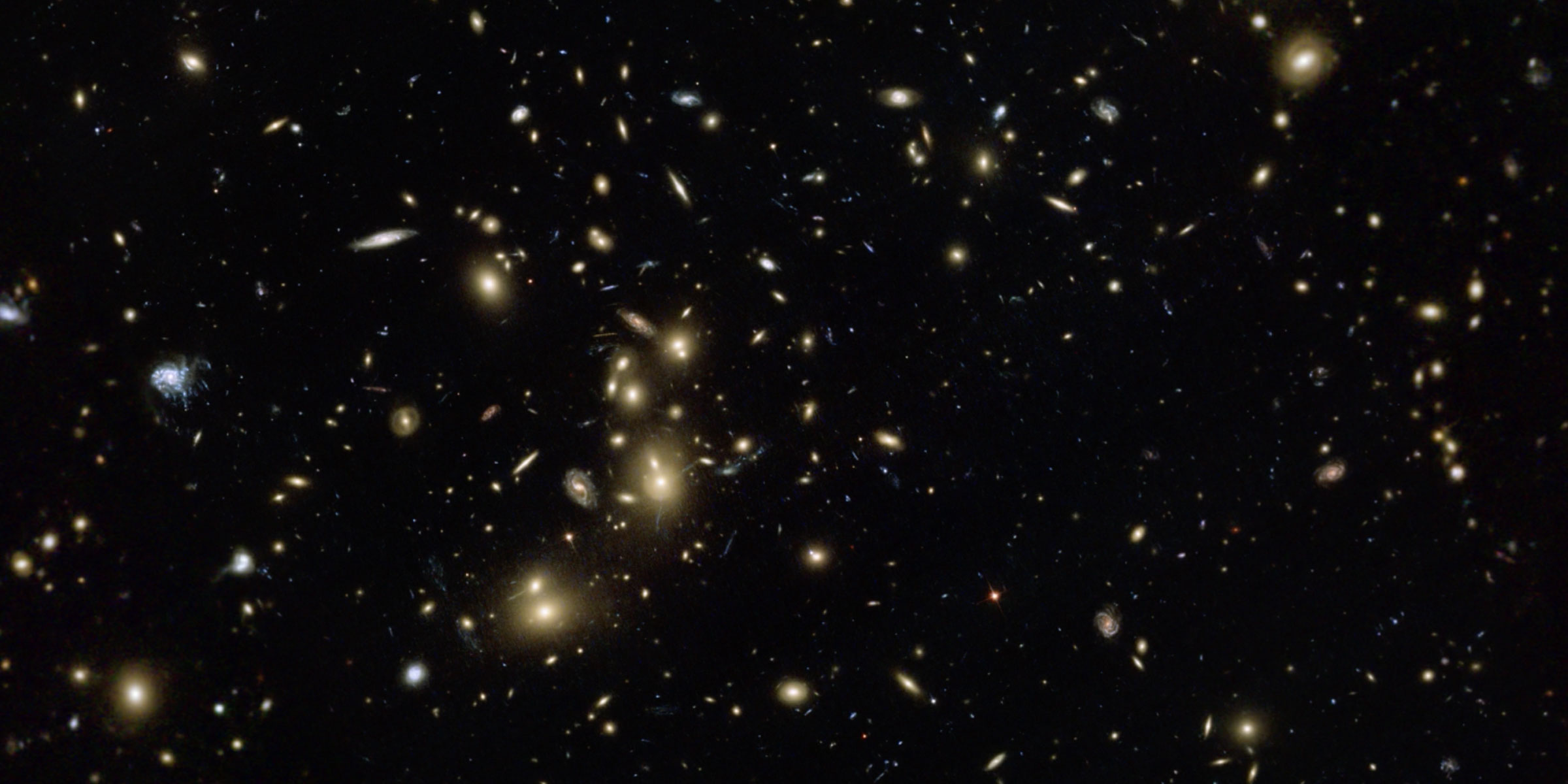
-
ViewSpace Interactives: Dark Matter
InteractiveScientists know more about what dark matter isn’t than what it is. We know dark matter exists because of its gravitational effects on objects we do see – objects that emit or reflect light.... -
Flyby of the Whirlpool Galaxy (Frame Sets)
VideosThe Whirlpool Galaxy, also known as Messier 51, is one of the nearest and best examples of a grand design spiral galaxy. Located about 25 million light-years away, the face-on galaxy exposes the full details...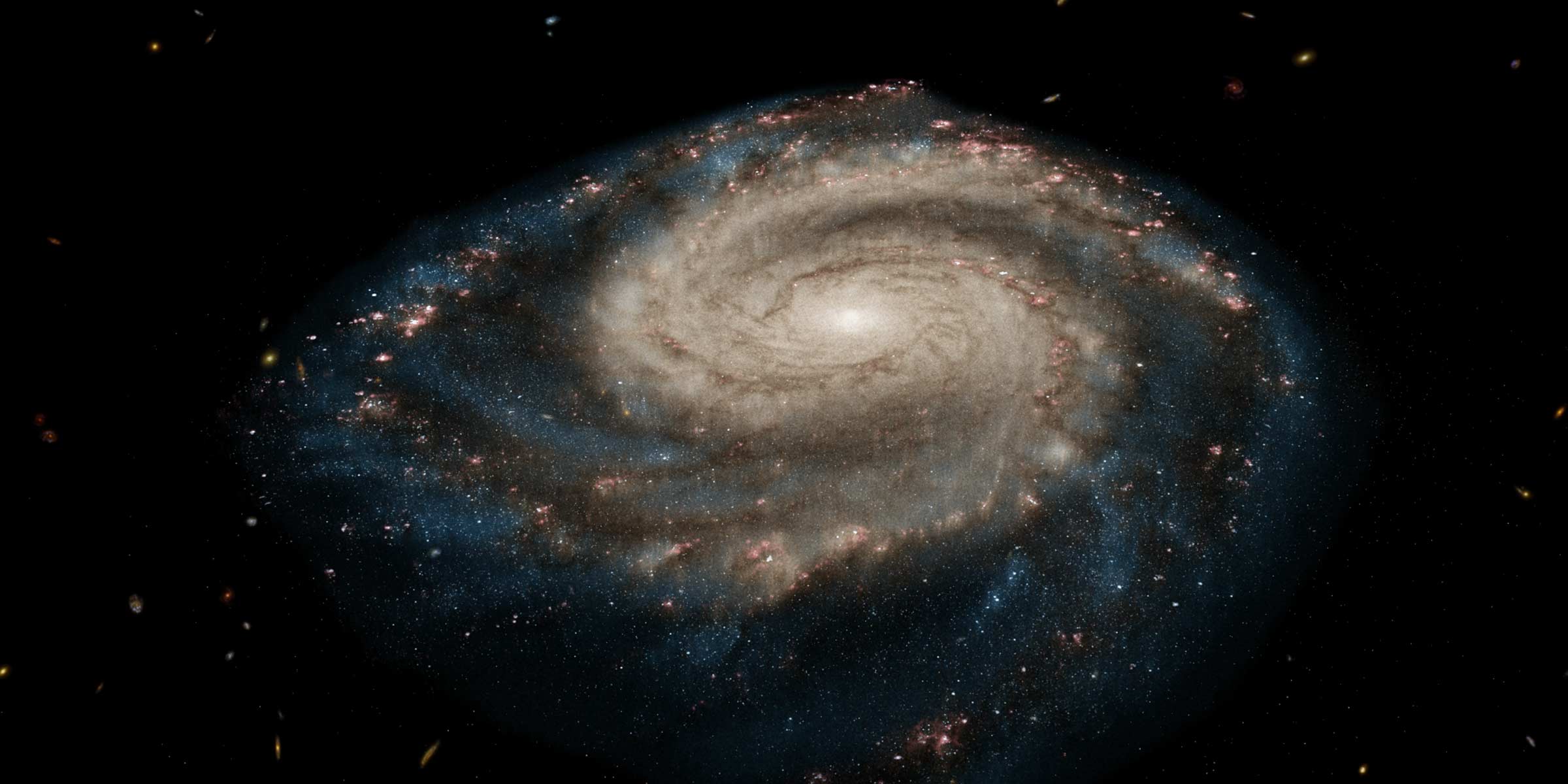
-
ViewSpace Videos: Nebulas
VideosTake video tours of giant clouds of dust and gas in space, where new stars are forming or are the result of dying stars exploding. Highlights include the Cat’s Paw Nebula, Westerlund 2, the Eagle...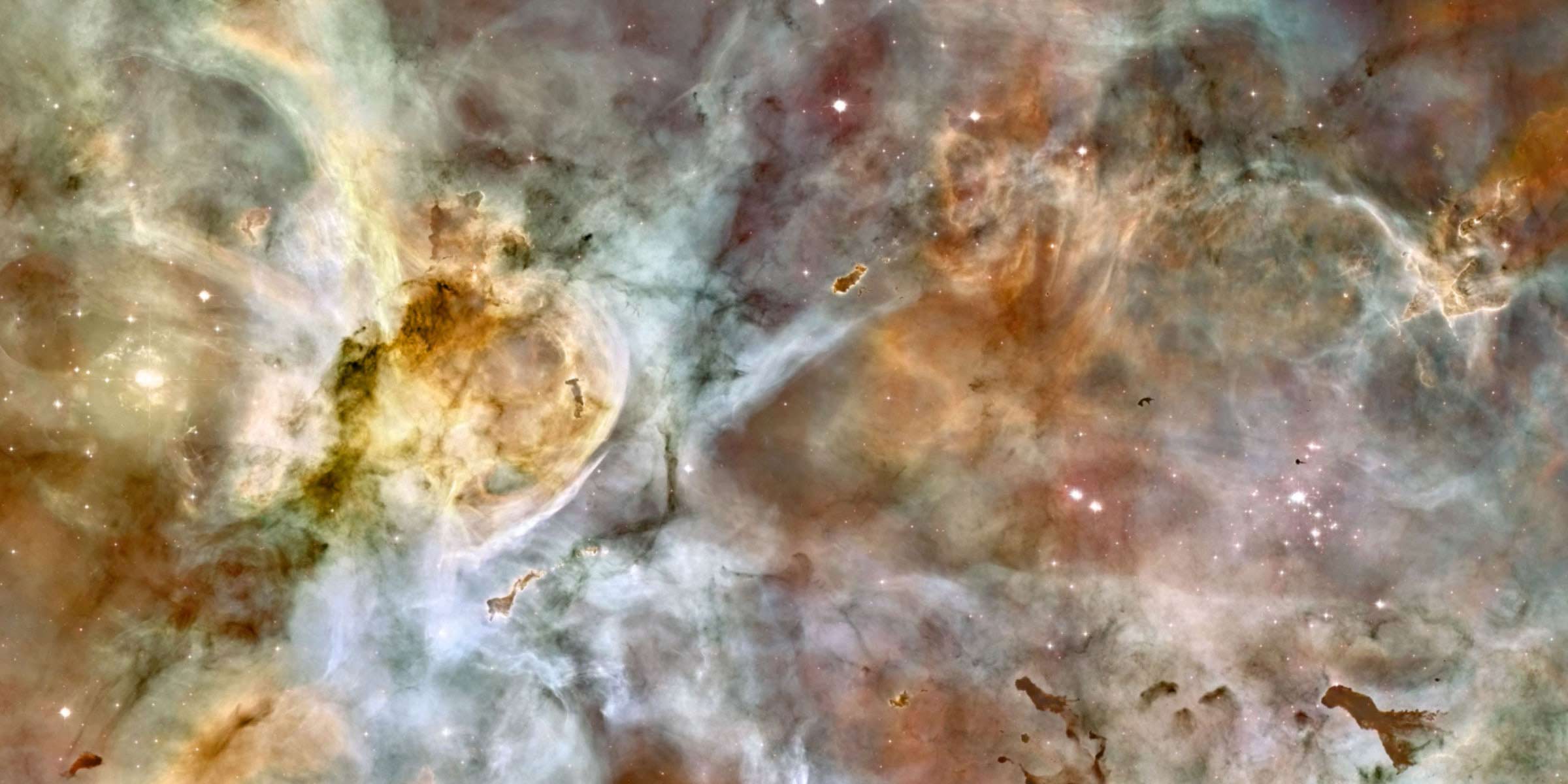
-
ViewSpace Videos: Supernovas
VideosWhat happens after a star explodes? Explore a supernova’s aftermath in detail, and learn about well-known objects like the Crab Nebula, Eta Carinae, and Supernova 1987A in these videos. Are you... -
ViewSpace Videos: Exoplanets
VideosLearn what we know about some faraway planets, how we can detect planets in our Milky Way galaxy, and what we can learn about exoplanets’ atmospheres in these videos. Are you interested in playing...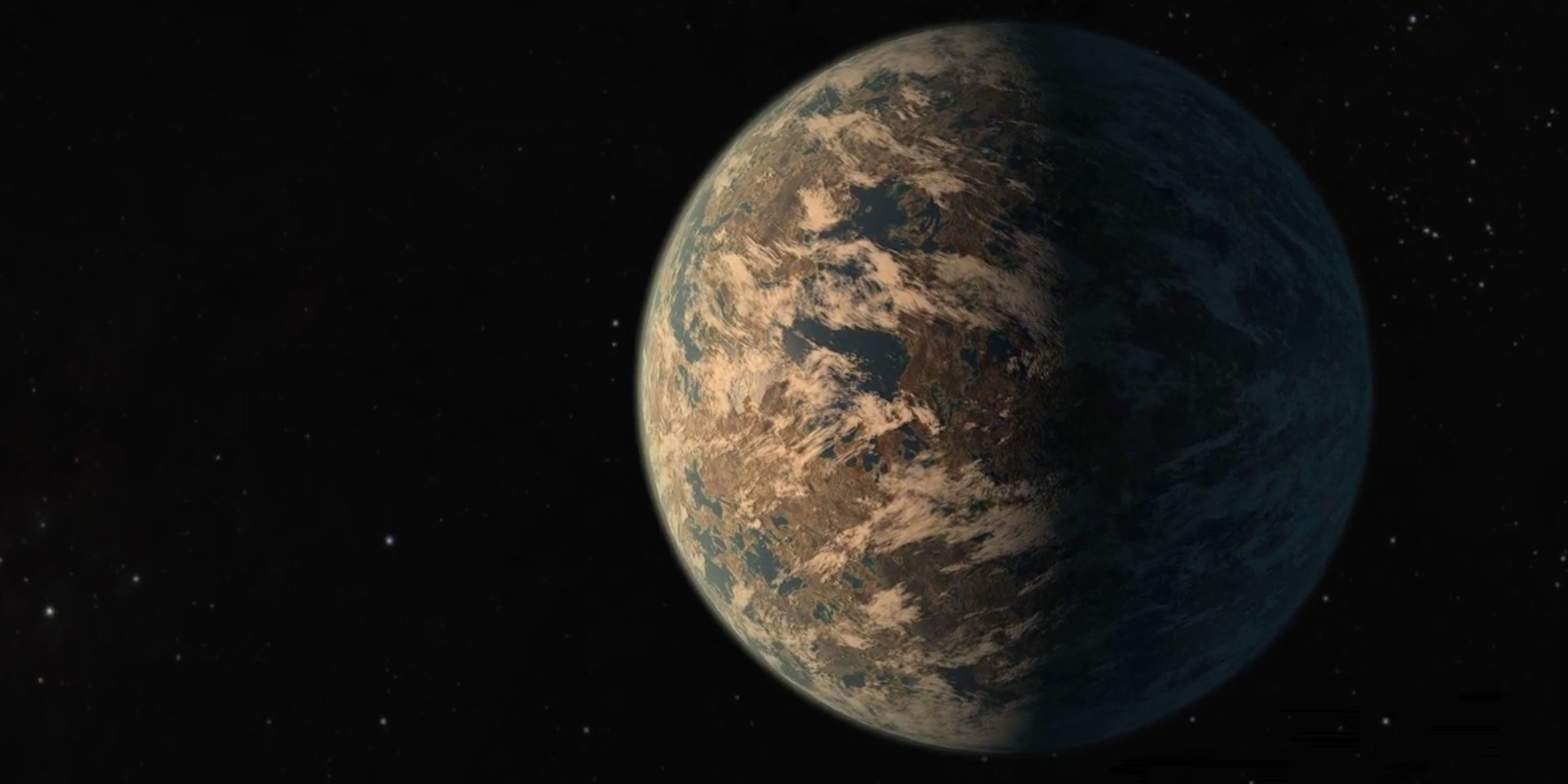
-
ViewSpace Interactives: Interacting Galaxies
InteractiveWhen galaxies are drawn toward each other by gravity, stars and planets can pass by each other unharmed, but the gas and dust between stars collide. The gas is compressed and heated, setting off waves... -
ViewSpace Videos: History and Origin of the Universe
VideosHow big is the universe? What happened after the big bang? How do we know the universe is expanding? Explore what we know about the history and origin of the universe in this video series. Are you interested...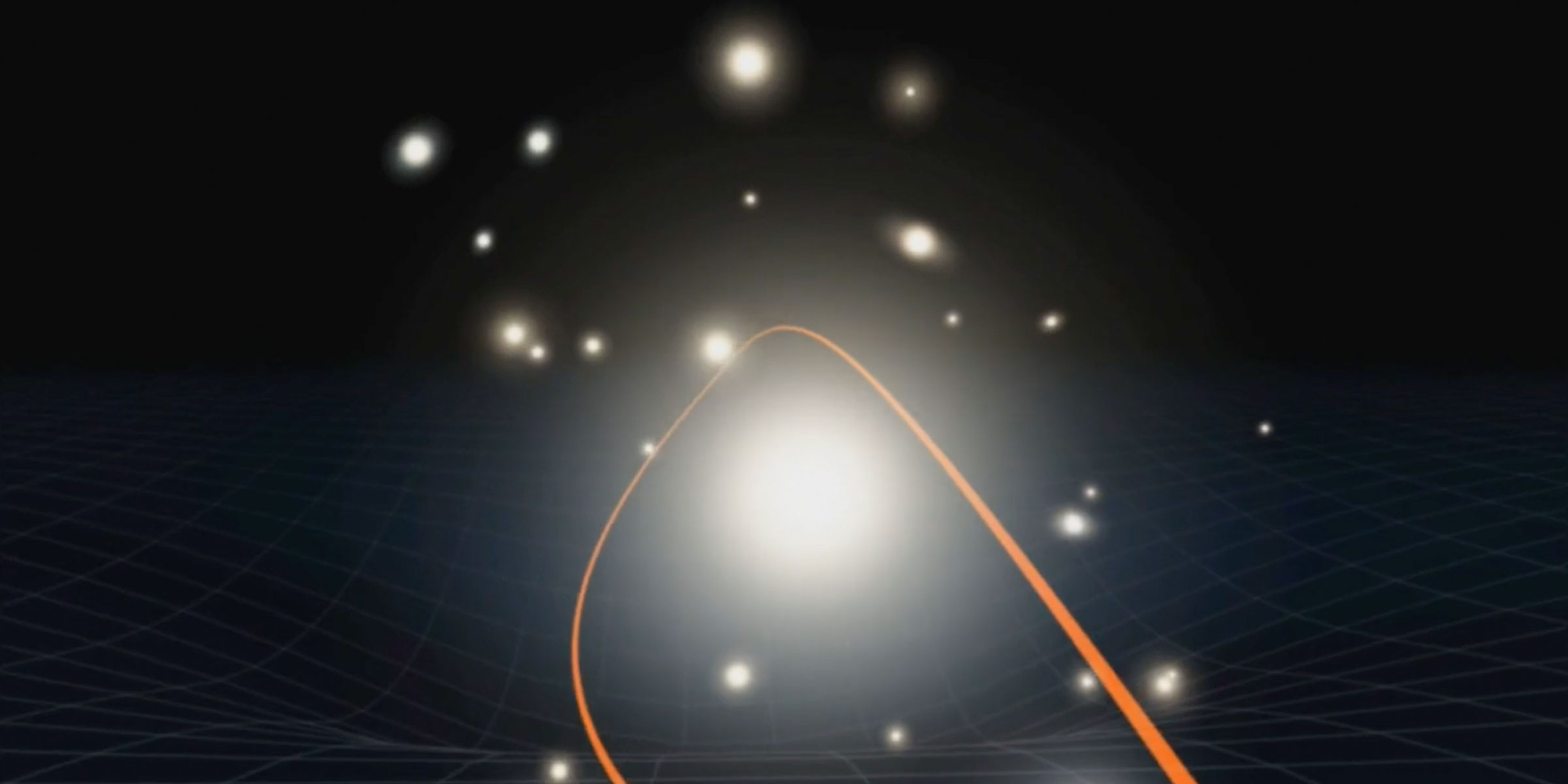
-
ViewSpace Videos: Infrared Light
VideosHelp viewers explore what infrared light is and how it helps us see more of the universe in these engaging videos. Are you interested in playing ViewSpace in your museum, library, or other informal learning...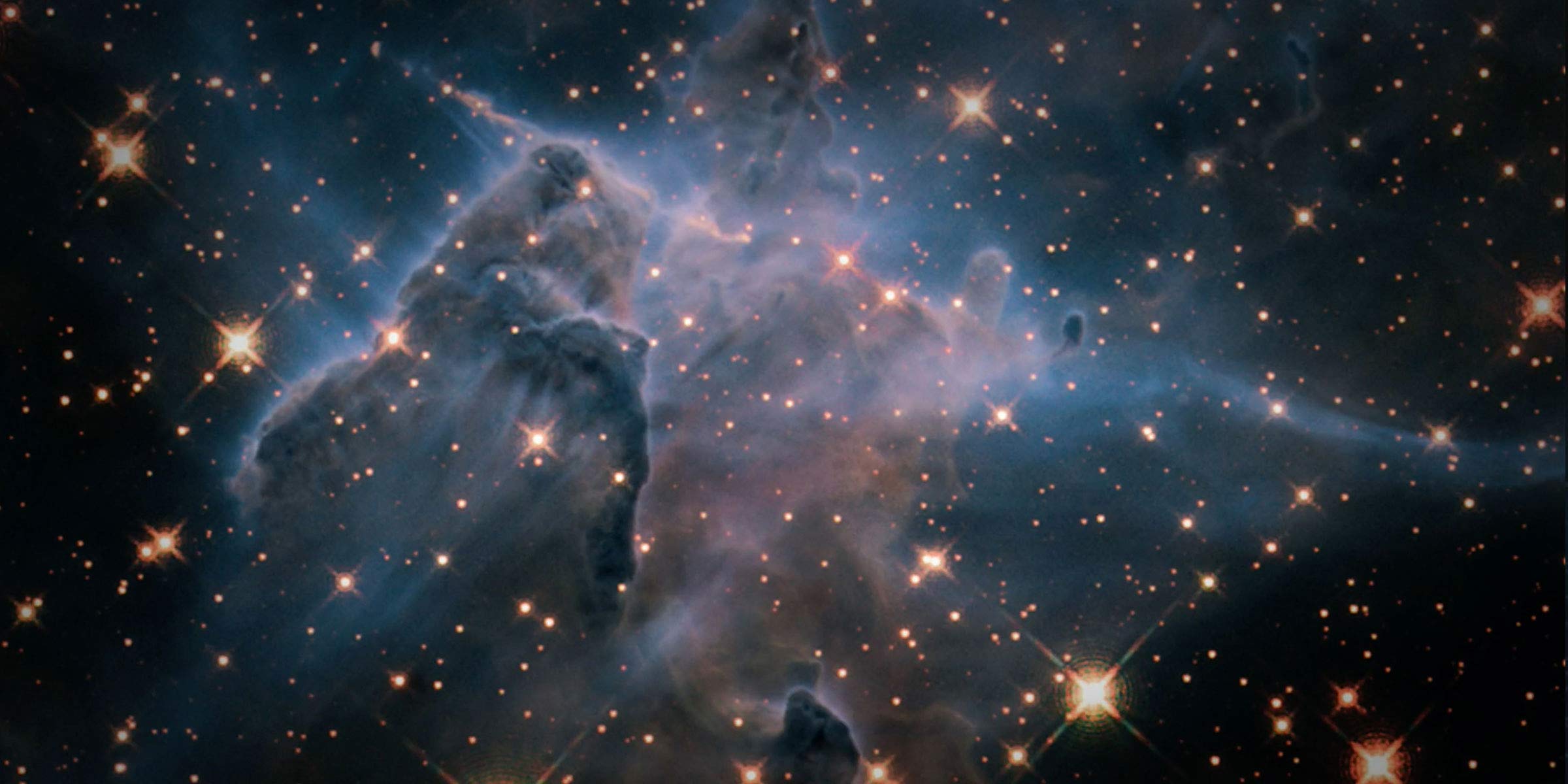
-
ViewSpace Videos: Stars
VideosExplore stars of all temperatures, masses, and types in these videos – from massive stars and nebulas to pulsating stars and light echoes. Also get an up-close look at our sun’s spectrum in...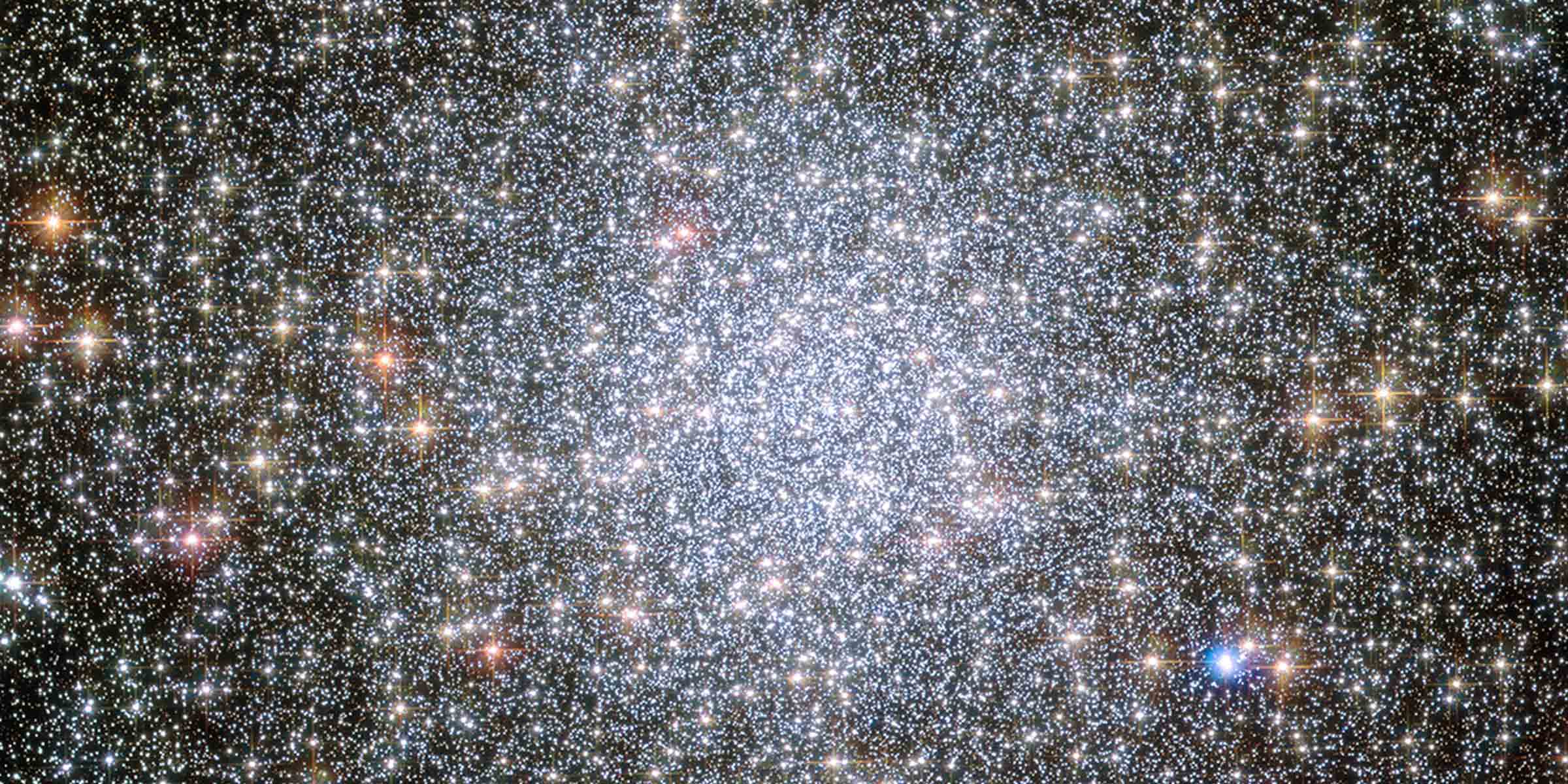
-
ViewSpace Videos: Galaxies
VideosExamine galaxies up close: These videos showcase stunning spiral, elliptical and irregular galaxies, show what various light reveals about certain targets, and link galaxies to larger structures like galaxy...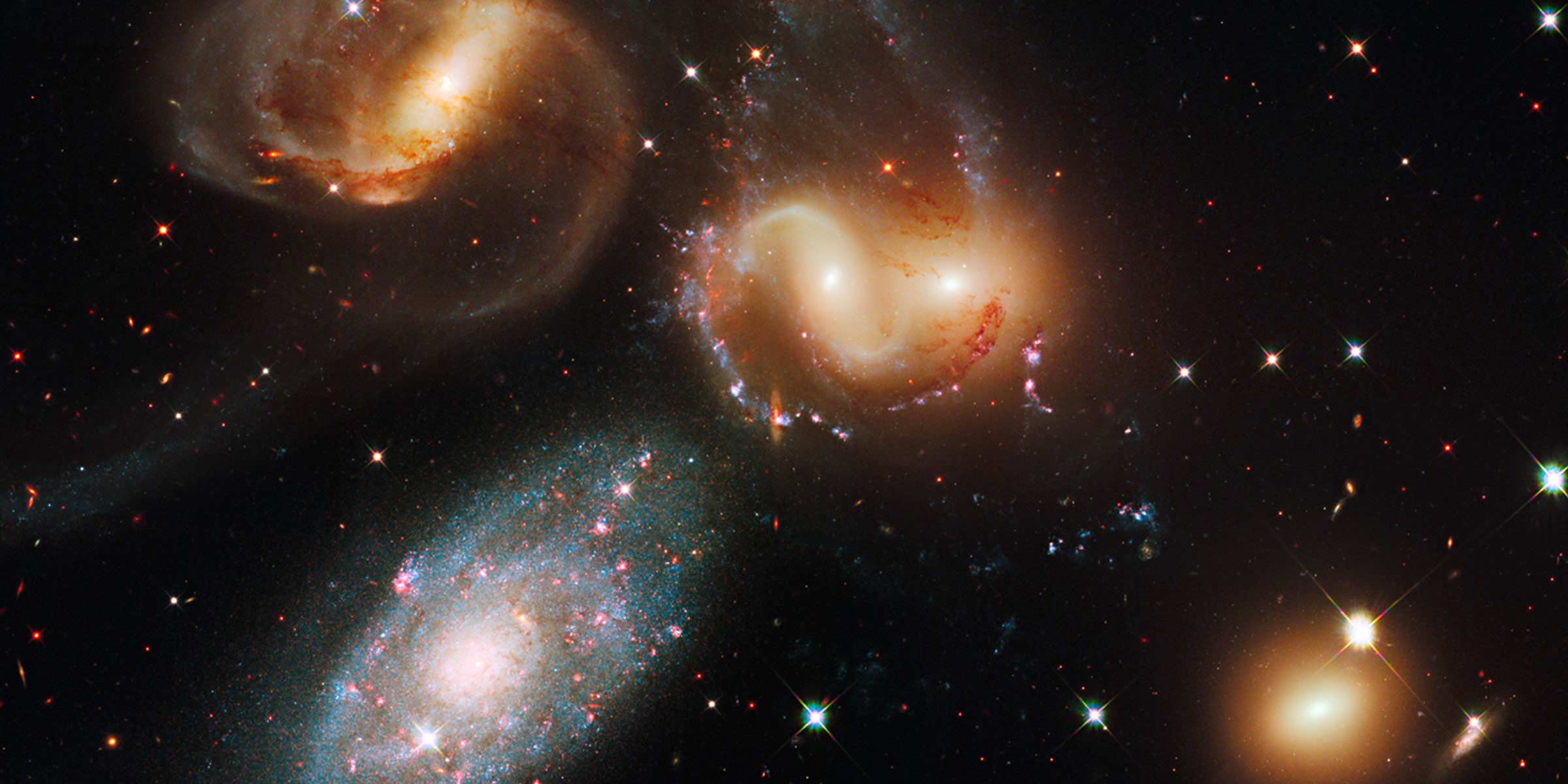
-
ViewSpace Interactives: Seeing Farther
InteractiveBy observing at the same area of the sky for extended periods, space-based telescopes have the ability to capture faint light that left distant objects in the universe billions of years ago, but is only... -
ViewSpace Videos: Life and Death of Stars
VideosMore than 50 videos look at the formation, evolution, and death of all types of stars. Tour images of star-forming regions, analyze individual stars across the electromagnetic spectrum, and learn why stars...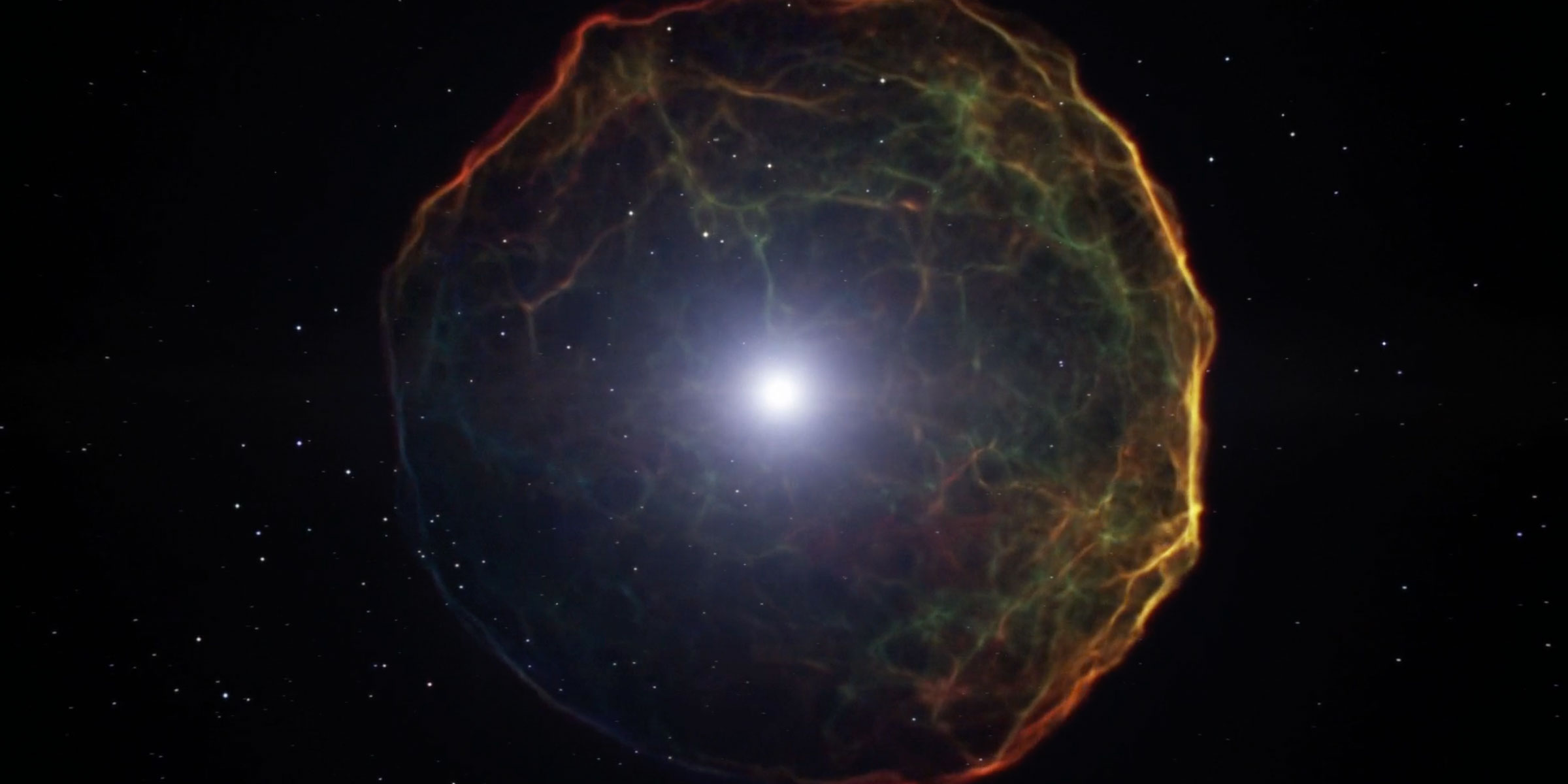
-
ViewSpace Interactives: Analyzing Light
InteractiveLight is packed with information! By using specialized instruments on telescopes, researchers can stretch light into a rainbow (known as a spectrum) to analyze its properties. Explore how scientists analyze... -
ViewSpace Videos: Visible Light
VideosWhat can we learn about the universe by examining it in visible light with space telescopes? View a range of galaxies to find out what visible light allows us to detect in these videos. Are you interested... -
ViewSpace Videos: Hubble Space Telescope
VideosOrbiting high above the Earth, NASA’s Hubble Space Telescope has a clear view of the universe free from the blurring and absorbing effects of the atmosphere, allowing the observatory to capture ultraviolet,...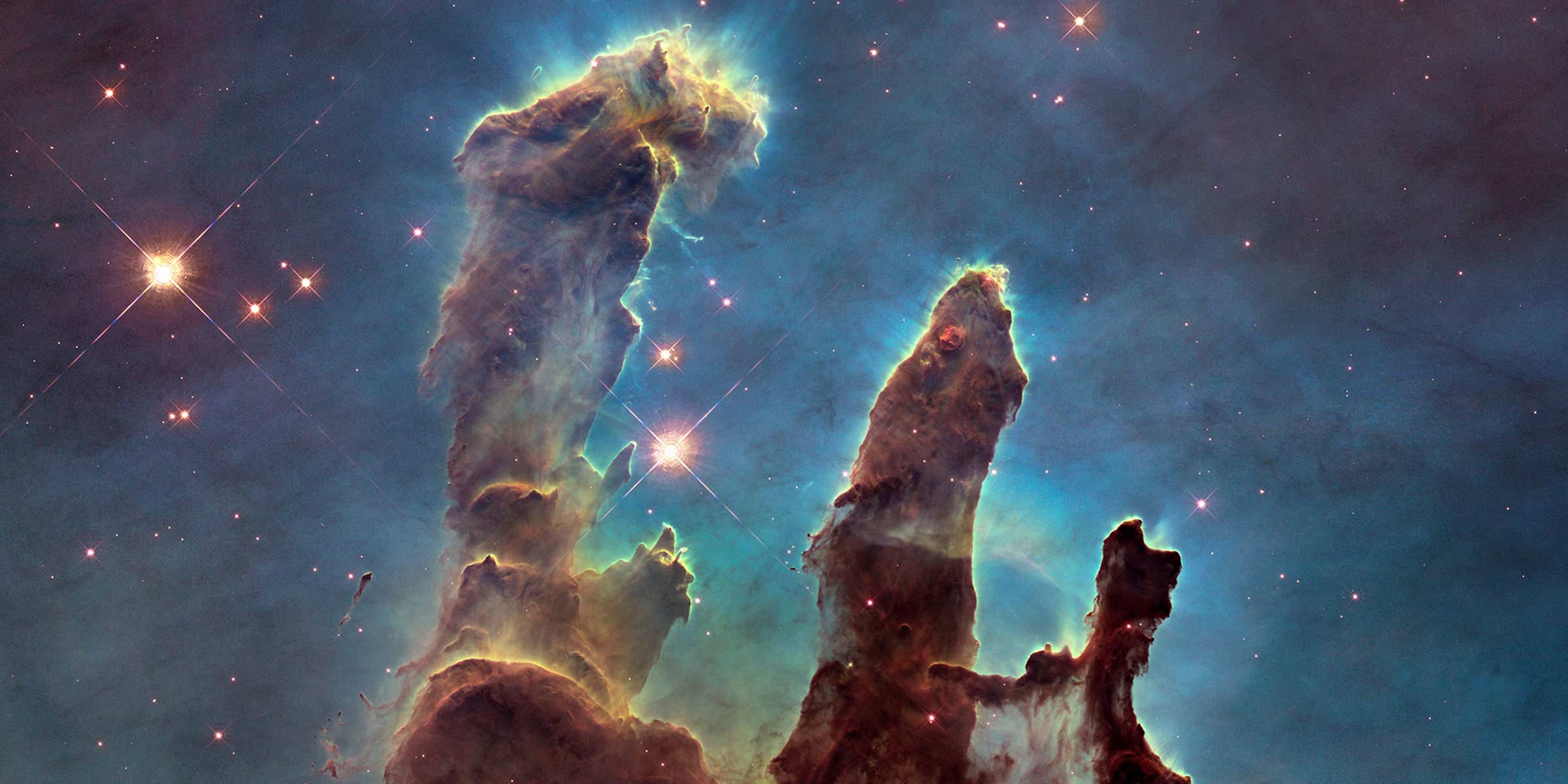
-
ViewSpace Videos: Other Solar Systems, Other Earths
VideosHow many planets are in other solar systems? Are their stars similar to the Sun? Explore a range of exoplanets and their systems in this video series! Are you interested in playing ViewSpace in your museum,...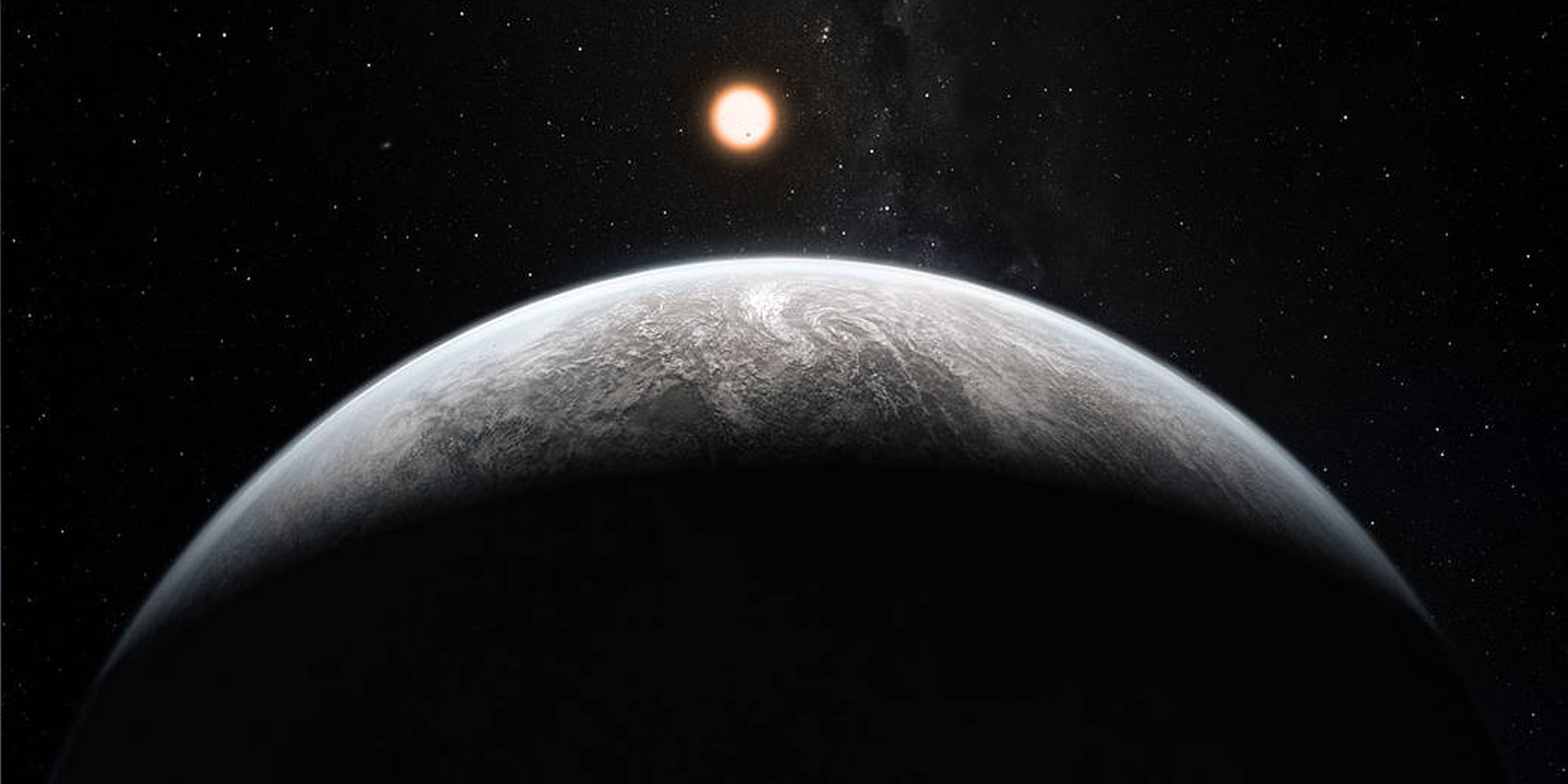
-
ViewSpace Videos: Space
VideosViewSpace videos tell the stories of planets, stars, galaxies, and the universe, giving viewers opportunities to experience space observed by satellites and telescopes. Explore more than 250 videos in...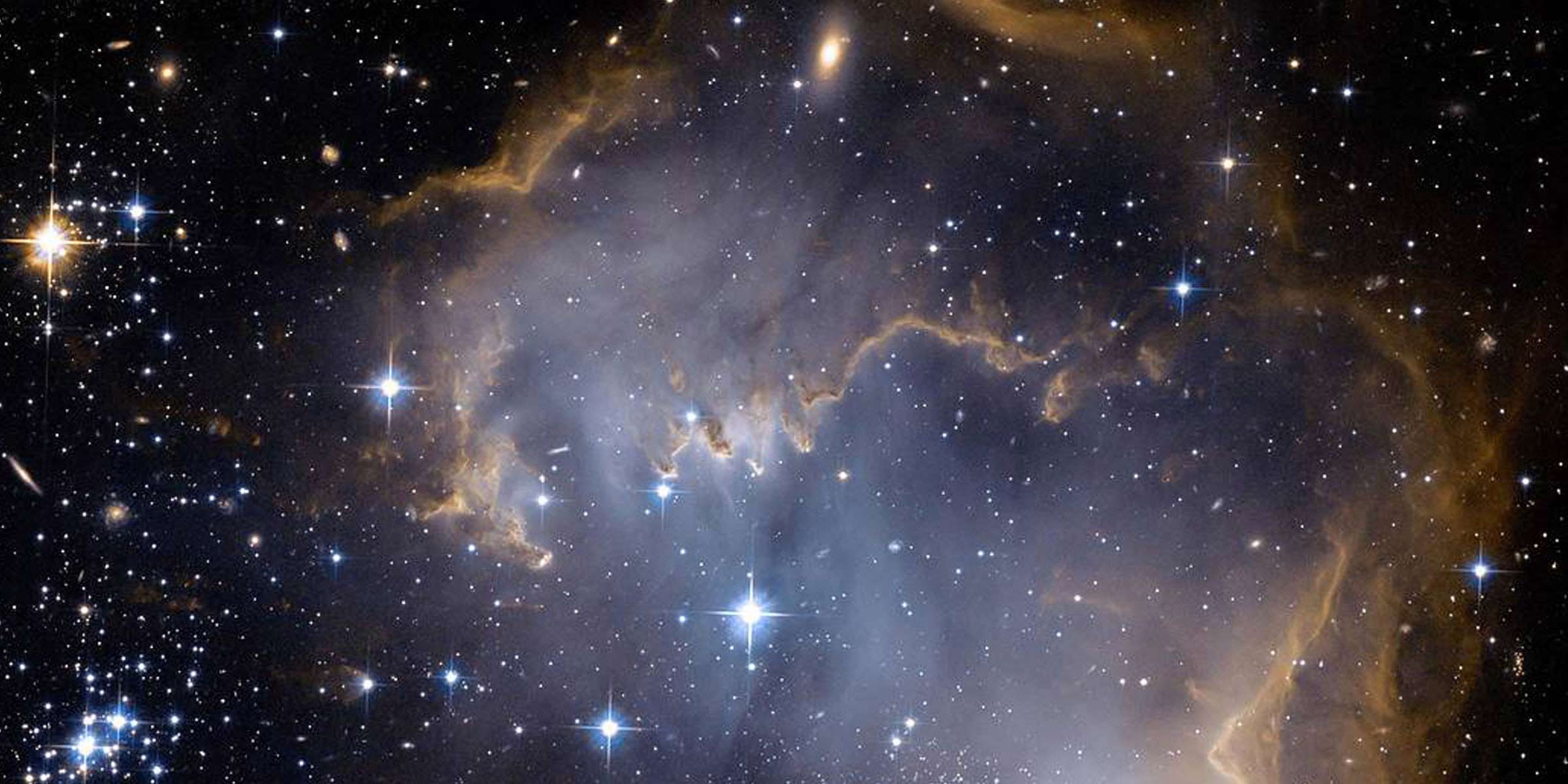
-
ViewSpace Interactives: Gathering Light
InteractiveIf you have ever used manual camera controls to photograph in low light, you know that the darker it is, the longer the exposure needs to be. Keeping the camera shutter open longer allows more light to... -
Pillars of Creation: Visible and Infrared Views (Frame Sets)
VideosThe Pillars of Creation (Eagle Nebula, or Messier 16) are a stellar nursery, composed of gas and dust slowly eaten away by massive stars that are off the far to the upper right corner of this image. The...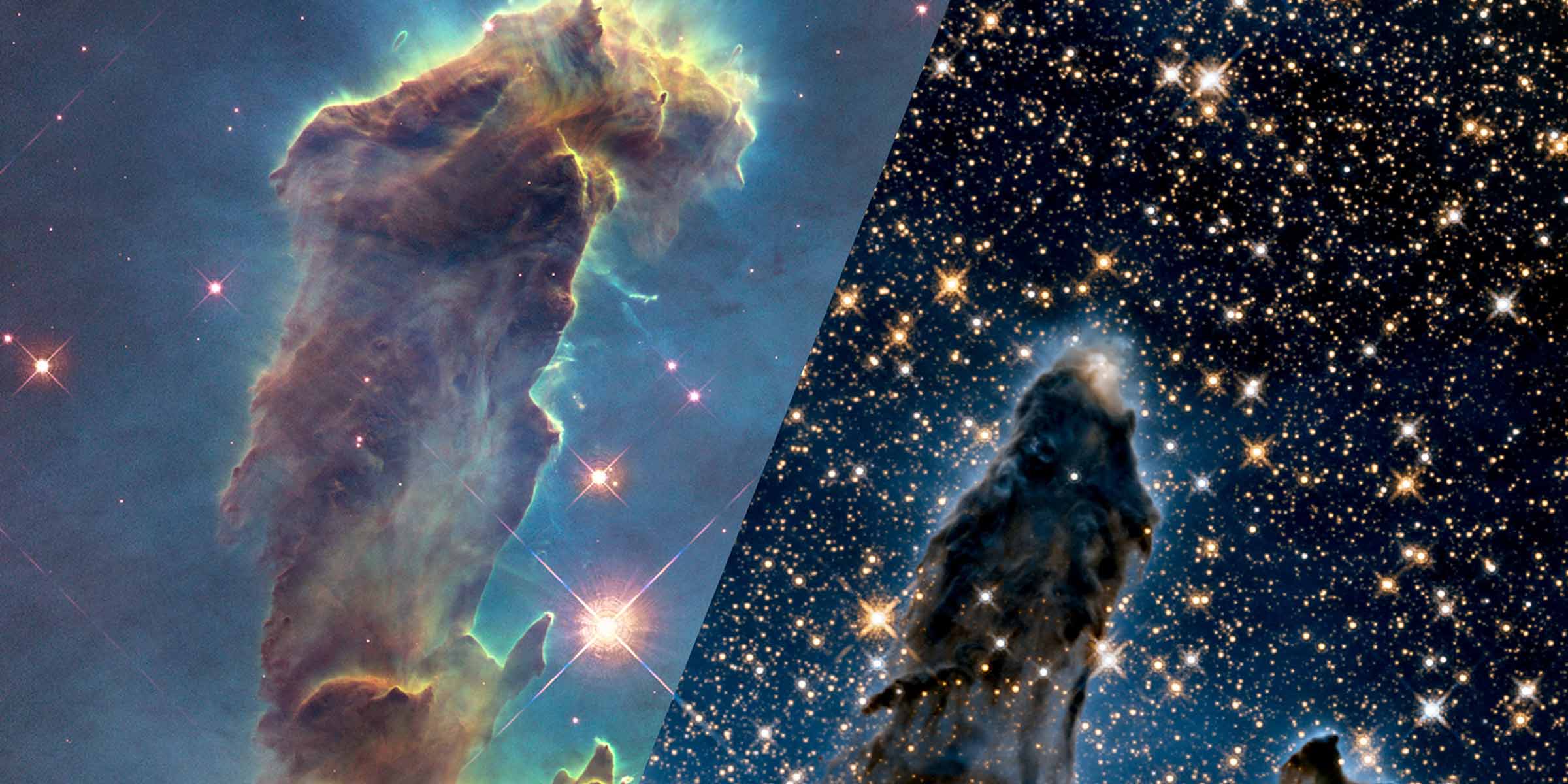
-
Helix Nebula: Ultraviolet, Visible, and Infrared Views (Frame Sets)
VideosStars like our Sun end their lives by casting off their outer layers, briefly forming a spectacular planetary nebula like the Helix Nebula. In visible light, we see the glow of hot gases illuminated by...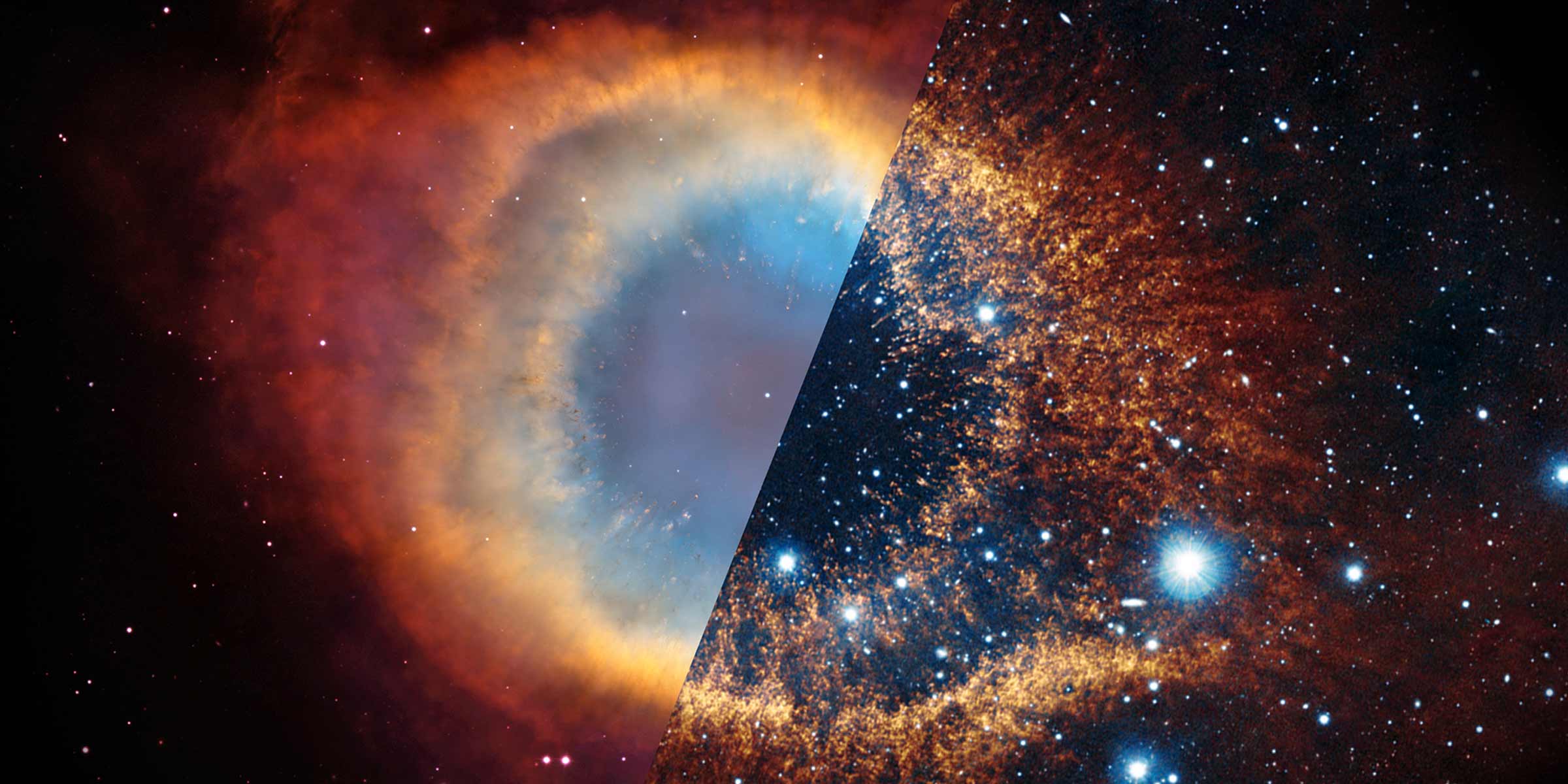
-
Sombrero Galaxy: Visible and Infrared Views (Frame Sets)
VideosThe Sombrero Galaxy has a distinctive ring of dust that circles a smooth bulge of stars. The galaxy's dust and inner flat disk are very clear in the infrared. The Sombrero Galaxy may be a spiral galaxy...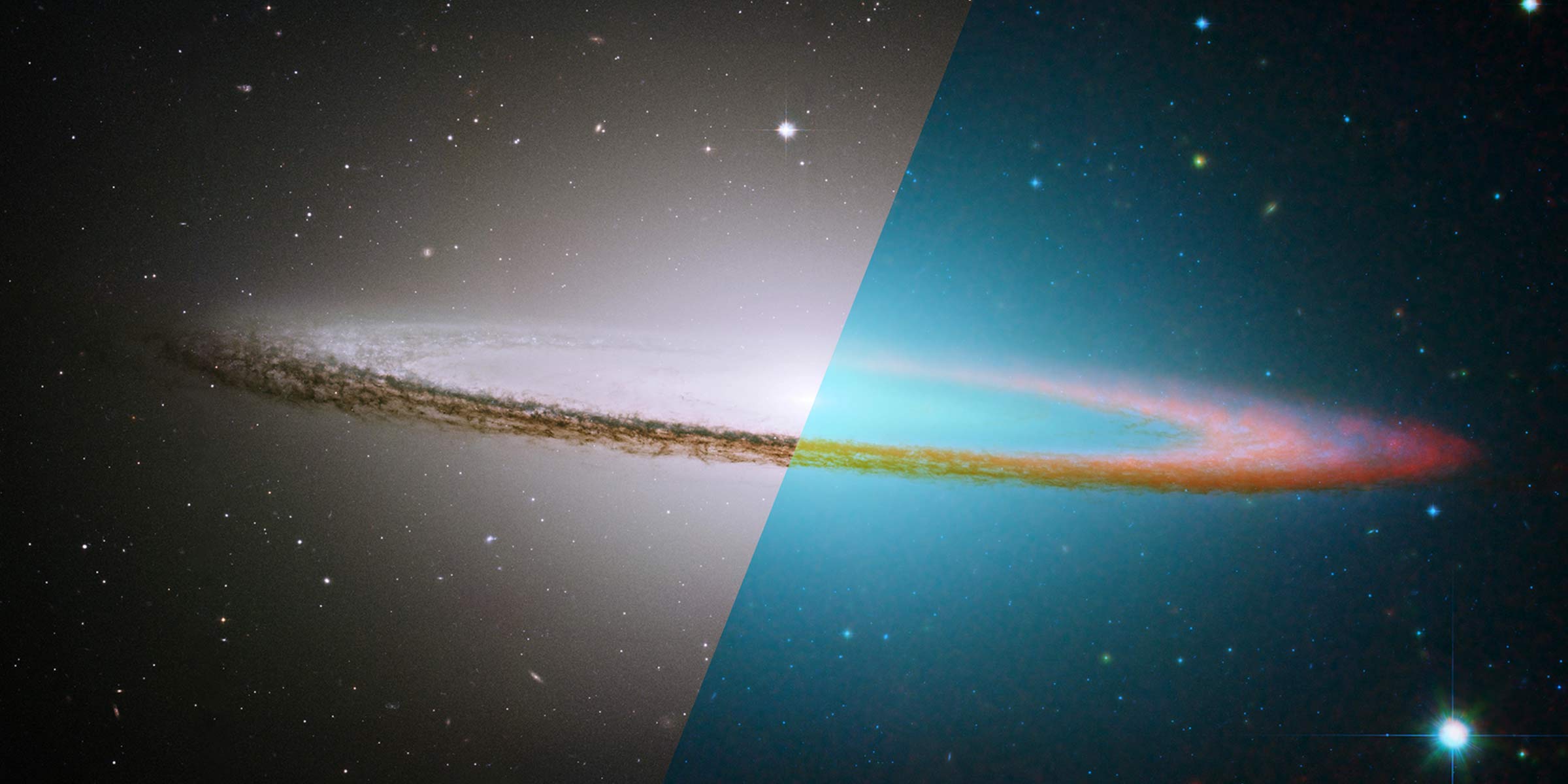
-
Eyes on Exoplanets
Activities | App | Exhibits | Interactive | Software | WebsiteGet set for launch! Eyes on Exoplanets will fly you to any planet you wish – as long as it's far beyond our Solar System. This fully rendered 3D universe is scientifically accurate, allowing... -
ViewSpace Interactives: Forms of Light
InteractiveHuman eyes have evolved to detect the rainbow of colors that make up visible light – but it is only one form of light. There are other types of electromagnetic radiation that human eyes cannot see.... -
The Cigar Galaxy (M82): Visible, Infrared, and X-ray Views (Frame Sets)
VideosMessier 82, or the Cigar Galaxy, is an edge-on spiral undergoing a massive burst of star formation in its core. Many thousands of stars, and their surrounding gas and dust, have been stirred up. These...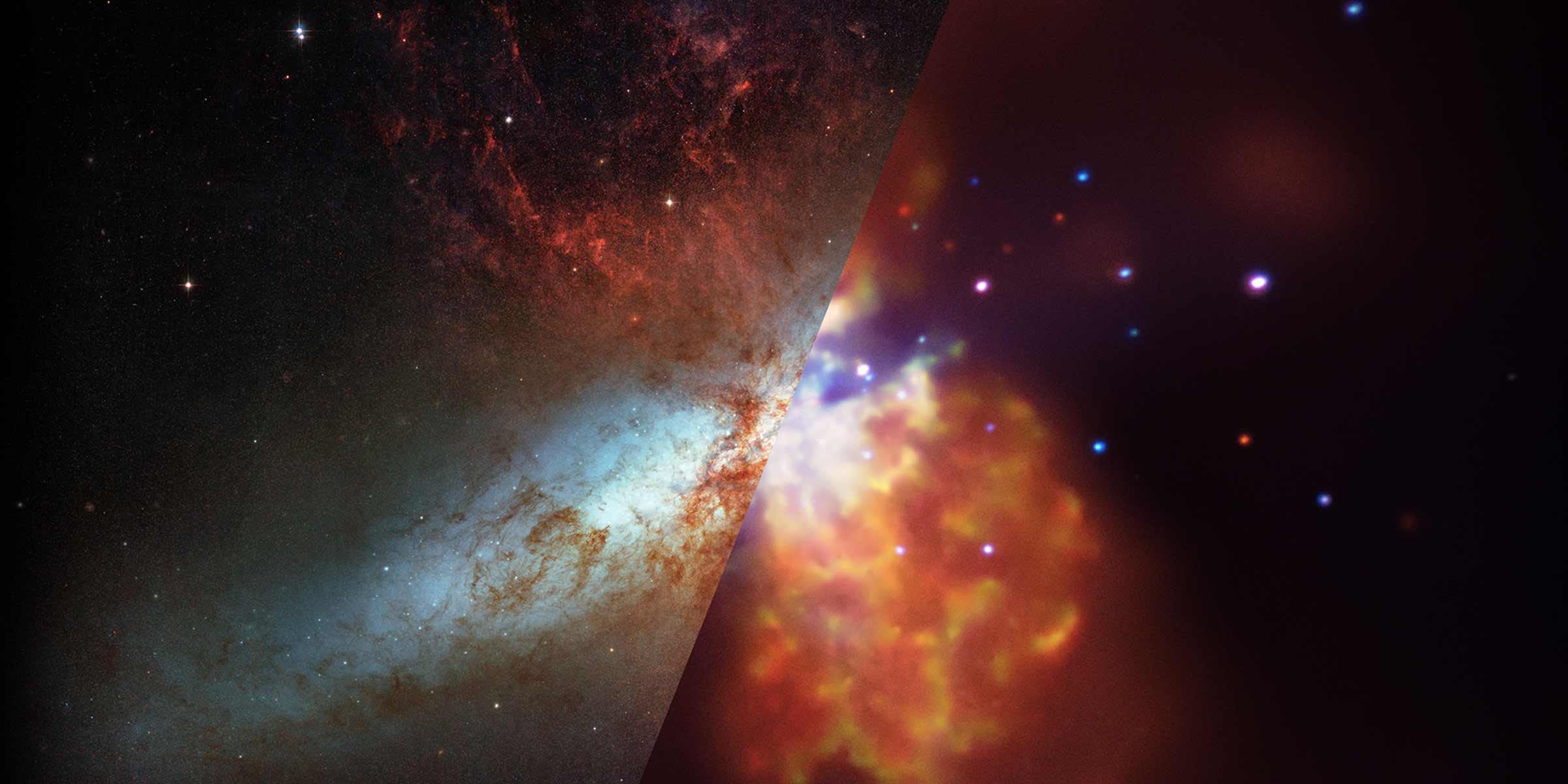
-
Visions of the Universe Exhibit
ExhibitsVisions of the Universe: Four Centuries of Discovery portrays our changing views of the universe through time with images and text. The exhibit includes 12 panels that feature key astronomical discoveries...
-
ViewSpace Interactives: Exoplanet Variety
InteractiveResearchers have detected thousands of planets orbiting stars other than the Sun. The data show that these planets are even more varied than the planets and moons in our solar system. They range from small... -
Milky Way Center in Multiple Wavelengths (Frame Sets)
VideosOur Solar System and Sun are located inside a pancake-shaped galaxy. Imagine a scale model where the plane of the Milky Way is a DVD, and the central bulge is a ping pong ball glued in the center. It is...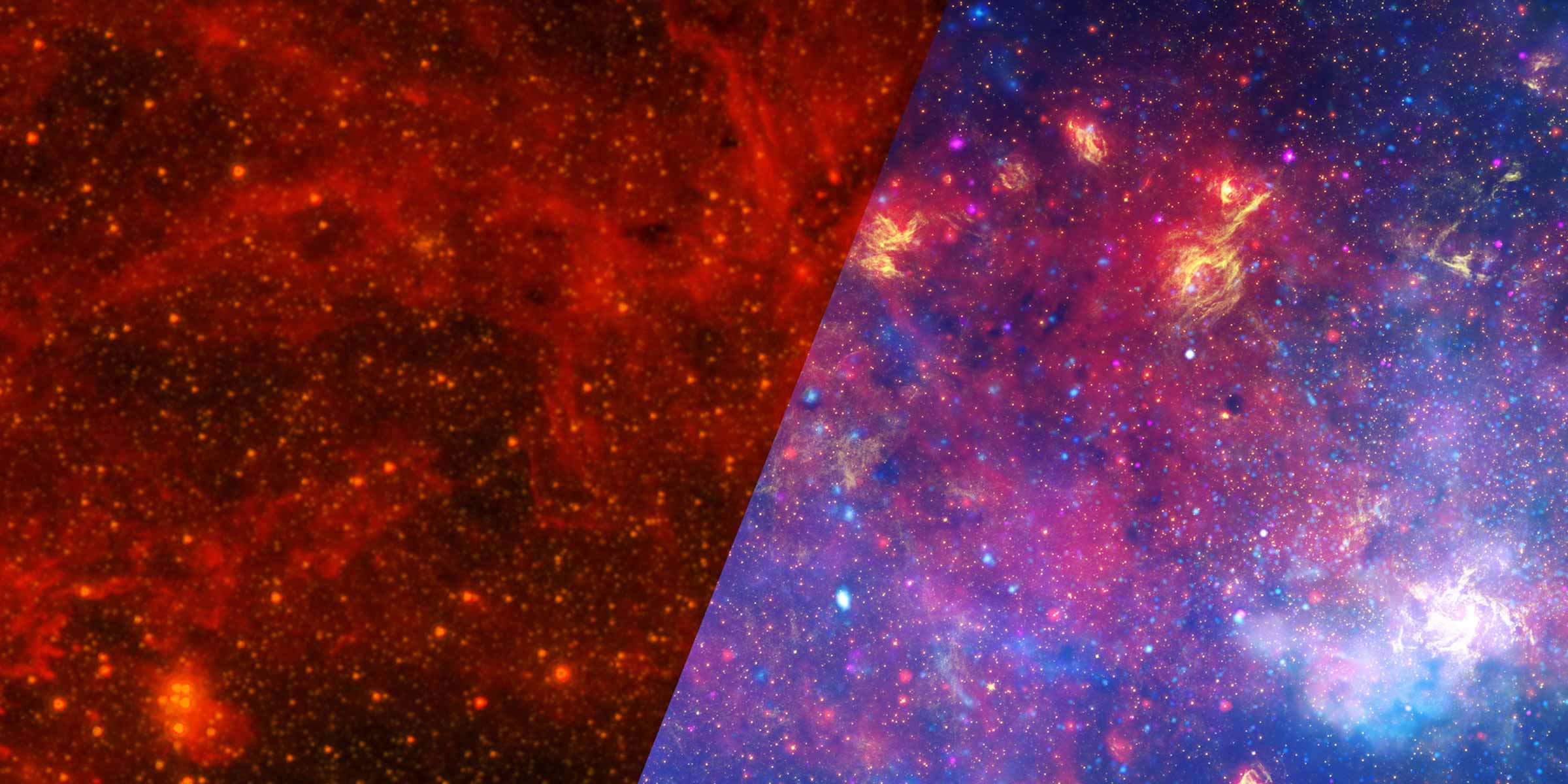
-
Kepler Supernova Remnant in Multiple Wavelengths (Frame Sets)
VideosIn 1604, astronomer Johannes Kepler noted the appearance of a new bright object in the sky, visible to the naked eye for the next 18 months. Today we know that he was seeing the death of a star 20,000...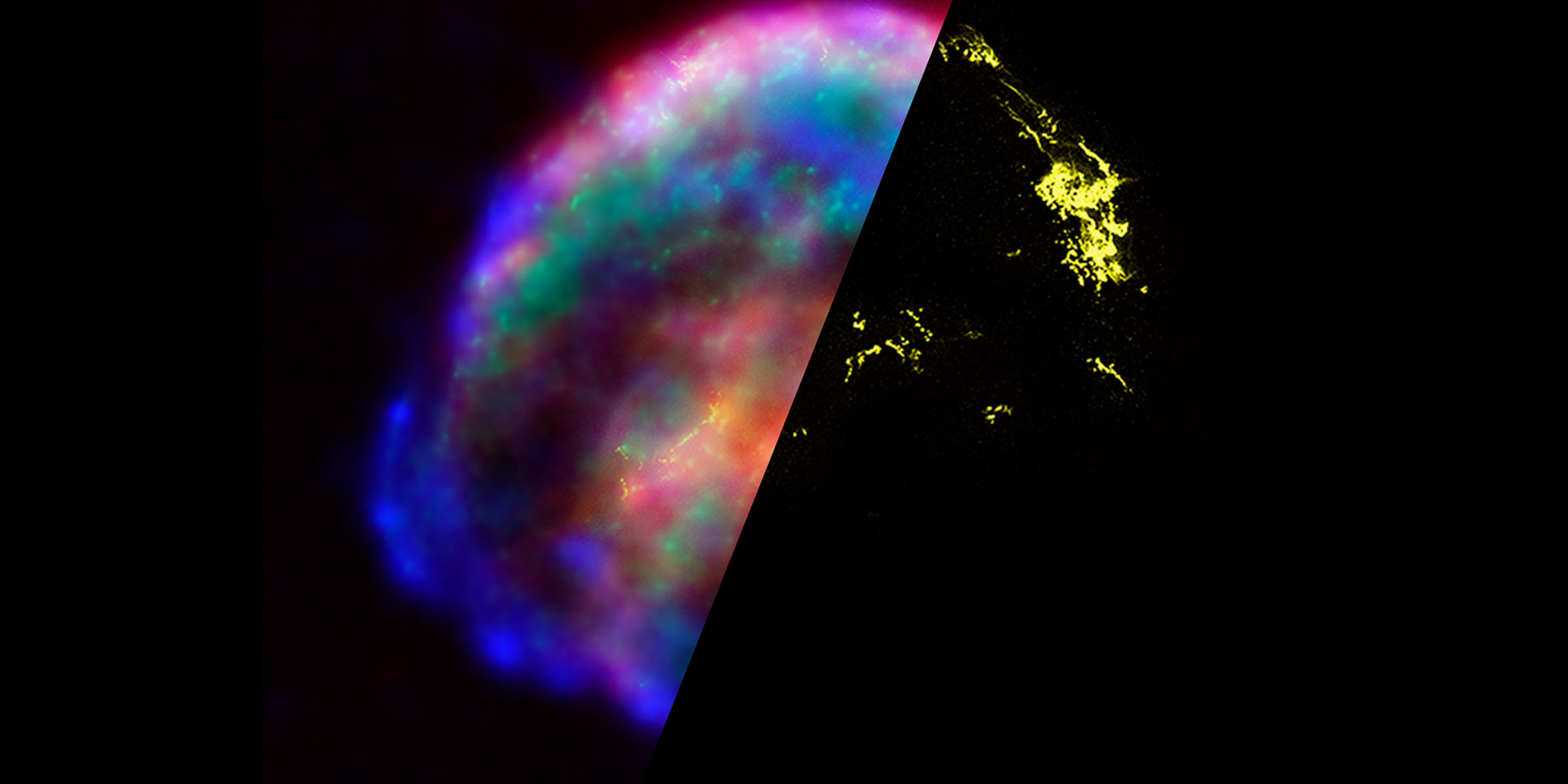
-
Flight Through the Orion Nebula in Visible Light (Dome Version)
VideosThis version of "Flight Through the Orion Nebula in Visible Light" has been rendered onto a hemispherical format (azimuthal equidistant projection) for use in planetarium domes. The black circular...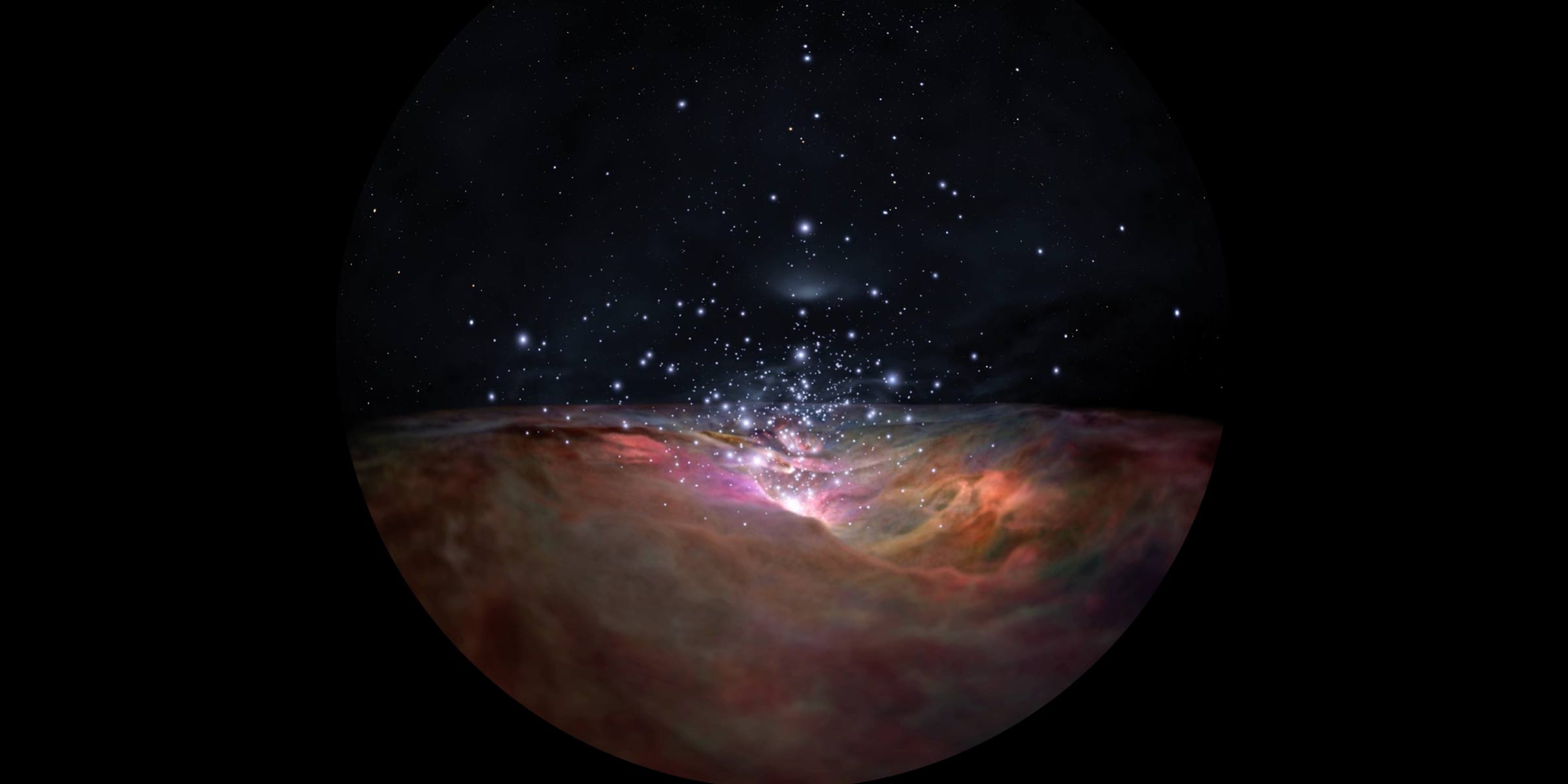
-
Flight Through the Orion Nebula in Visible and Infrared Light (Dome Version)
VideosThis version of "Flight Through the Orion Nebula in Visible and Infrared Light" has been rendered onto a hemispherical format (azimuthal equidistant projection) for use in planetarium domes....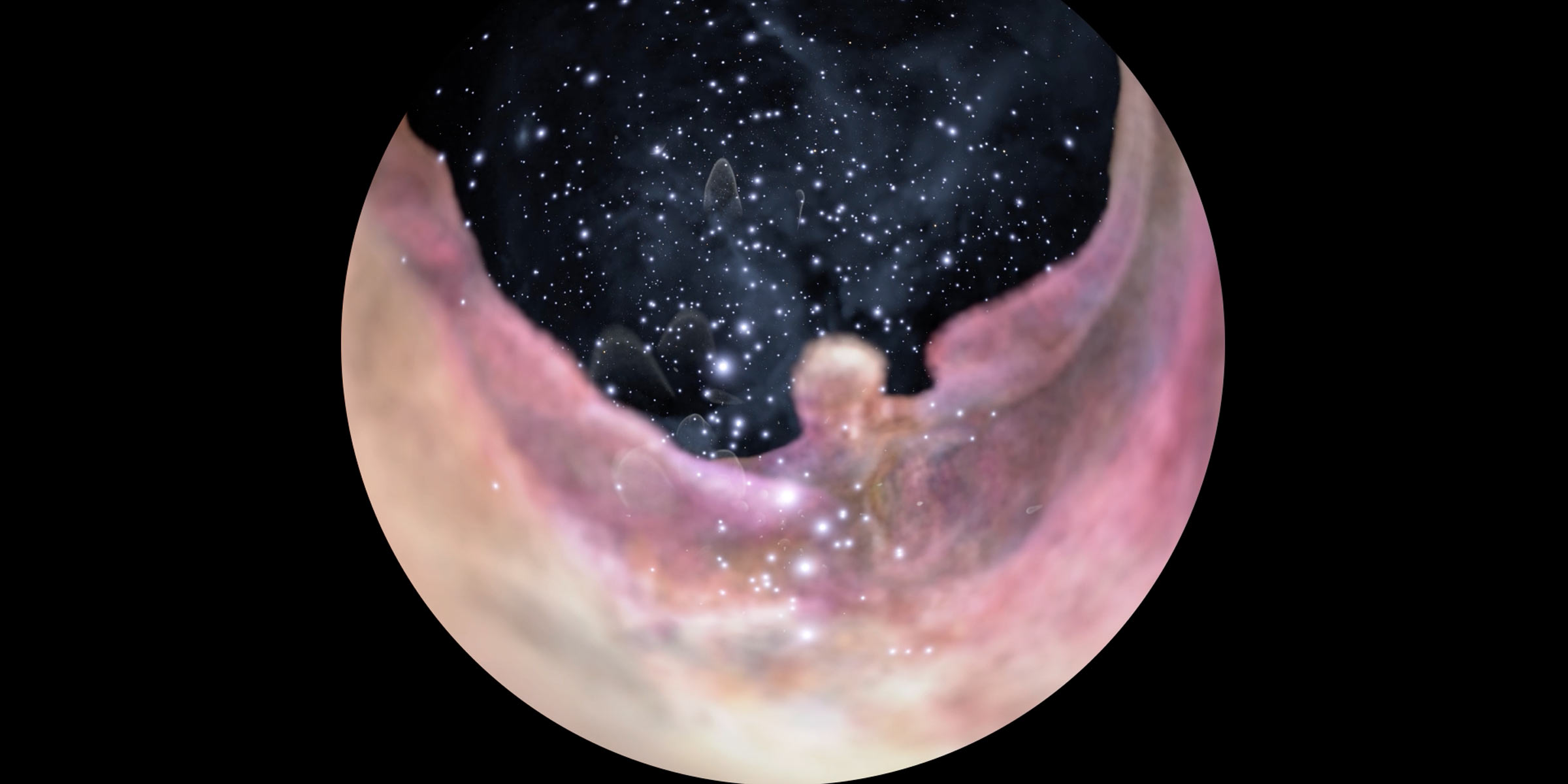
-
Flight Through the Orion Nebula in Infrared Light (Dome Version)
VideosThis version of "Flight Through the Orion Nebula in Infrared Light" has been rendered onto a hemispherical format (azimuthal equidistant projection) for use in planetarium domes. The black circular...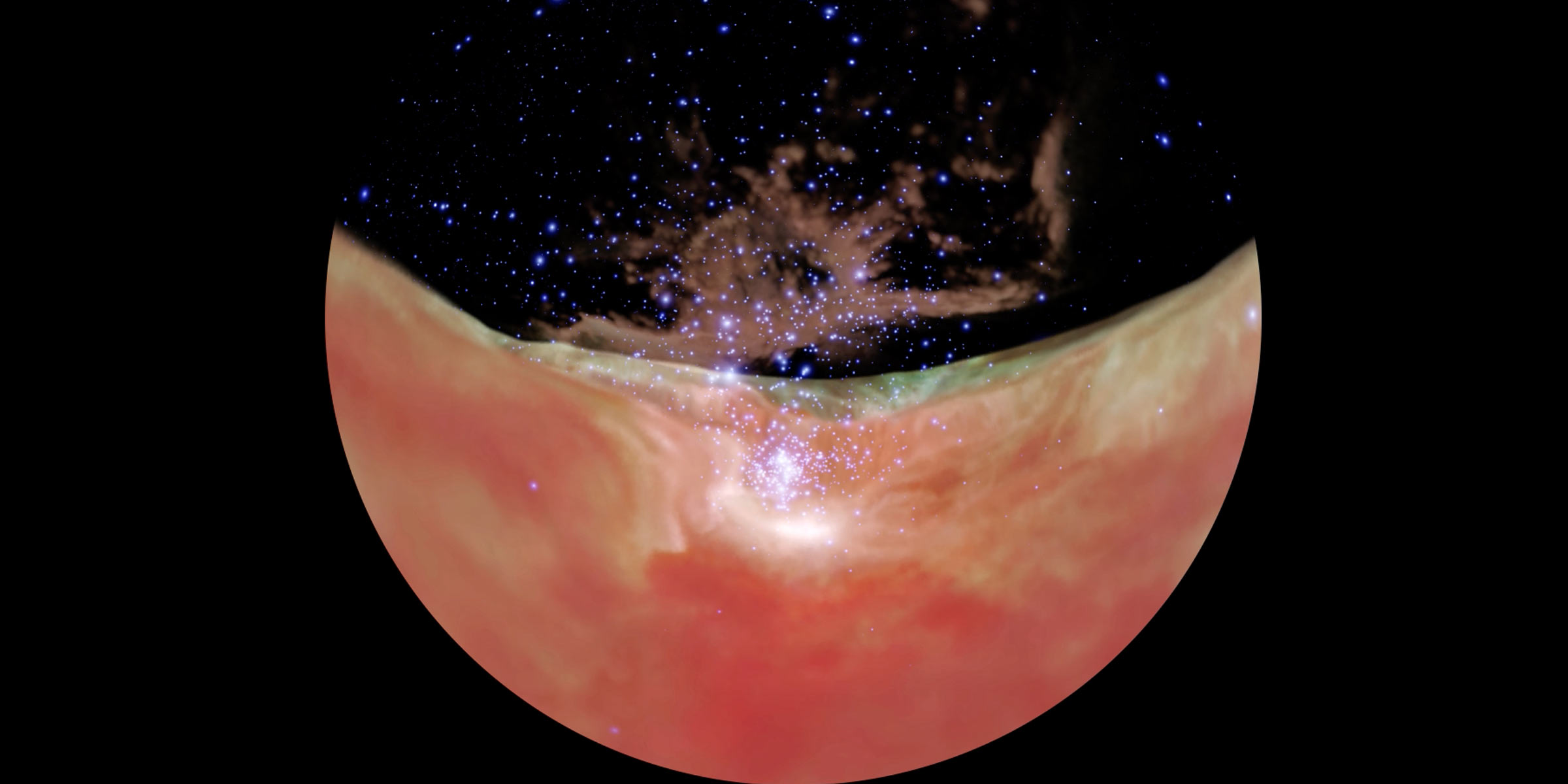
-
Pinwheel Galaxy (M101): Visible, Infrared, and X-ray Views (Frame Sets)
VideosM101 is a comparable in size to the Milky Way. The disk is 100 billion solar masses, and the central bulge is about 3 billion solar masses. M101 is rich is pinkish star-forming regions, many of which are...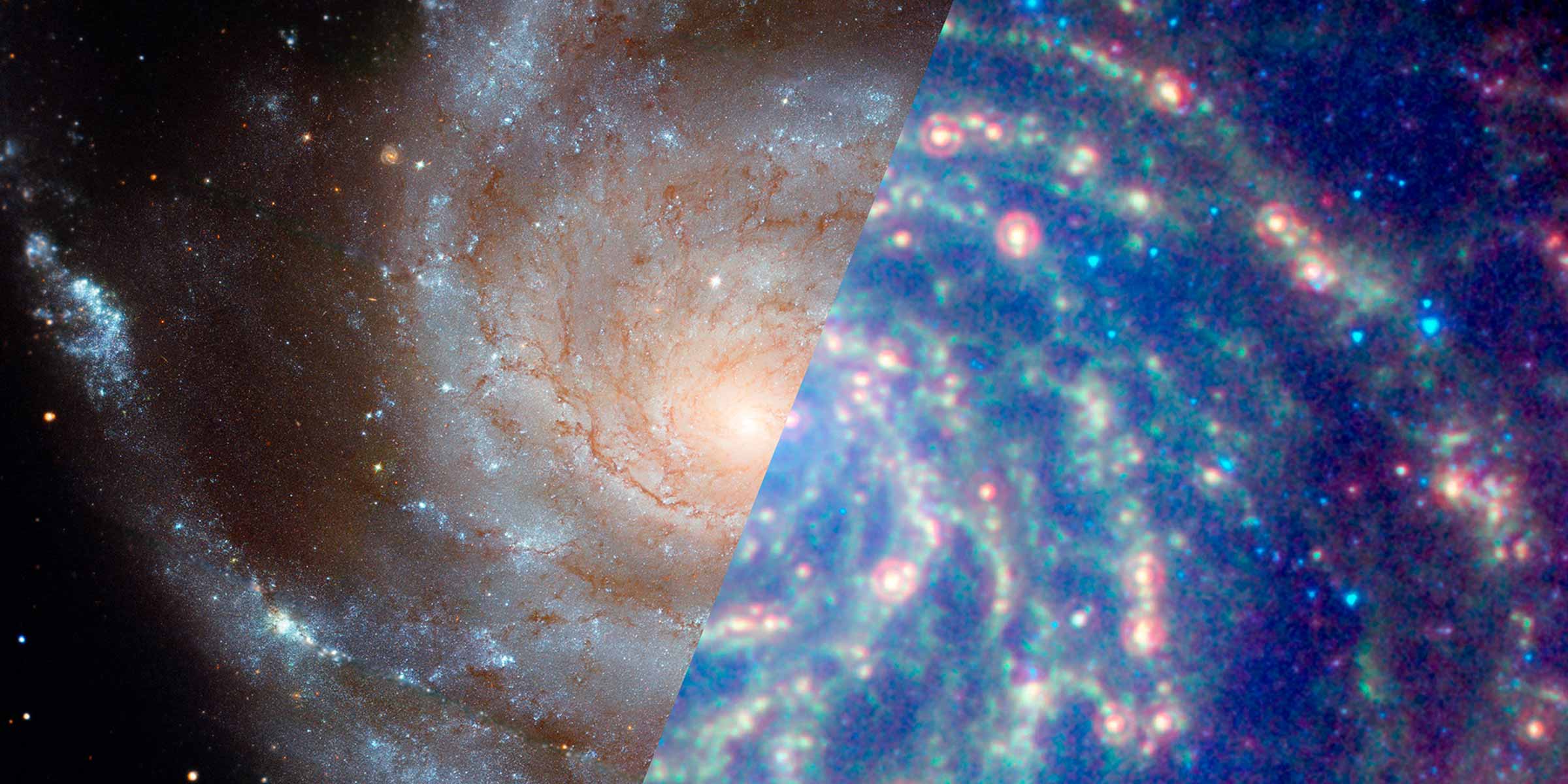
-
ViewSpace Interactives: Detecting Other Worlds
InteractiveScientists have detected thousands of exoplanets: planets orbiting stars other than the Sun. We have seen only a few exoplanets directly, but we can detect them by measuring the effects they have on the... -
30 Doradus: A Massive Star-Forming Region (Frame Sets)
Videos30 Doradus (the Tarantula Nebula) is a very bright and active star-forming region outside the Milky Way galaxy, at 160,000 light-years away. 30 Doradus is home to the central star cluster NGC 2070, including...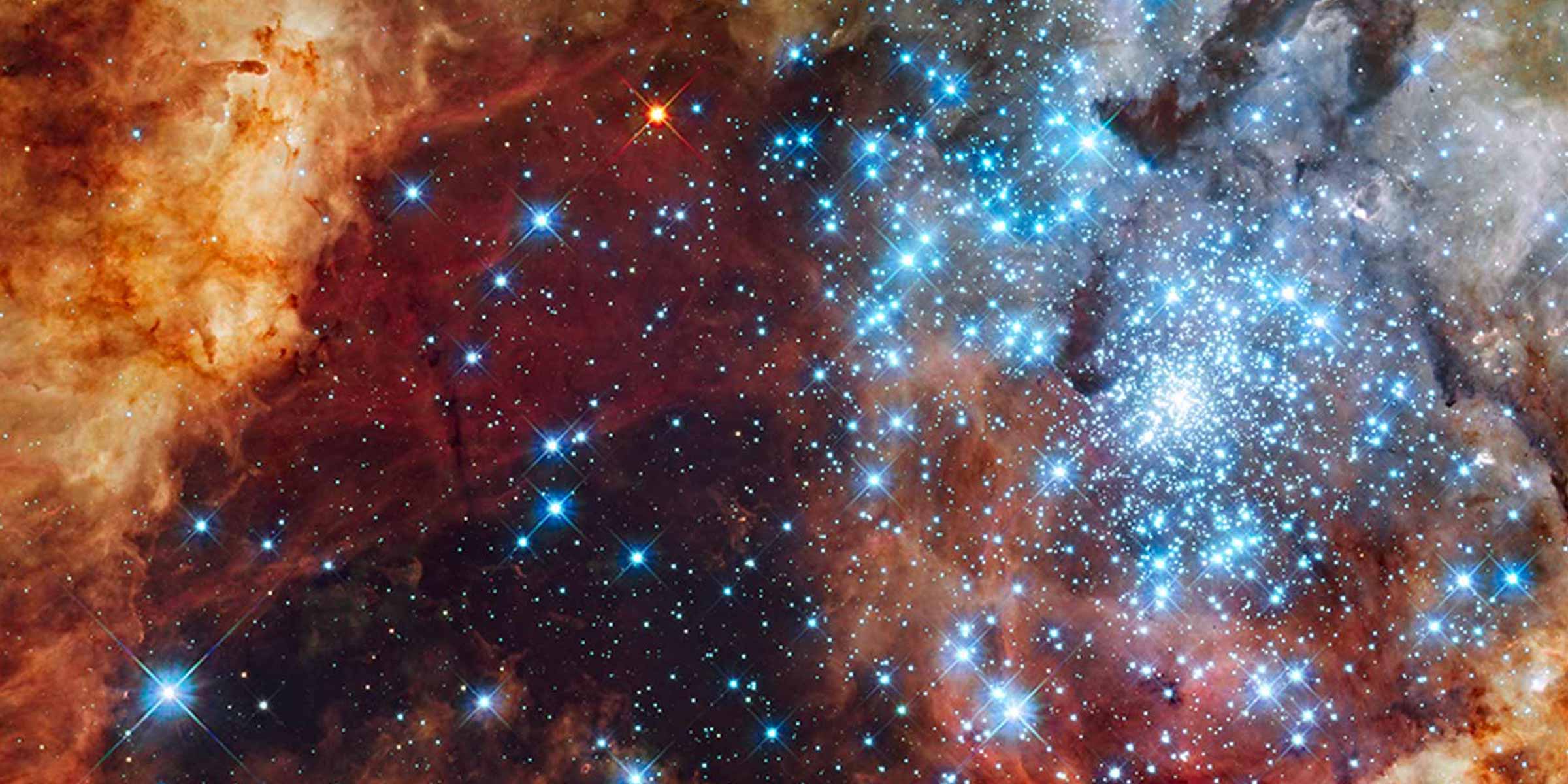
-
Celestial Lightsabers: Stellar Jets in HH 24 (Frame Sets)
VideosHerbig-Haro objects showcase the long thin jets of emission that emanate from newborn stars. This sequence combines a two-dimensional zoom and a three-dimensional flight to explore Hubble’s striking...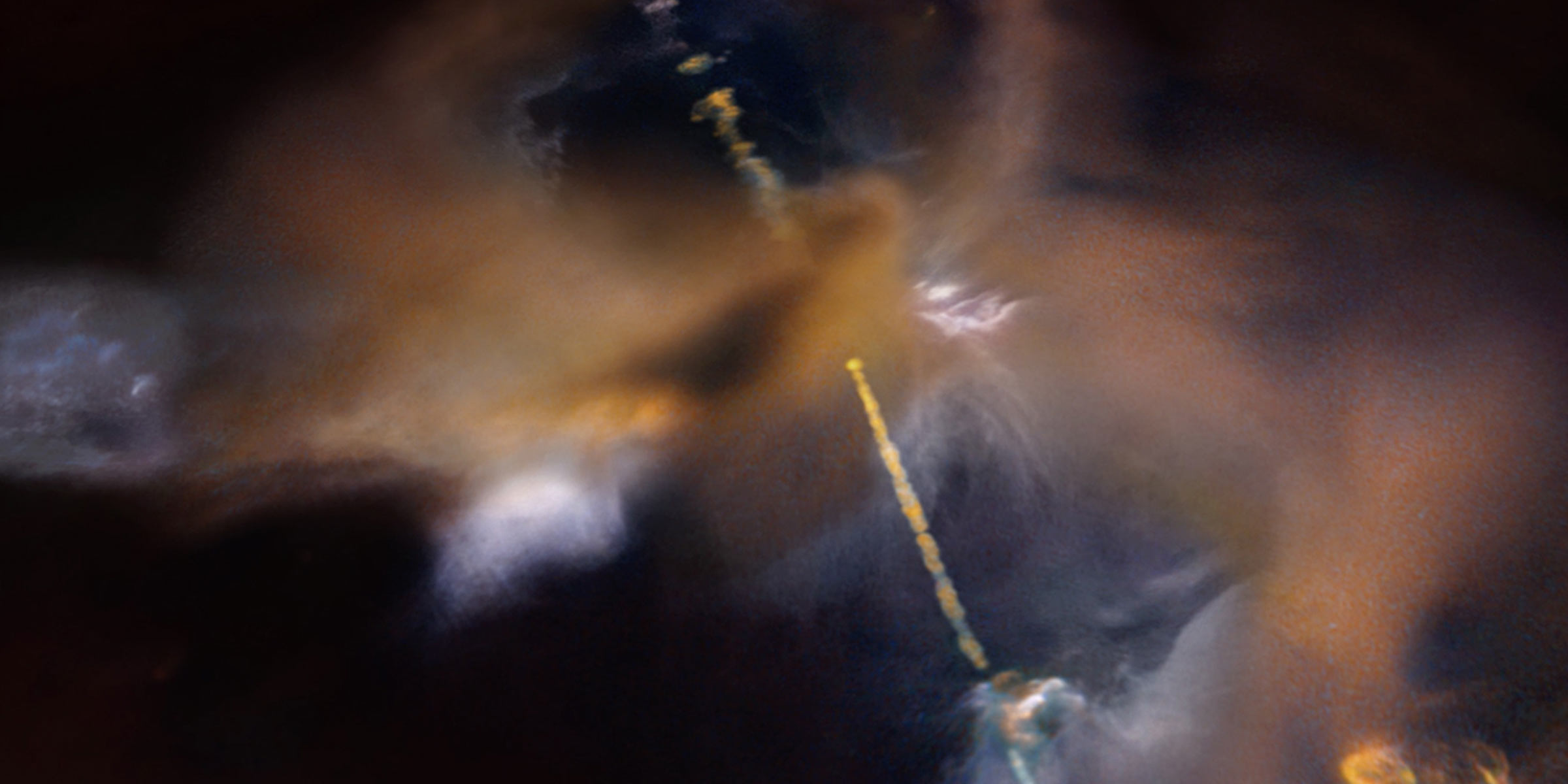
-
A Galactic Smash Hit: Galaxy Collision Simulation (Frame Sets)
VideosIn this visualization of a computer simulation, two spiral galaxies are set on a collision course. As one slices through the other, both are disrupted. The tidal forces of gravity produce long tails of...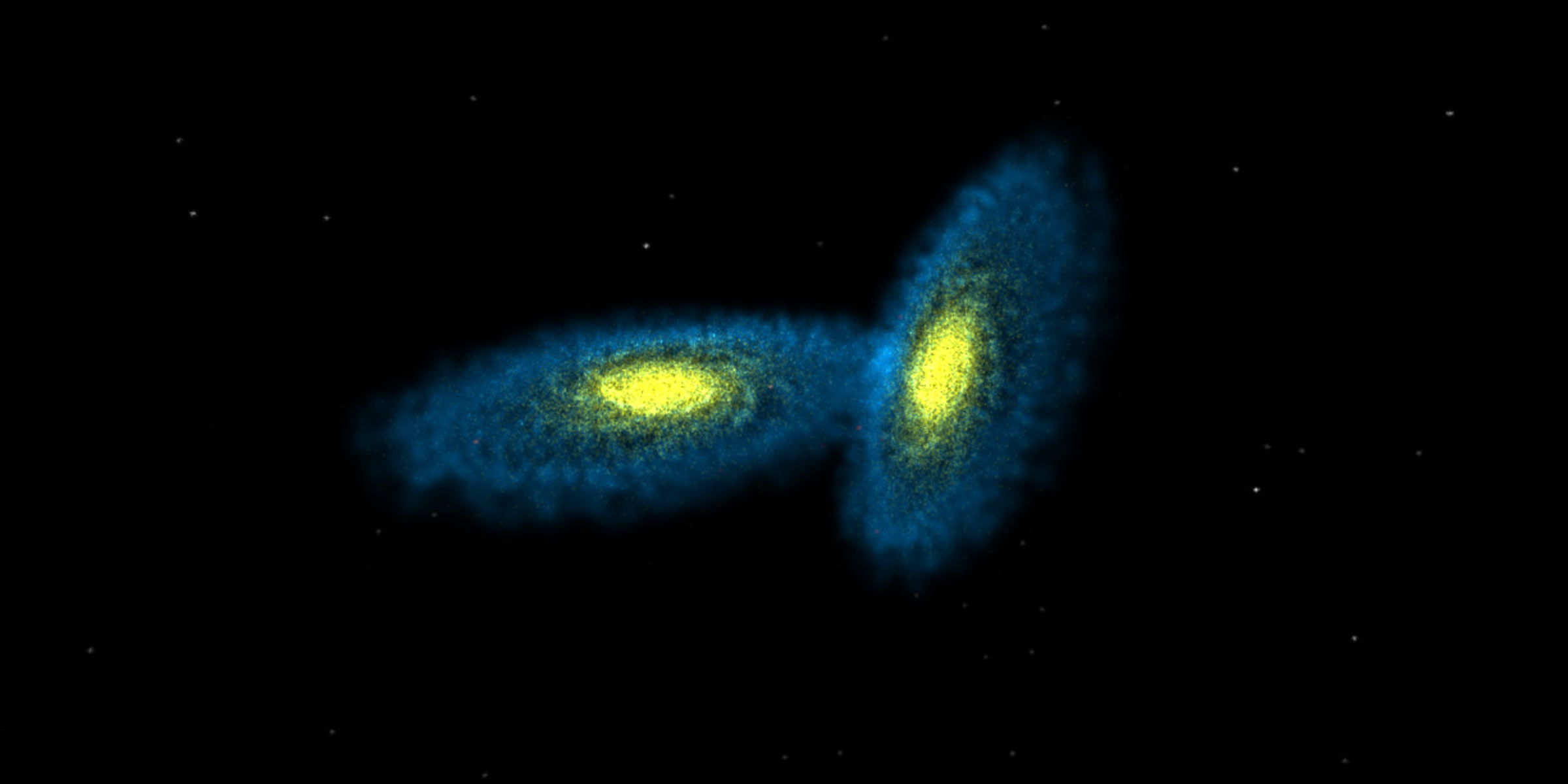
-
The Orion Nebula: Infrared and Visible Views (Frame Sets)
VideosThis sequence uses infrared (Spitzer) and visible (Hubble) images to reveal the formation of stars within a large cloud of hydrogen gas and dust. The warm gas lights up in the infrared view, appearing...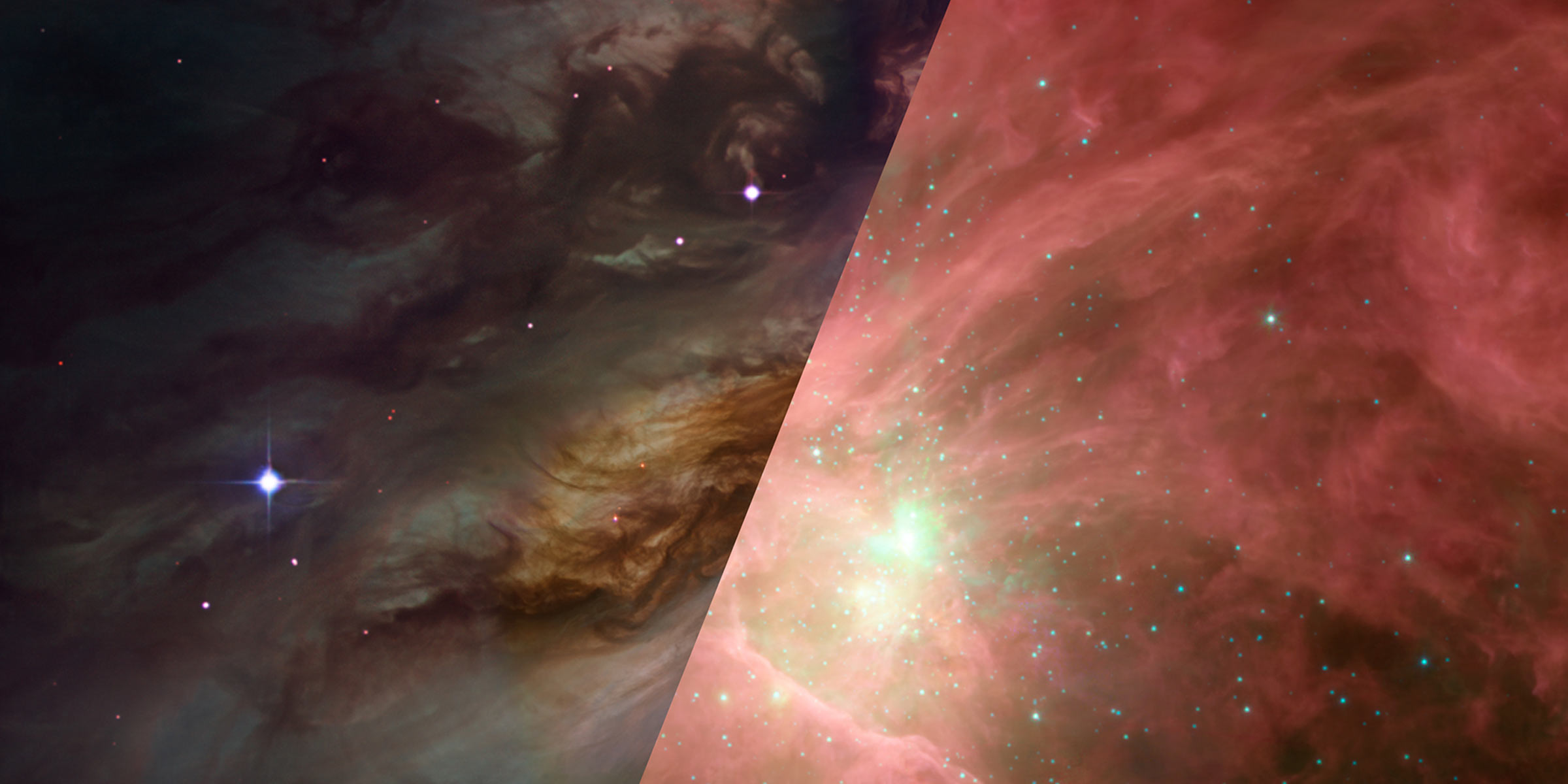
-
The Bubble Nebula: Winds and Radiation from a Massive Star (Frame Sets)
VideosThis visualization of the Bubble Nebula begins with a ground-based view that encompasses the glowing cloud. The high-energy light from the massive O star, BD +60°2522, is responsible for ionizing the...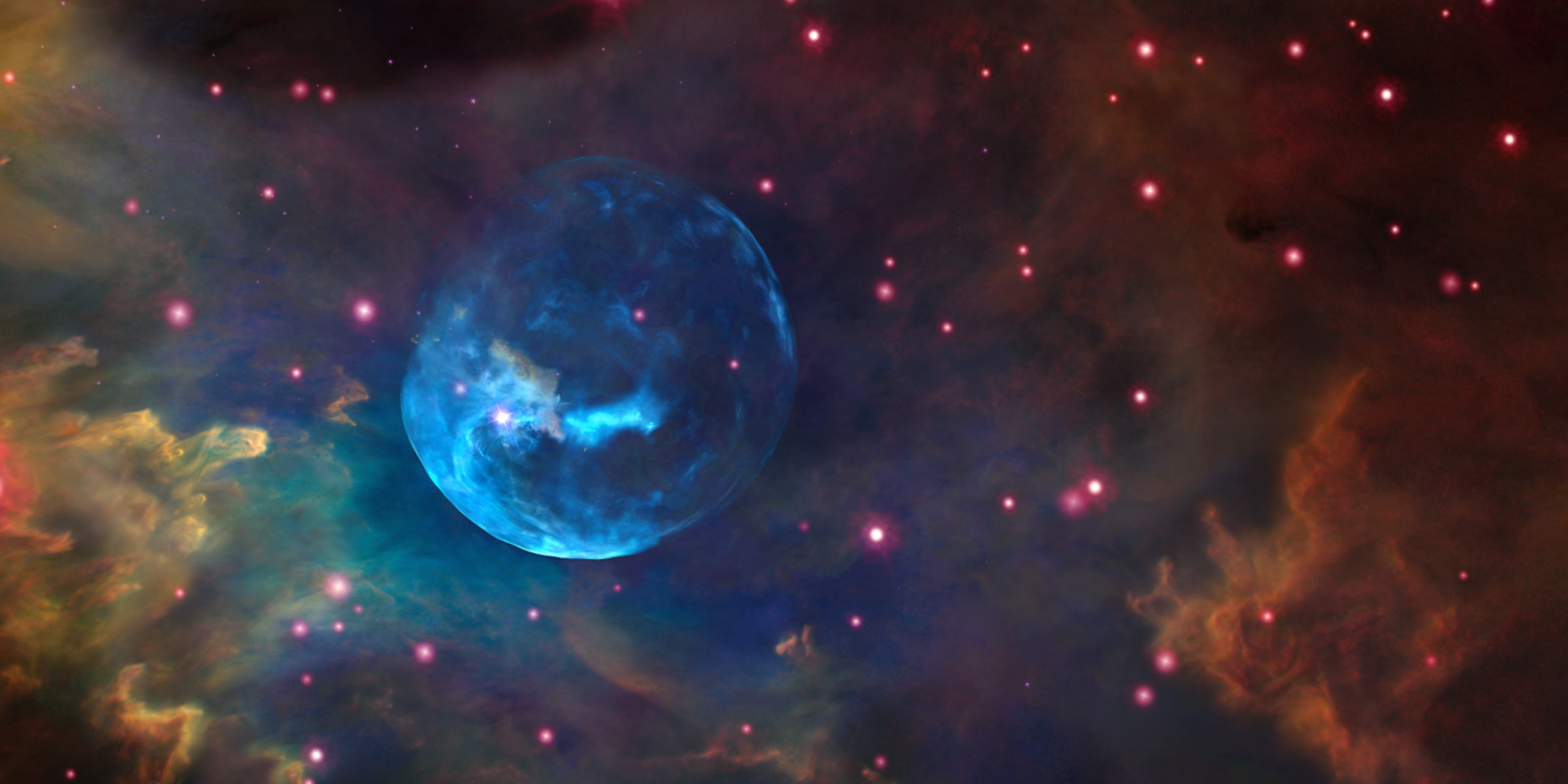
-
The Whirlpool Galaxy: Visible and X-ray Views (Frame Sets)
VideosThis sequence uses visible (Hubble) and X-ray (Chandra) imagery to highlight different structures within the Whirlpool galaxy (Messier 51). As seen in visible light, the familiar whirlpool shape is traced...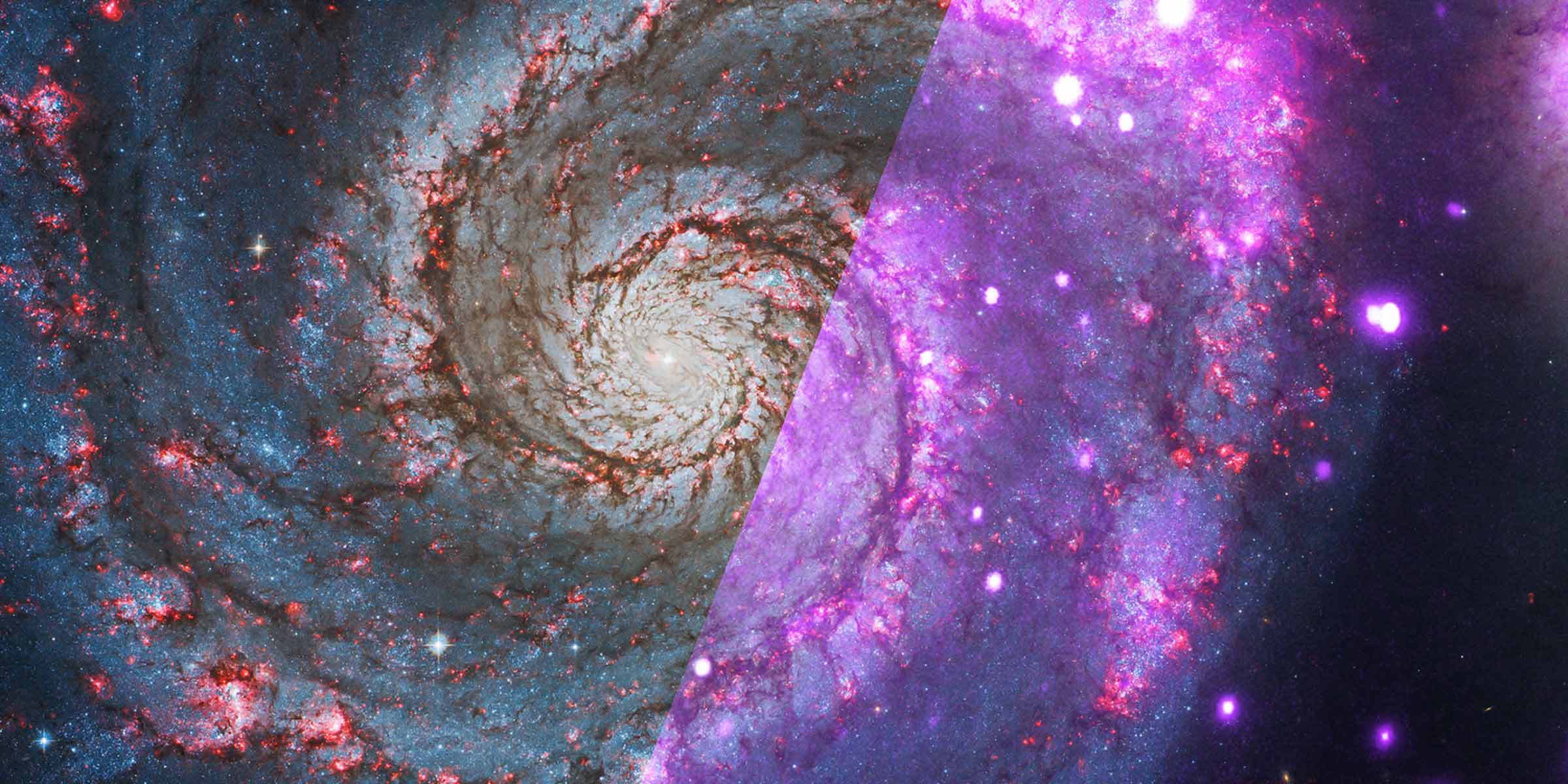
-
HH 901 Pillars in the Carina Nebula: Visible and Infrared Views (Frame Sets)
VideosHerbig Haro 901 is an immense pillar of gas and dust inside the Carina Nebula, a huge star-forming region in our galaxy. The pillar is several light-years tall and contains a few massive young stars. They...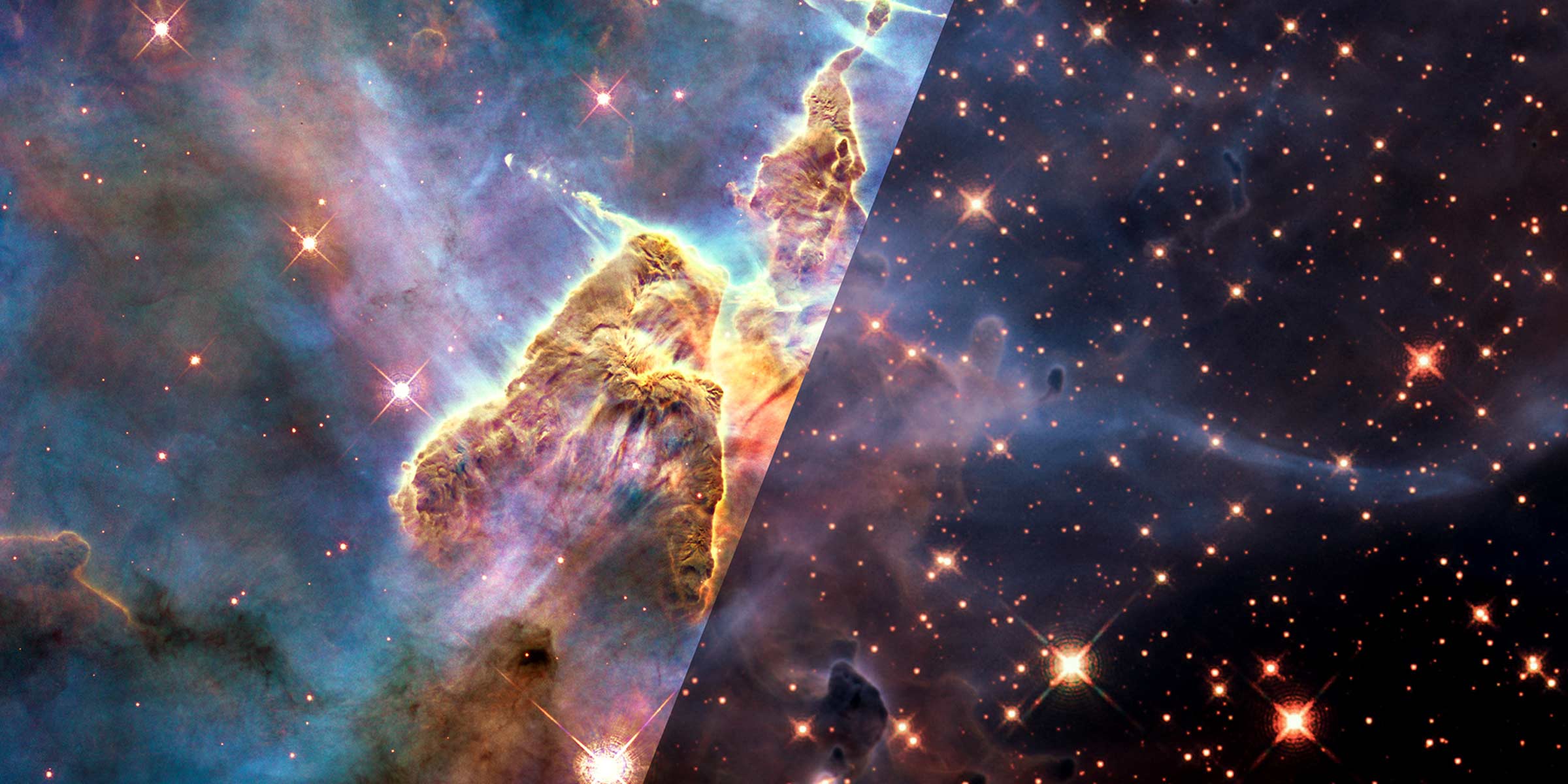
-
The Hidden Jet Launch of HH 666: Visible and Infrared Views (Frame Sets)
VideosHerbig-Haro 666 is a young star that is shooting out narrow collimated jets in opposite directions. The jets are a byproduct of material falling onto to the star. The material is heated and then escapes...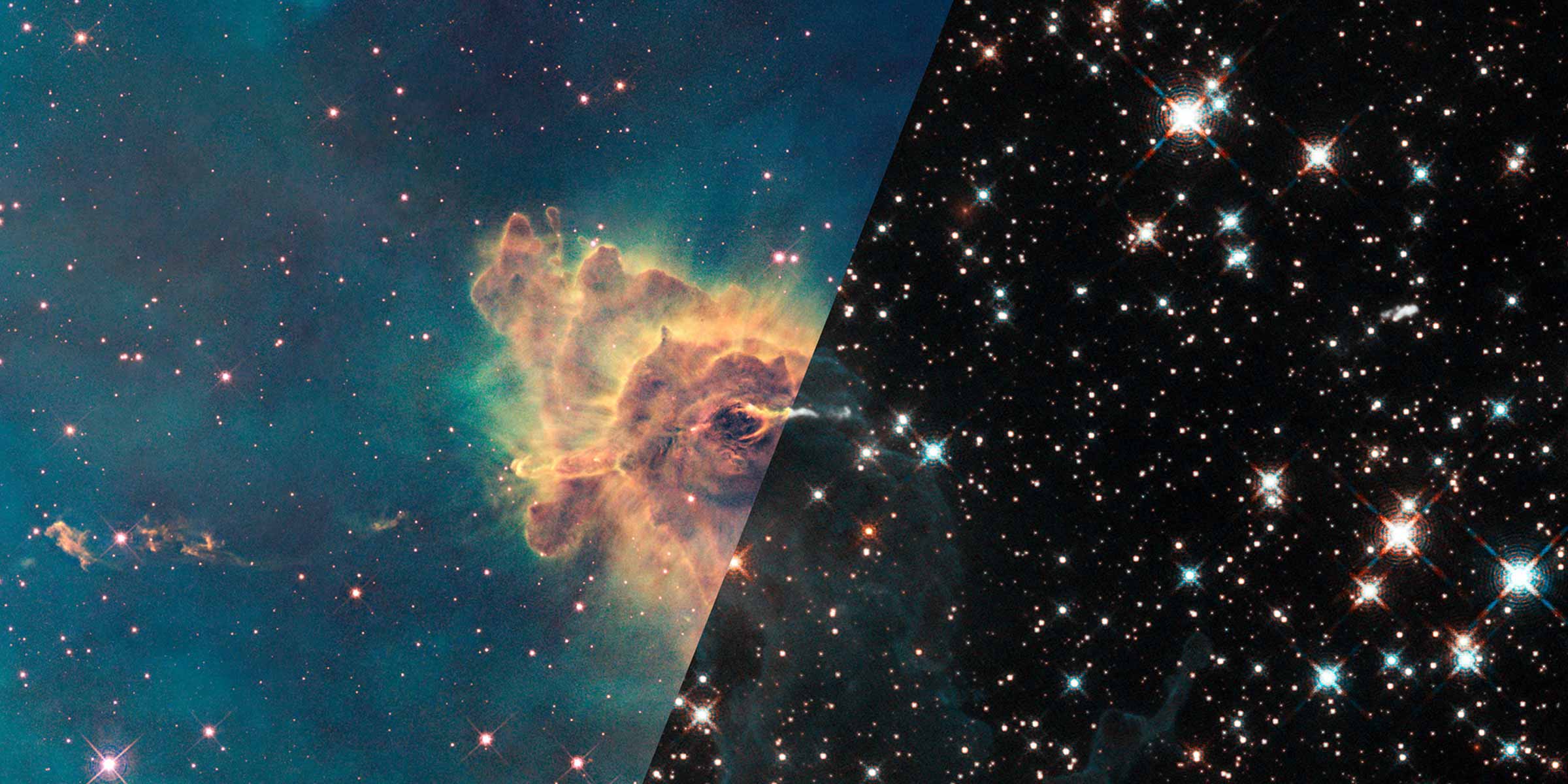
-
AstroPix
WebsiteWelcome to a new "one-stop shopping" experience that makes finding the right astronomy image easier than ever! AstroPix offers publicly accessible image galleries of many of the leading astronomical...
-
Vision Across the Full Spectrum: The Crab Nebula, from Radio to X-ray (Frame Sets)
VideosThe Crab Nebula (Messier 1) is the remnant of a supernova that exploded in the year 1054 AD. This mysterious “new star,” as early sky watchers called it, was observed around the world and most...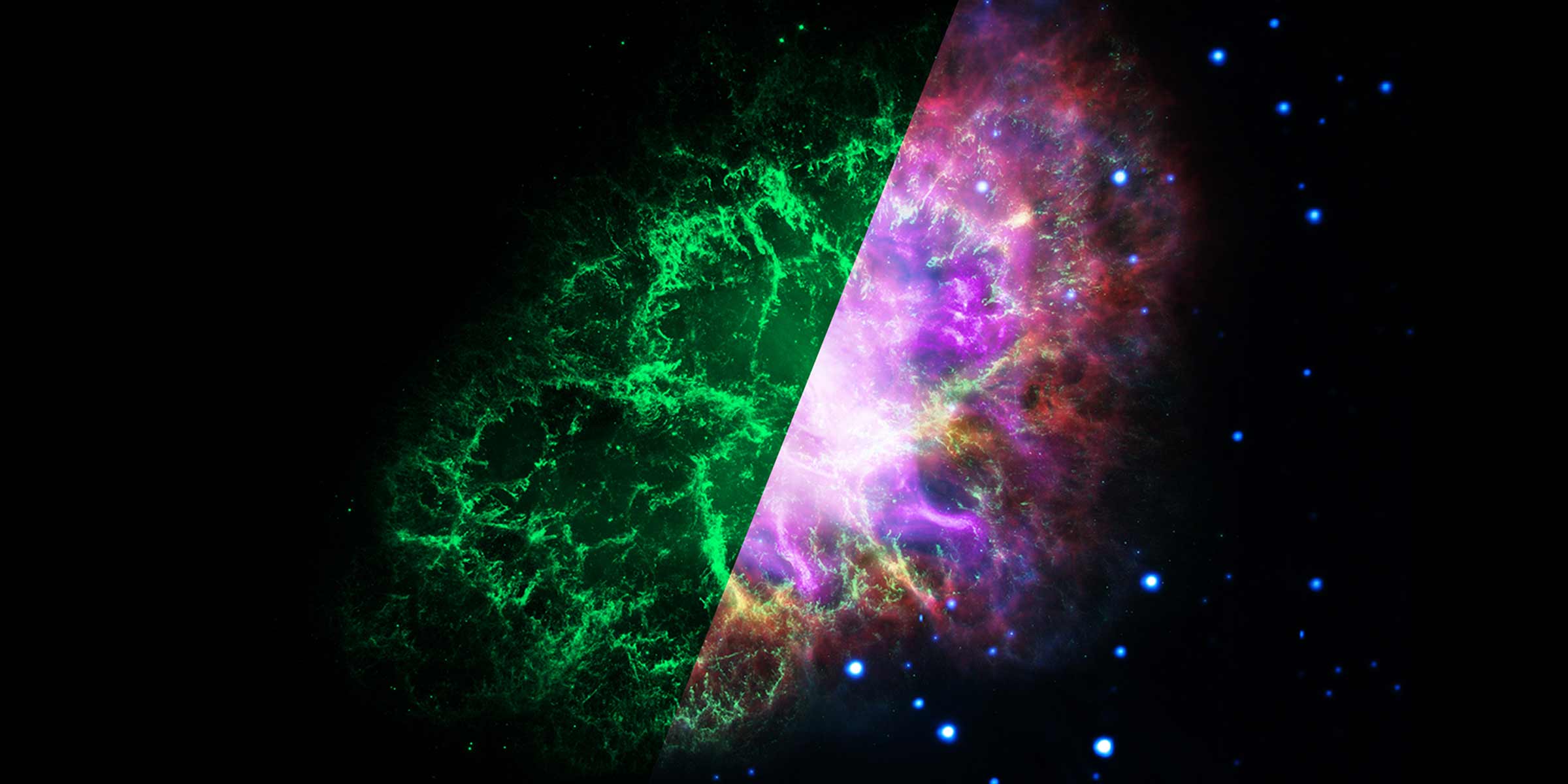
-
Lagoon Nebula: Visible and Infrared Views (Frame Sets)
VideosThis visible-light image of the central region of the Lagoon nebula reveals a fantasy landscape of ridges, canyons, pillars, and mountains of gas and dust surrounding a very hot newborn star. When the...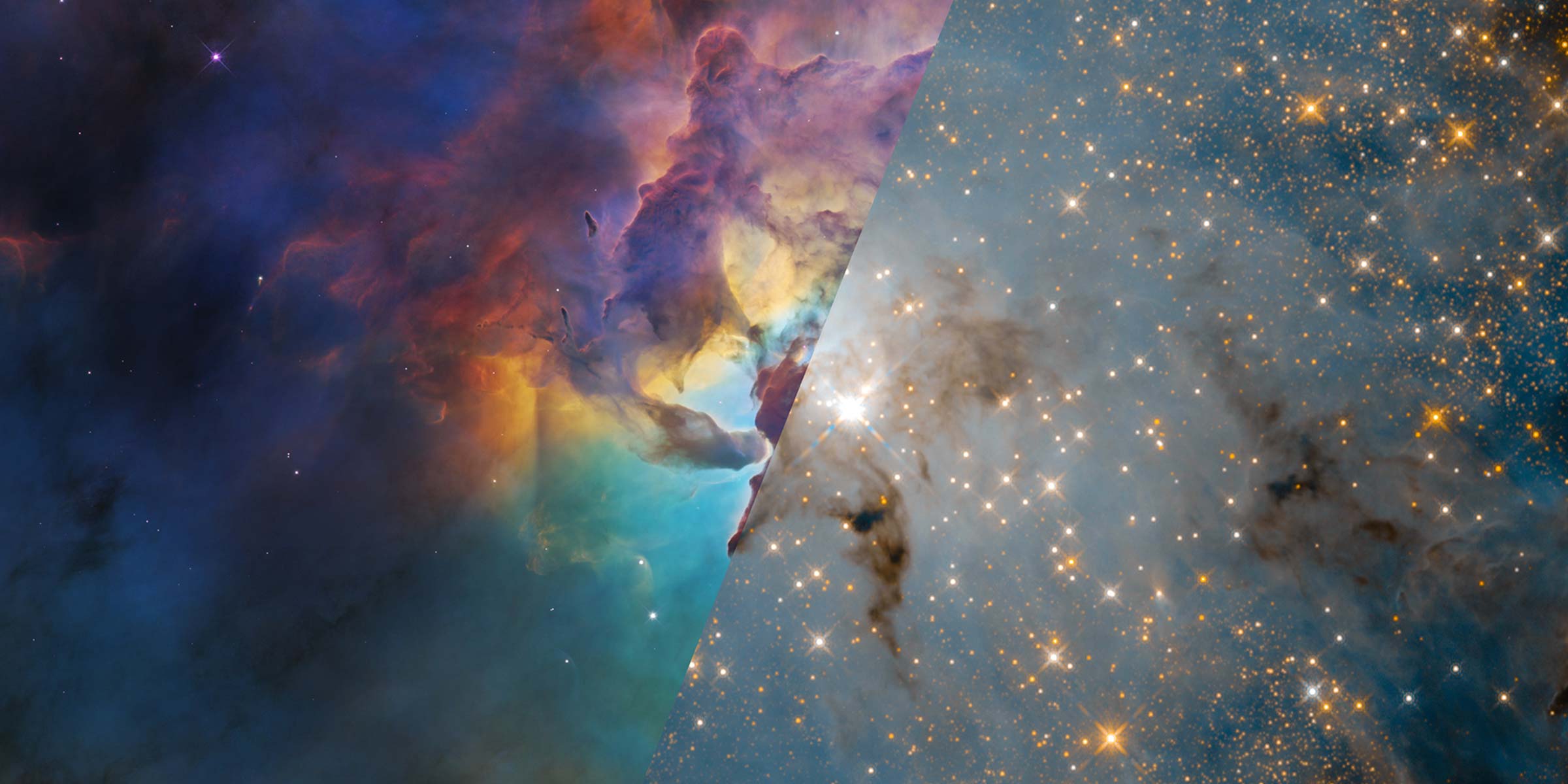
-
ViewSpace Interactives: Variable Stars
InteractiveNot all stars shine consistently! Some stars temporarily increase in brightness for several days or weeks, while others have periodic changes in brightness. In other examples, stars change in brightness... -
ViewSpace Interactives: Star Formation
InteractiveStars are formed as part of an amazing recycling process, in which gravity shapes new stars from the gas and dust expelled by old stars. What happens as they form? Slide through several examples, including... -
Colliding Galaxies NGC 2207: Visible, Infrared, and X-ray Views (Frame Sets)
VideosNGC 2207 is a pair of colliding spiral galaxies. Their bright central nuclei resemble a striking set of eyes. In visible light (Hubble), trails of stars and gas trace out spiral arms, stretched by the...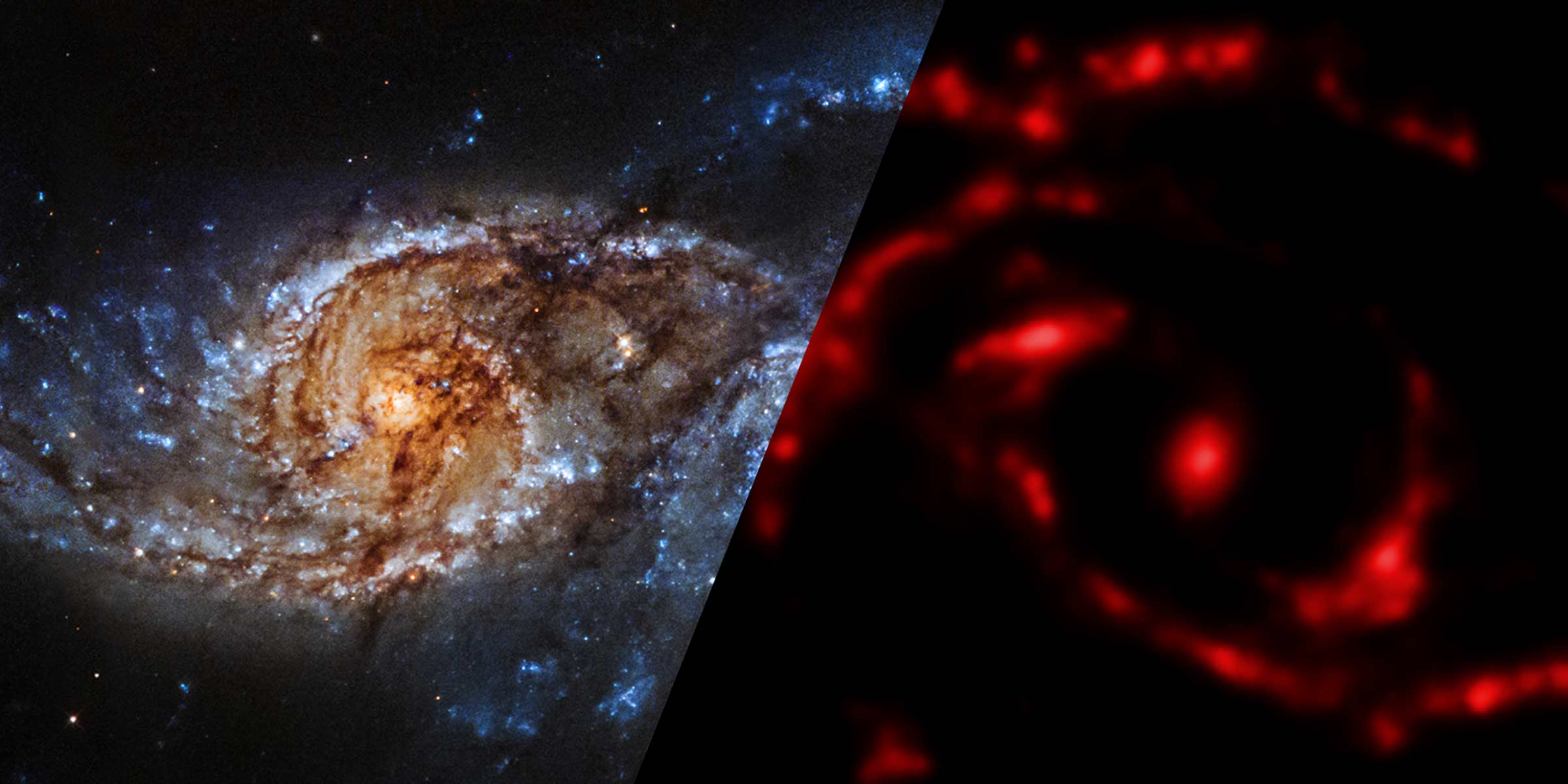
-
Journey into the Orion Nebula (360 Video)
VideosThis movie is formatted for 360 Video. On YouTube, use the mouse to scroll the view. For full immersion, watch using a virtual reality device and a 360-video player. This visualization journeys into the...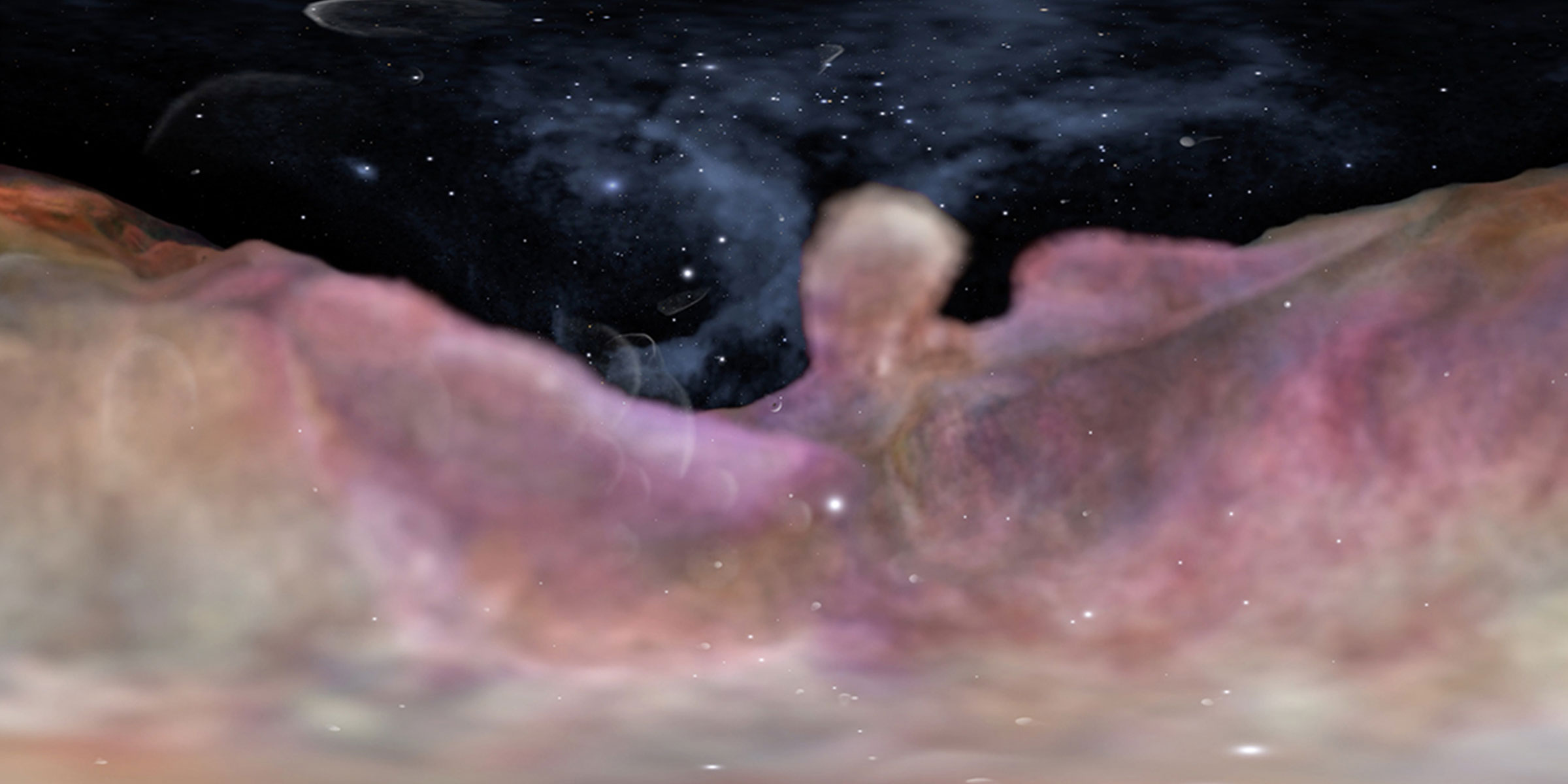
-
Journey into the Orion Nebula (Dome Version)
VideosThis version of "Journey into the Orion Nebula" has been rendered onto a hemispherical format (azimuthal equidistant projection) for use in planetarium domes. The black circular mask in the images...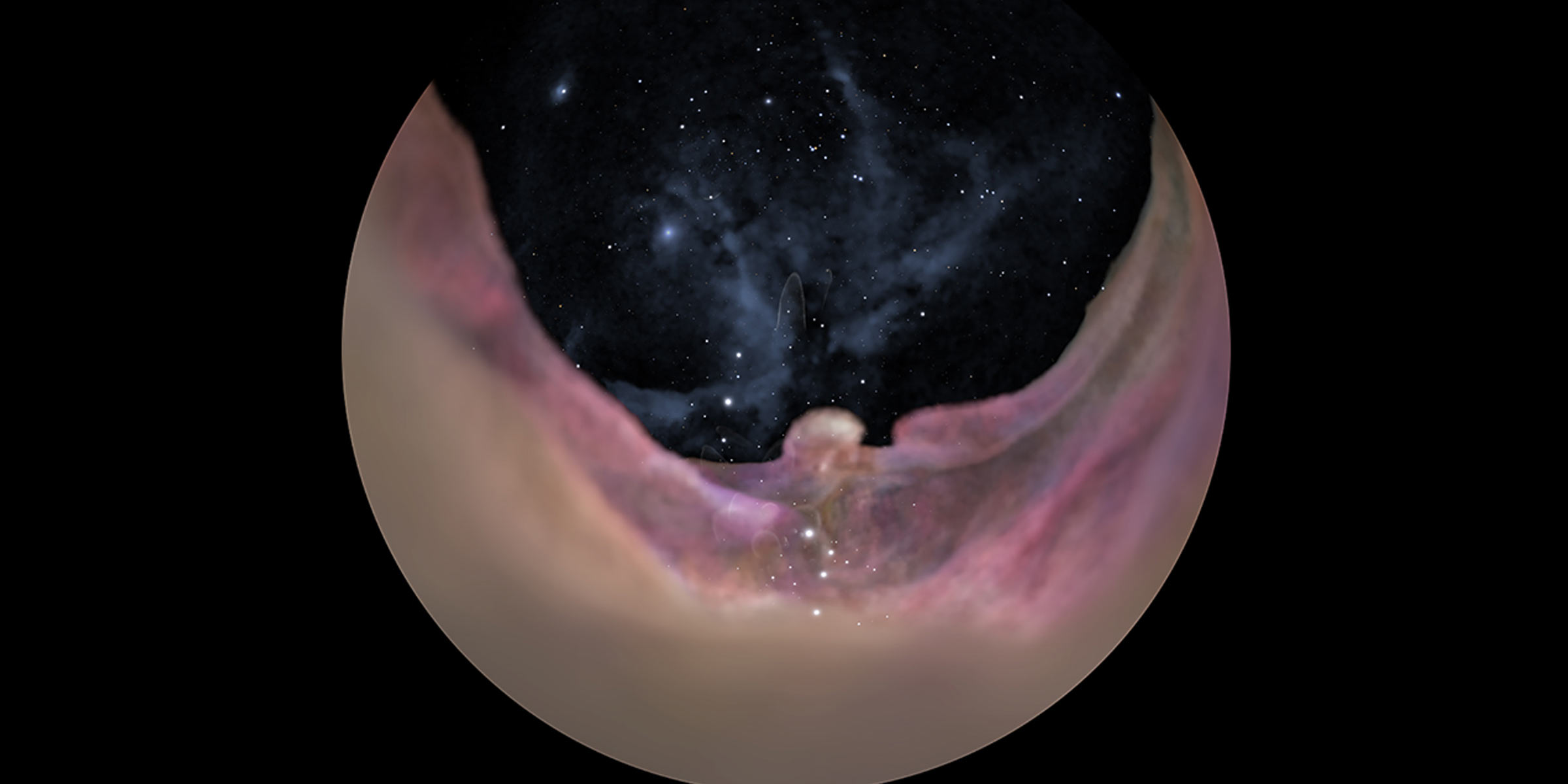
-
Journey into the Orion Nebula
VideosThis visualization journeys into the famous star-forming region of the Orion Nebula based on an image from the Hubble Space Telescope. This exhilarating trip begins by flying through a layer of gas above...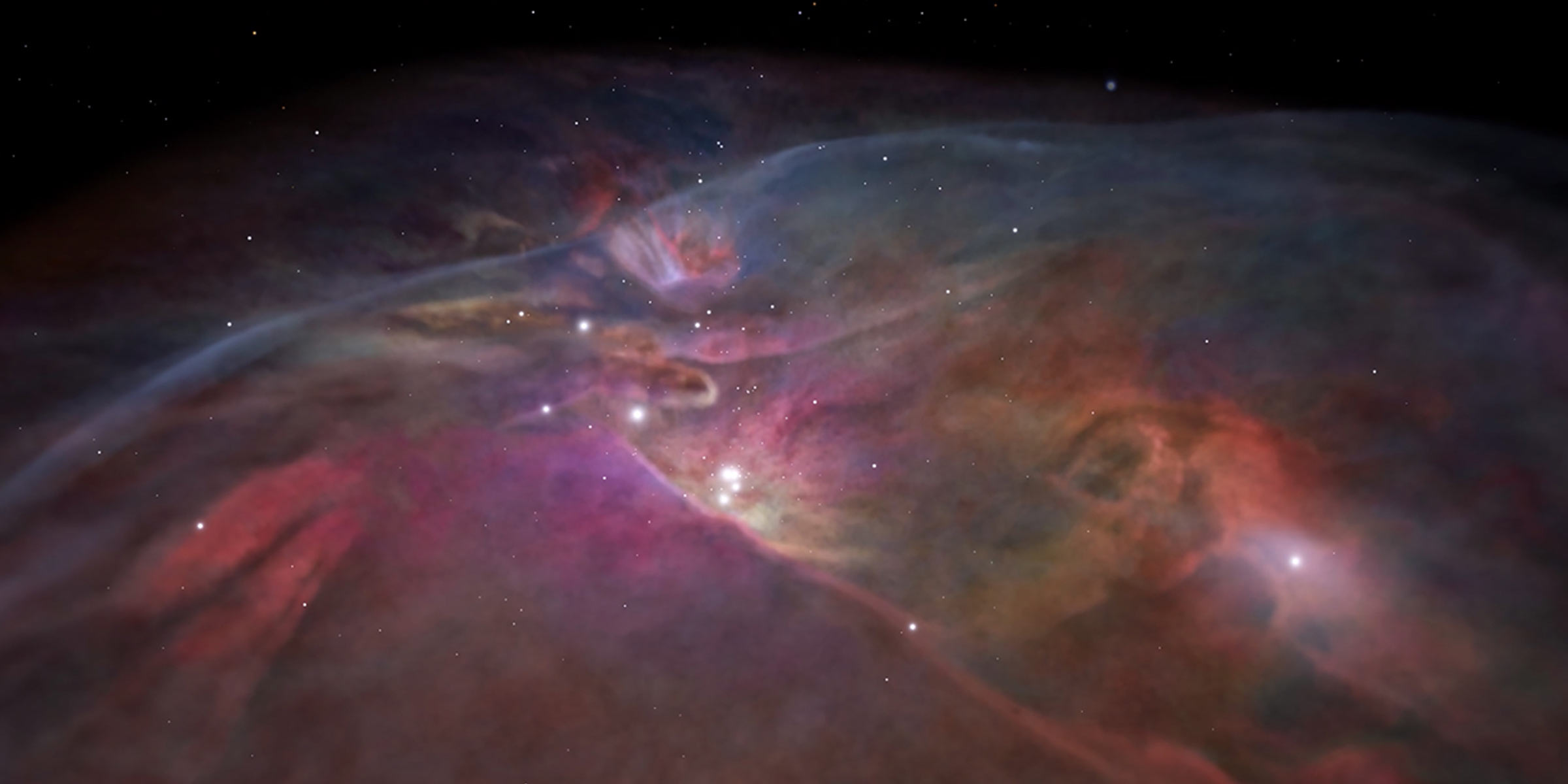
-
Globular Star Cluster Exploration (Dome Version)
VideosThis scientific visualization presents a flight to a small globular star cluster and a few hundred thousand years of its development. Globular star clusters contain many thousands to millions of stars,...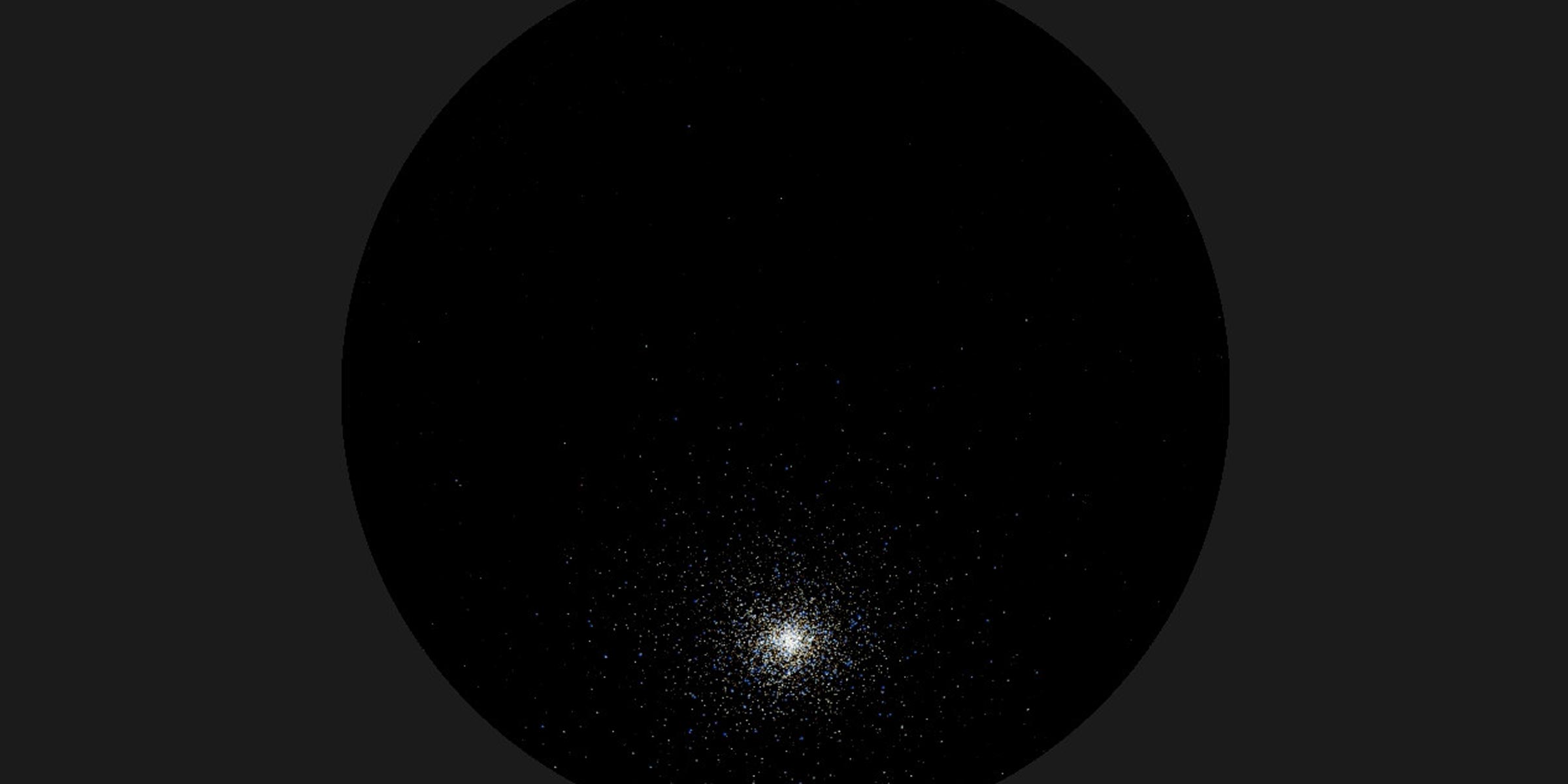
-
Hubble: Galaxies Across Space and Time (Frame Sets)
VideosThis award-winning short film transforms images and data from NASA's Hubble Space Telescope into a voyage that sweeps viewers across the universe and back into cosmic history. The film opens with...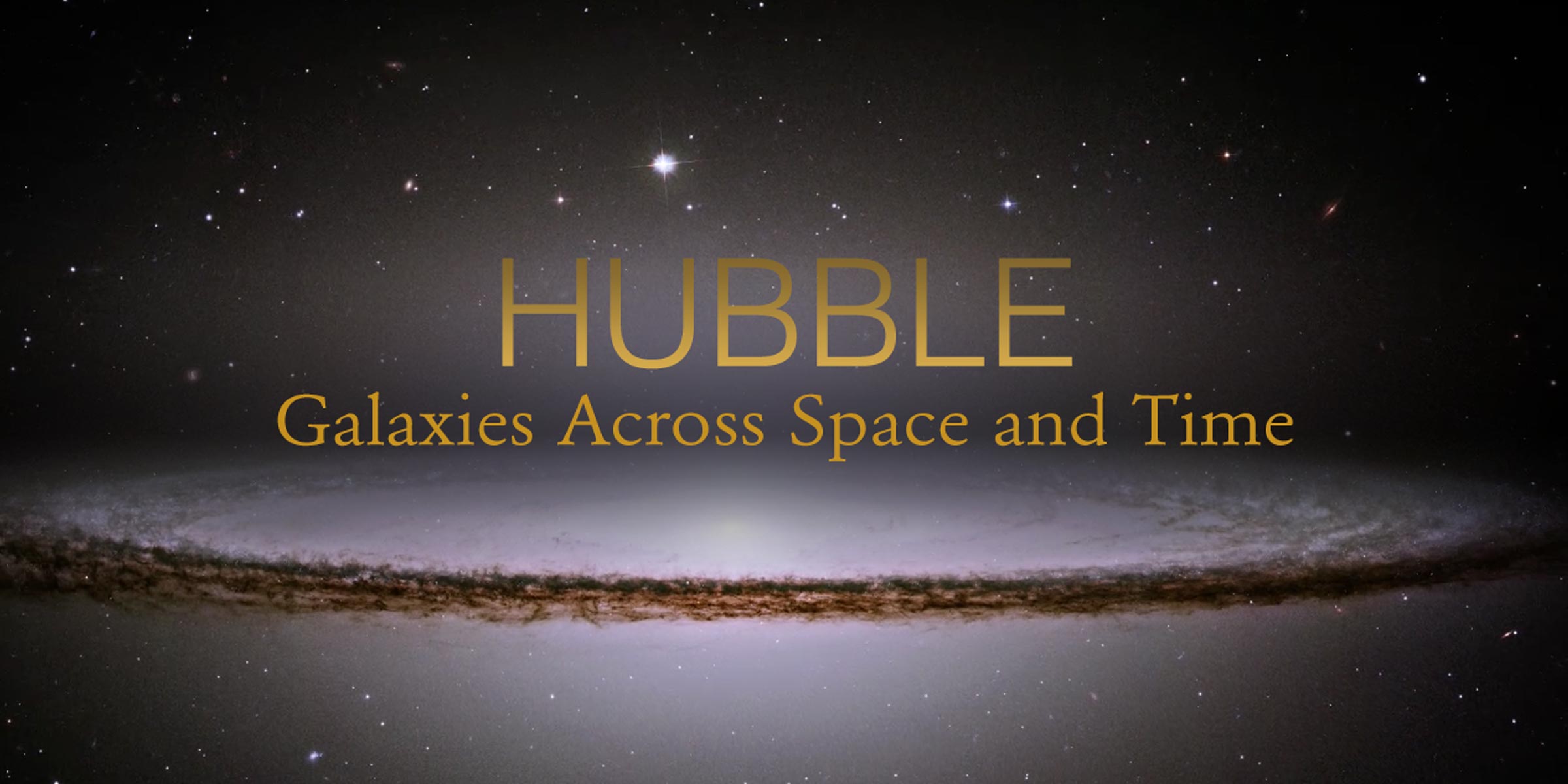
-
Cruising the Cosmic Web, V2 (Dome Version)
VideosThis visualization of a computer simulation showcases the cosmic web, the large-scale structure of the universe. Each bright knot is an entire galaxy, while the purple filaments show where material exists...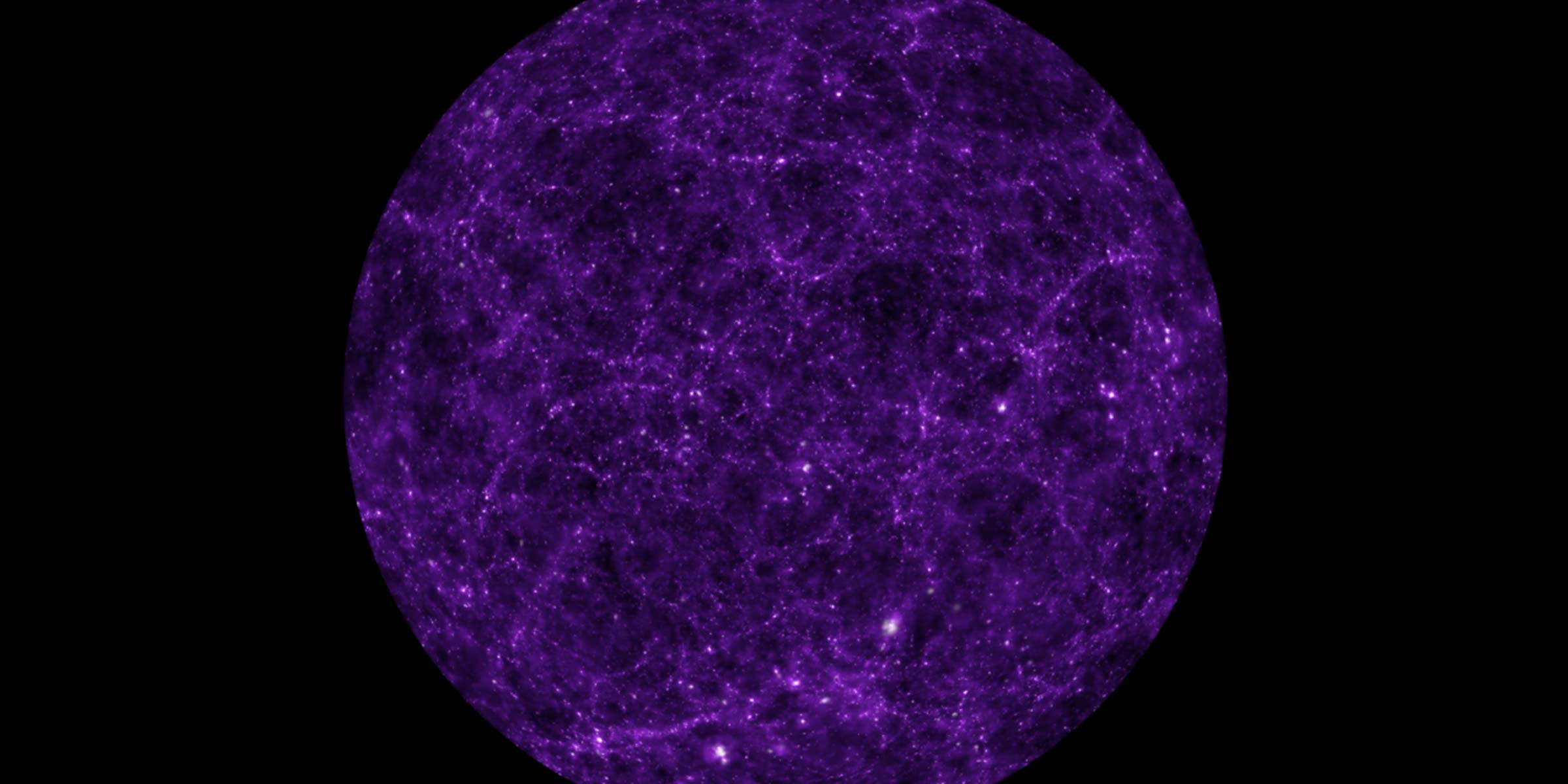
-
Vibrant Gaseous Ribbons: The Veil Supernova Remnant (Frame Sets)
VideosThis 3D visualization flies across a small portion of the Veil Nebula as photographed by the Hubble Space Telescope. This region is a small part of a huge expanding remnant from a star that exploded many...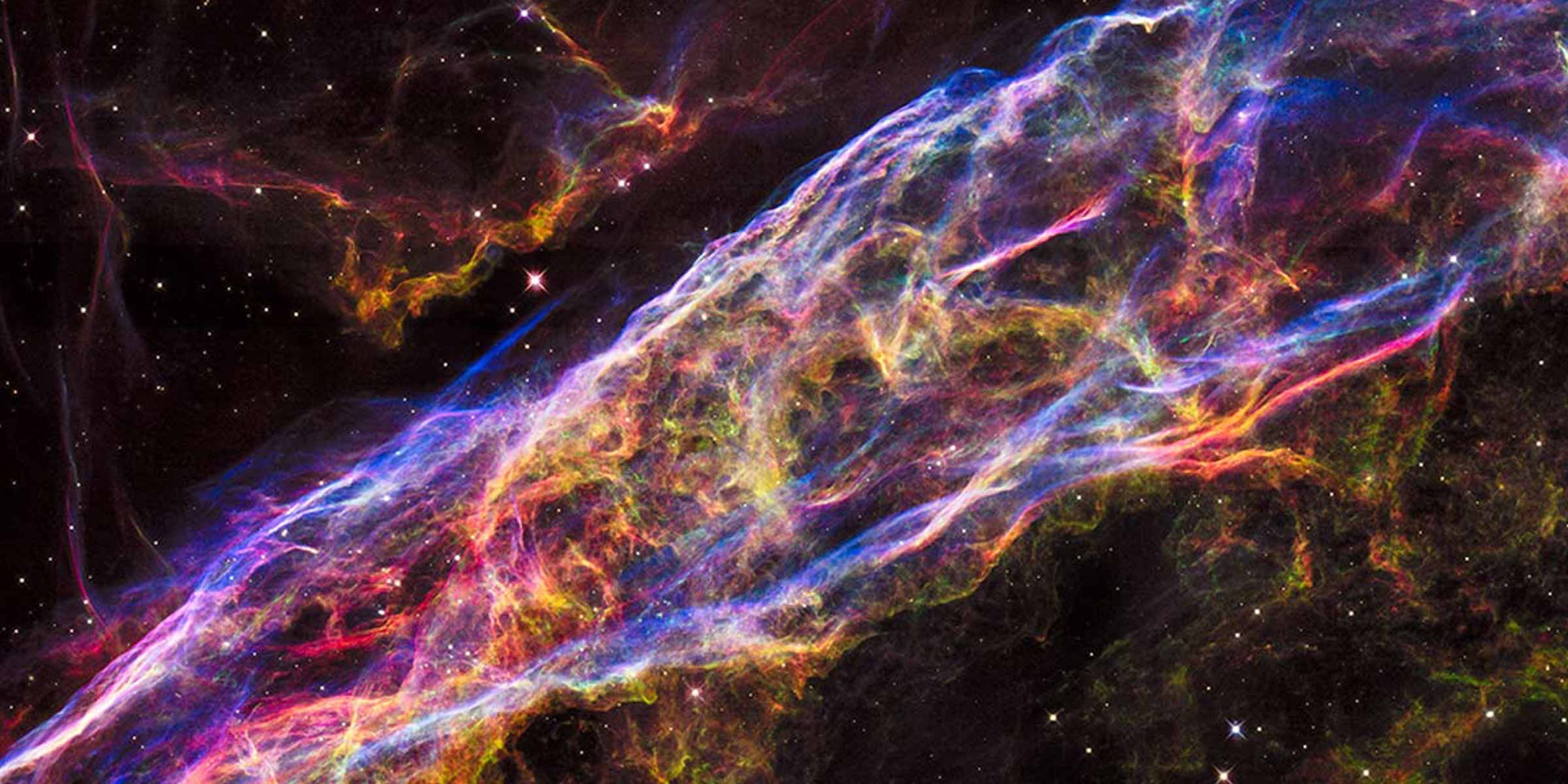
-
Celestial Fireworks: Star Cluster Westerlund 2 (Frame Sets)
VideosThe nebula Gum 29 is a star-forming region about 20,000 light-years away in the Carina constellation. At the core of the nebula is a cluster of several thousand stars called Westerlund 2. These newly formed...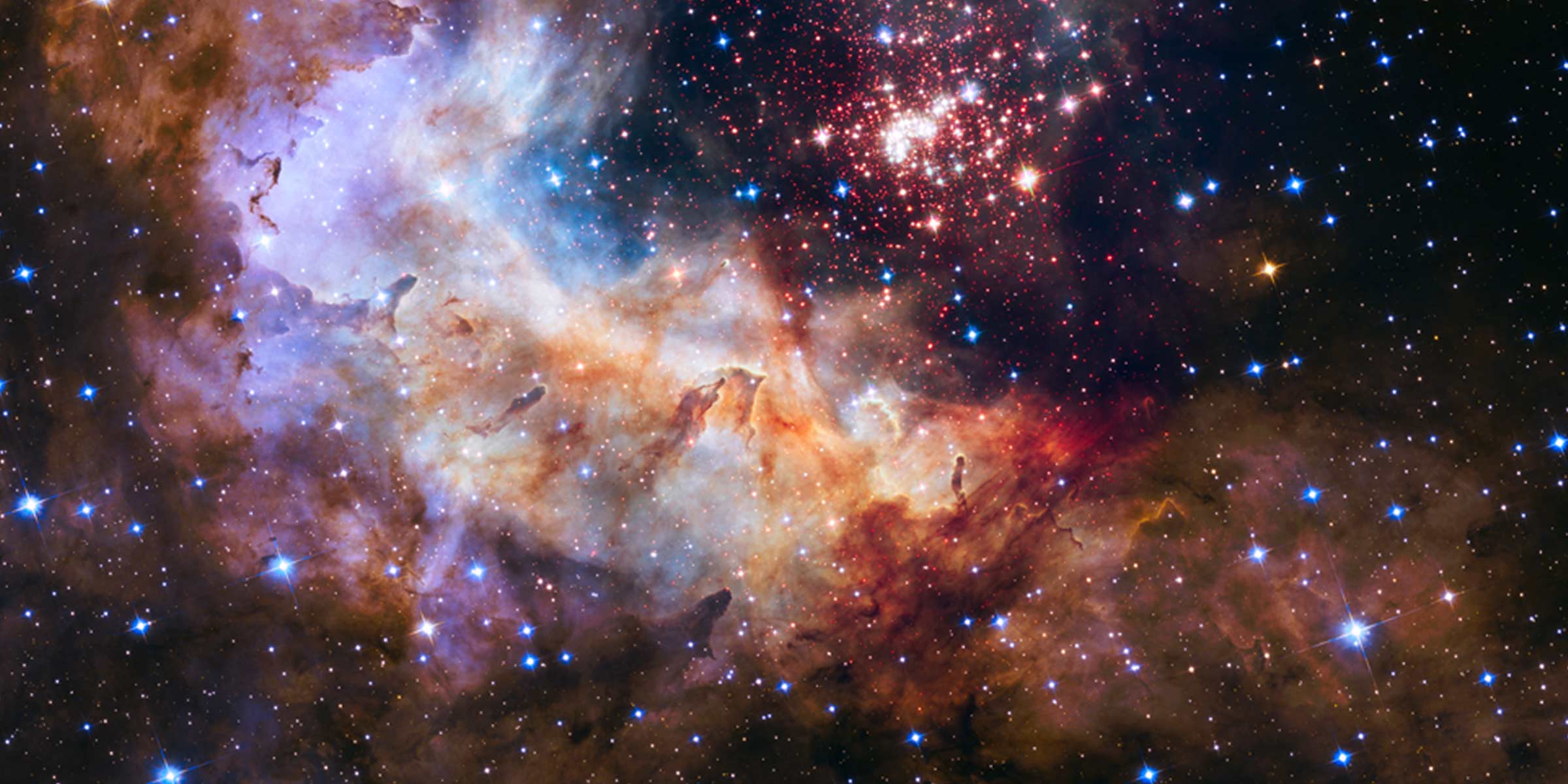
-
Galaxy Collisions: Simulation vs. Observations (Frame Sets)
VideosGalaxies are vast swarms of billions of stars along with huge interstellar clouds of gas and dust. A spiral galaxy has a broad, thin disk shape, with a bulge of stars in its core. Within the disk are winding...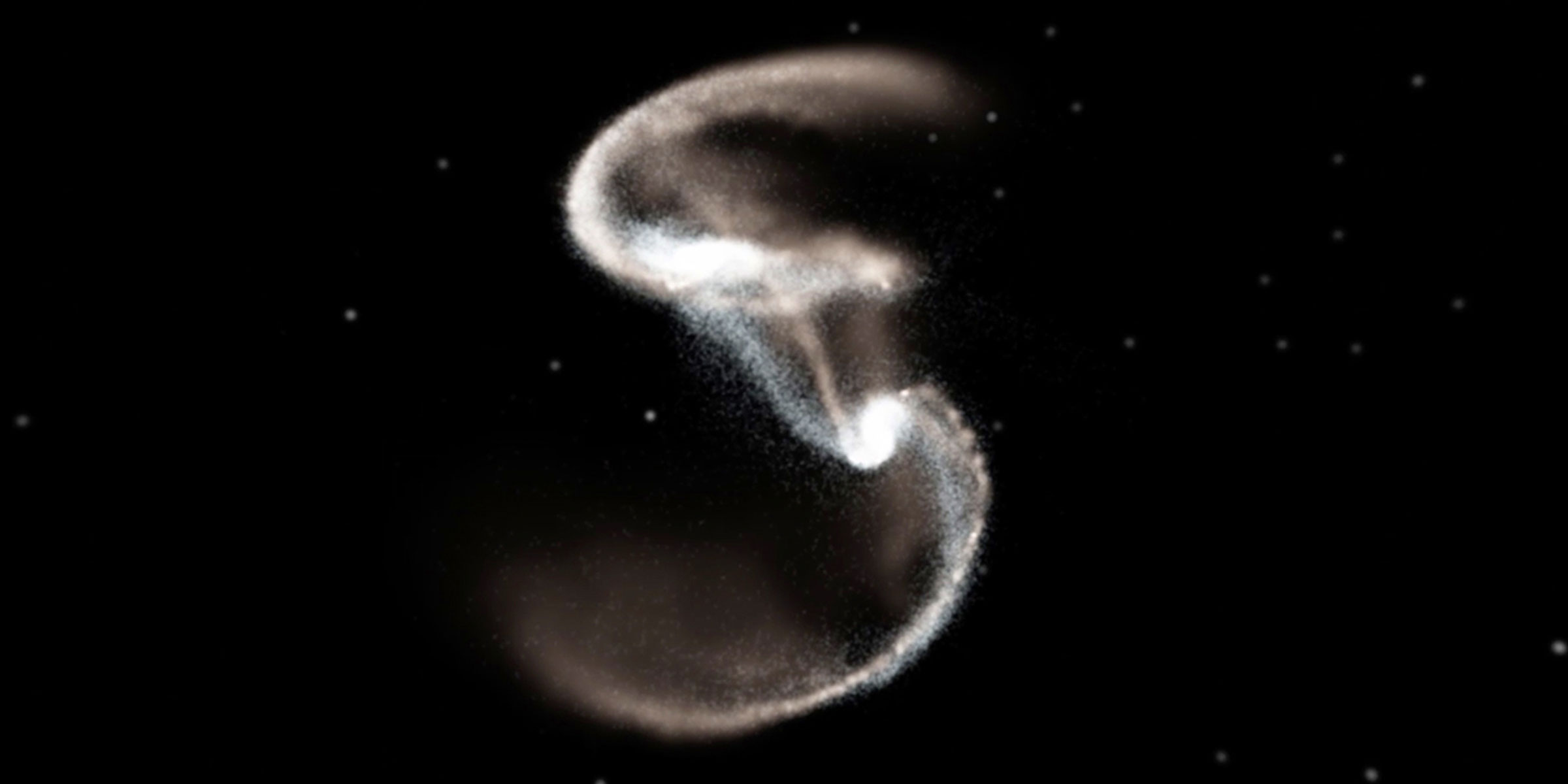
-
Crash of the Titans: Milky Way and Andromeda Collision (Frame Sets)
VideosThe three largest galaxies in our Local Group of galaxies are our Milky Way, Andromeda (also known as Messier 31), and Triangulum (also known as Messier 33) galaxies. This scientific visualization of a...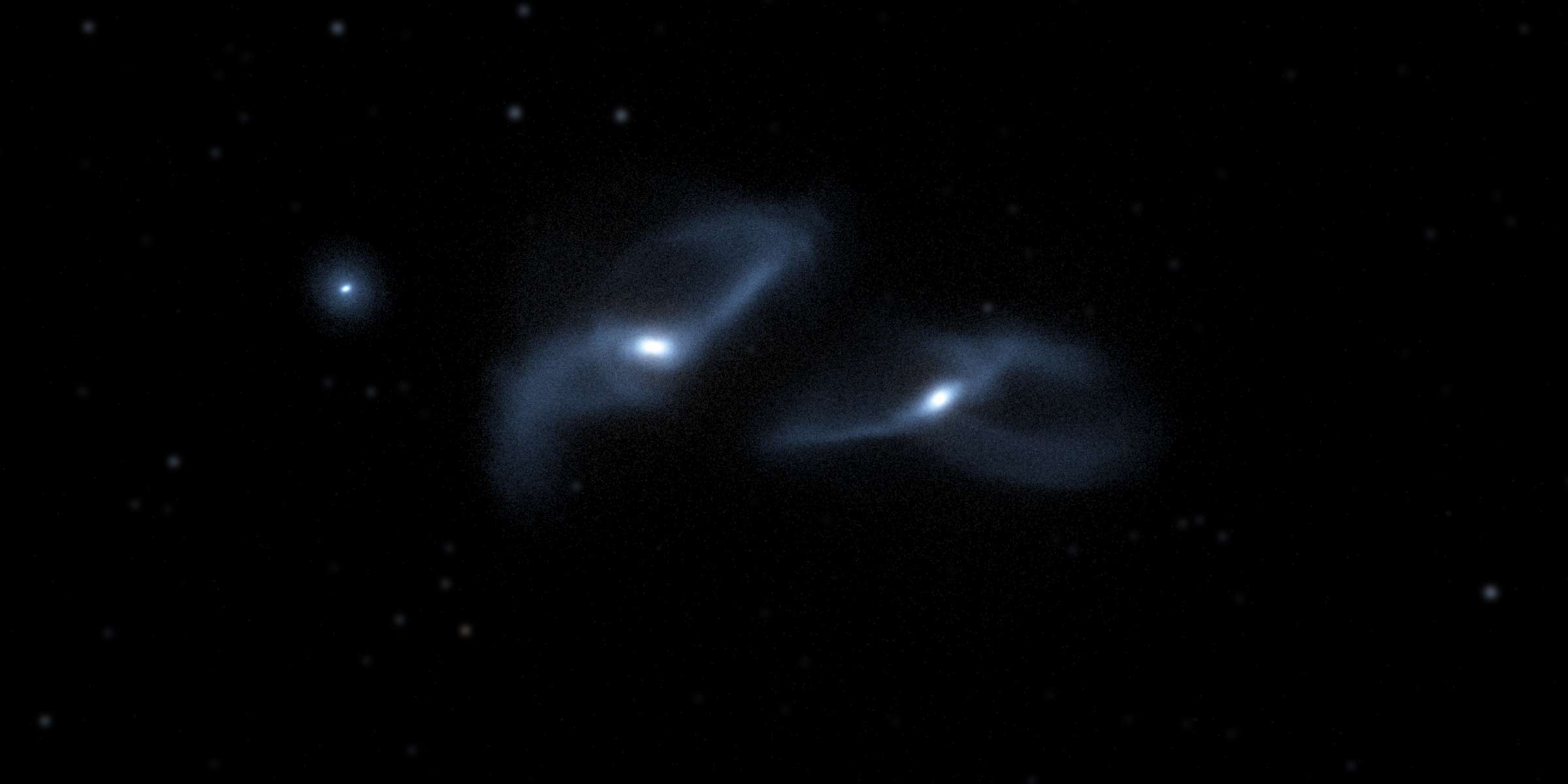
-
Future Galaxy Merger (Frame Sets)
VideosThis scientific visualization of a computer simulation depicts a collision between our Milky Way galaxy and the Andromeda galaxy (also known as Messier 31). Hubble Space Telescope observations indicate...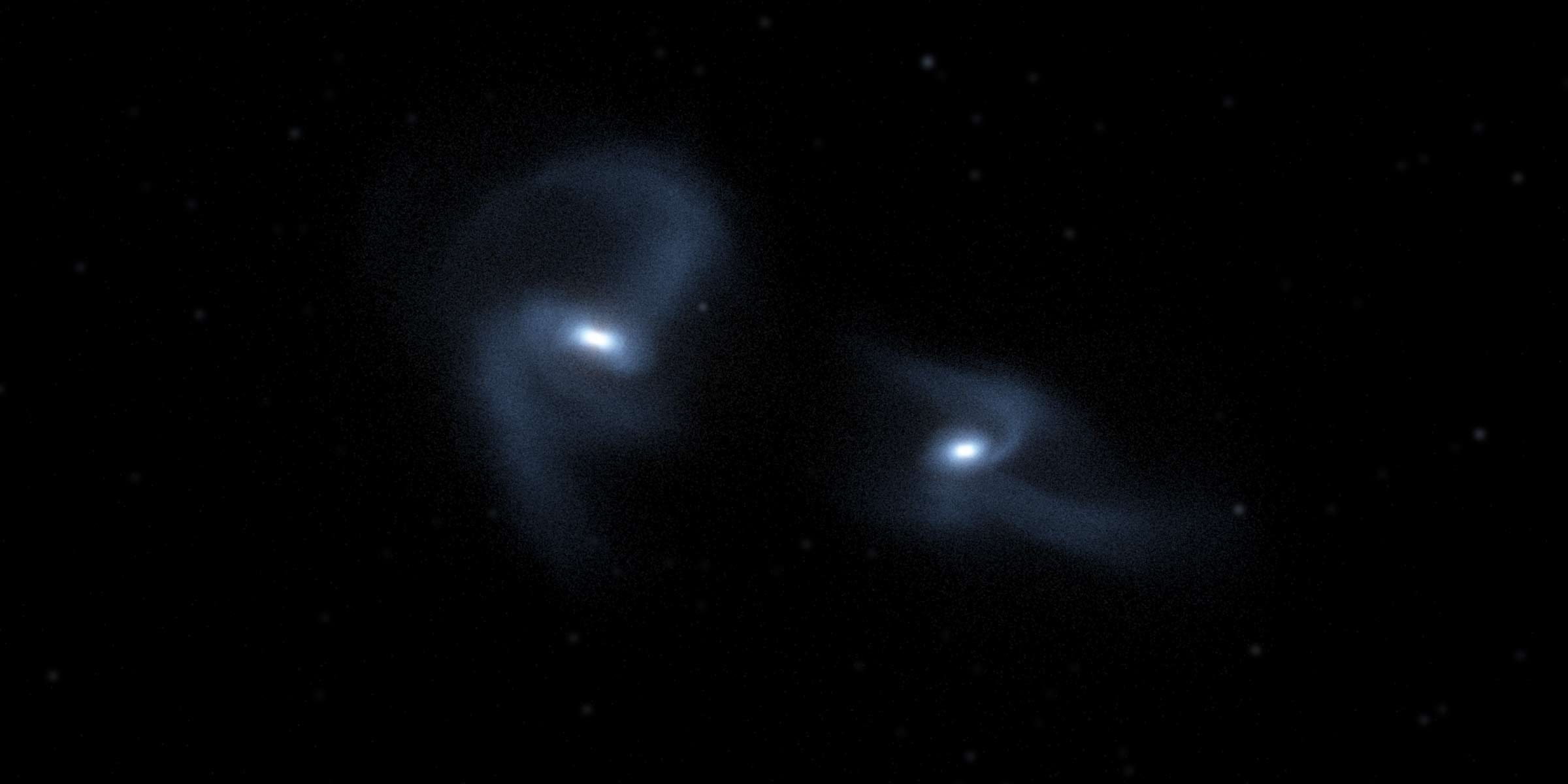
-
Hevelius Images
Celestial observers have carefully cataloged the locations of the stars for thousands of years. These atlases often noted the precise positions and brightnesses of individual stars, and were produced by...
-
Galaxy Collision Simulation (Dome Version)
VideosIn this scientific visualization, two spiral galaxies are set on a collision course. As one slices through the other, both are disrupted. The tidal forces of gravity produce long tails of material streaming...