What happens when a star dies? It varies! Some stars die slowly, giving off puffs of gas and dust before collapsing to form small white dwarf stars. Much larger stars die suddenly in powerful explosions...
Compare how X-rays deliver detail about some of the most energetic processes in the universe. Explore X-rays in the context of black holes, supernovas, and galaxy clusters in these engaging videos.
Are...
Help viewers discover the process of science! These videos explore how light travels, various telescope technologies, how we detect galaxies and exoplanets, and so much more.
Are you interested in playing...
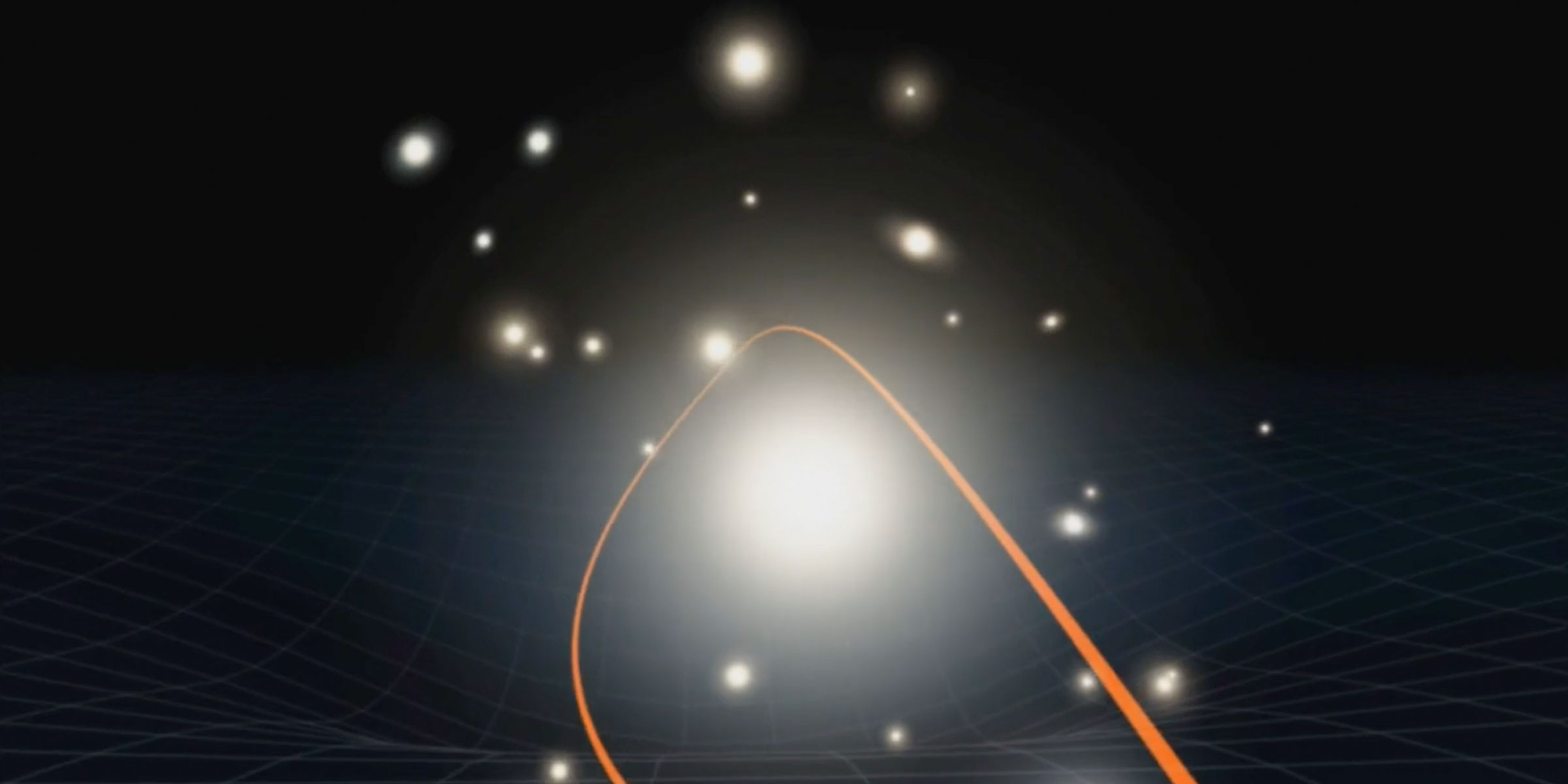
Scientists know more about what dark matter isn’t than what it is. We know dark matter exists because of its gravitational effects on objects we do see – objects that emit or reflect light....
This program connects science content in the fields of Earth science, planetary science, and astrophysics with everyday phenomena. Its purpose is to demonstrate the universality of physical laws and the...
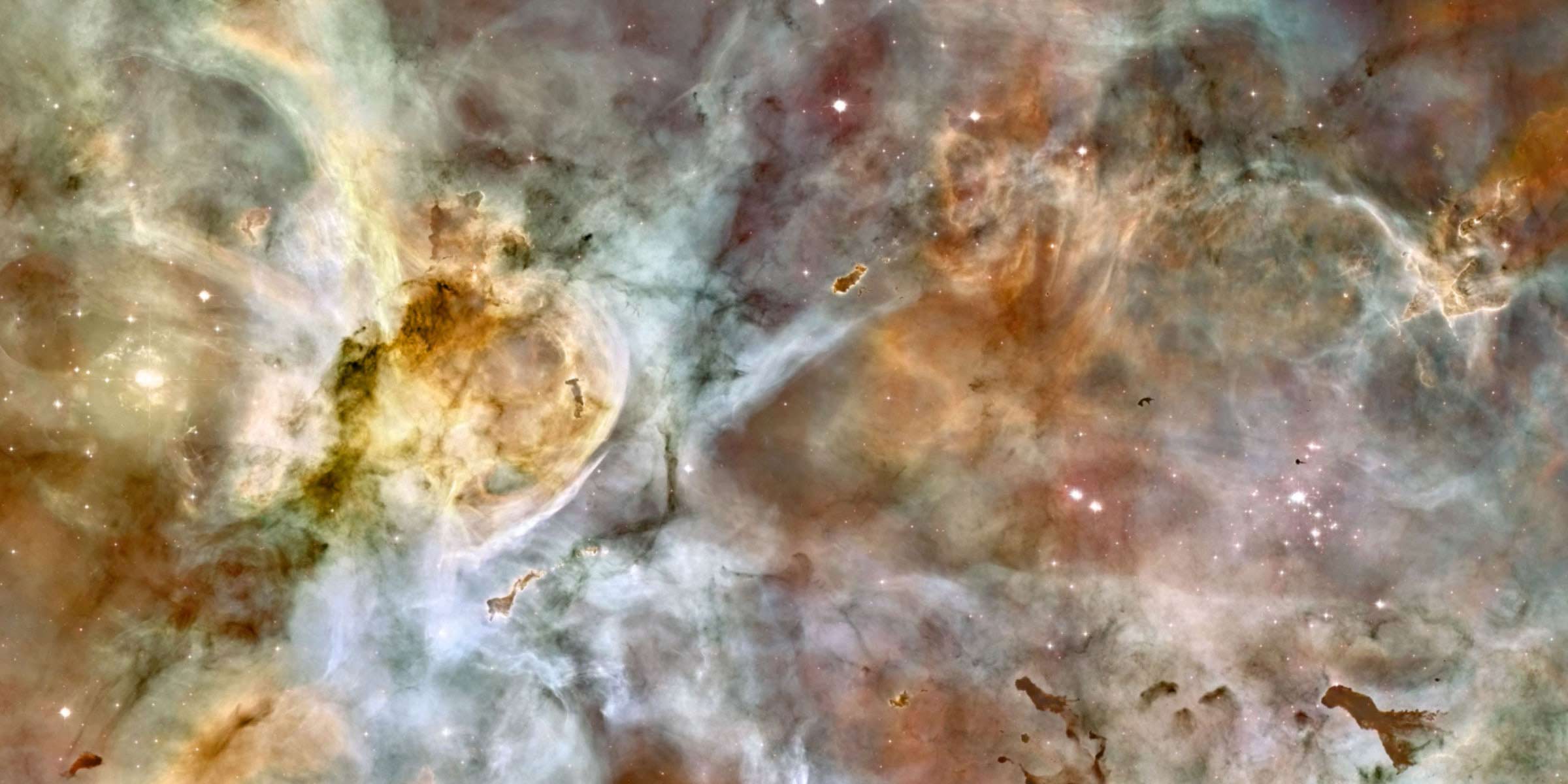
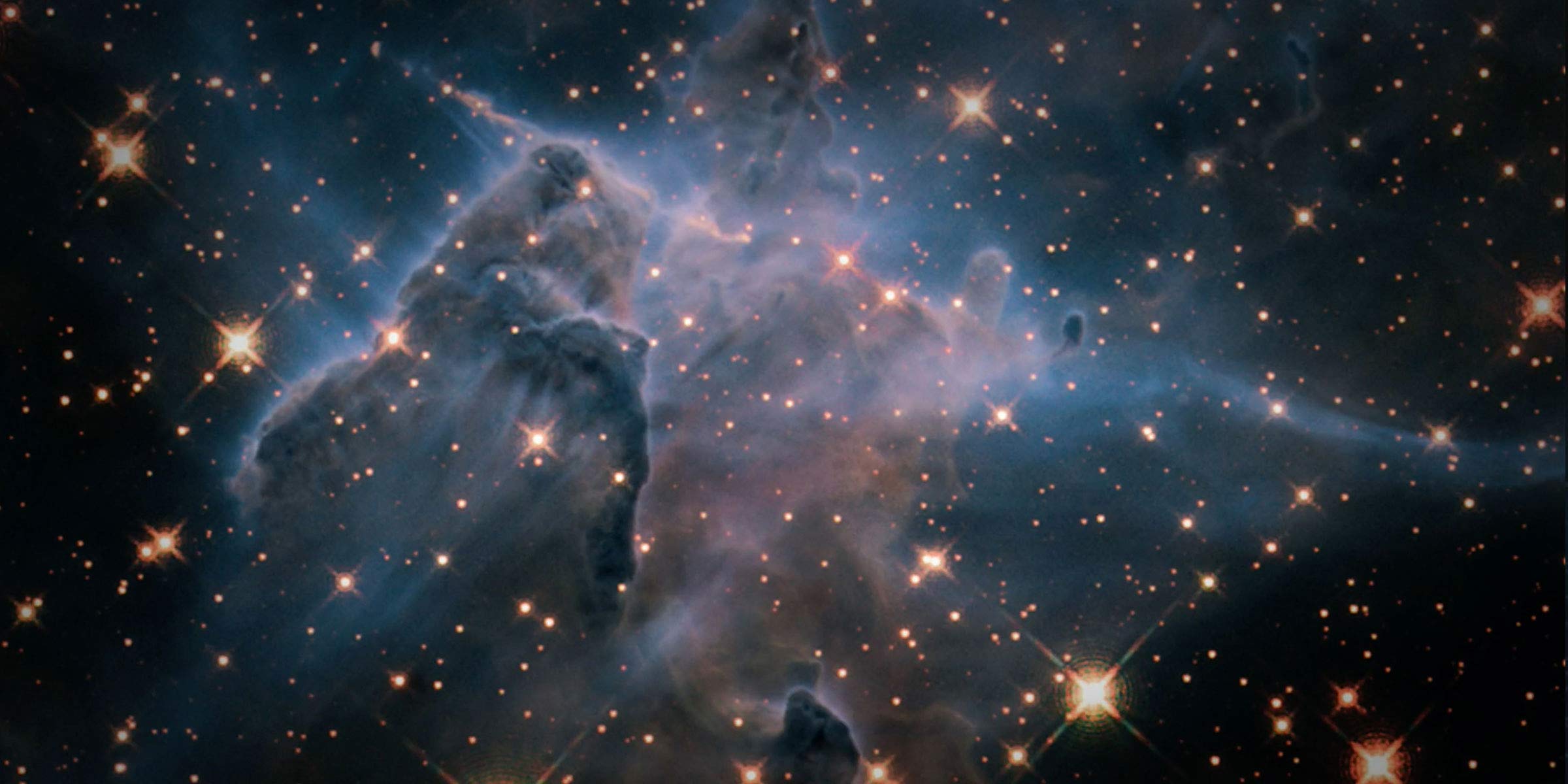
Take video tours of giant clouds of dust and gas in space, where new stars are forming or are the result of dying stars exploding. Highlights include the Cat’s Paw Nebula, Westerlund 2, the Eagle...
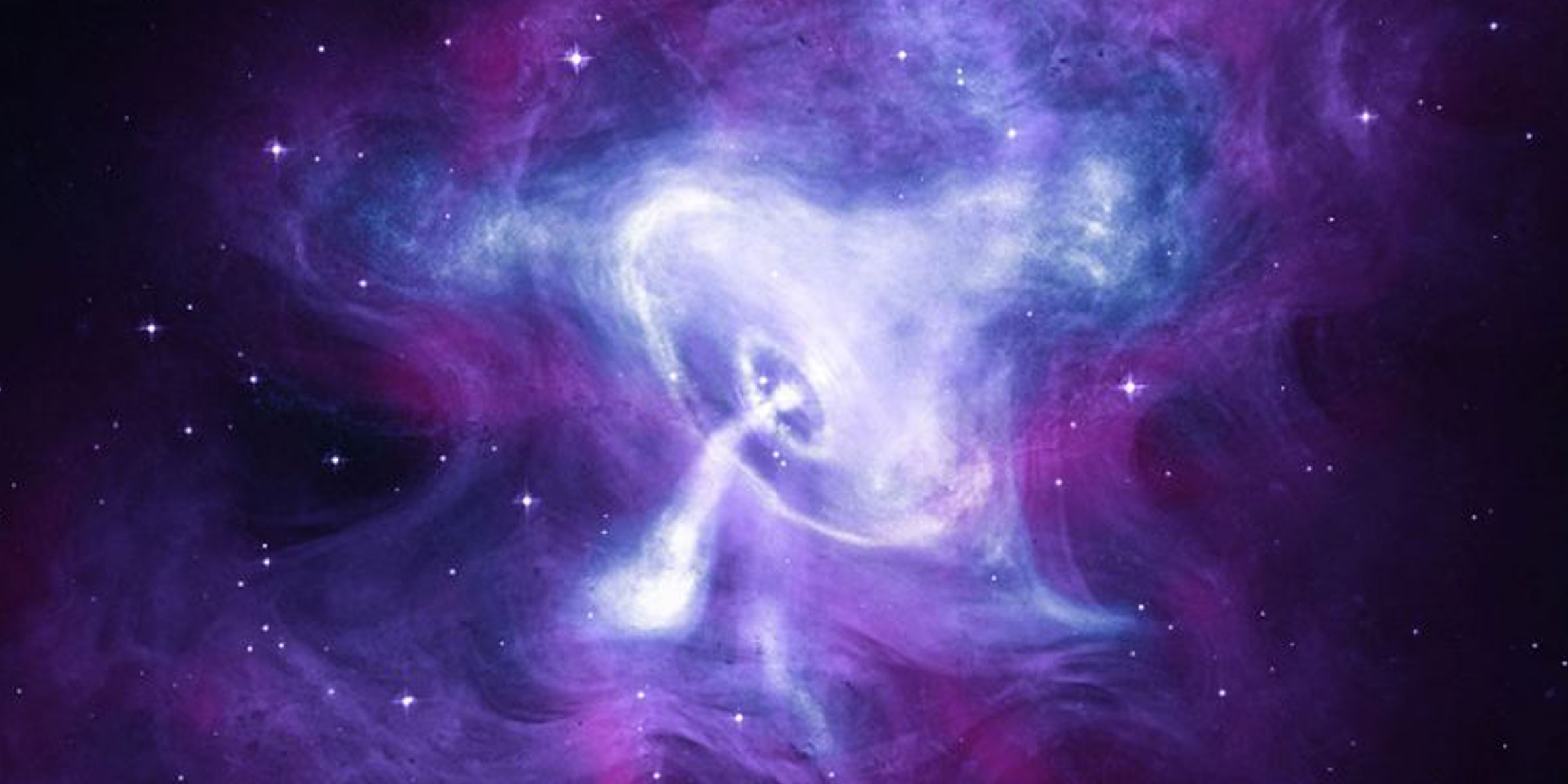
What happens after a star explodes? Explore a supernova’s aftermath in detail, and learn about well-known objects like the Crab Nebula, Eta Carinae, and Supernova 1987A in these videos.
Are you...
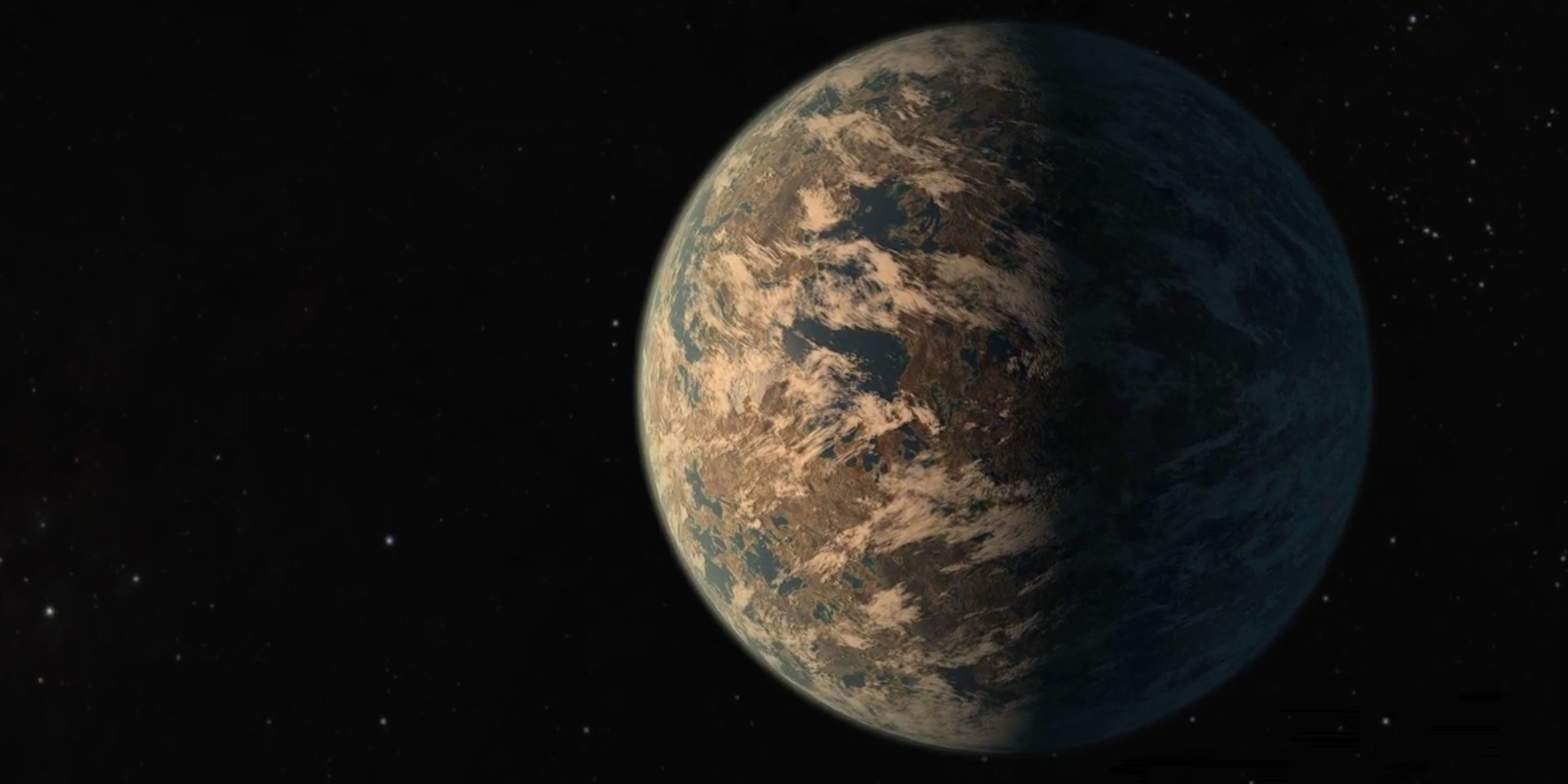
Learn what we know about some faraway planets, how we can detect planets in our Milky Way galaxy, and what we can learn about exoplanets’ atmospheres in these videos.
Are you interested in playing...
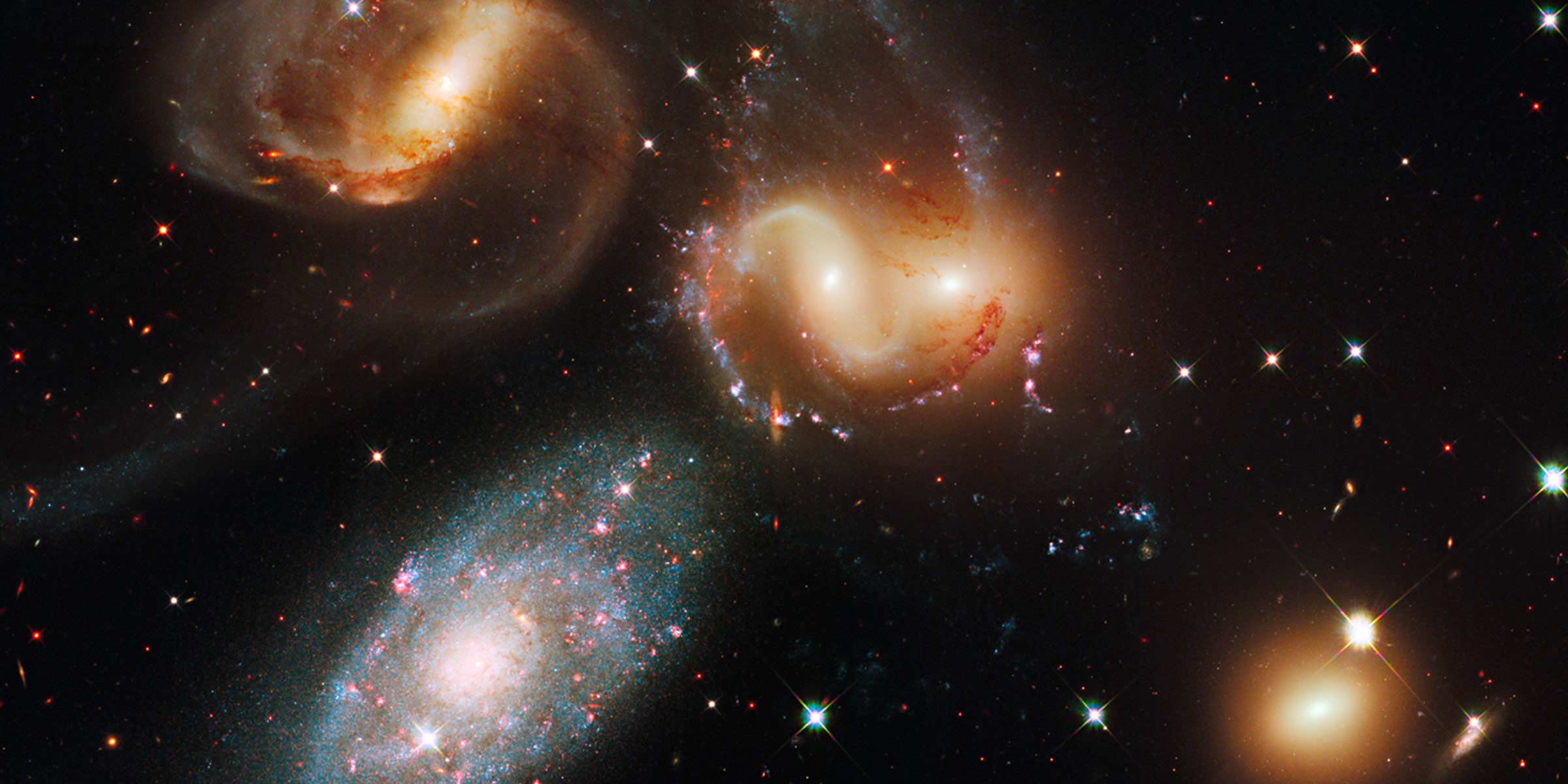
When galaxies are drawn toward each other by gravity, stars and planets can pass by each other unharmed, but the gas and dust between stars collide. The gas is compressed and heated, setting off waves...
How big is the universe? What happened after the big bang? How do we know the universe is expanding? Explore what we know about the history and origin of the universe in this video series.
Are you interested...
Help viewers explore what infrared light is and how it helps us see more of the universe in these engaging videos.
Are you interested in playing ViewSpace in your museum, library, or other informal learning...
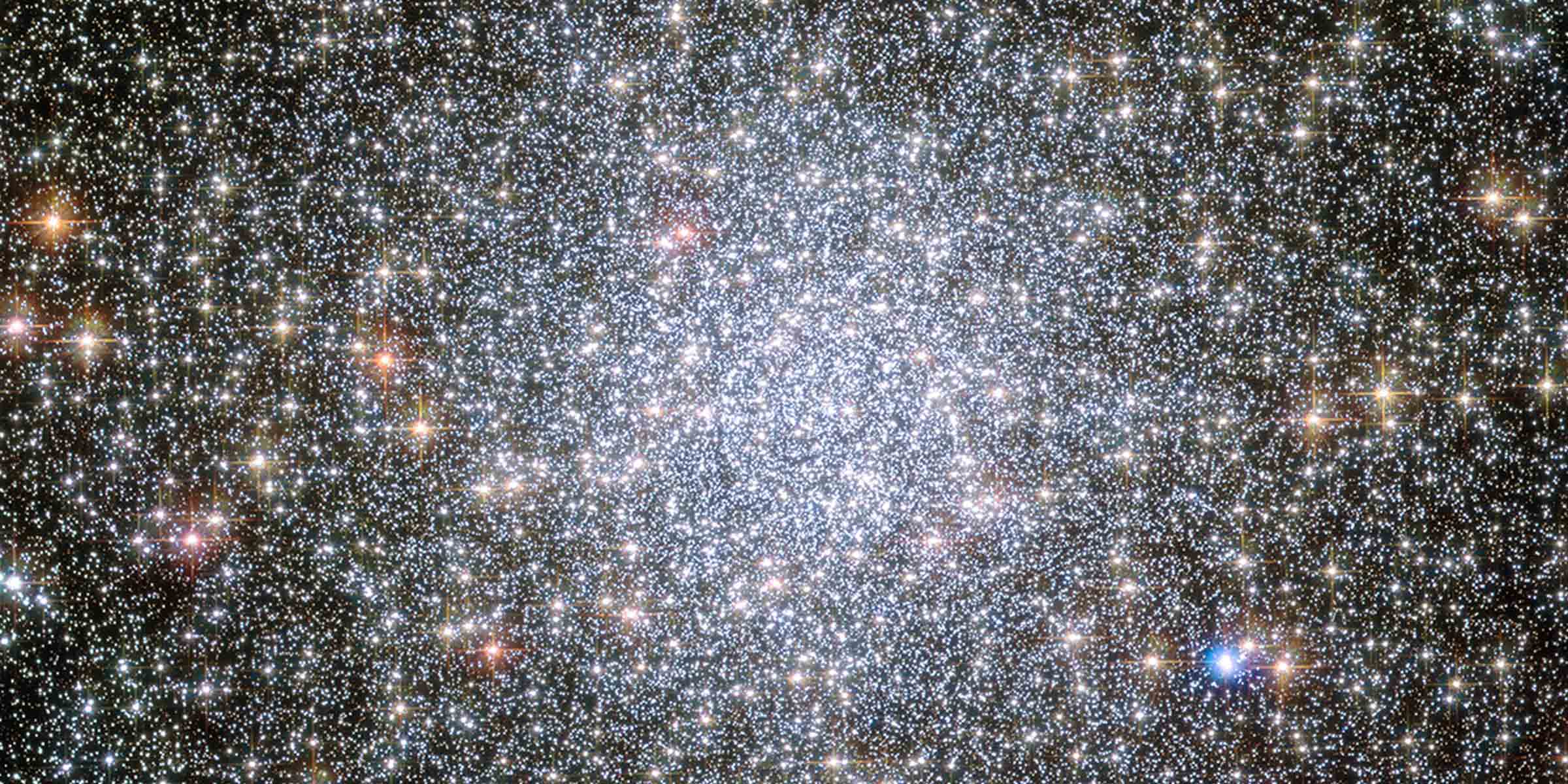
Explore stars of all temperatures, masses, and types in these videos – from massive stars and nebulas to pulsating stars and light echoes. Also get an up-close look at our sun’s spectrum in...
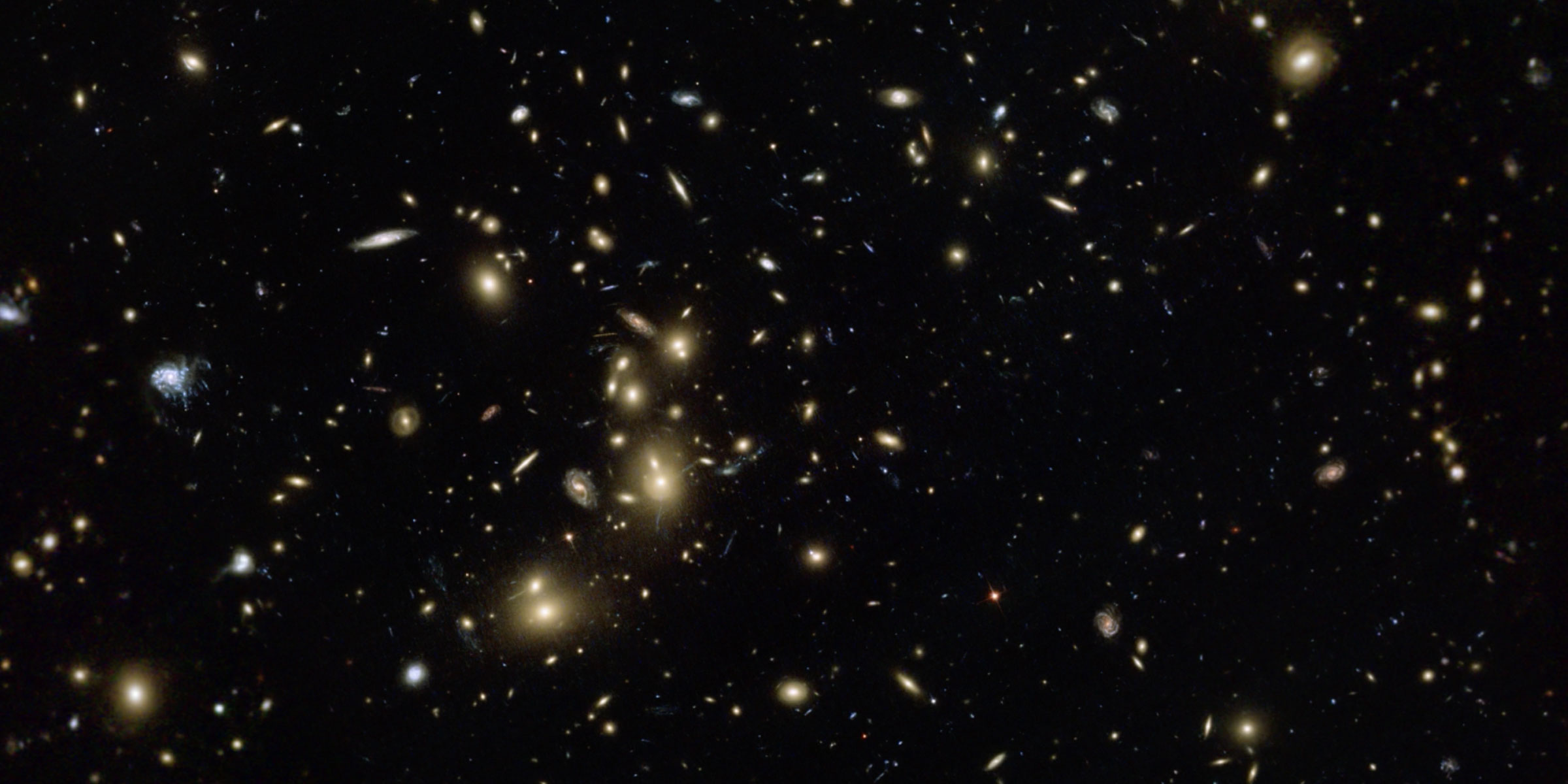
Examine galaxies up close: These videos showcase stunning spiral, elliptical and irregular galaxies, show what various light reveals about certain targets, and link galaxies to larger structures like galaxy...
By observing at the same area of the sky for extended periods, space-based telescopes have the ability to capture faint light that left distant objects in the universe billions of years ago, but is only...
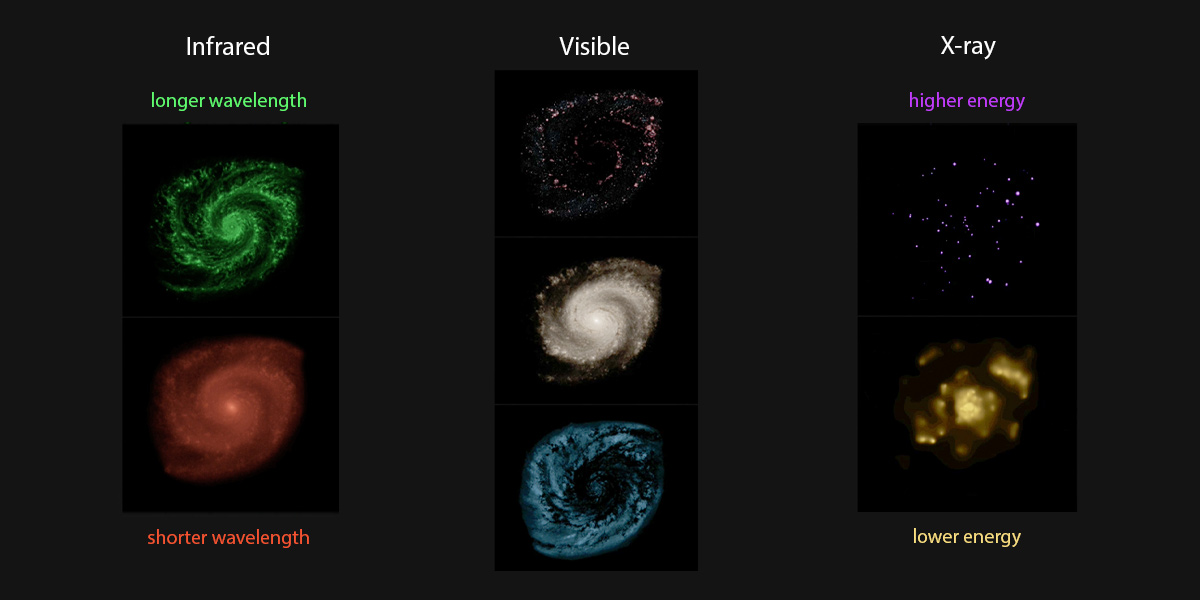
The Whirlpool Galaxy is a magnificent spiral galaxy that has been studied across the electromagnetic spectrum by NASA's Great Observatories. This remarkable video uses two-dimensional images and three-dimensional...