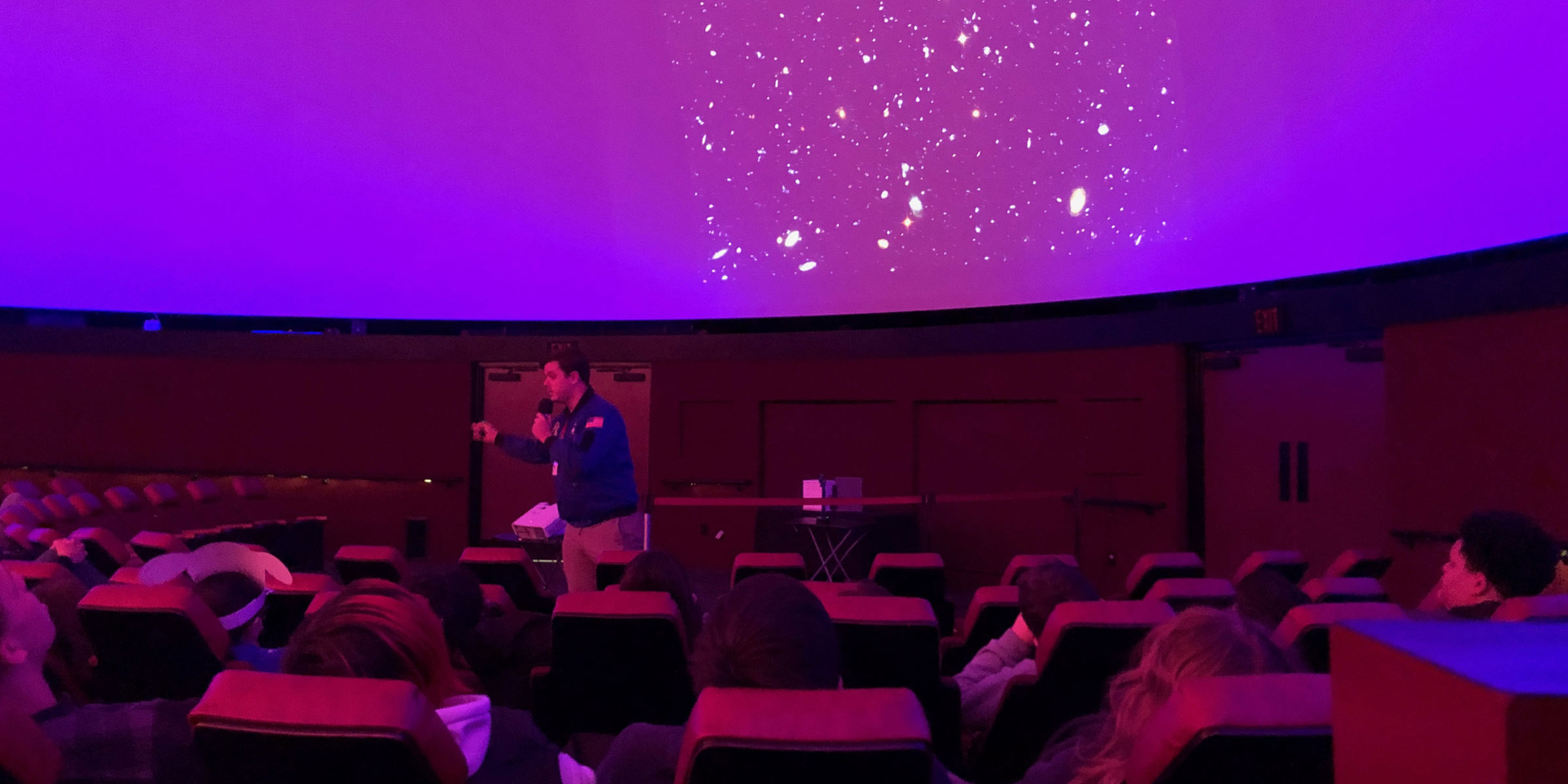
Carnegie Science Center’s Buhl Planetarium Space News is a 10-minute planetarium pre-show experiences that uses live, theatric demonstrations and supported flat screen presentations. Segments ended...
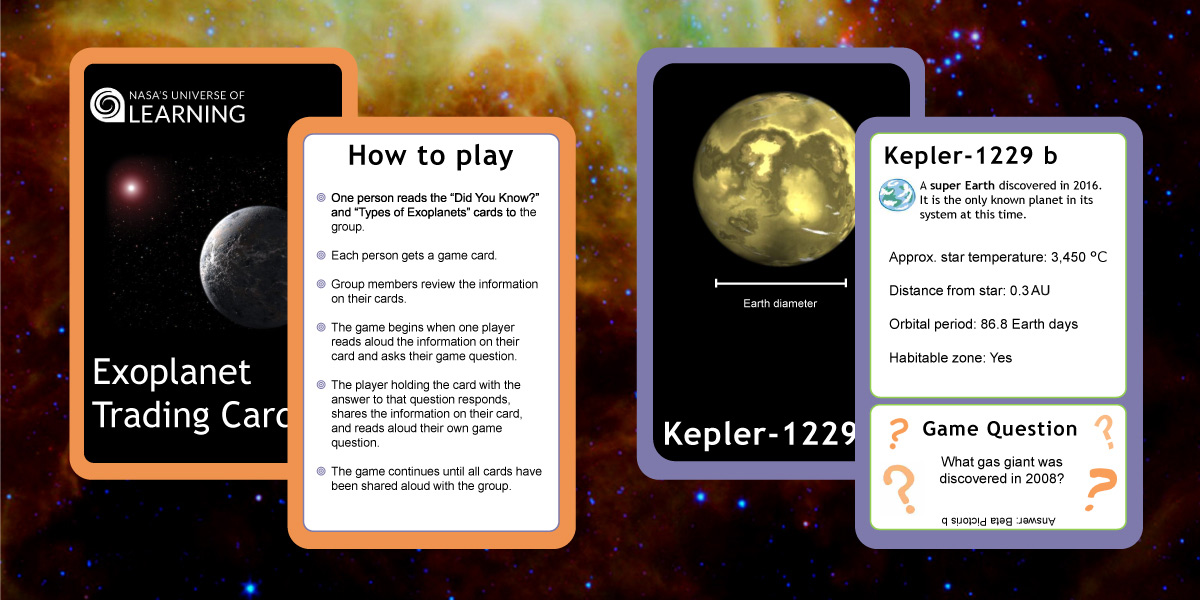
These cards and activities are designed for families and small groups of learners 12 and older, but can be adapted for any age range. The deck contains a “How to Play” card, a “Types...
Explora produced three NASA Explorations on distinct topics, detailing ideas and hands-on activities to support and extend the existing NASA’s Universe of Learning content in collaboration with educators.
This...
Cerritos Library created and implemented a variety of programs to engage the community in science, technology, engineering, arts, and mathematics (STEAM) activities, including Robotics Night, Astronomy...
Mid-America Science Museum created Tonight’s Sky, an immersive viewer experience that allowed participants to explore the sky currently above them in a deep and meaningful way. The show provided...
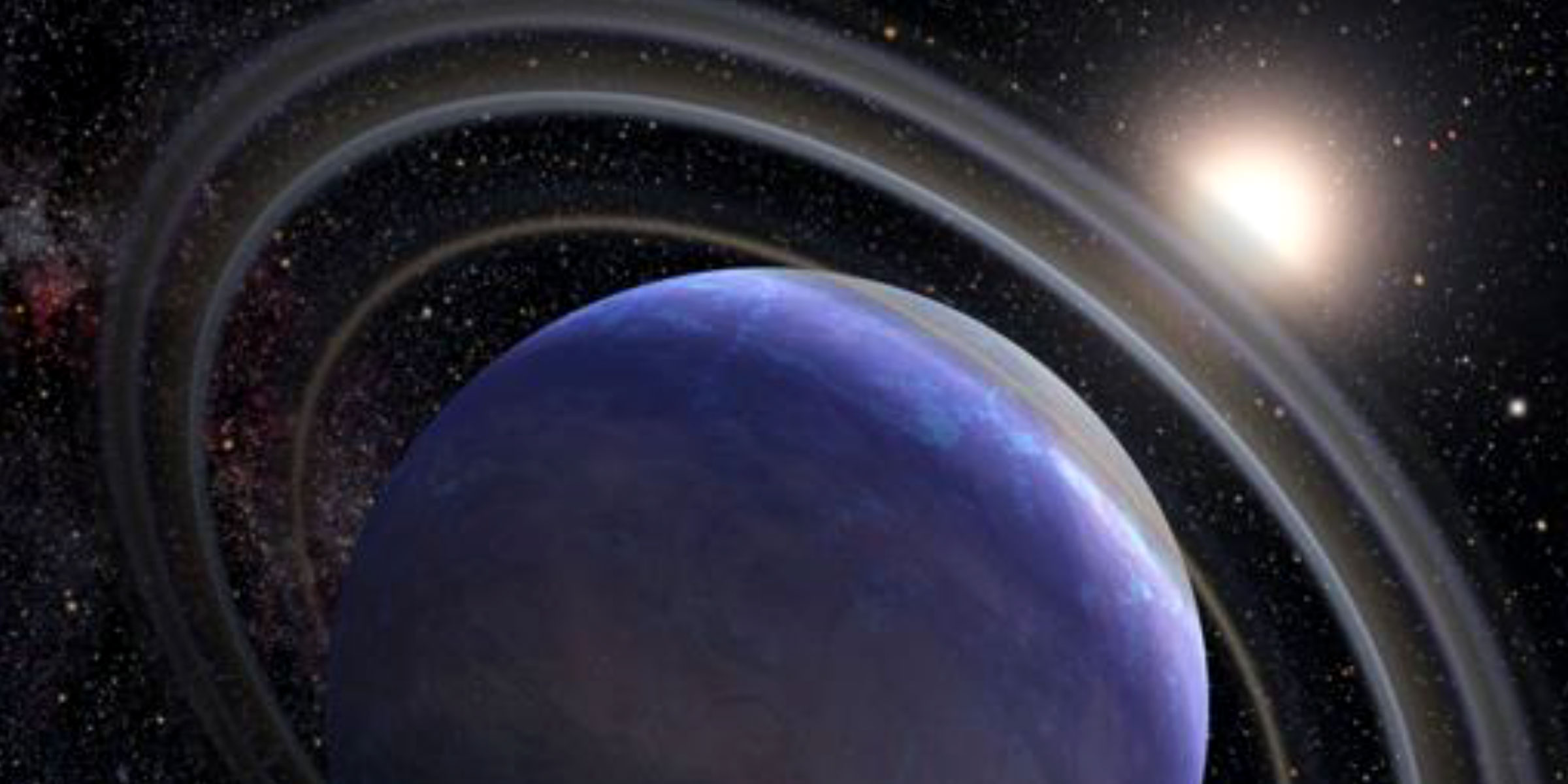
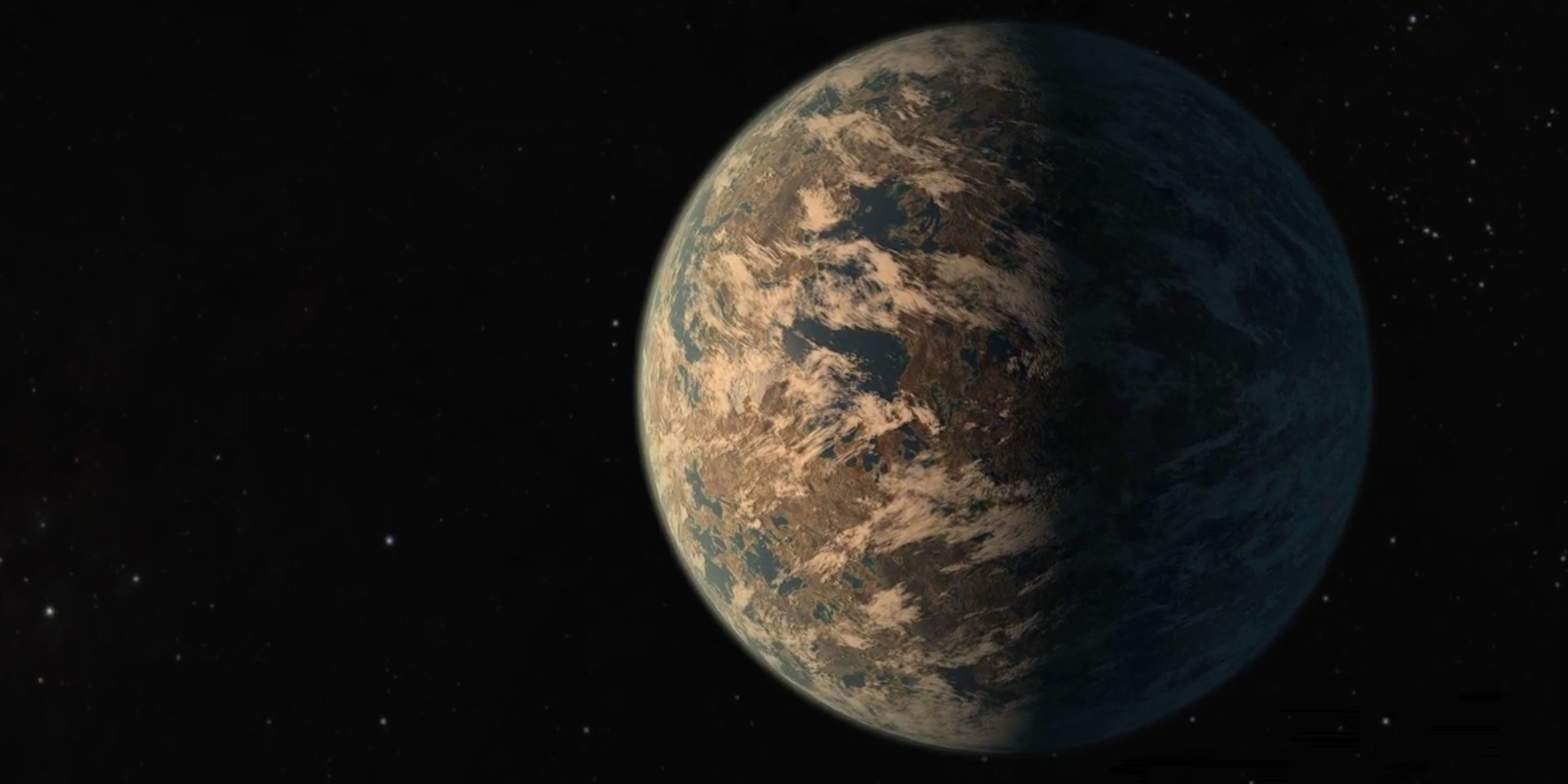
NASA studies exoplanets – the planets beyond our solar system – with telescopes on the ground and in space, but our best idea of what they might look like comes from artists’ illustrations...
New planets are being discovered on a regular basis, but that’s not the end of the story. After new planets have been discovered the scientific community needs to follow up with further investigations....
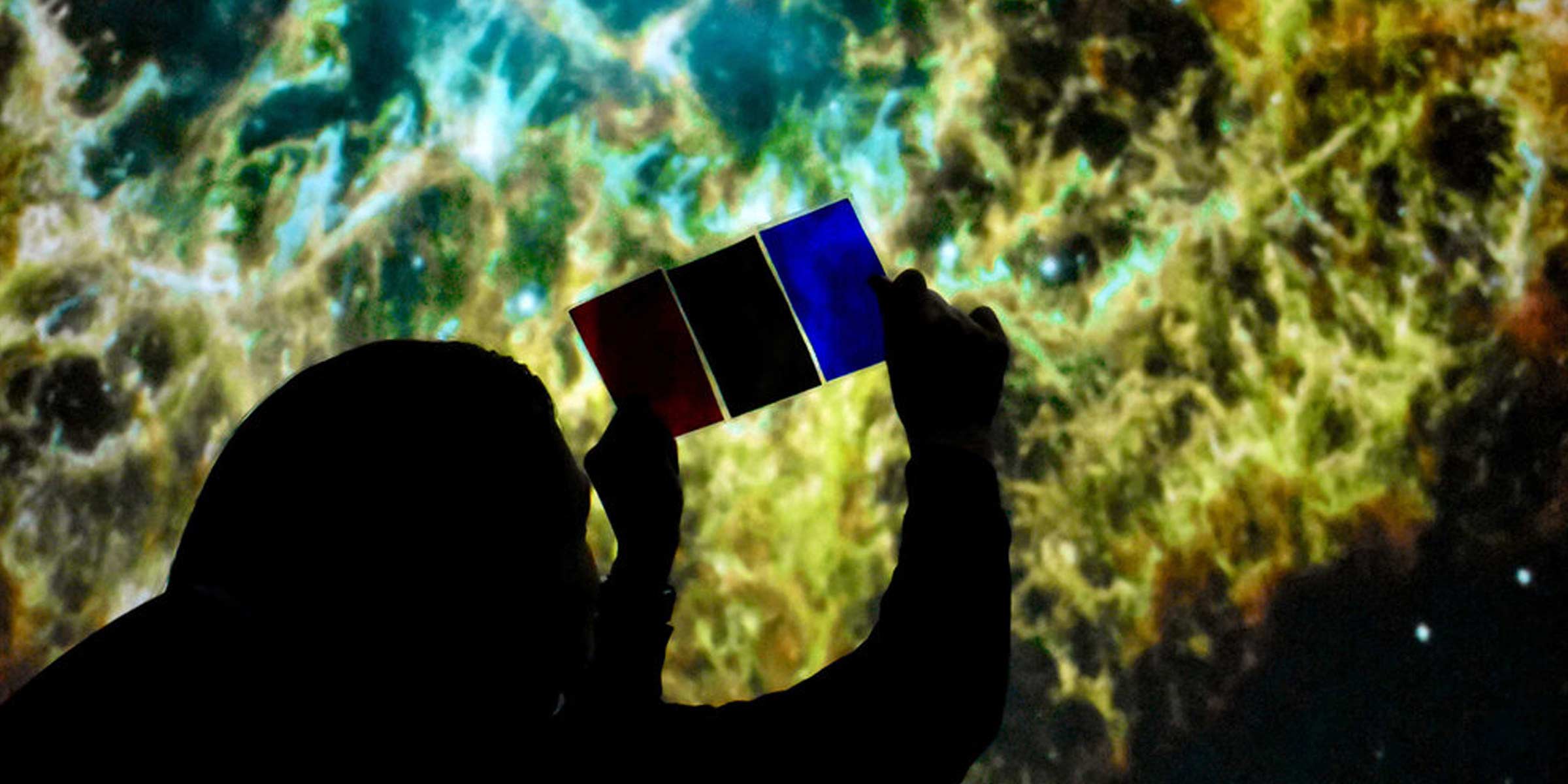
Our Hidden Universe is a hands-on planetarium show. Participants are given a kit of materials and encouraged to make their own observations throughout the show. The show focuses on various tools that were...
"Discover Exoplanets: The Search for Alien Worlds," a free NASA exhibit, brings the excitement of exoplanets and NASA’s Universe of Learning to communities by providing local organizations...
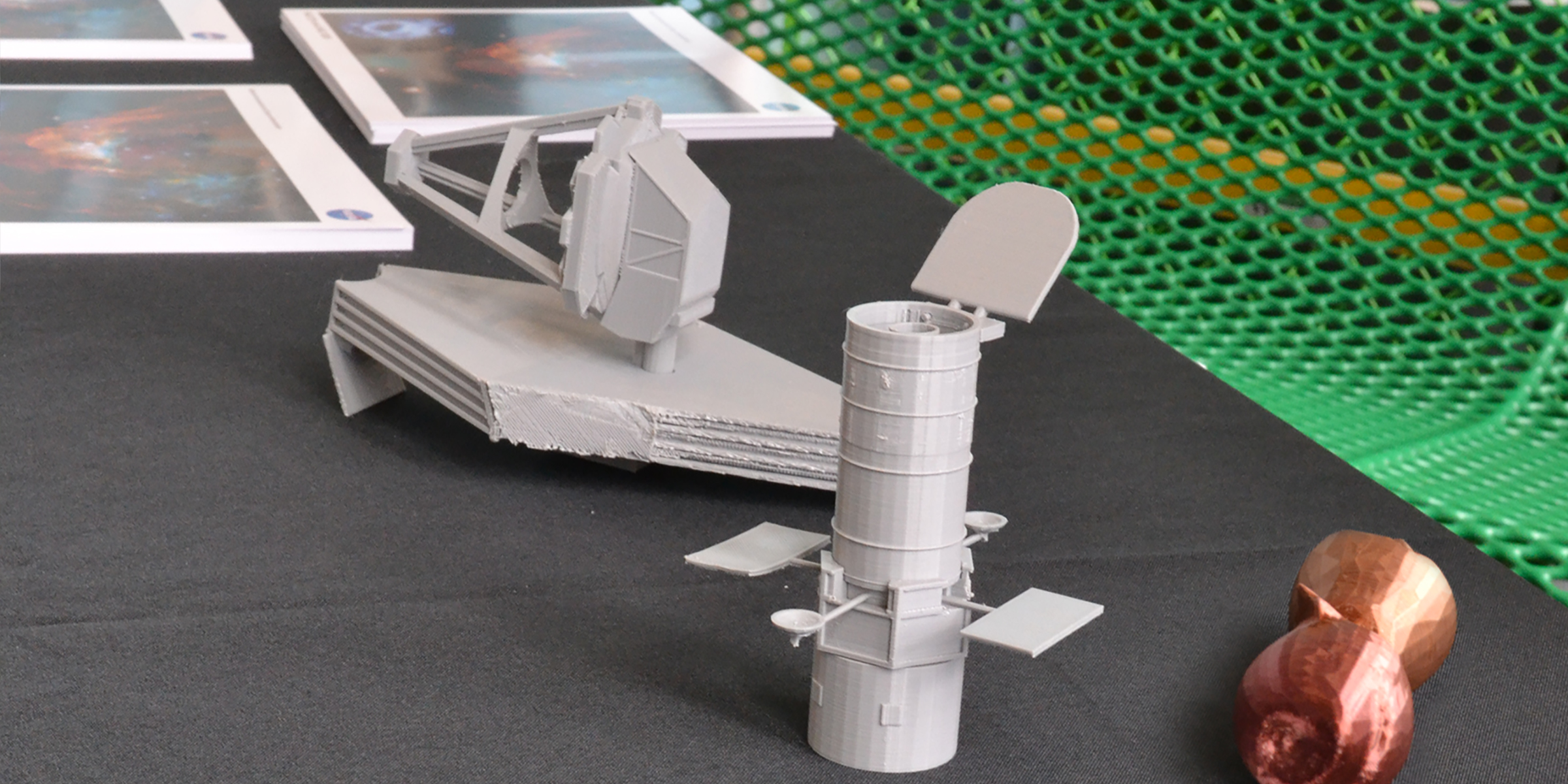
This tabletop activity by Science Central uses 3D printed representations of objects beyond the Solar System to give participants a sense of the scale of extrasolar objects and allow participants with...
What is life? And where does it come from? These are questions that astrobiology helps us explore. Astrobiology is the study of life in the universe. Astrobiologists study how life originated, developed,...
Use Exoplanet Watch's official data reduction tool EXOTIC (Exoplanet Transit Interpretation Code) to analyze a sample dataset of the transiting exoplanet, HAT-P-32b, to produce your own transit light...
Want to check out some of the thousands of exoplanets that NASA's astrophysics missions have discovered from the comfort of your own home? Check out the Exoplanet Travel Bureau for different ways to...
Want to delight audiences with information about planets discovered outside our solar system? Share one or more of the many resources about exoplanets, including in-person activities, videos and online...
Learn what we know about some faraway planets, how we can detect planets in our Milky Way galaxy, and what we can learn about exoplanets’ atmospheres in these videos.
Are you interested in playing...