EDUCATIONAL RESOURCES AND EVENTS
Educational Resources and Events Catalog
Filter Results
-
Program Guide & Resources: Finding Exoplanets
Resource GuideMany exoplanets — worlds beyond our solar system — are very small and faint compared to their bright host stars, making it nearly impossible to spot them directly. Despite this, astronomers...
-
Lights, Coronagraph, Action! An Exoplanet Direct Imaging Demo
ActivitiesIn this demonstration, participants will learn about the direct imaging method astronomers use to find exoplanets — planets outside our solar system. Using a trifold display board and a lamp, participants...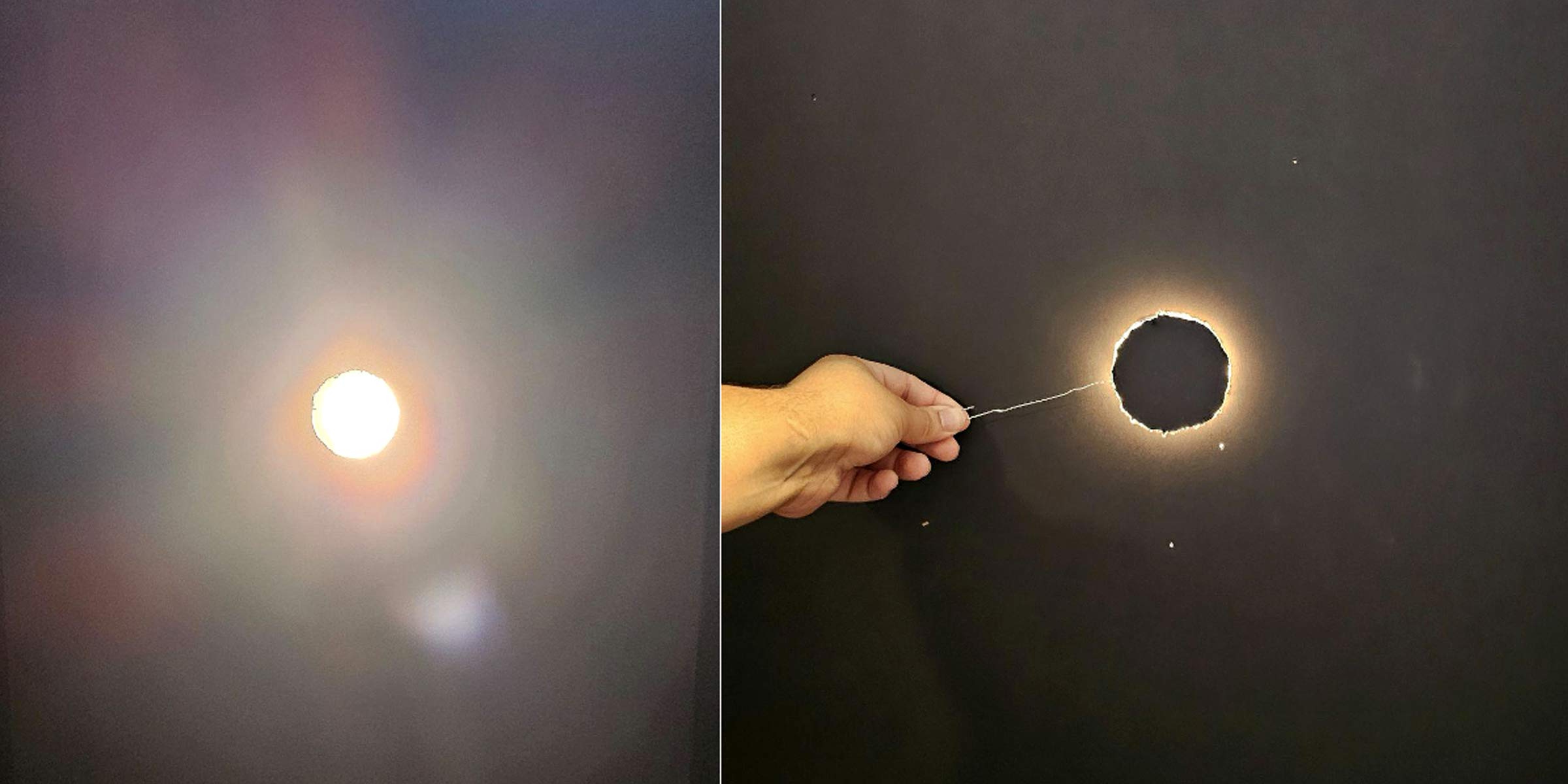
-
Exoplanet Detectives: A Transit Method Activity
ActivitiesIn this activity, participants will learn about the transit method to find exoplanets — planets outside our solar system. Using a trifold display board, a lamp, and exoplanet shadow puppets, participants...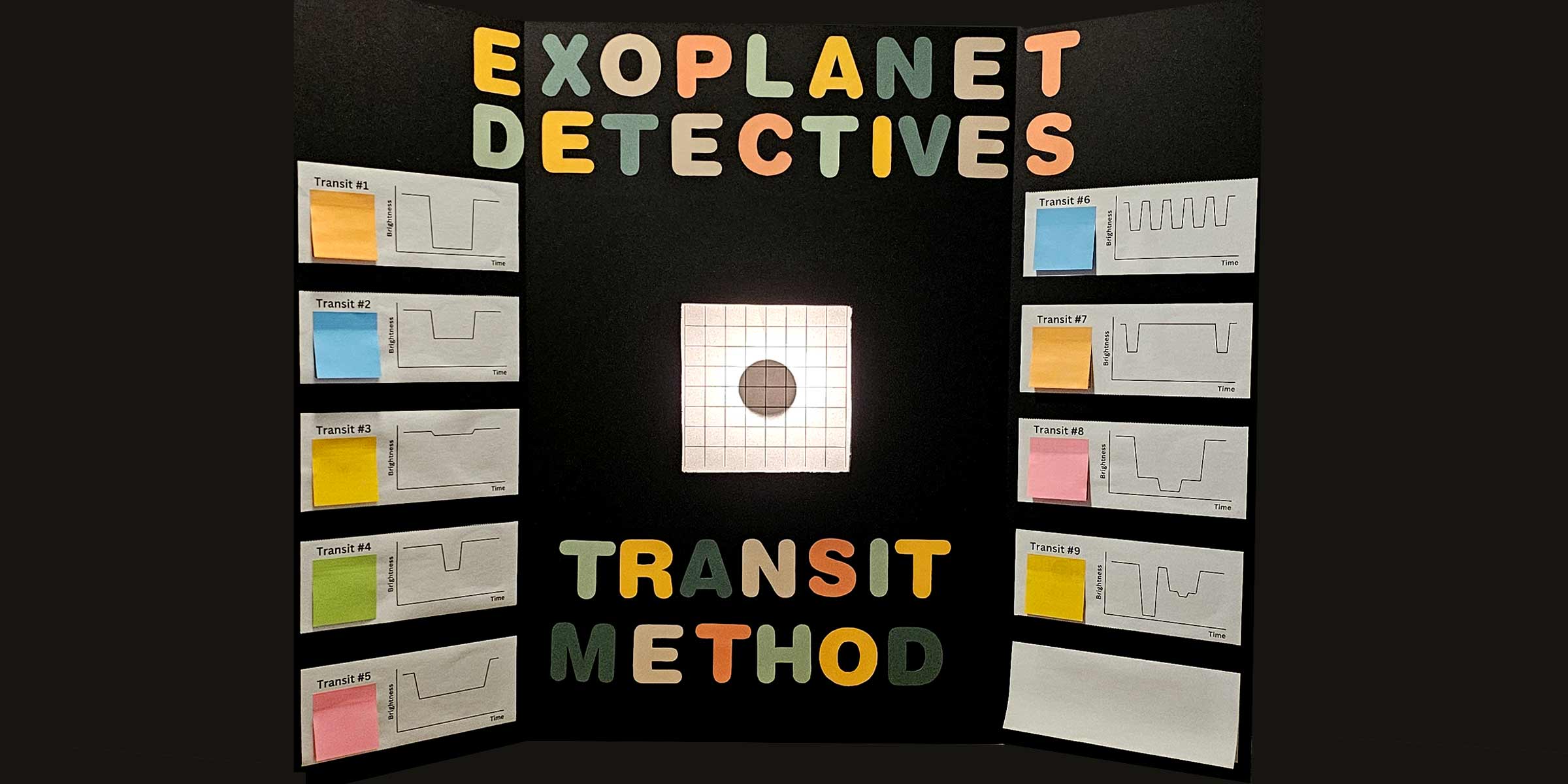
-
Science Briefing: Andromeda Galaxy
August 7, 2025 Professional Learning WebinarIn this edition of NASA’s Universe of Learning Science Briefings, we will learn about the formation and evolution of our nearest large neighbor galaxy, the Andromeda Galaxy. The clues to its formation ...
-
Cosmic Canvas: Stellar Evolution Program Guide & Resources
Activities | Resource GuideStars are born, live incredible lives, and eventually die — sometimes in dramatic ways! This journey, known as stellar evolution, helps us understand how stars shape the universe. With these program...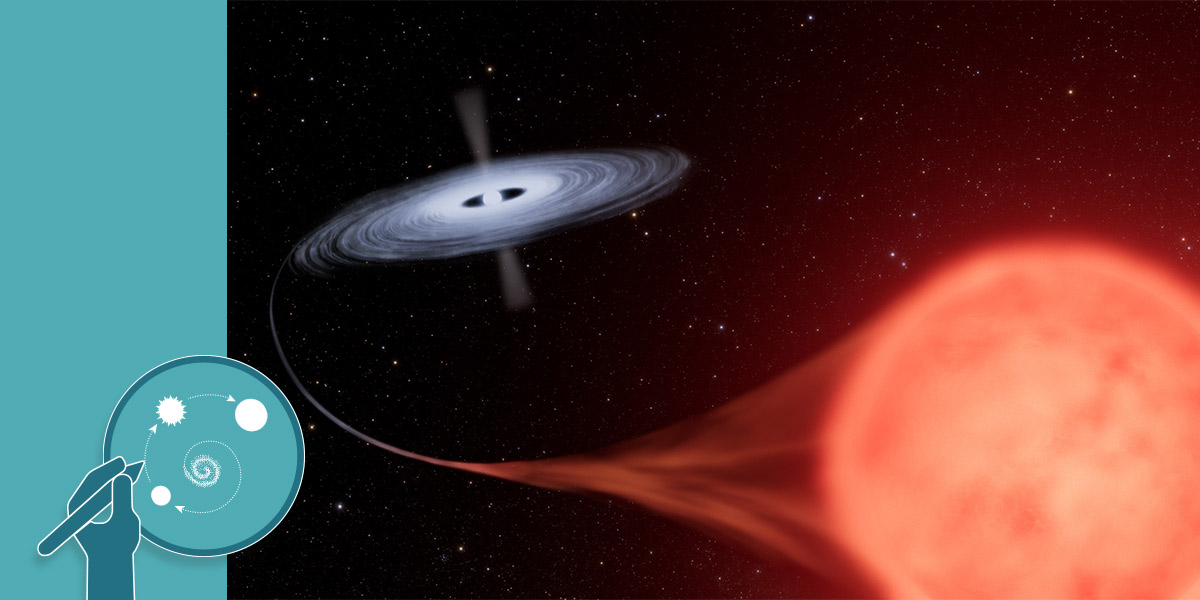
-
Cosmic Canvas: Exoplanets Program Guide & Resources
Activities | Resource GuideAstronomers have discovered thousands of exoplanets—planets beyond our solar system. Some exoplanets are hot and stormy, others icy and rocky, and some look wildly different than the planets within...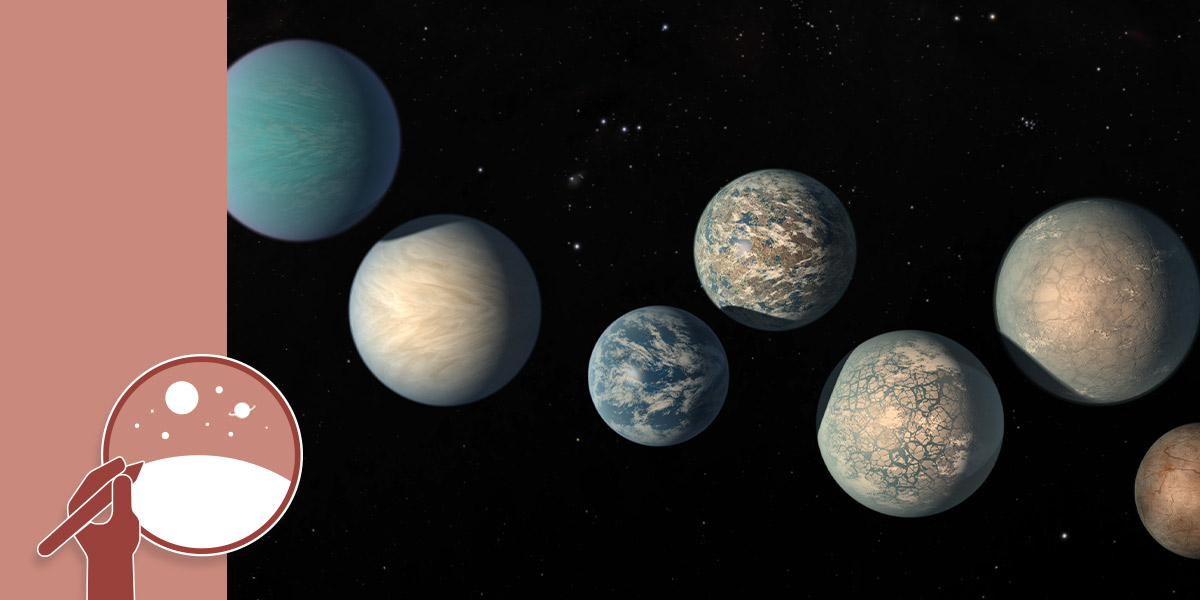
-
Science Briefing: The Dynamic Universe - From Exoplanets to Stars and Black Holes
March 6, 2025 Professional Learning WebinarIn this edition of NASA’s Universe of Learning Science Briefings, we will learn about objects in the universe whose brightness appear to change over time and what we can learn from them. Dr. Jennifer ...
-
Program Guide & Resources: Stars
Resource GuideStars are giant balls of gas held together by their own gravity. They have different colors and sizes, and like humans, they have a life cycle: Stars are born, grow old, and eventually die. With...
-
Program Guide & Resources: Data and Imaging Processing
Resource GuideScientists rely on computers not only to do calculations, but also to transform telescope data into images. Coding and programming are some of the many methods that astronomers use in order to study the...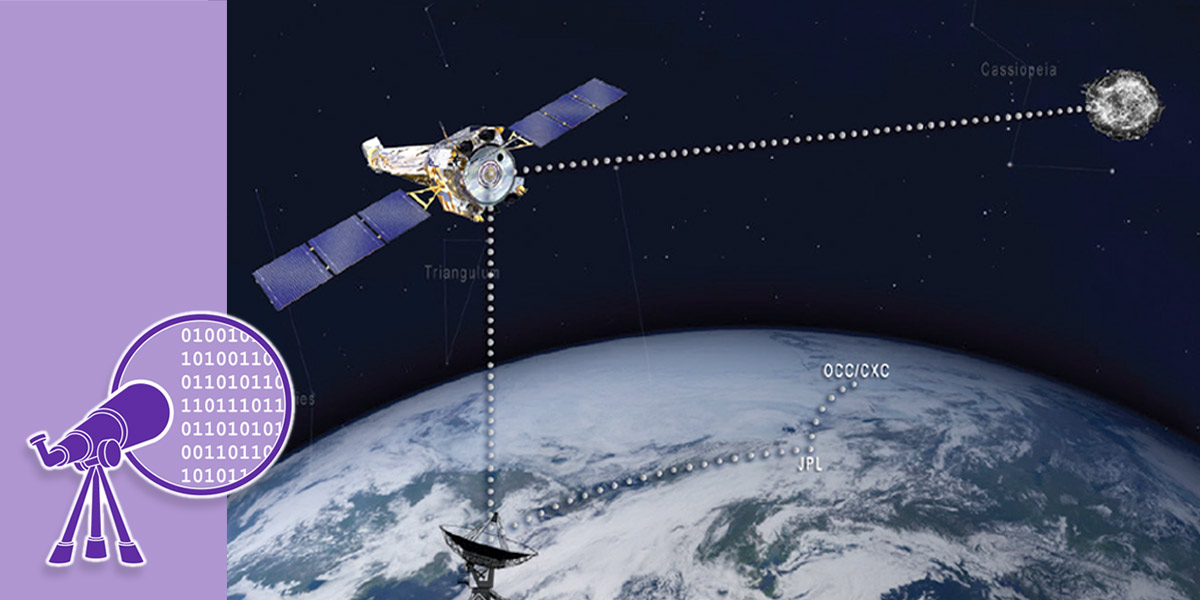
-
Program Guide & Resources: Electromagnetic Spectrum
Resource GuideAstronomers learn about space objects by gathering and analyzing the light coming from them. Since there is more than one type light, observations of multiple types of light from an object —multiwavelength...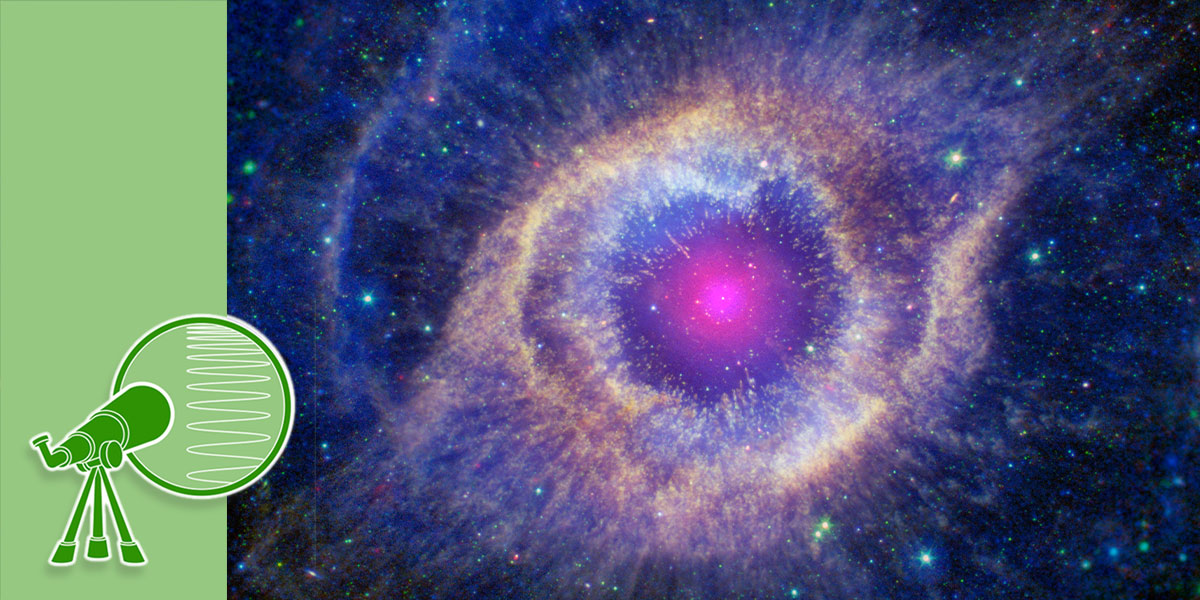
-
Science Briefing: Gravity: from Waves to Lenses
October 3, 2024 Professional Learning WebinarIn this edition of NASA’s Universe of Learning Science Briefings, we will learn about gravity, the fundamental interaction between bodies with mass which works on large scales and changes the trajectory ...
-
Science Briefing: Eclipses Here and Beyond: Solar Eclipse, Exoplanet Transits, and Resources for Facilitators
March 7, 2024 Professional Learning WebinarIn this edition of NASA’s Universe of Learning Science Briefings, we will discuss tools and resources to engage audiences as we approach the highly anticipated solar eclipse that will cross North ...
-
Science Briefing: Exploring the Lives and Deaths of Stars
October 5, 2023 Professional Learning WebinarIn this edition of NASA’s Universe of Learning Science Briefings, we will learn how low-, intermediate-mass, and massive stars evolve in single- and binary-star configurations. Dr. Roger Wesson ...
-
Science Briefing: Cosmic Chills: Vampire Stars, Black Widow Pulsars, and Dark Energy
August 3, 2023 Professional Learning WebinarIn this Halloween edition of NASA’s Universe of Learning Science Briefings, we will hear about some of the most terrifying objects in space just in time for you to use to create your own fall programming. Julia ...
-
Teachable Moments: Exploring the Mystery of Our Expanding Universe
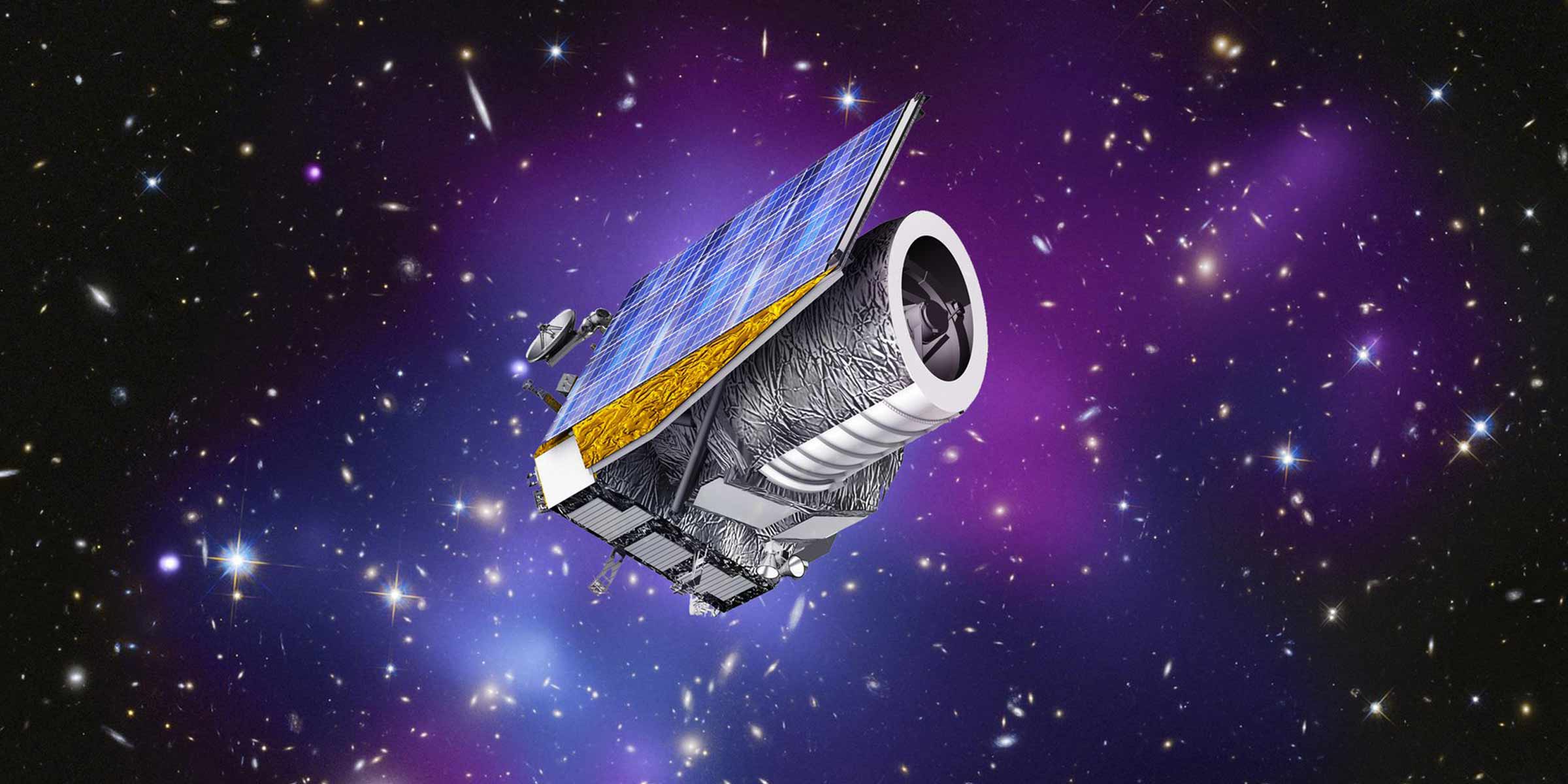
Article | Resource GuideScientists may soon uncover new insights about some of the most mysterious phenomena in our universe with the help of the newly launched Euclid mission. Built and managed by the European Space Agency,...