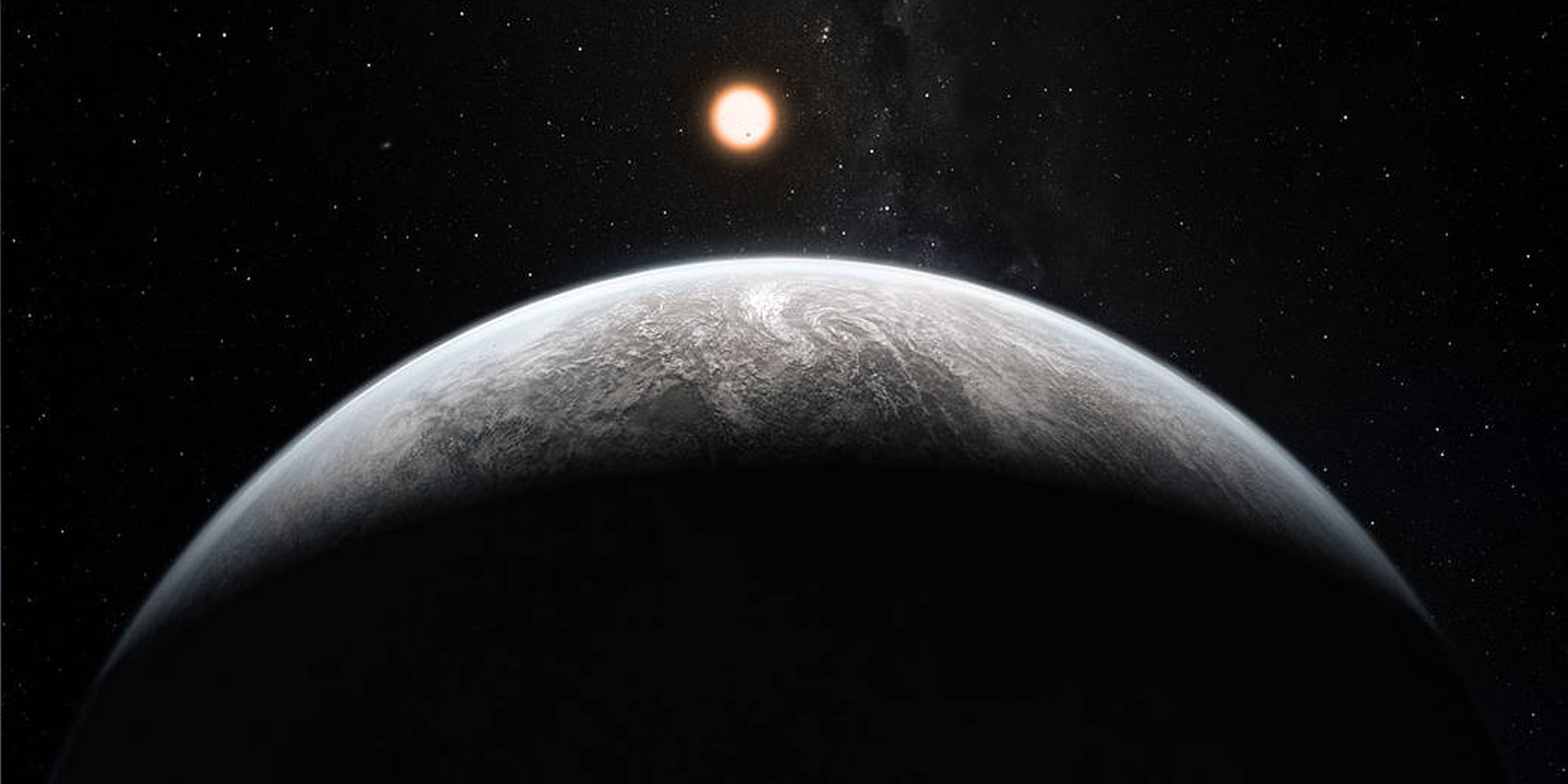
NASA’s Kepler Space Telescope found that the night sky is filled with more planets than stars! Explore attention-capturing videos about its discoveries.
Are you interested in playing ViewSpace in...
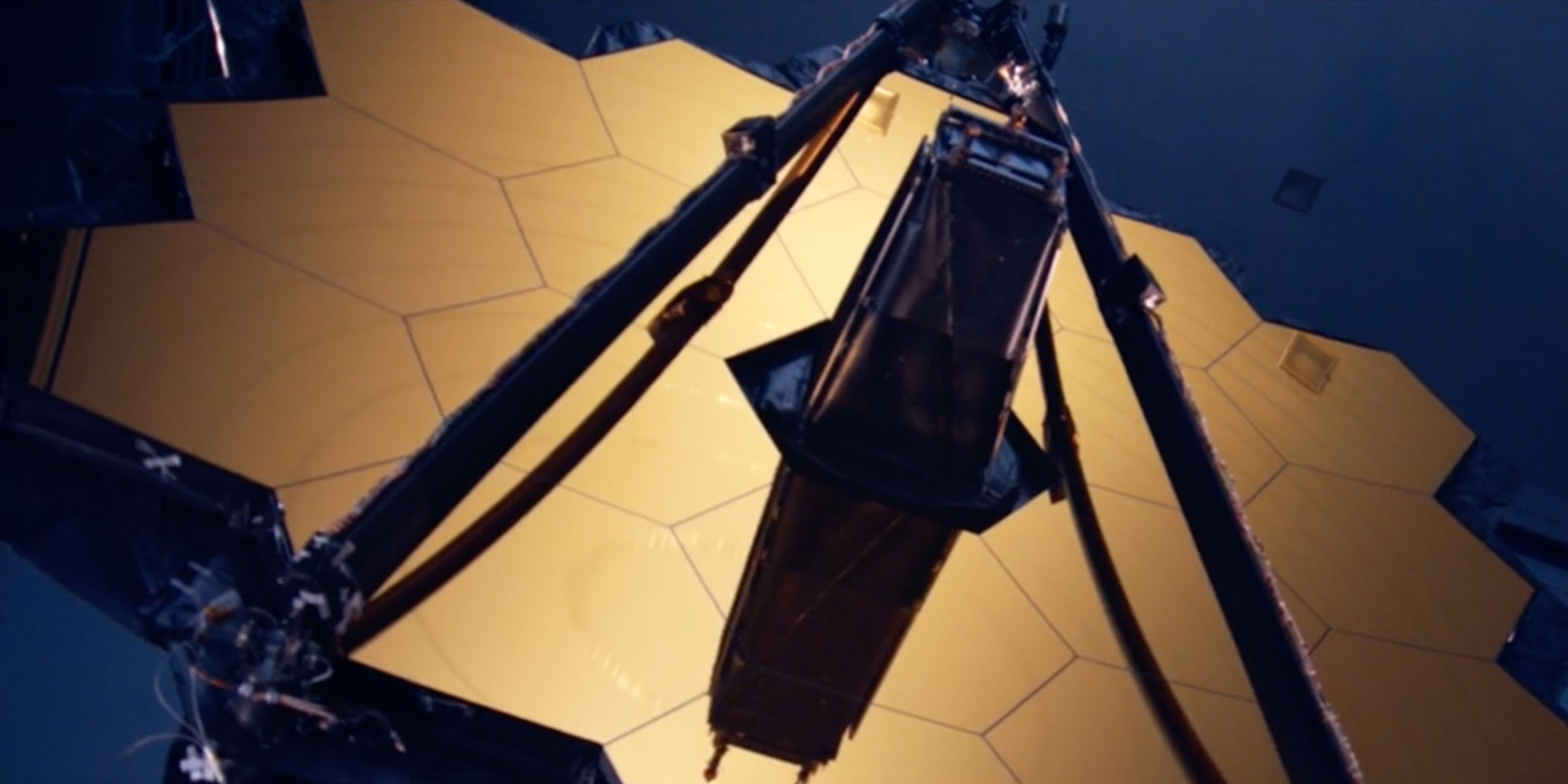
NASA’s James Webb Space Telescope provides a powerful view of the universe: Its instruments are sensitive to infrared light in high resolution. These longer wavelengths of light allow us to capture...
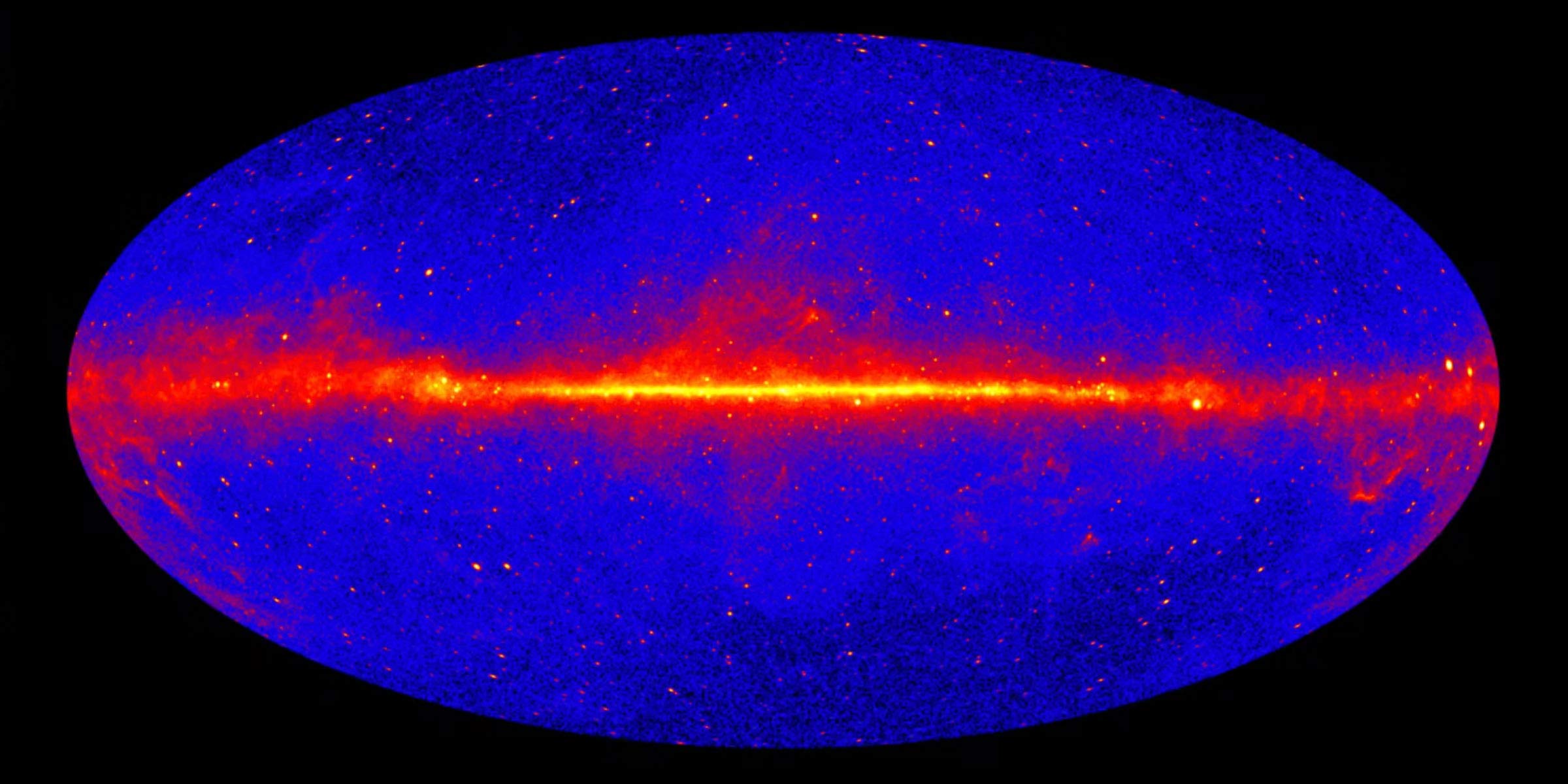
Gamma rays are produced by the hottest and most energetic objects in the universe, including neutron stars and pulsars, supernova explosions, and regions around black holes. See how this type of light...
Explore how NASA’s Fermi Gamma-ray Space Telescope opens a wide window on the universe by capturing gamma rays across the sky. These videos address how the observatory helps us answer persistent...
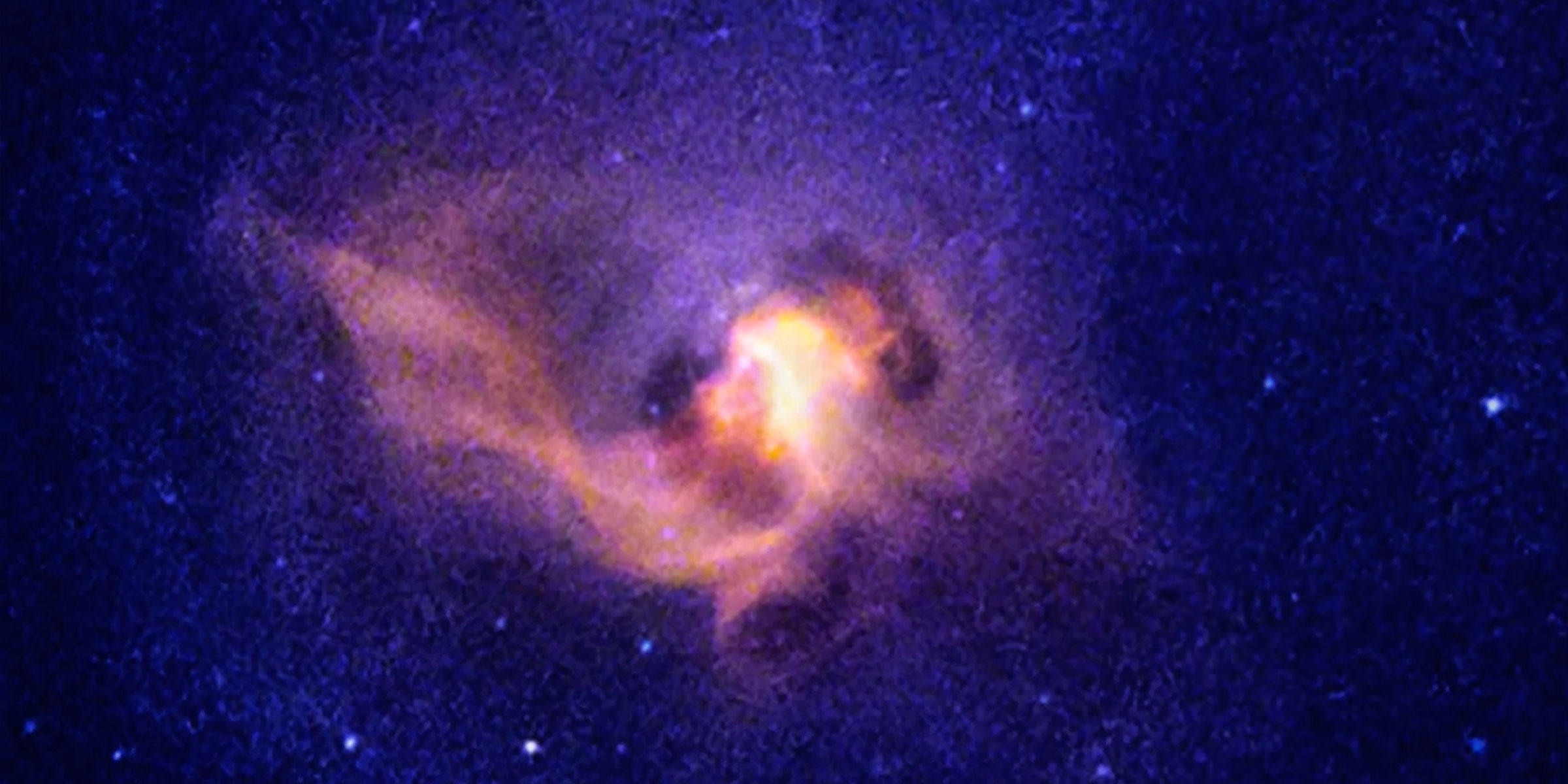
What are black holes? How can we detect them? These videos allow your visitors to journey to the centers of galaxies to explore what we know about these elusive objects.
Are you interested in playing...
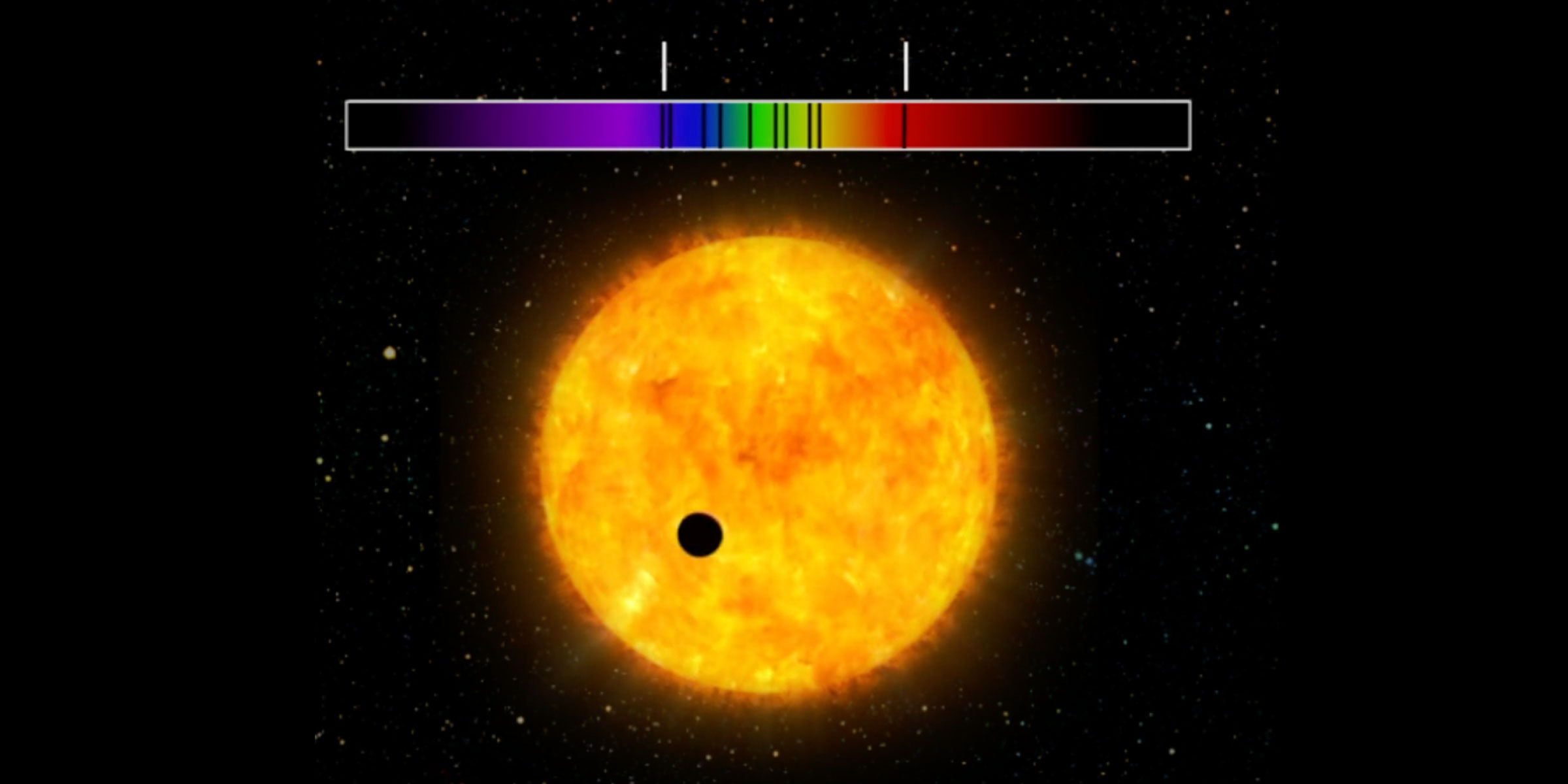
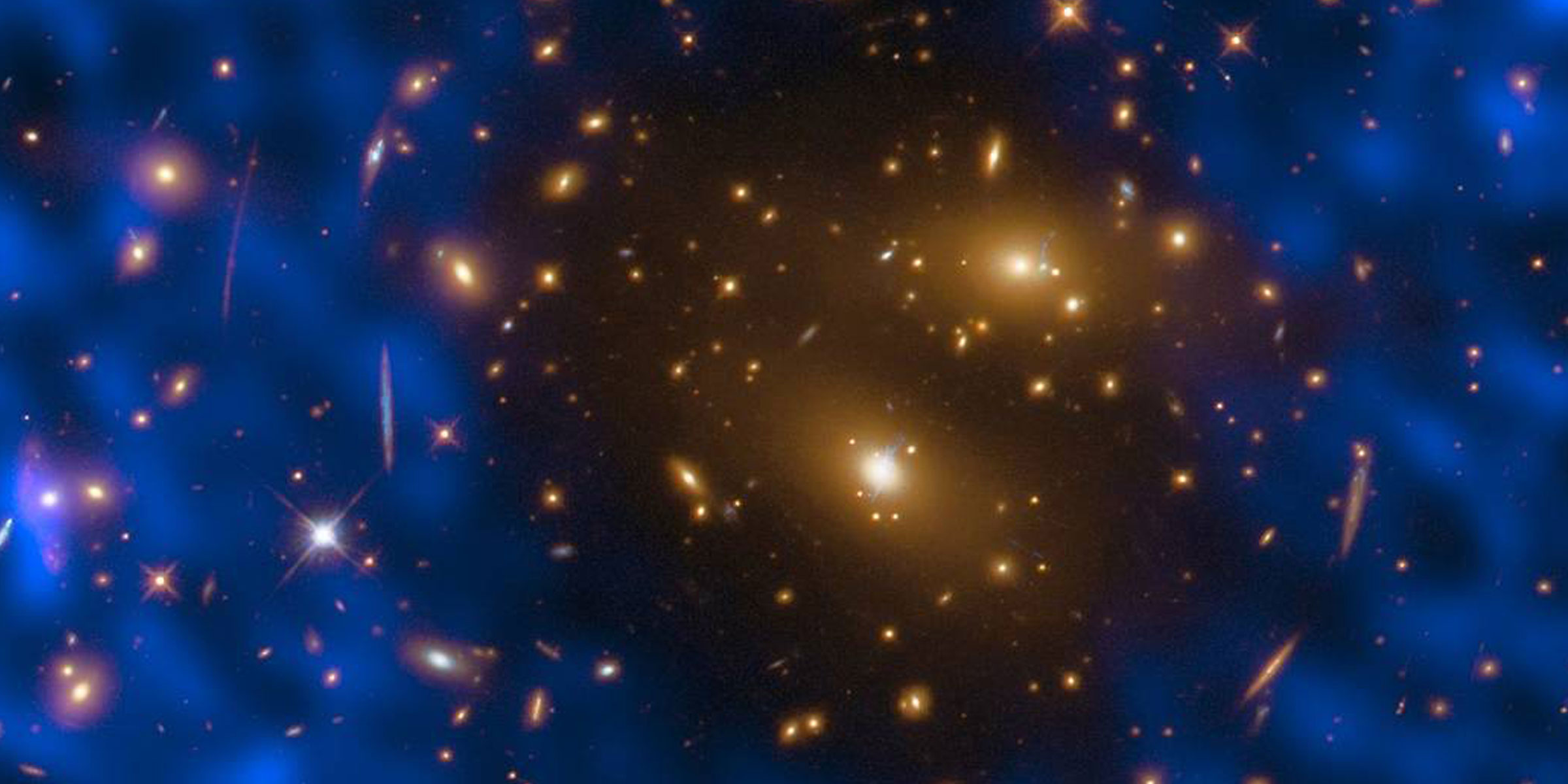
We know the universe is expanding, but how fast? Did you know that dark matter does not cast shadows? How does a star’s light reveal the makeup of an orbiting planet's atmosphere? Explore these...
Electromagnetic radiation – light – carries information to us from distant objects in space. Explore what light, in all of its frequencies, tells us about stars, galaxies, and the night sky...
As light travels for tens to hundreds of thousands of light-years to Earth, it carries information to us from galaxies, stars, black holes, and so much more. Explore what researchers can learn by analyzing...
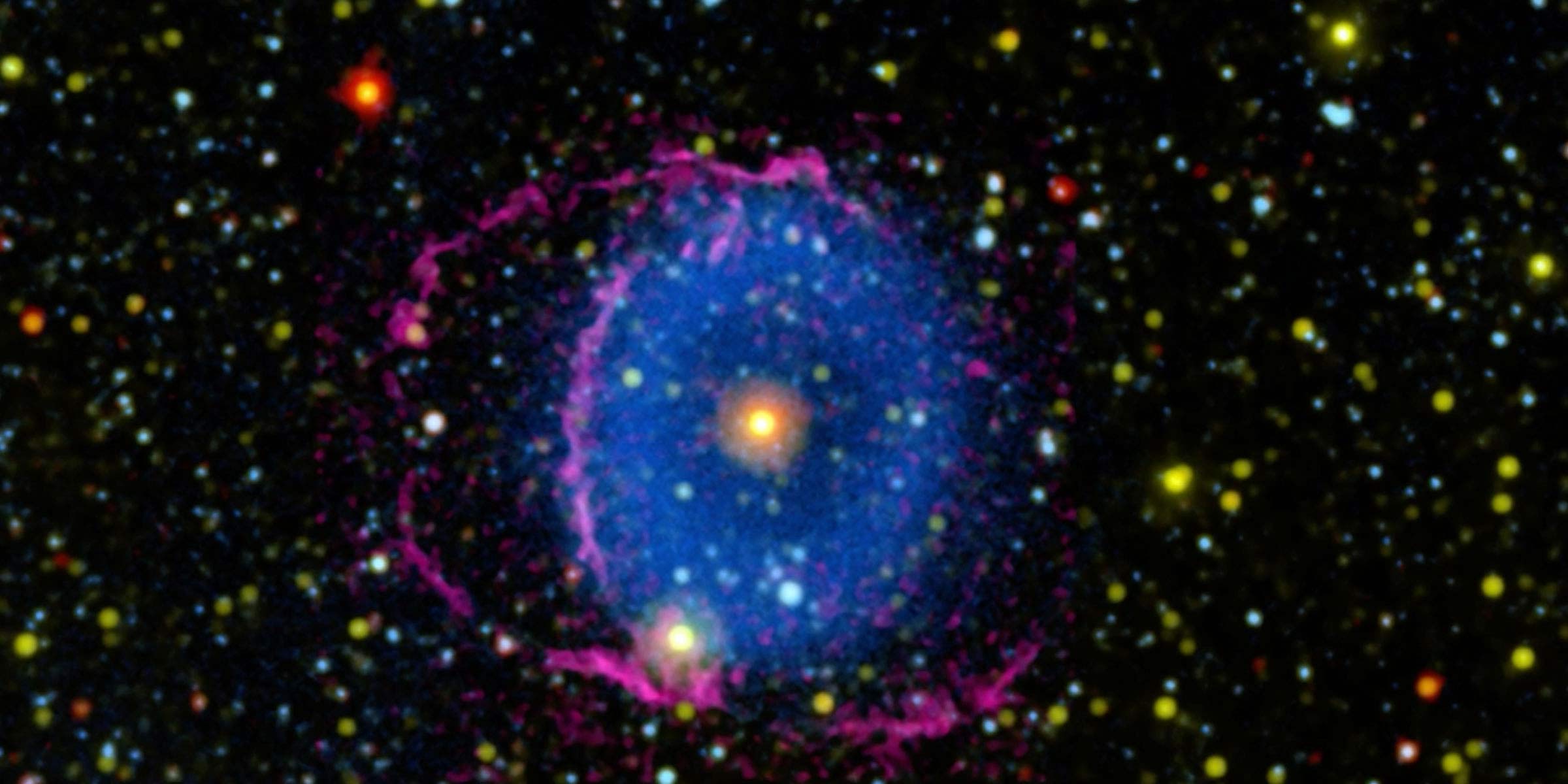
NASA’s Galaxy Evolution Explorer (GALEX) sent back ultraviolet light images of the universe. The telescope helped astronomers learn how the early universe evolved, and better characterize black holes...
Teach your visitors how combining light from across the electromagnetic spectrum helps us learn an incredible amount about the universe in this video series.
Are you interested in playing ViewSpace in...
Along with imaging, spectroscopy is one of the most common and useful techniques in astronomy. Spectroscopy is used to figure out what objects are made of, how hot they are, how dense they are, and how...
ESA’s Planck satellite studies the cosmic microwave background radiation, the most ancient light in cosmic history, released when the universe was just 380,000 years old. Learn what we know about...
Microwaves are even longer than radio waves. The oldest microwaves – extremely faint, low-energy light – have made it to Earth, revealing the afterglow of the big bang. Watch videos about how...
Radio waves are some of the most stretched out light in the universe – they have the longest wavelengths in the electromagnetic spectrum. Find out what they help us learn about galaxies, galaxy clusters,...
Explore how NASA’s Chandra X-ray Observatory helps us learn about exploded stars, clusters of galaxies, and matter around black holes. You can also help audiences compare its X-ray observations to...
View some of the most interesting discoveries of NASA’s Spitzer Space Telescope, which delivered the universe to us in infrared light. Highlights include star-forming regions, interacting galaxies,...
Ultraviolet light helps us learn about how stars form and shape their environments, traces the structure and development of galaxies, and has been detected on other planets in our solar system. Discover...
The universe is filled with objects that test the laws of physics, including extreme energies, new states of matter, and gravitational and magnetic fields that far exceed those on Earth. Explore what we...
Immerse your viewers in the scale of the universe, how galaxies change over time, and what the center of our Milky Way looks like (and why we don’t have a full image of it!) in these videos.
Are...
ESA’s Herschel Space Observatory studied the universe in far-infrared light and submillimeter radiation, revealing new details about the earliest, most distant stars and galaxies, as well as those...
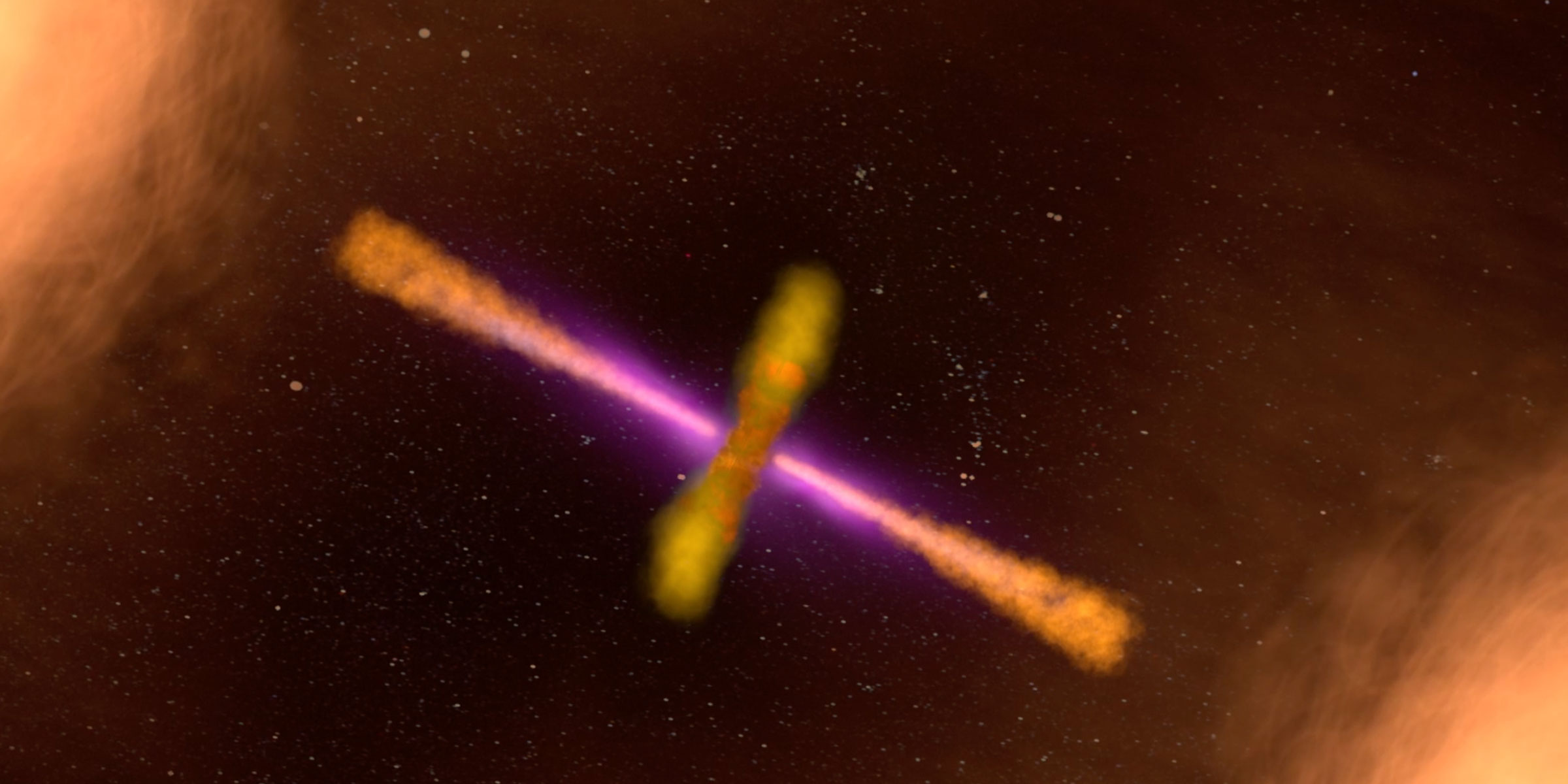
A black hole is a region of space packed with so much mass that its own gravity prevents anything from breaking away. Although we can’t see a black hole, telescopes can observe the material around...
What happens when a star dies? It varies! Some stars die slowly, giving off puffs of gas and dust before collapsing to form small white dwarf stars. Much larger stars die suddenly in powerful explosions...
Compare how X-rays deliver detail about some of the most energetic processes in the universe. Explore X-rays in the context of black holes, supernovas, and galaxy clusters in these engaging videos.
Are...
Help viewers discover the process of science! These videos explore how light travels, various telescope technologies, how we detect galaxies and exoplanets, and so much more.
Are you interested in playing...
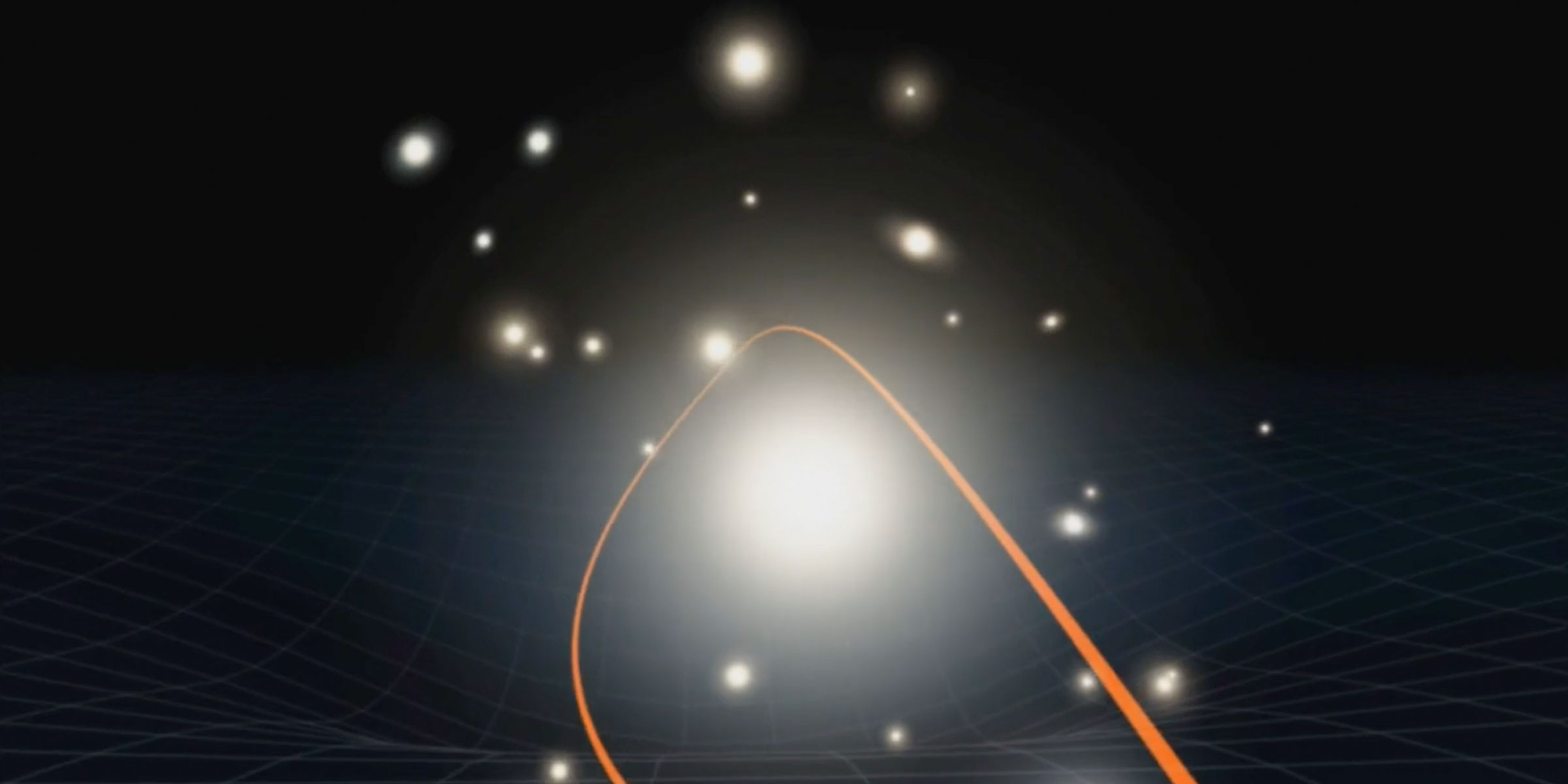
Scientists know more about what dark matter isn’t than what it is. We know dark matter exists because of its gravitational effects on objects we do see – objects that emit or reflect light....
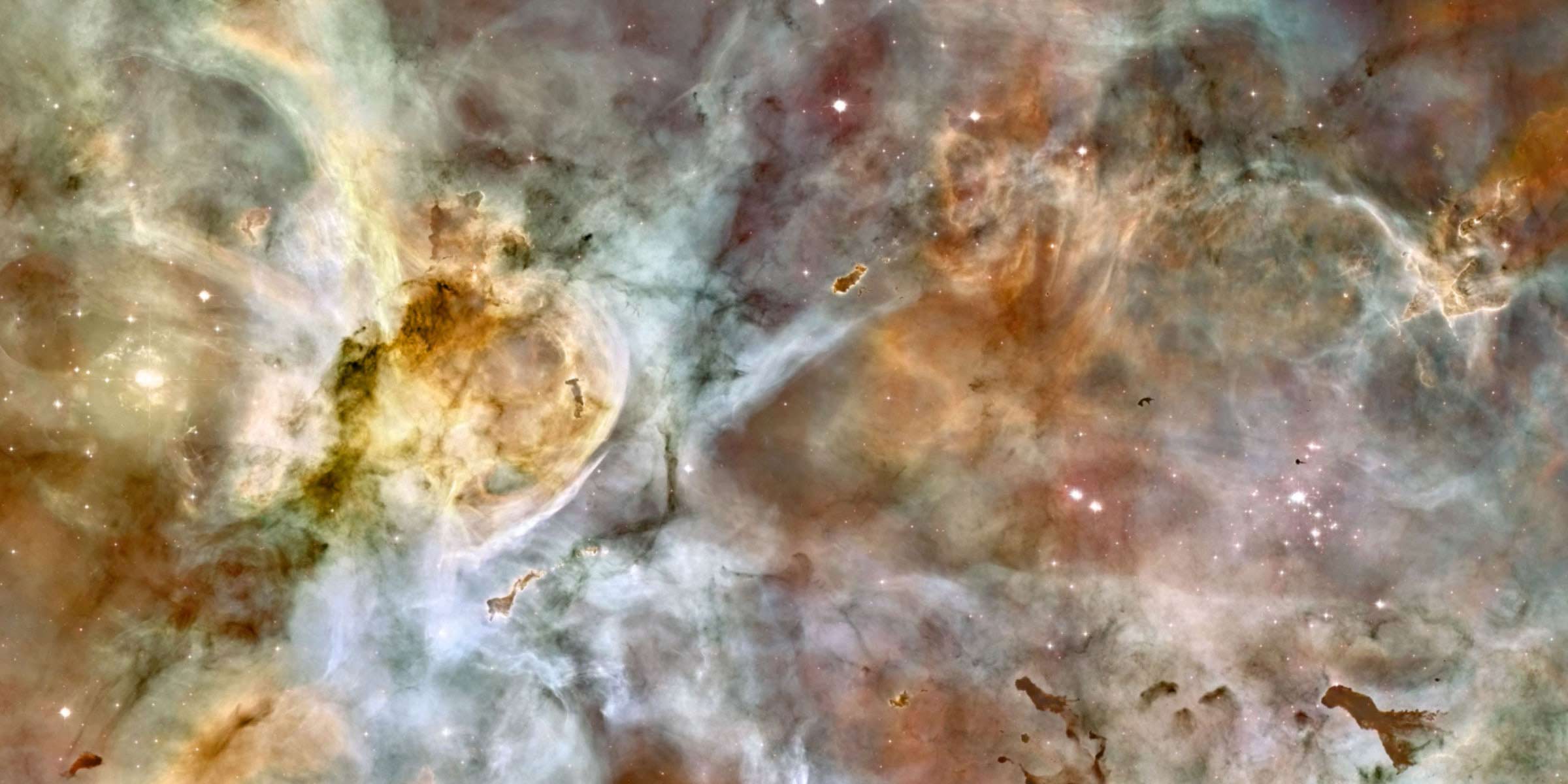
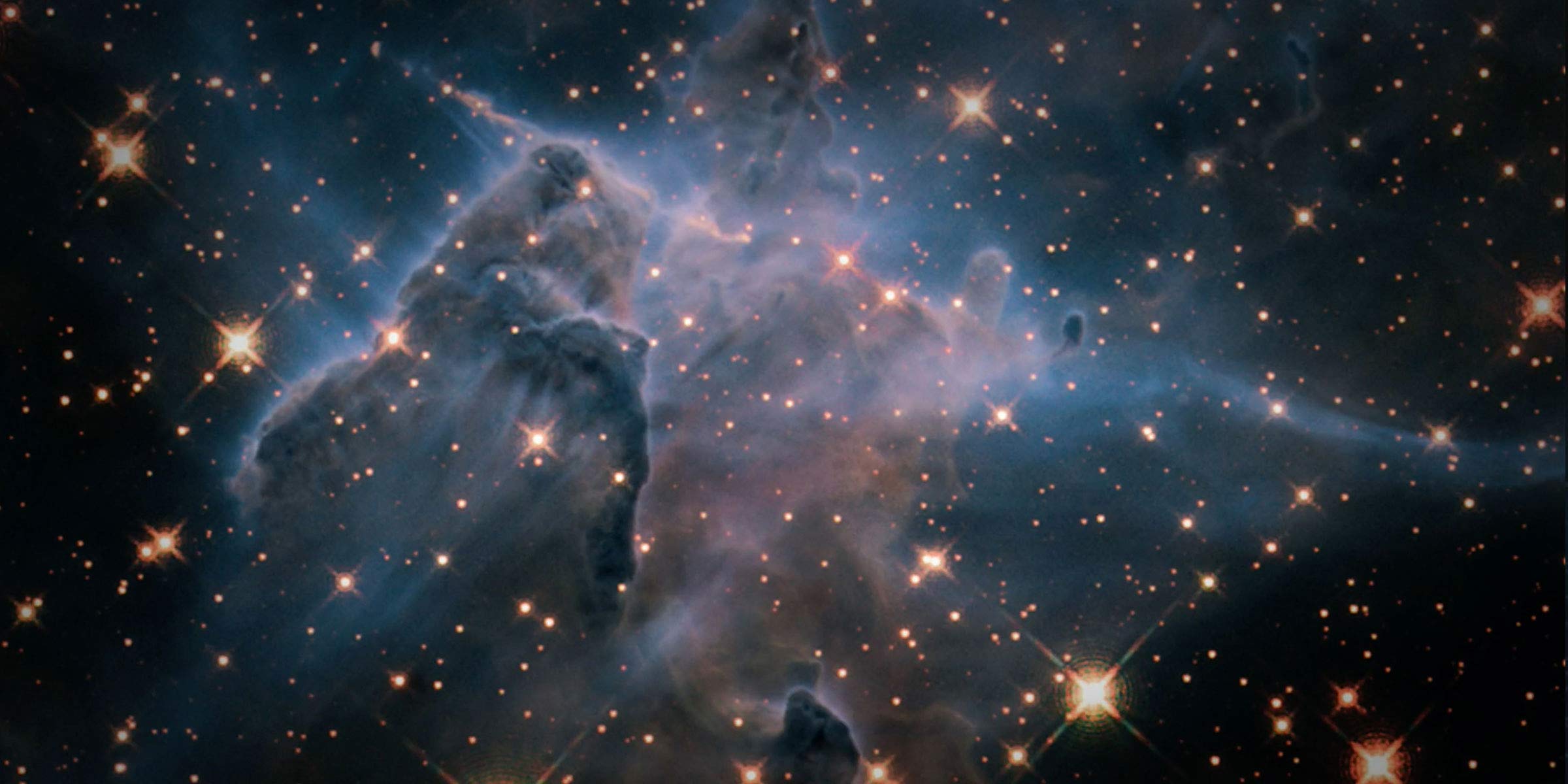
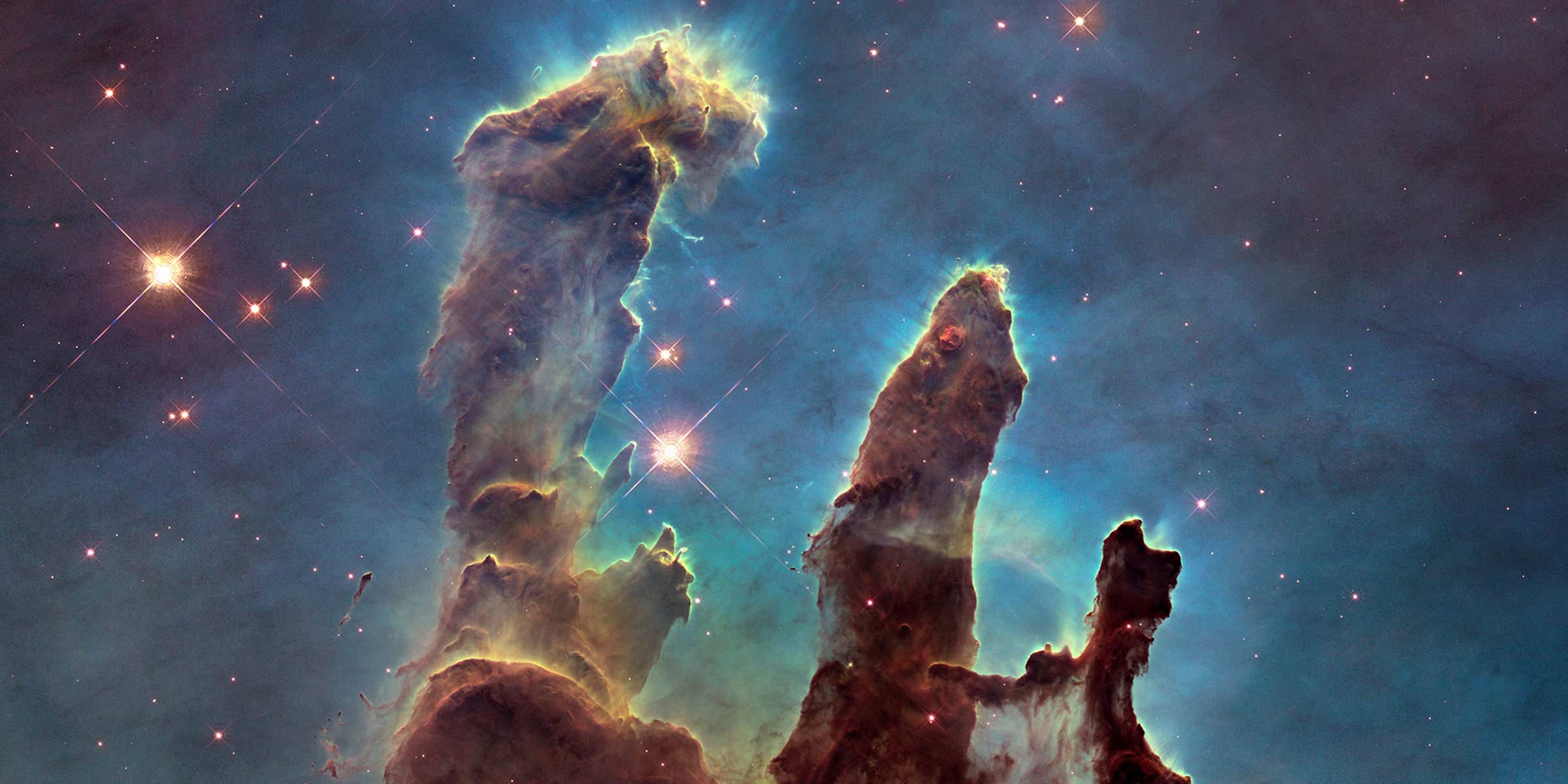
Take video tours of giant clouds of dust and gas in space, where new stars are forming or are the result of dying stars exploding. Highlights include the Cat’s Paw Nebula, Westerlund 2, the Eagle...
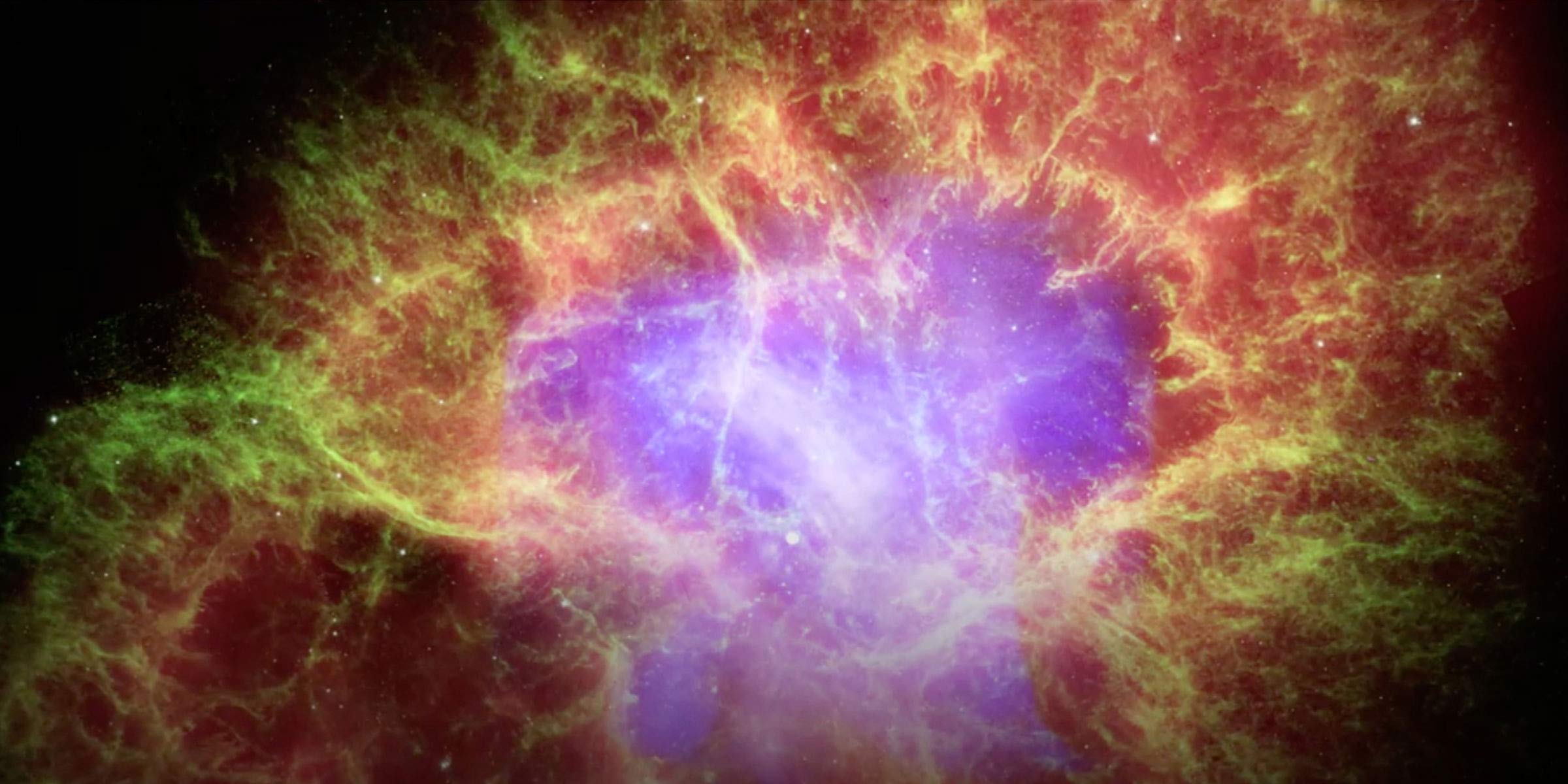
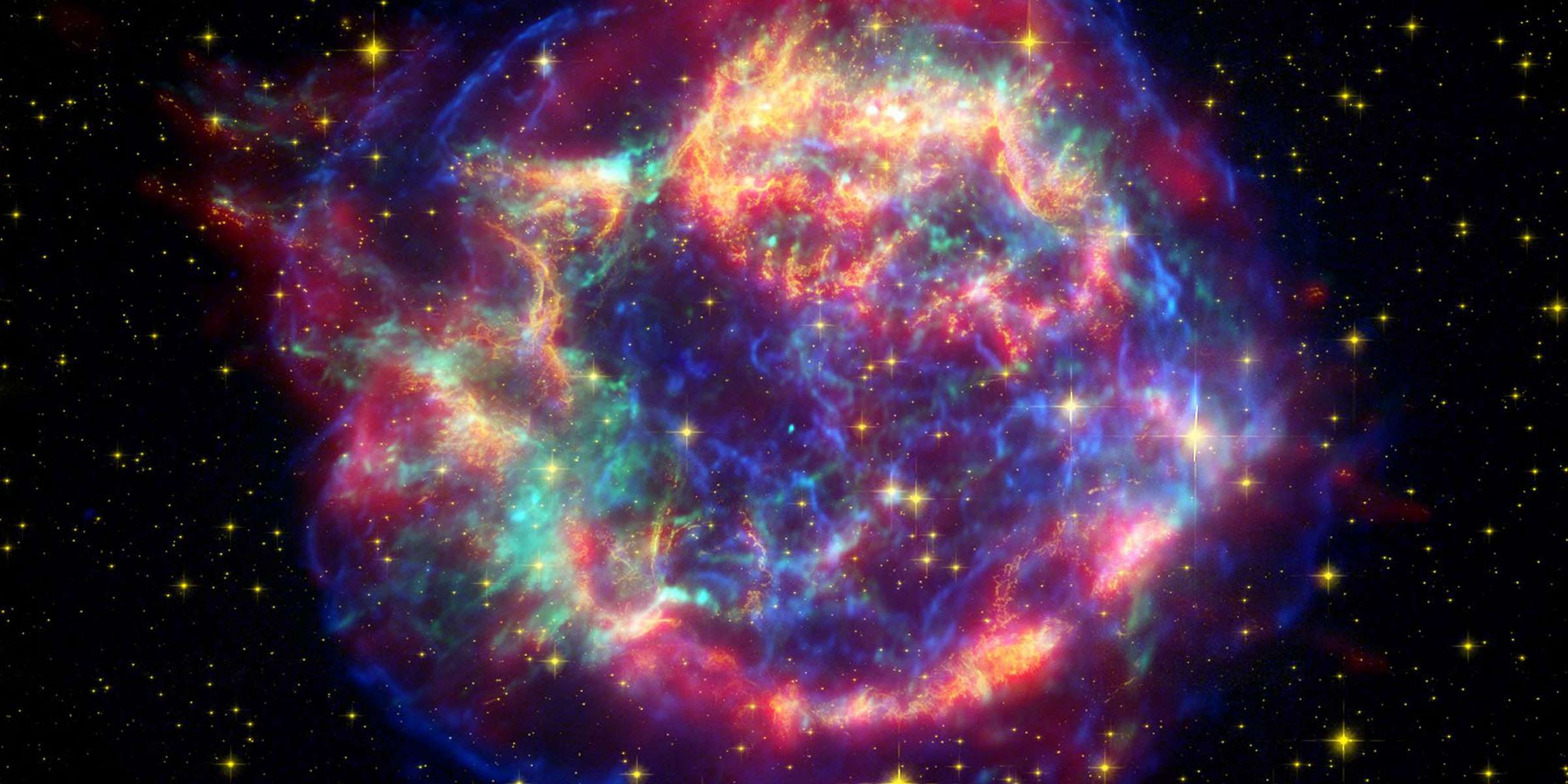
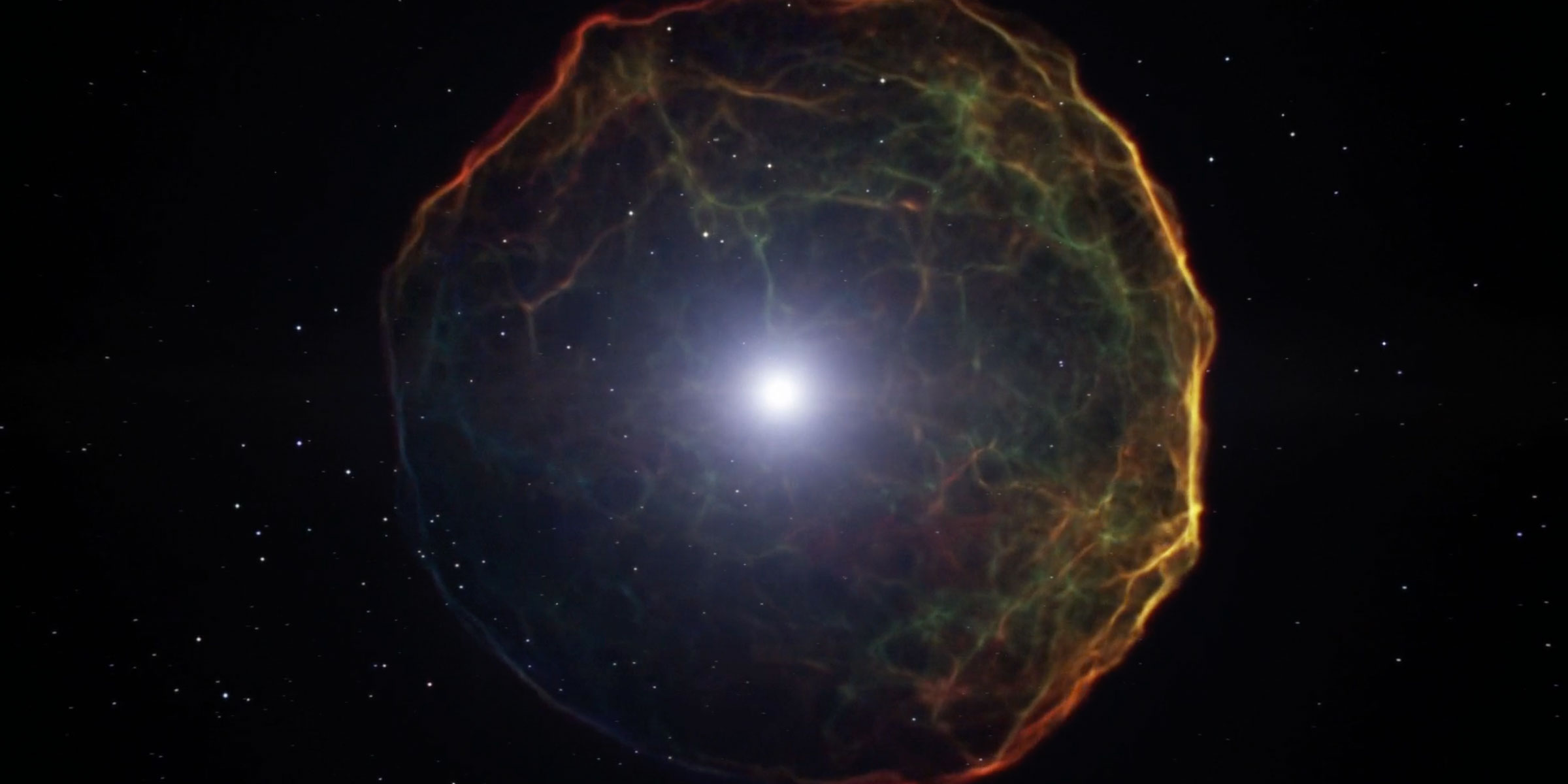
What happens after a star explodes? Explore a supernova’s aftermath in detail, and learn about well-known objects like the Crab Nebula, Eta Carinae, and Supernova 1987A in these videos.
Are you...
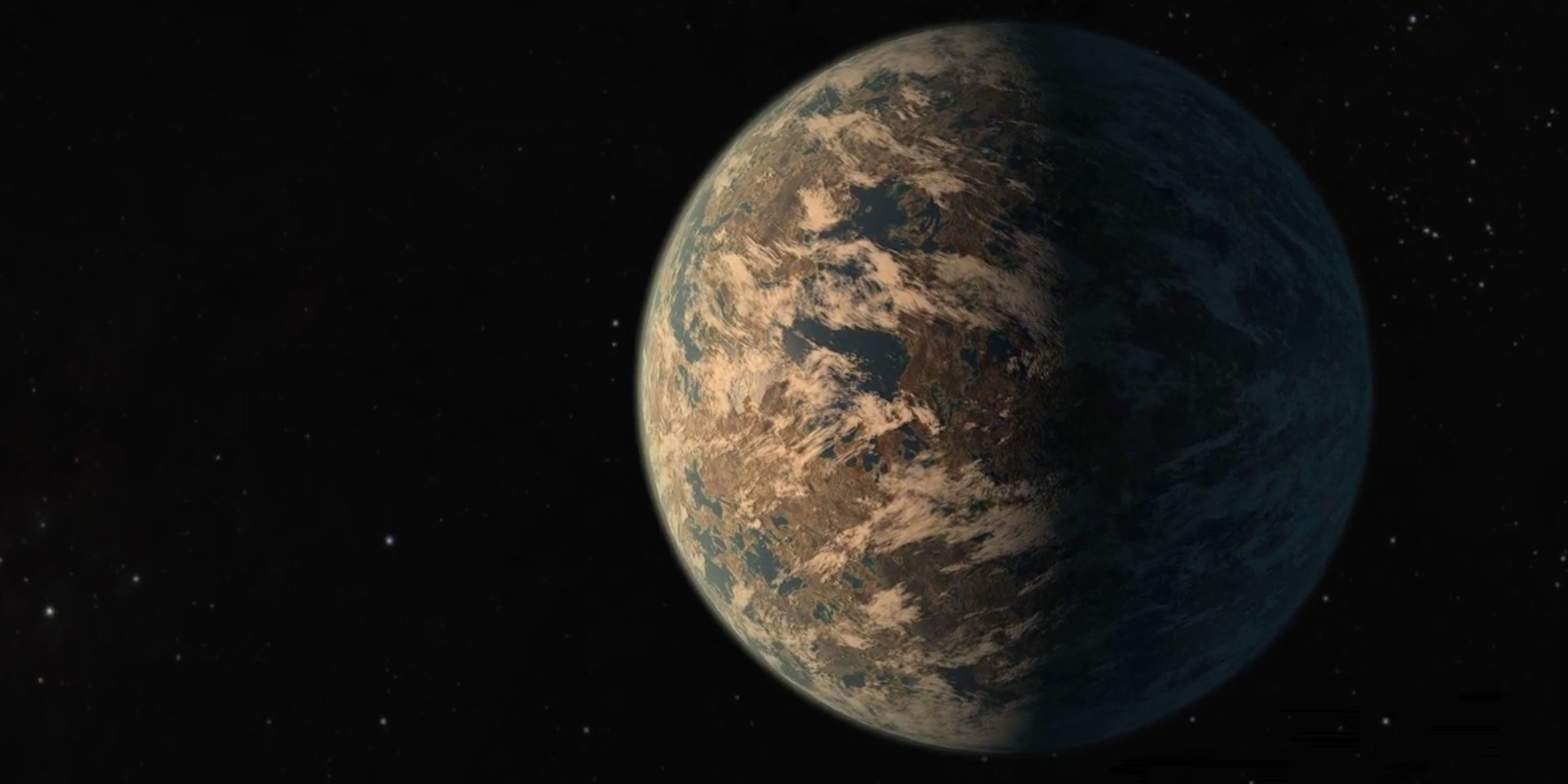
Learn what we know about some faraway planets, how we can detect planets in our Milky Way galaxy, and what we can learn about exoplanets’ atmospheres in these videos.
Are you interested in playing...
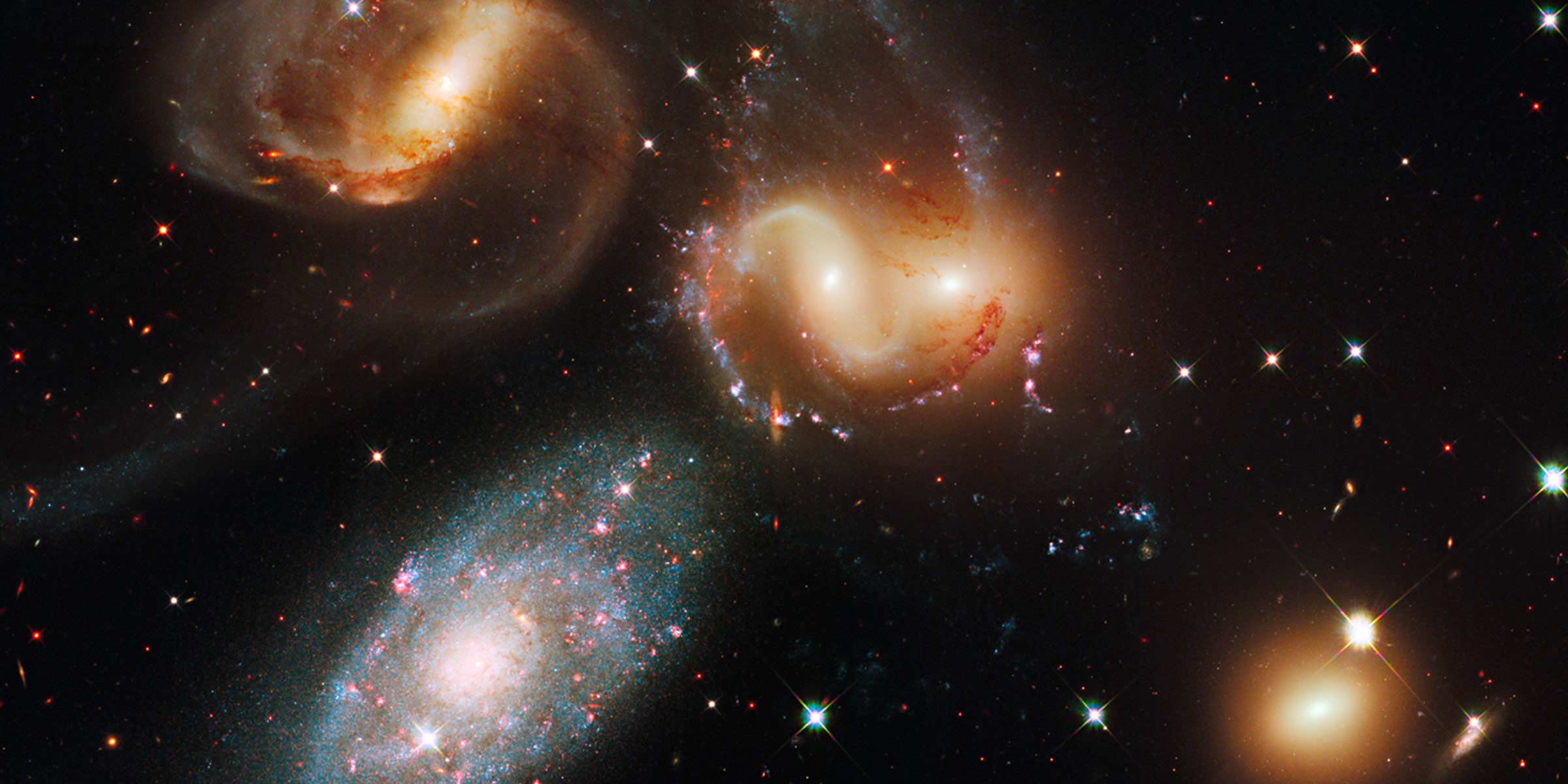
When galaxies are drawn toward each other by gravity, stars and planets can pass by each other unharmed, but the gas and dust between stars collide. The gas is compressed and heated, setting off waves...
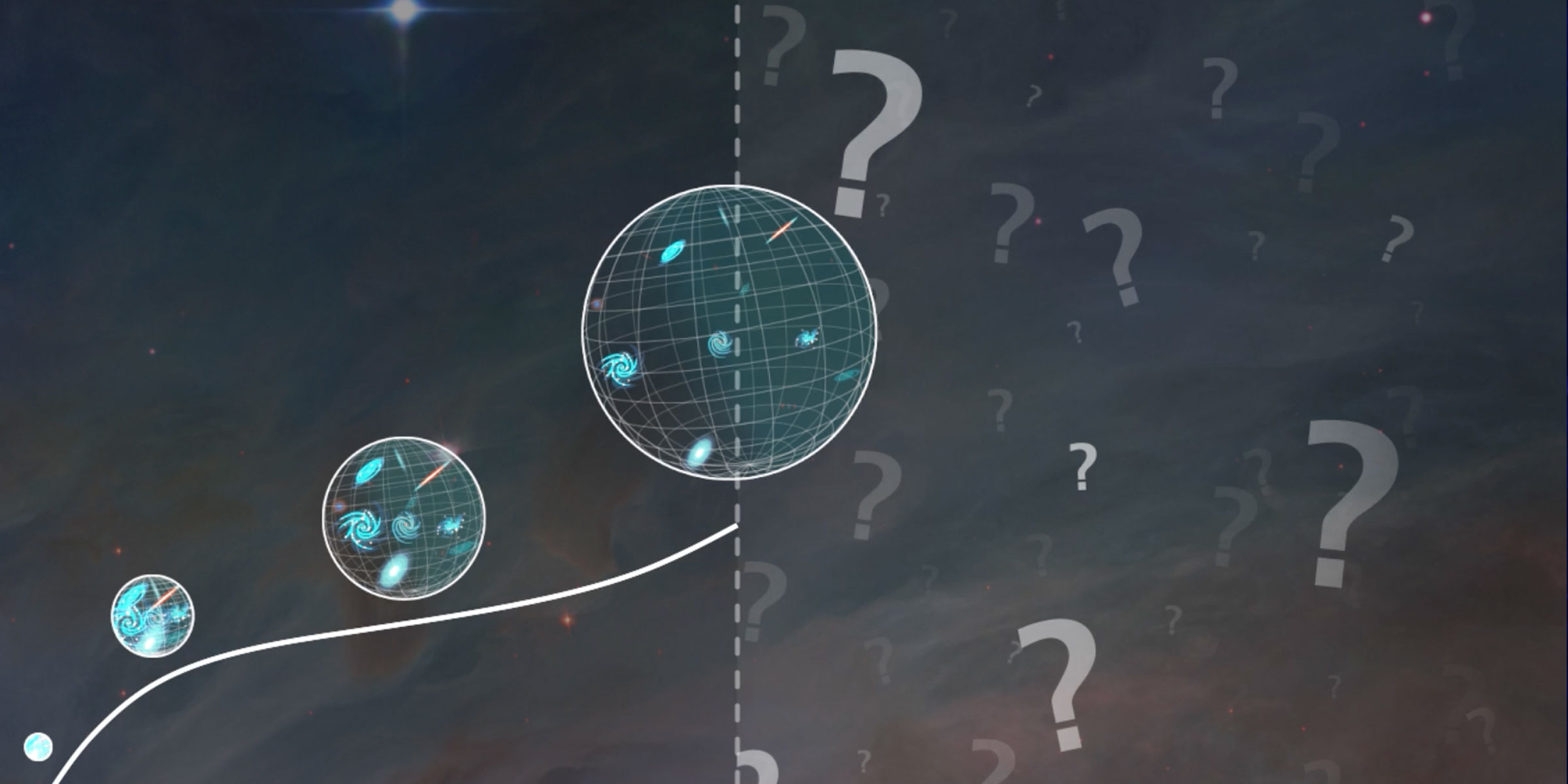
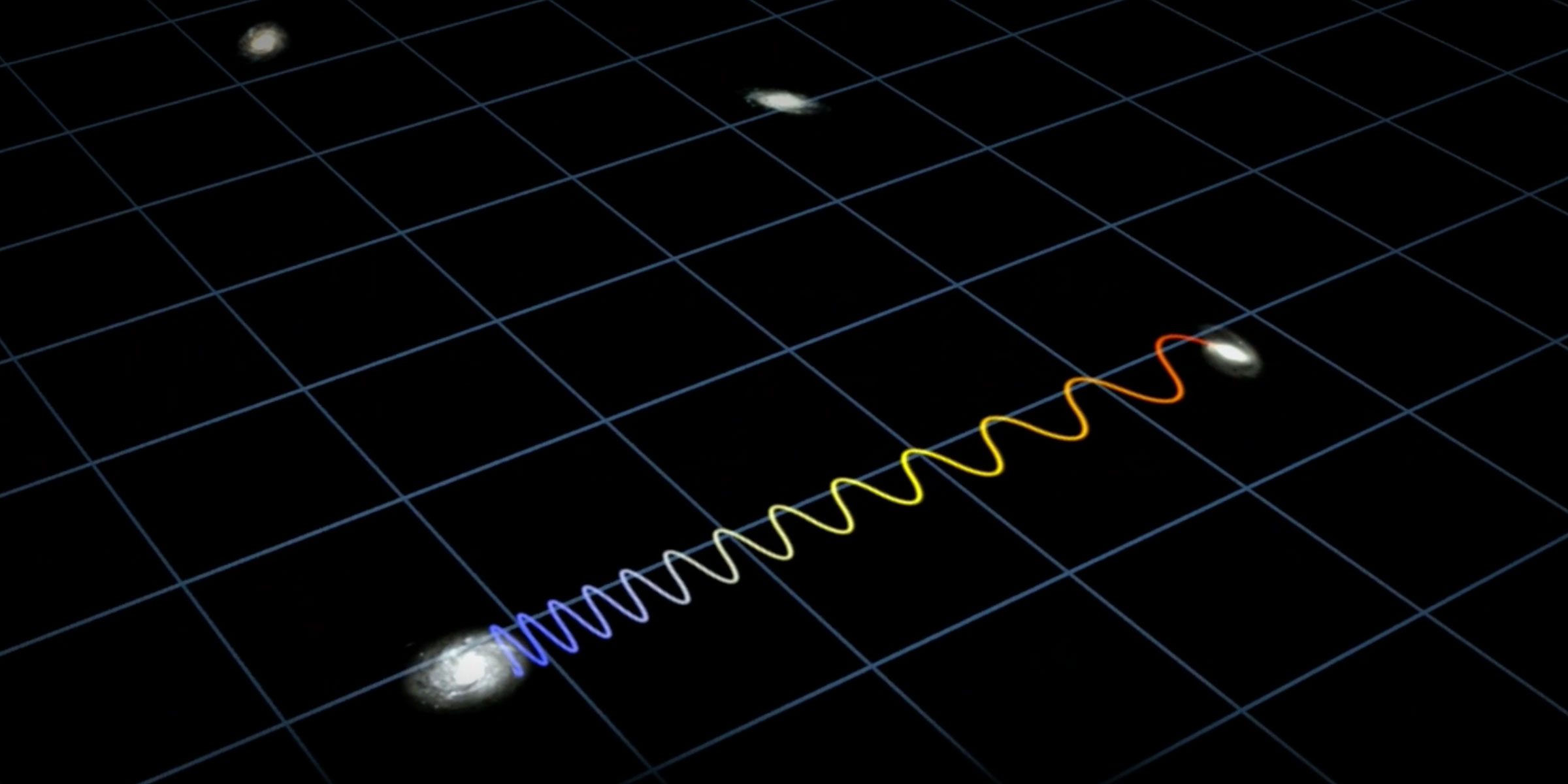
How big is the universe? What happened after the big bang? How do we know the universe is expanding? Explore what we know about the history and origin of the universe in this video series.
Are you interested...
Help viewers explore what infrared light is and how it helps us see more of the universe in these engaging videos.
Are you interested in playing ViewSpace in your museum, library, or other informal learning...
Explore stars of all temperatures, masses, and types in these videos – from massive stars and nebulas to pulsating stars and light echoes. Also get an up-close look at our sun’s spectrum in...
Examine galaxies up close: These videos showcase stunning spiral, elliptical and irregular galaxies, show what various light reveals about certain targets, and link galaxies to larger structures like galaxy...
By observing at the same area of the sky for extended periods, space-based telescopes have the ability to capture faint light that left distant objects in the universe billions of years ago, but is only...
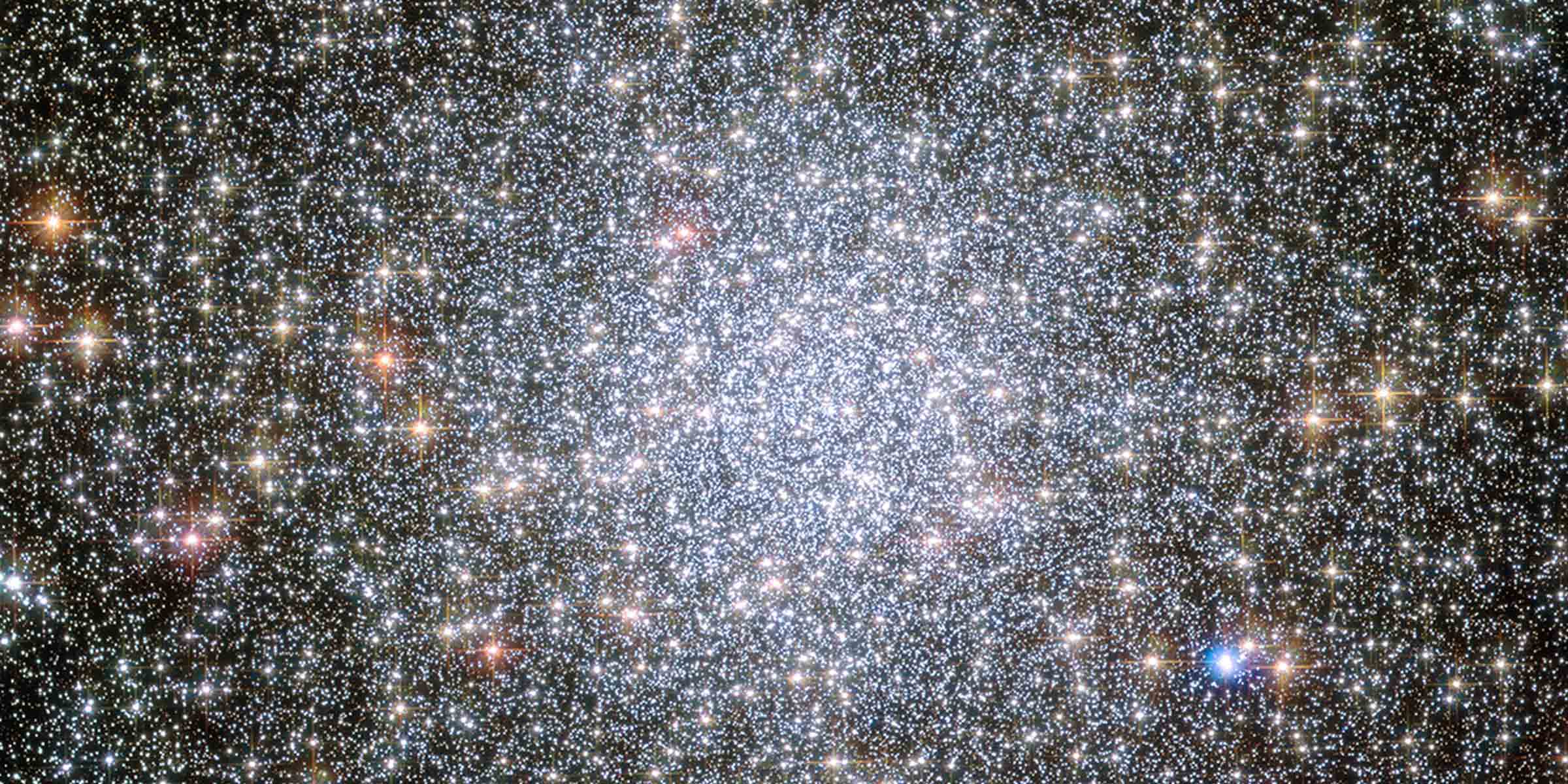
More than 50 videos look at the formation, evolution, and death of all types of stars. Tour images of star-forming regions, analyze individual stars across the electromagnetic spectrum, and learn why stars...
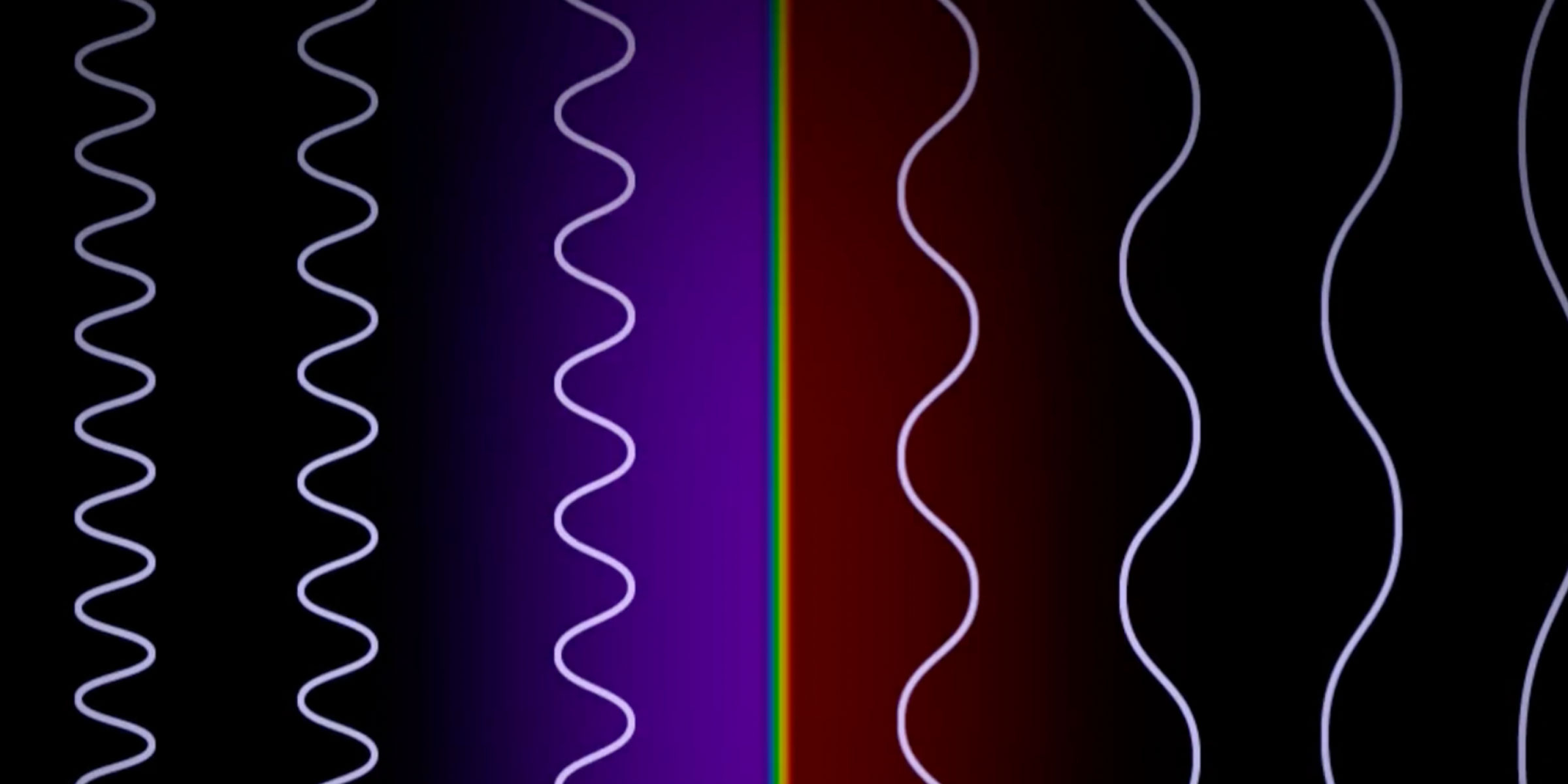
Light is packed with information! By using specialized instruments on telescopes, researchers can stretch light into a rainbow (known as a spectrum) to analyze its properties. Explore how scientists analyze...
What can we learn about the universe by examining it in visible light with space telescopes? View a range of galaxies to find out what visible light allows us to detect in these videos.
Are you interested...
Orbiting high above the Earth, NASA’s Hubble Space Telescope has a clear view of the universe free from the blurring and absorbing effects of the atmosphere, allowing the observatory to capture ultraviolet,...
How many planets are in other solar systems? Are their stars similar to the Sun? Explore a range of exoplanets and their systems in this video series!
Are you interested in playing ViewSpace in your museum,...
ViewSpace videos tell the stories of planets, stars, galaxies, and the universe, giving viewers opportunities to experience space observed by satellites and telescopes. Explore more than 250 videos in...
If you have ever used manual camera controls to photograph in low light, you know that the darker it is, the longer the exposure needs to be. Keeping the camera shutter open longer allows more light to...
Human eyes have evolved to detect the rainbow of colors that make up visible light – but it is only one form of light. There are other types of electromagnetic radiation that human eyes cannot see....
Researchers have detected thousands of planets orbiting stars other than the Sun. The data show that these planets are even more varied than the planets and moons in our solar system. They range from small...
Scientists have detected thousands of exoplanets: planets orbiting stars other than the Sun. We have seen only a few exoplanets directly, but we can detect them by measuring the effects they have on the...
Not all stars shine consistently! Some stars temporarily increase in brightness for several days or weeks, while others have periodic changes in brightness. In other examples, stars change in brightness...
Stars are formed as part of an amazing recycling process, in which gravity shapes new stars from the gas and dust expelled by old stars. What happens as they form? Slide through several examples, including...