EDUCATIONAL RESOURCES AND EVENTS
Educational Resources and Events Catalog
Filter Results
-
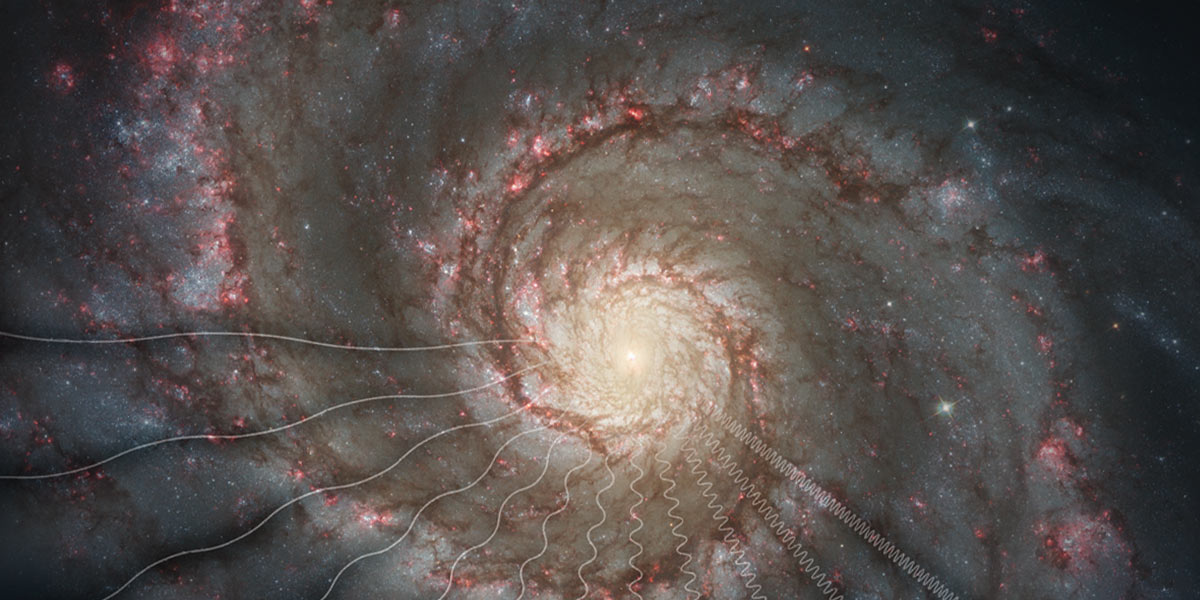
Program Guide & Resources: Finding Exoplanets
Resource GuideMany exoplanets — worlds beyond our solar system — are very small and faint compared to their bright host stars, making it nearly impossible to spot them directly. Despite this, astronomers...
-
Lights, Coronagraph, Action! An Exoplanet Direct Imaging Demo
ActivitiesIn this demonstration, participants will learn about the direct imaging method astronomers use to find exoplanets — planets outside our solar system. Using a trifold display board and a lamp, participants...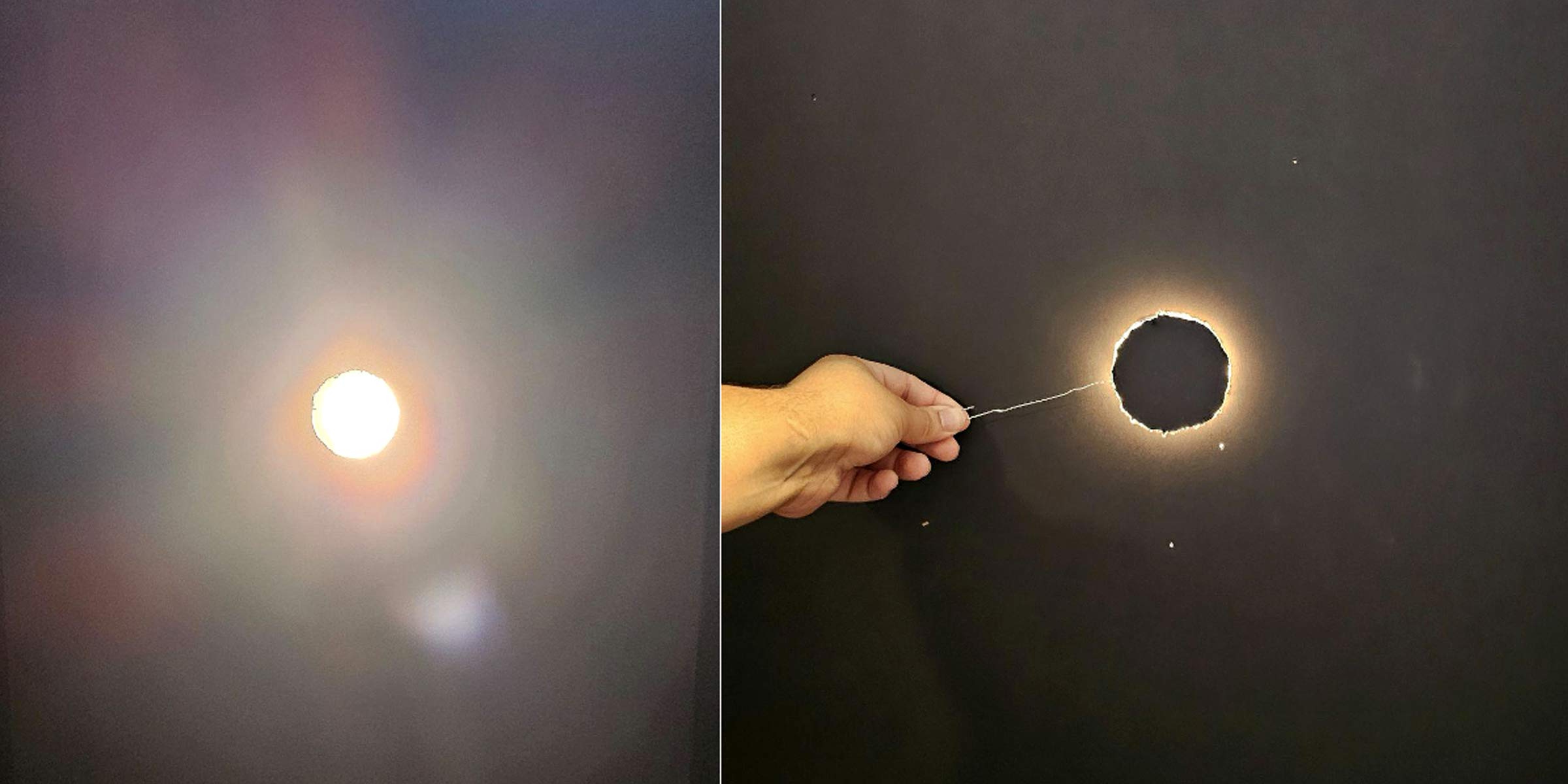
-
Exoplanet Detectives: A Transit Method Activity
ActivitiesIn this activity, participants will learn about the transit method to find exoplanets — planets outside our solar system. Using a trifold display board, a lamp, and exoplanet shadow puppets, participants...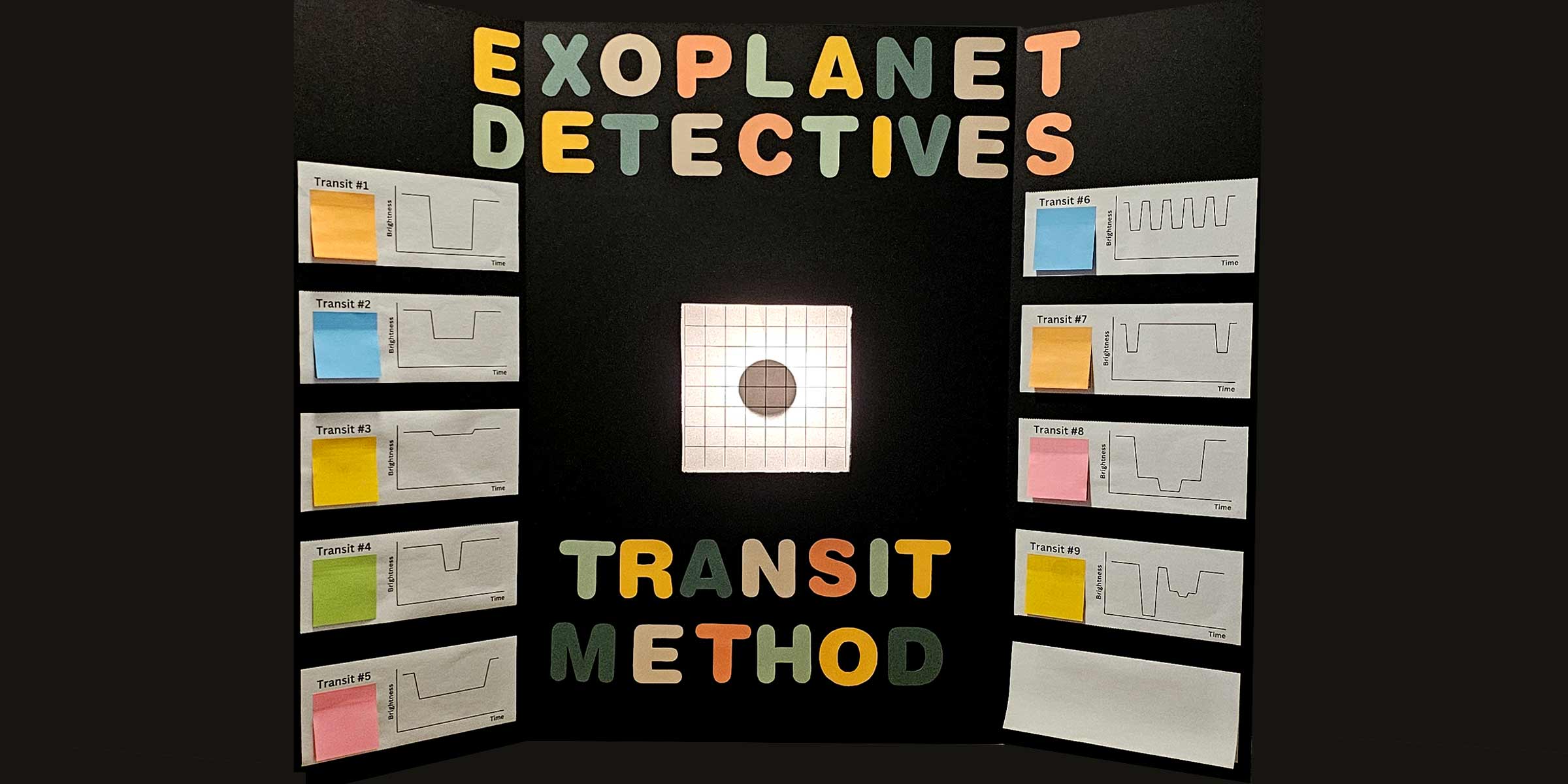
-
Program Guide & Resources: Data and Imaging Processing
Resource GuideScientists rely on computers not only to do calculations, but also to transform telescope data into images. Coding and programming are some of the many methods that astronomers use in order to study the...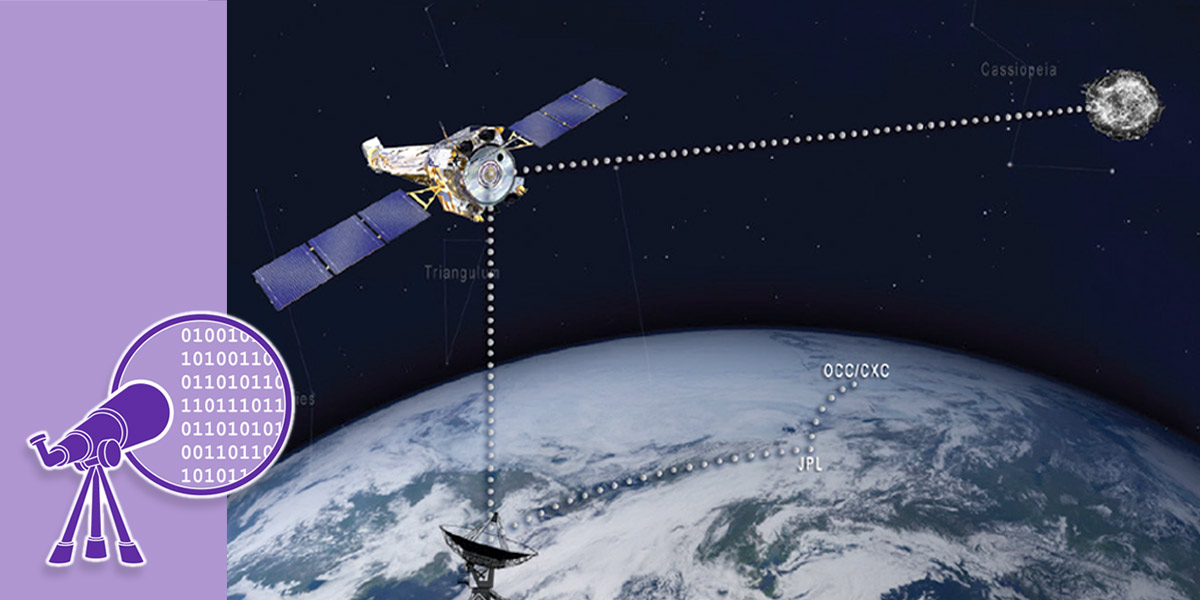
-
Program Guide & Resources: Electromagnetic Spectrum
Resource GuideAstronomers learn about space objects by gathering and analyzing the light coming from them. Since there is more than one type light, observations of multiple types of light from an object —multiwavelength...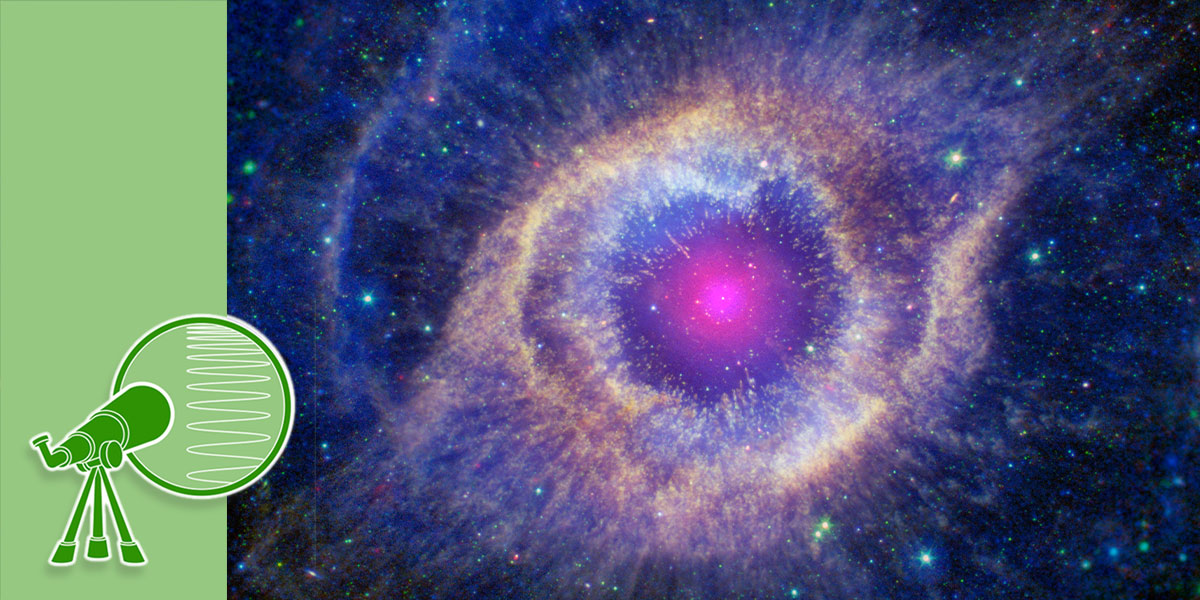
-
Teachable Moments: The Science of Solar Eclipses and How to Watch with NASA
Article | Resource GuideGet ready for the April 2024 total solar eclipse, by learning about the science behind solar eclipses, how to watch safely, and how to engage students in NASA science. Teachable Moment: The Science of...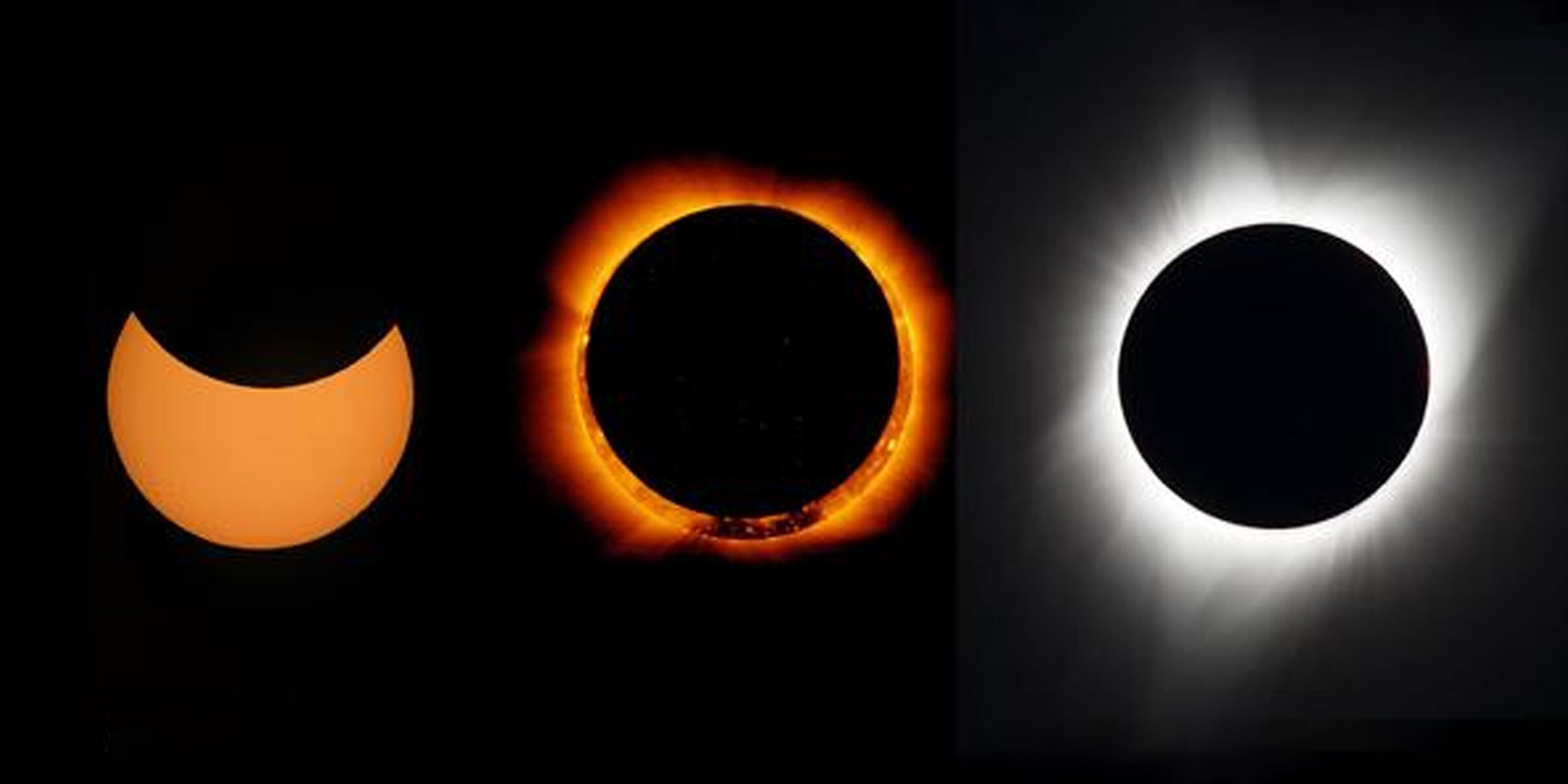
-
Teachable Moments: NASA Balloon Mission Designed to See the Space Between Stars
Article | Resource GuideA NASA balloon mission designed to study the interstellar medium – the space between stars – will take to the skies above Antarctica in December 2023. Read on to learn how the GUSTO mission's...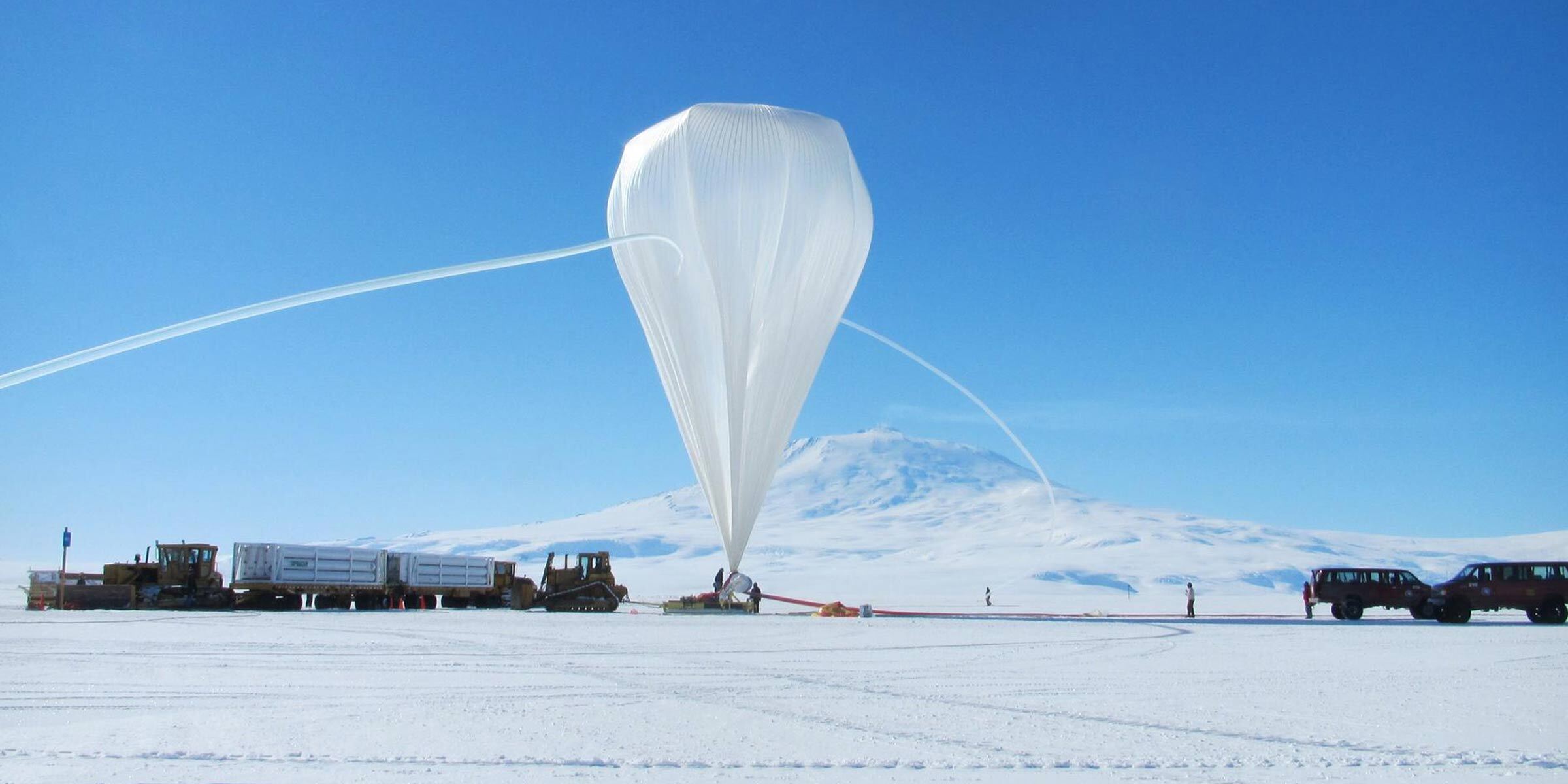
-
Teachable Moments: Exploring the Mystery of Our Expanding Universe
Article | Resource GuideScientists may soon uncover new insights about some of the most mysterious phenomena in our universe with the help of the newly launched Euclid mission. Built and managed by the European Space Agency,...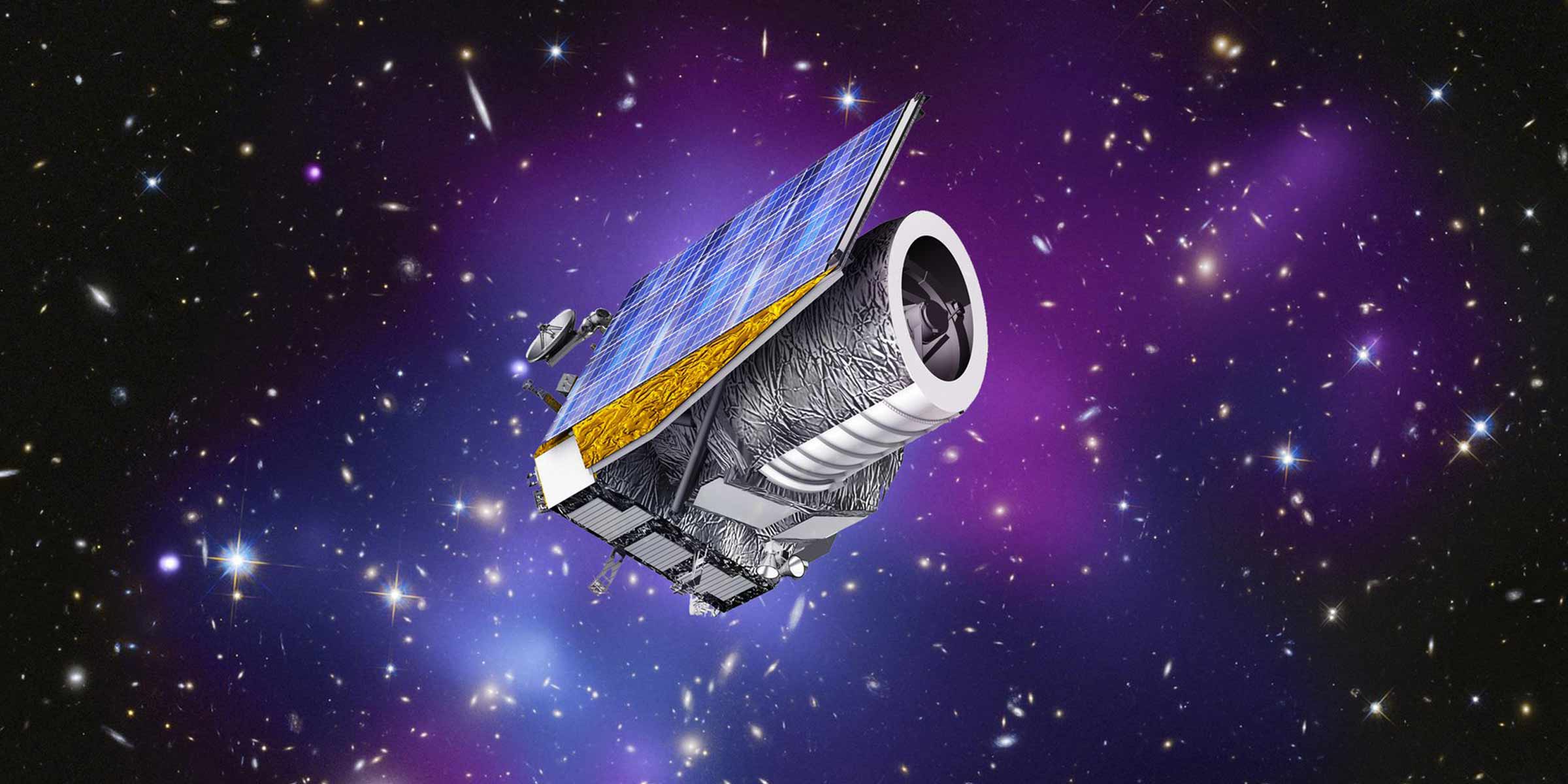
-
2023 NASA’s Astrophoto Challenge (Summer)
May 15 through July 31, 2023 ChallengeMake Your Own Image of the Phantom Galaxy M74 with NASA’s Astrophoto Challenge Using Webb data. Join NASA's Universe of Learning for an exciting opportunity to use real astronomical data ...
-
2023 NASA's Astrophoto Challenge (Winter)
January 3 through February 28, 2023 ChallengeMake Your Own Image of the Eagle Nebula and the Pillars of Creation with NASA’s Astrophoto Challenge with Webb data Join NASA's Universe of Learning for an exciting opportunity to use ...
-
Virtual Programs for Libraries: Cerritos Library
Activities | Program Model | ToolkitThe Cerritos Library created five virtual programs using books in the library’s collection that explore NASA’s Universe of Learning topics. The information is supported with activities that...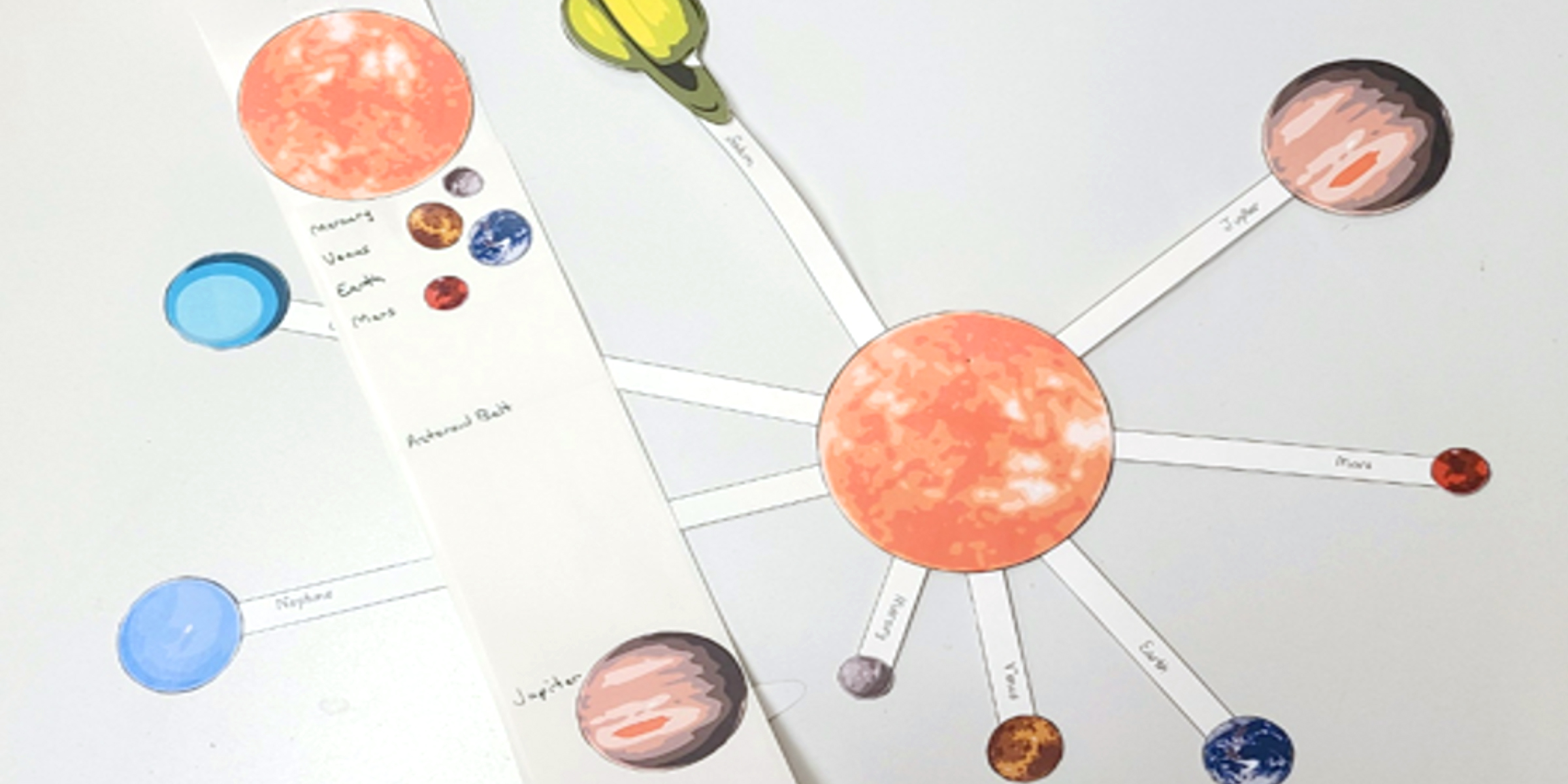
-
Cosmic Science Investigations: Earth 2.0: Virginia Living Museum
3D Object | Activities | Program Model | ToolkitCosmic Science Investigations: Earth 2.0 is a summer camp experience designed for children who have completed fourth or fifth grade during the previous academic year. The program uses a guided exploration...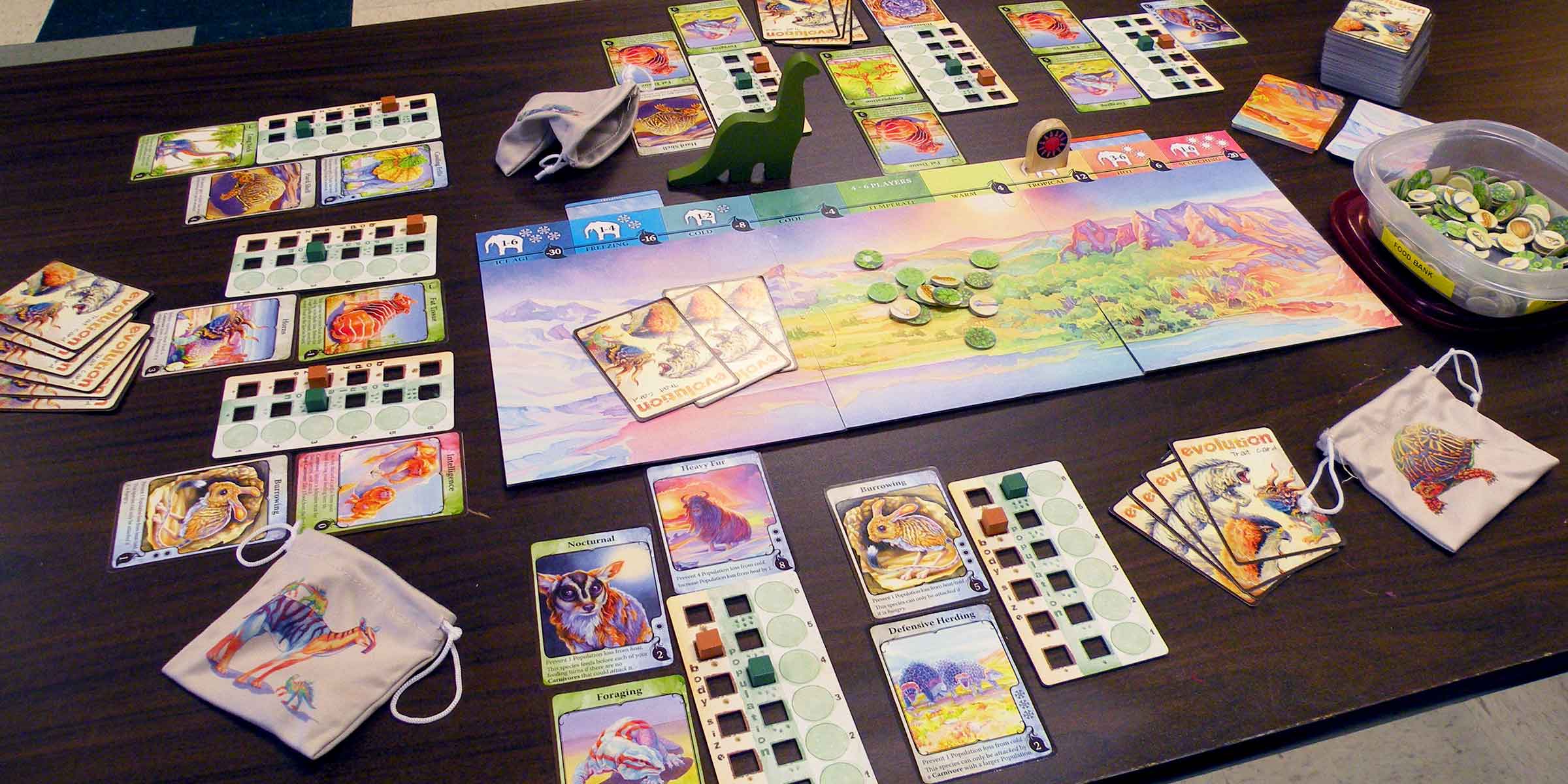
-
Science Briefing: The Art of Science: Data Visualizations in Astronomy
August 4, 2022 Professional Learning WebinarPlease join us for this special edition of NASA’s Universe of Learning Science Briefings! We will hear about the artistry of scientific visualizations and how to move from data to images, illustrations, ...
-
2022 NASA's Astrophoto Challenges (Summer)
May 2 through July 31, 2022 ChallengeMake Your Own Image of the Eta Carinae star system and the Carina Nebula with NASA’s Astrophoto Challenges Join NASA's Universe of Learning for an exciting opportunity to use real astronomical ...
-
Paper Models of Astrophysics Missions
ActivitiesBuilding paper models of spacecraft is a fun and interactive way to learn more about NASA's missions. Models are available for easy, moderate, and more challenging skill sets. Each model has assembly...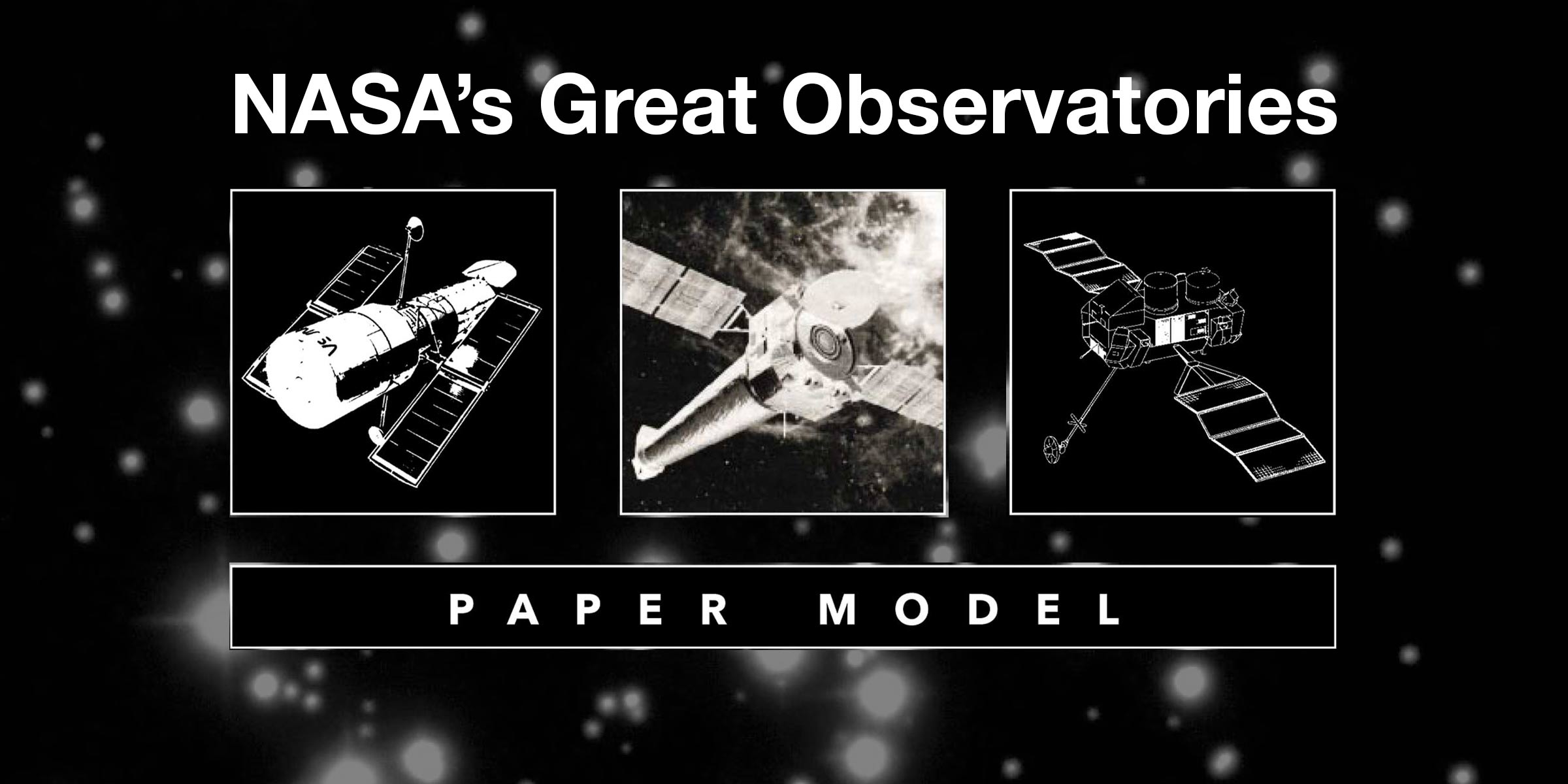
-
Touch the Universe: Adler Planetarium
3D Object | Program ModelTouch the Universe uses 3D printed astrophysical objects in combination with visualizations to provide Adler Planetarium guests with a new way of exploring space concepts. It also benefits our guests with...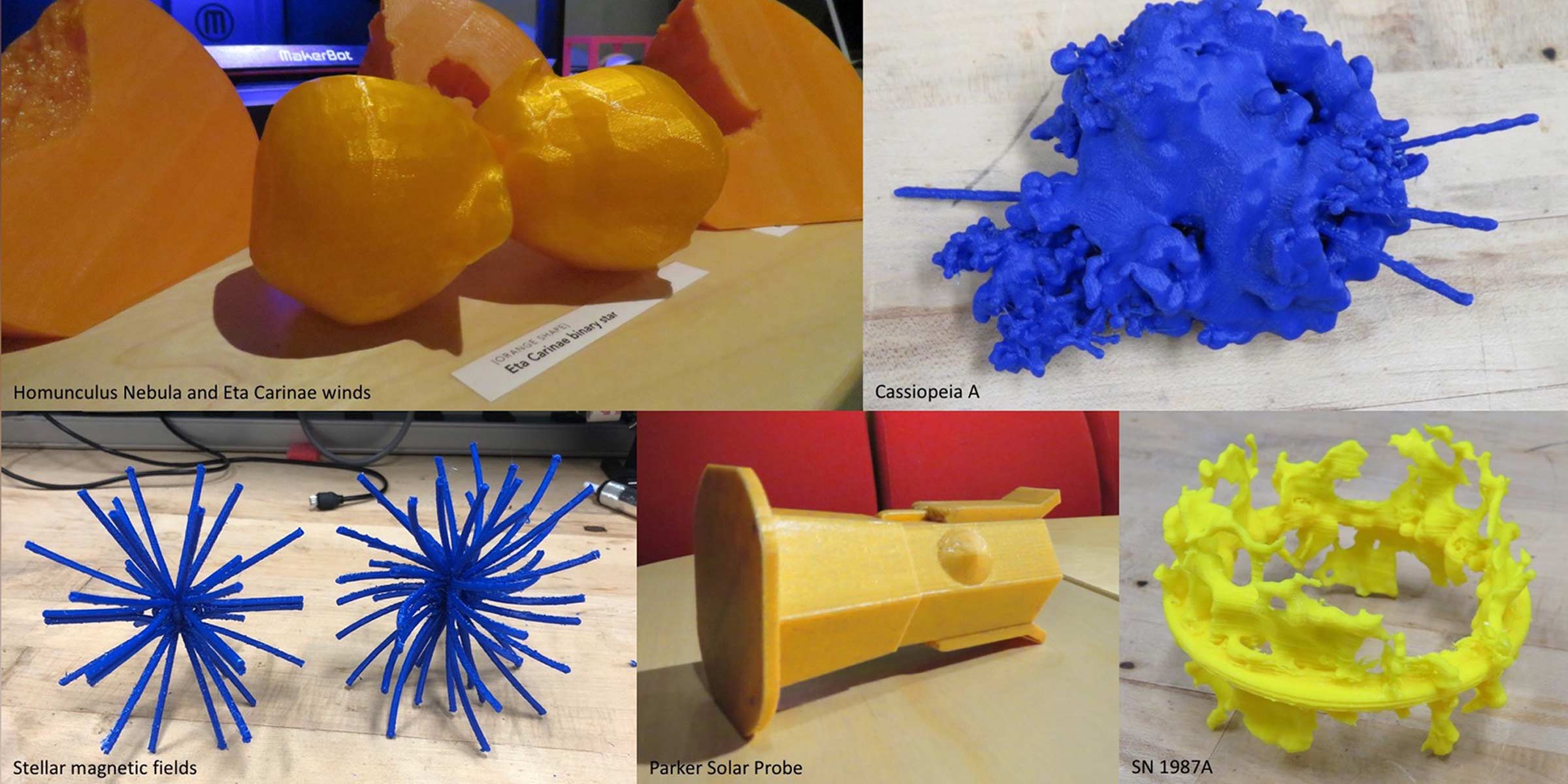
-
Sensory Saturdays: Museum of York County
3D Object | Exhibits | Program Model | ToolkitSensory Saturdays are designed as monthly events for all learners but may be beneficial to people with sensory differences, their families, and their caregivers. The entire museum was open, including a...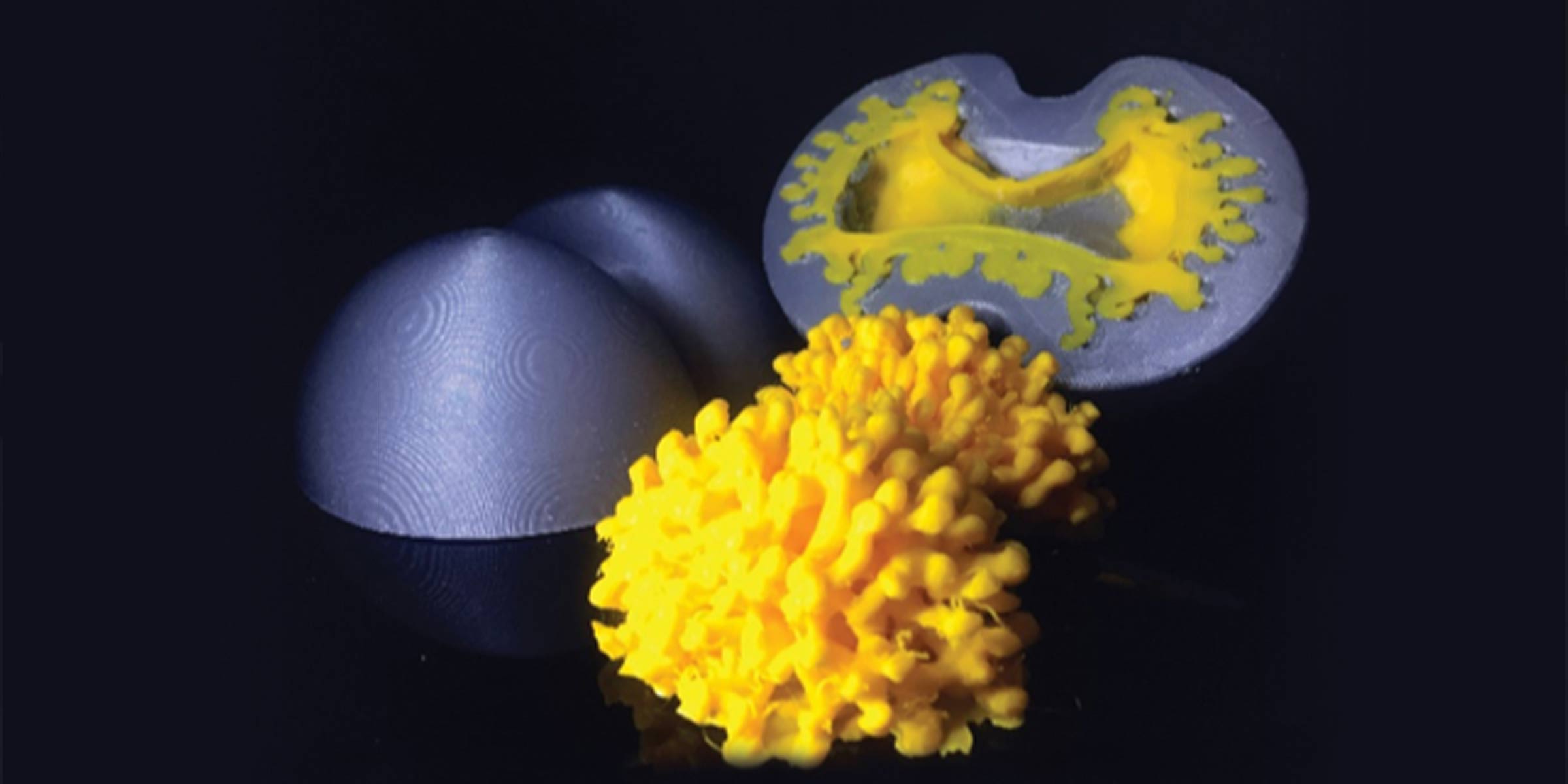
-
Artful Exoplanets: Creating Imaginary Worlds: Springfield Museum of Art
Activities | Exhibits | Program Model | ToolkitSpringfield Museum of Art partnered with The Dome: Center for Innovation and Clark County Juvenile Detention Center to provide two one-week sessions of summer programming. Artful Exoplanets: Creating Imaginary...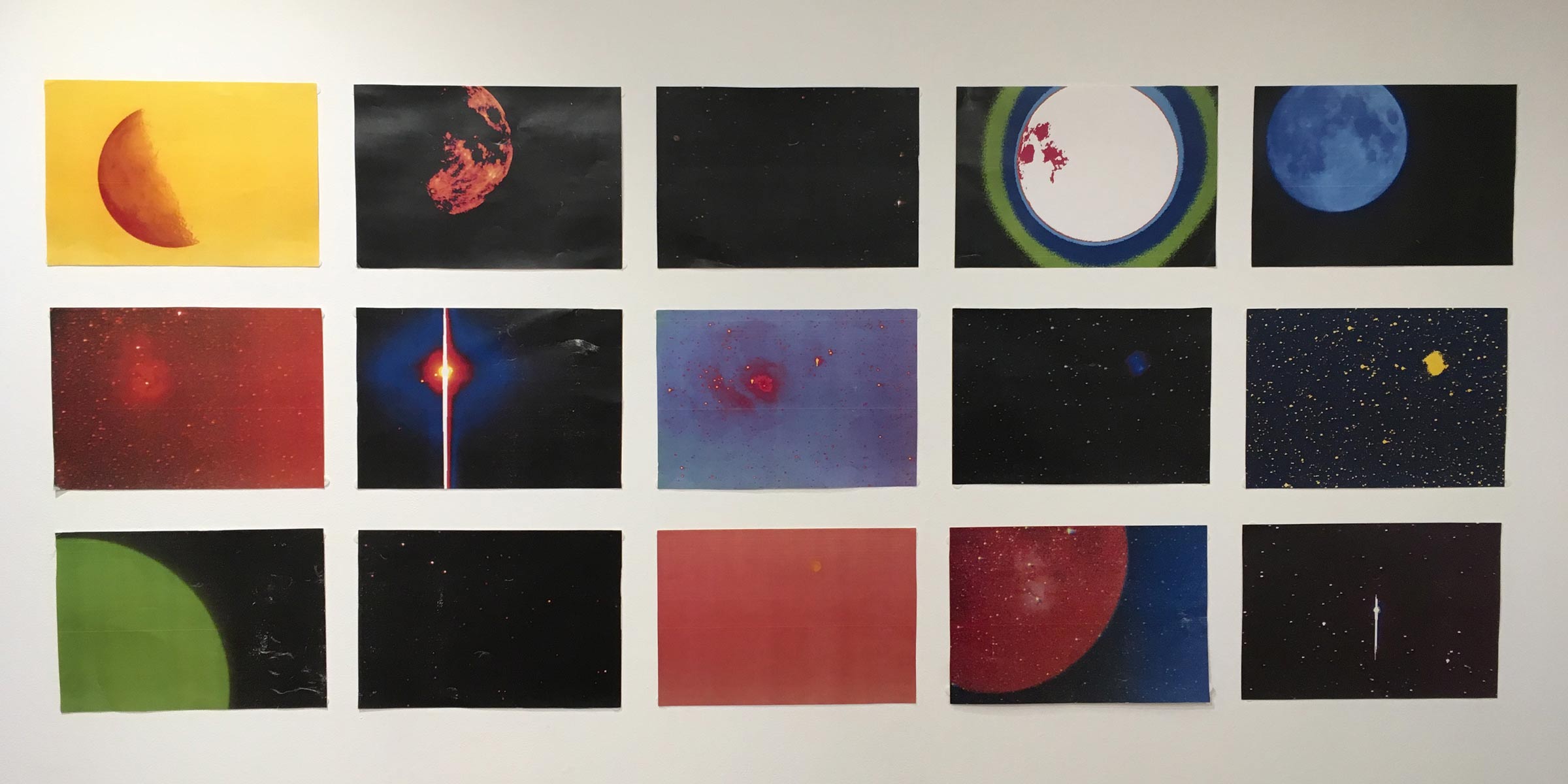
-
Mission: The Universe: Pensacola MESS Hall
Activities | Exhibits | Program Model | ToolkitMission: The Universe was designed to be a themed field trip for grades five through seven. These trips began with an interactive show that highlights the key learning goals of the trip in an engaging...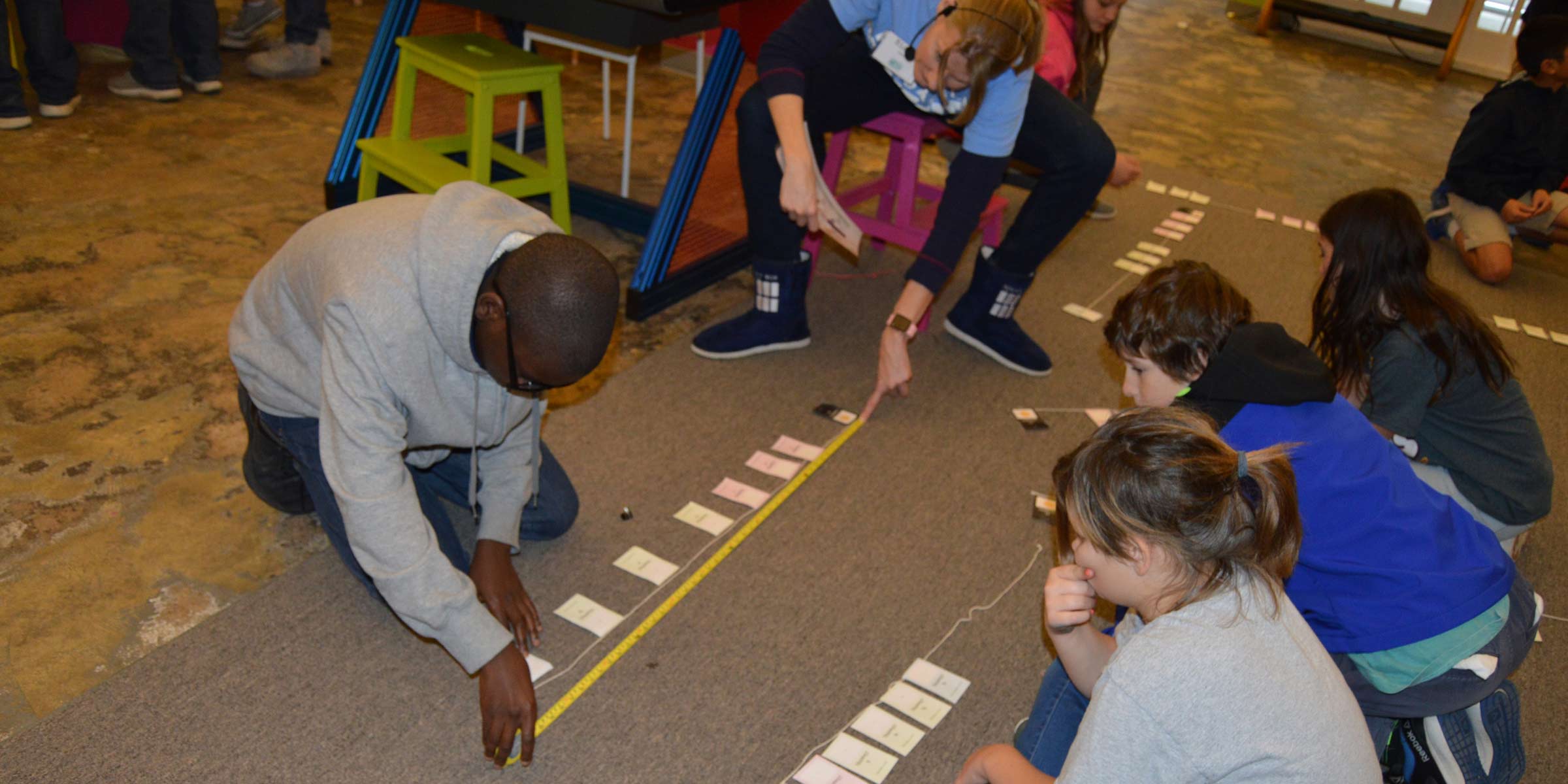
-
Science Briefing: Live from AAS! 2022
January 13, 2022 Professional Learning WebinarWhile the American Astronomical Society meeting has been cancelled, we’ll still be providing access to select researchers who will discuss their breaking news results coming out of NASA Astrophysics ...
-
Colors of Space: Exploration Place
Program Model | ToolkitExploration Place offered an after-school program consisting of four 45-minute hands-on activities about colors and light in space. Activities included light filtering, ultraviolet light on Mars, light...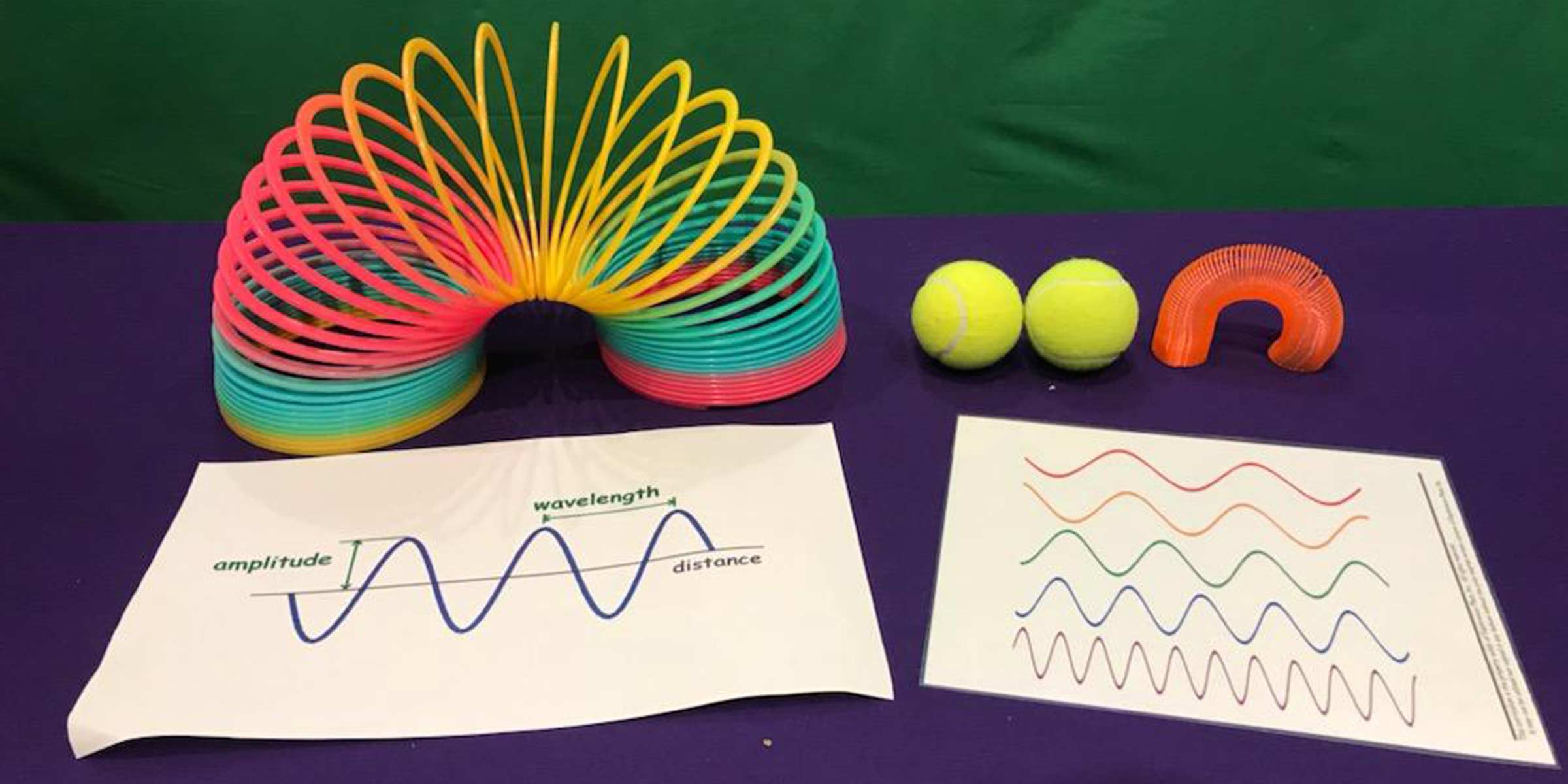
-
Stories in Stars: The Schiele Museum of Natural History
Program Model | ToolkitUsing a Star Lab portable planetarium system, Stories in Stars was designed to use both the images of constellations and educator led storytelling to capture the lore and legends of stars through time....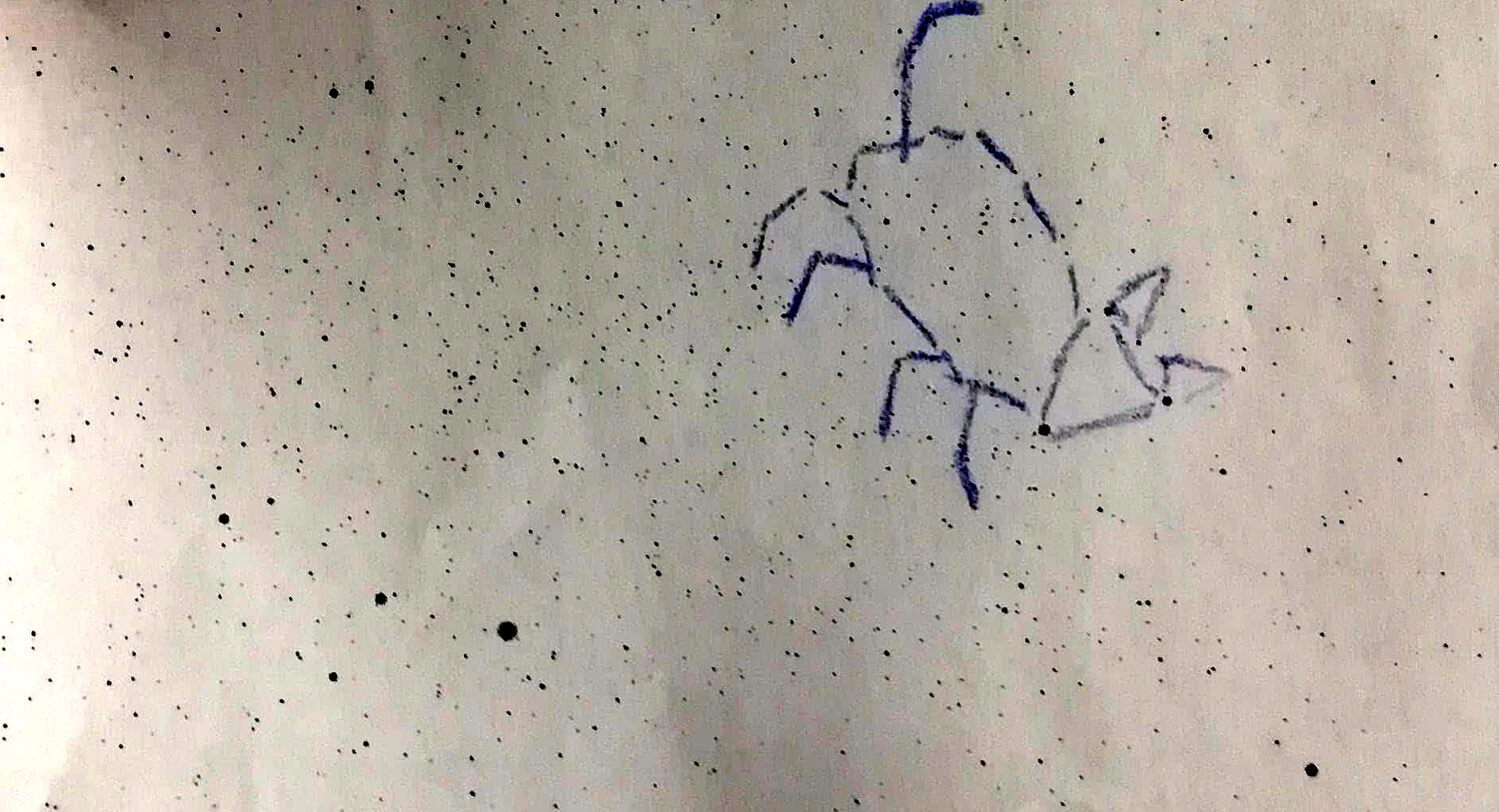
-
Ask the Astronomers Live: Your M87 Galaxy Images
October 21, 2021 Virtual Science TalkJoin us to view the standout entries from NASA's Astrophoto Challenges 2021. Explore More
-
Teachable Moments: Learn About the Universe with the James Webb Space Telescope
Article | Resource GuideLearn about the science and engineering behind the largest and most powerful space telescope ever built while exploring ways to engage learners in the mission. TEACHABLE MOMENTS: JAMES WEBB SPACE...
-
Space STEM Live! Frontiers of Flight Museum
Program ModelSpace STEM live! is an exciting, interactive, and educational event for visitors to participate in a variety of NASA’s Universe of Learning activities. Using everyday supplies mixed with a few event-specific...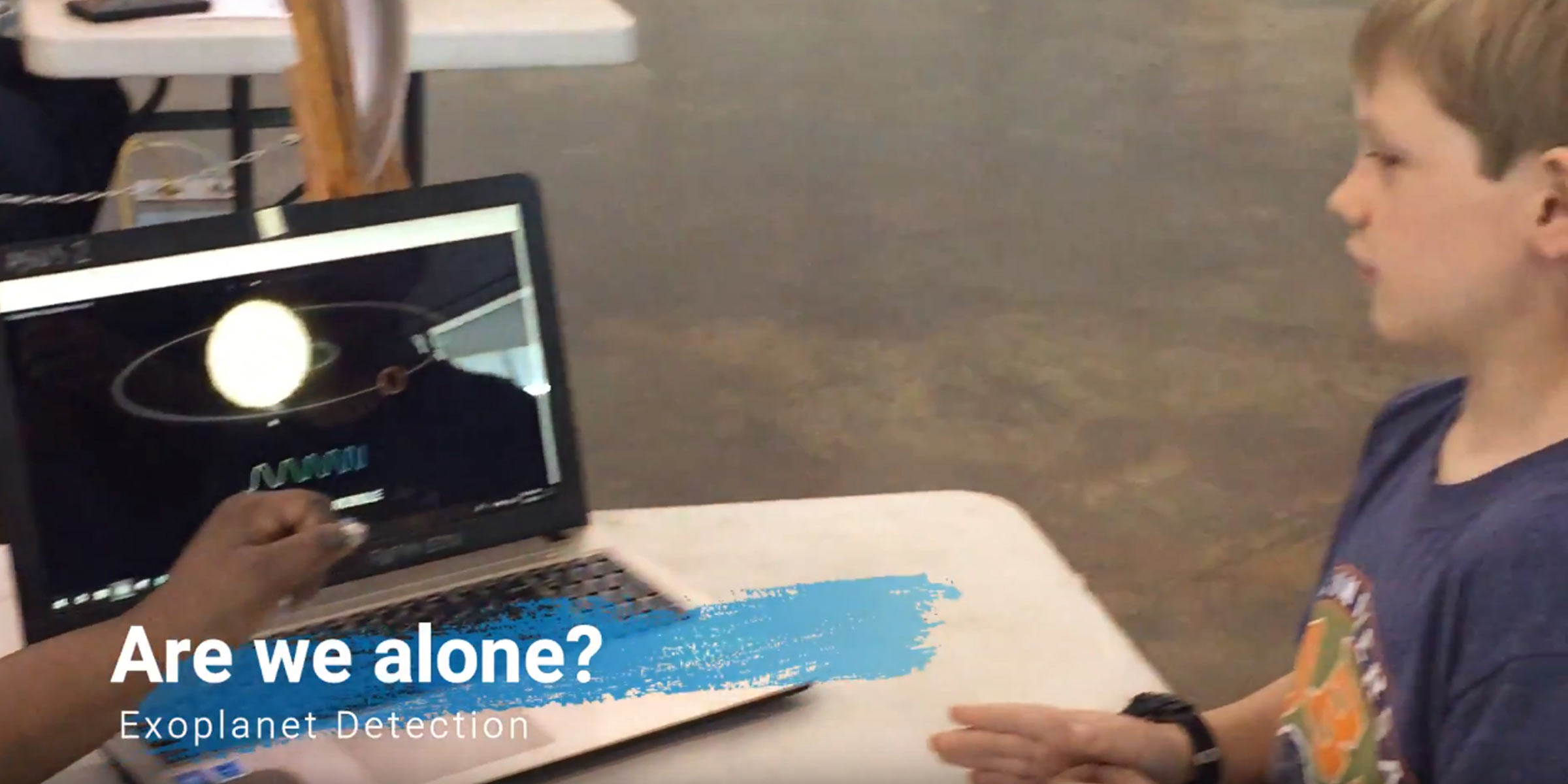
-
Astrophotography & Art: American Museum of Science and Energy
Program Model | ToolkitAstrophotography & Art was a program that allowed participants to create their own astronomical images using both MicroObservatory resources and a Bob Ross-certified led painting session. Participants...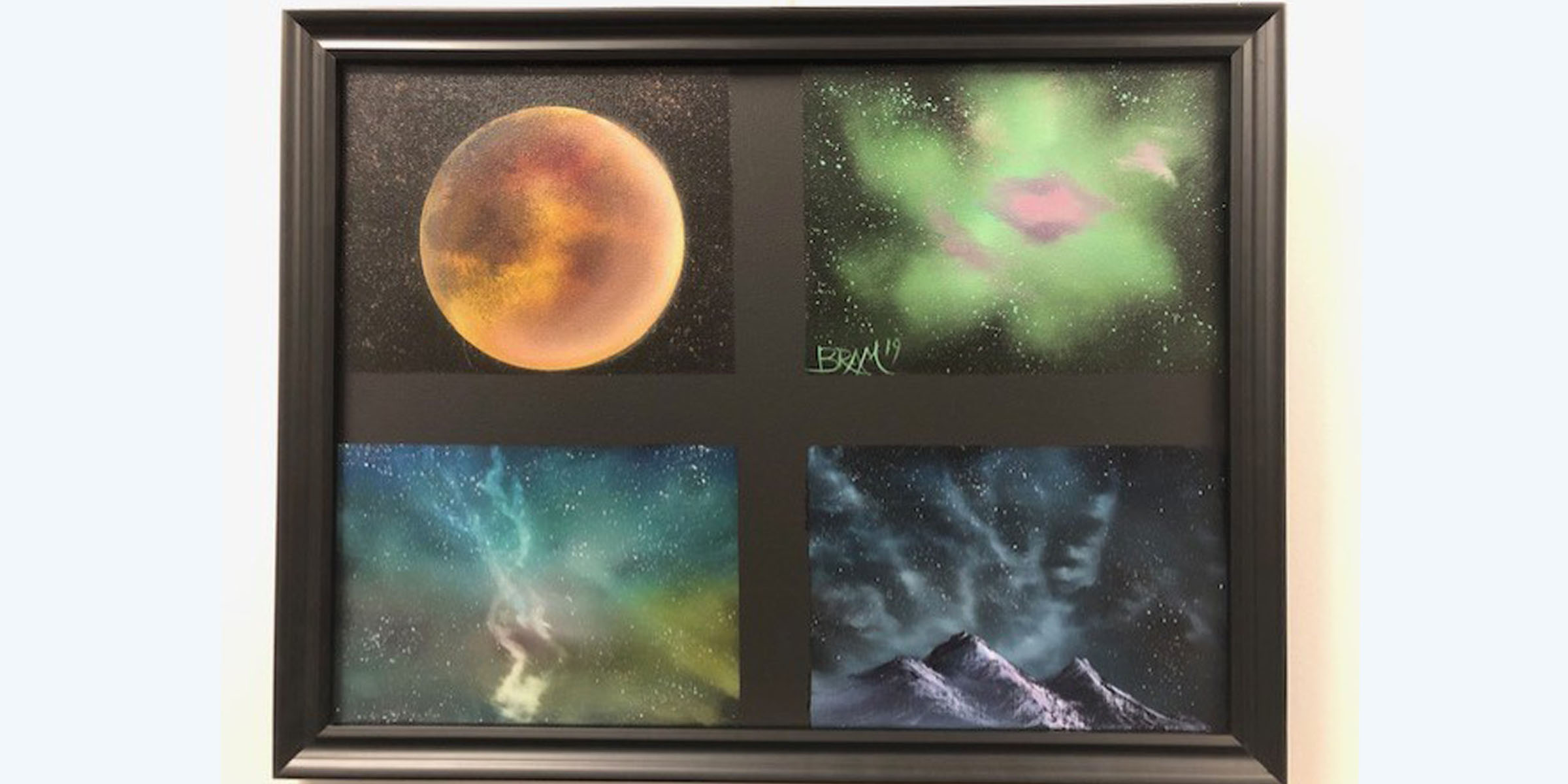
-
2021 NASA's Astrophoto Challenge (Summer)
July 1 through August 16, 2021 ChallengeThe summer 2021 NASA's Astrophoto Challenges have ended. This season's target: Messier 87 Galaxy. Try your hand at processing images from NASA's space telescopes, or capture and process ...
-
AstronoME Academy: The Works: Ohio Center for History, Art & Technology
Program Model | ToolkitAstronoME Academy is an in-depth series of out-of-this world learning experiences for high school students in east central Ohio. Participants learn about the basics of astronomy, our galactic home, the...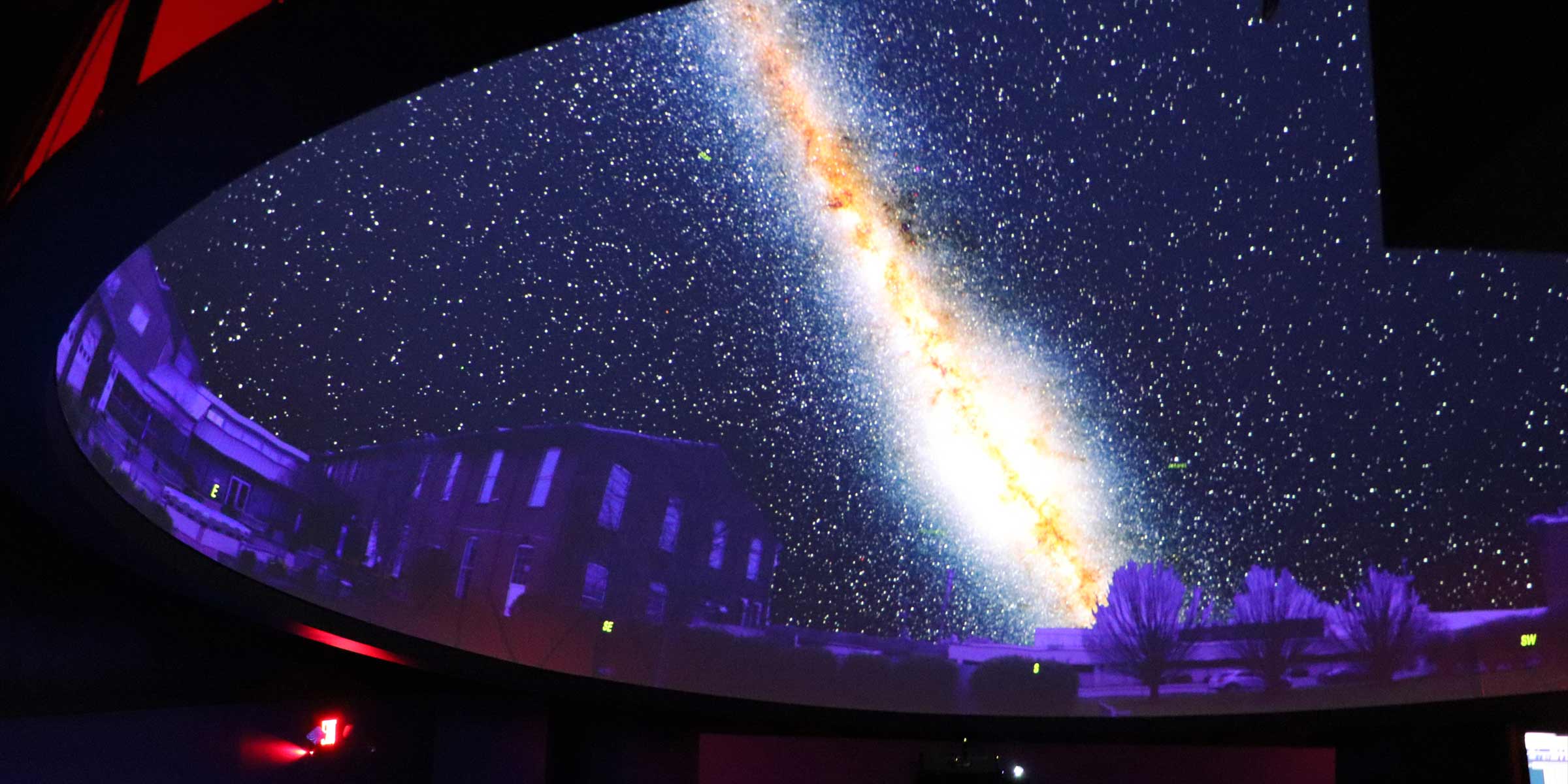
-
A Universe of Sound
SonificationEvery sound begins with a vibration. When those vibrations travel through the air, they can enter the human eardrum where they are eventually turned into electrical signals that our brain interprets as...
-
STEAM Programs: Cerritos Library
Program Model | ToolkitCerritos Library created and implemented a variety of programs to engage the community in science, technology, engineering, arts, and mathematics (STEAM) activities, including Robotics Night, Astronomy...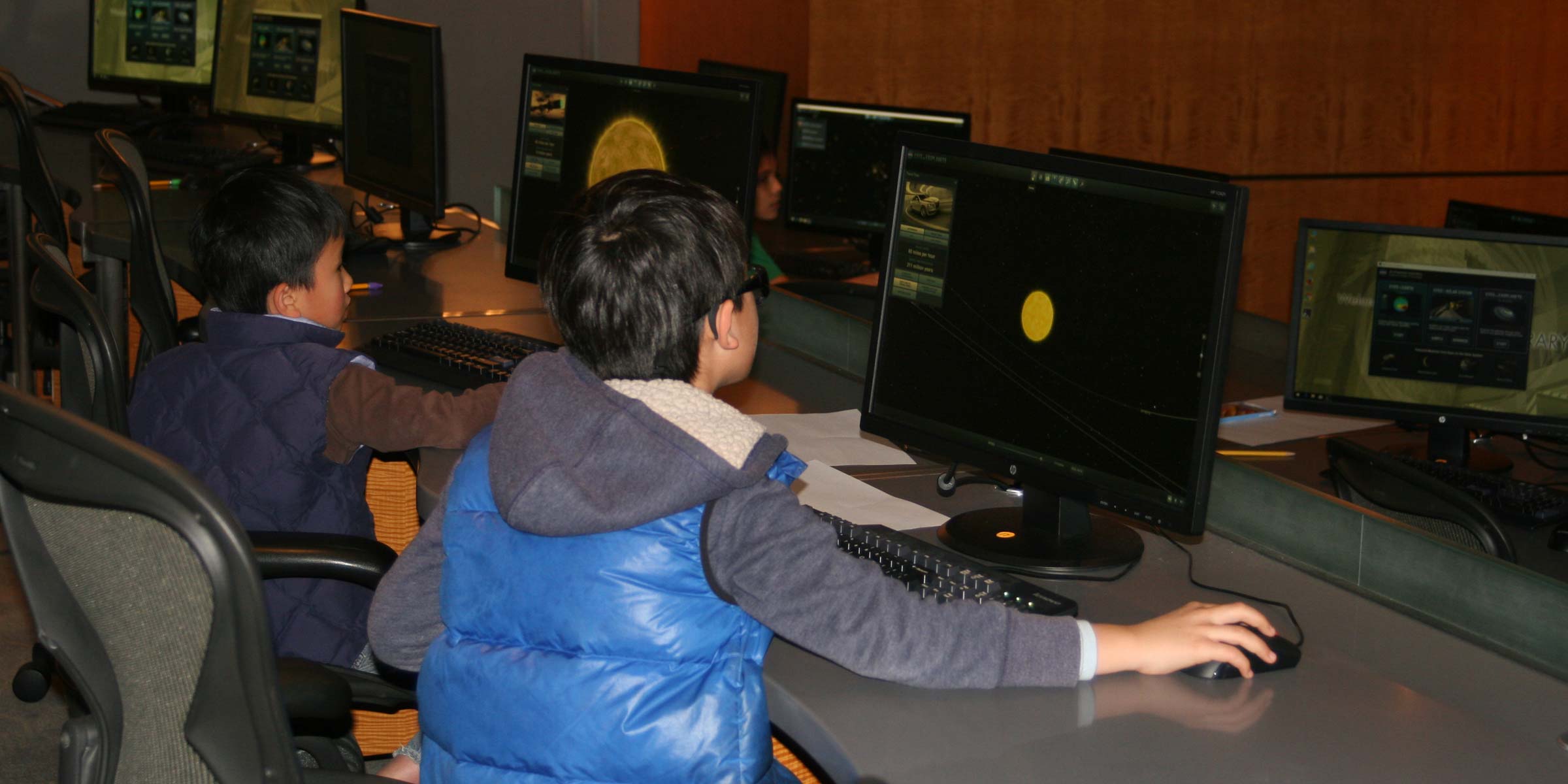
-
Recoloring the Universe: Emerald Coast Science Center
Program Model | ToolkitUsing the Recoloring the Universe activity resource in conjunction with custom science lessons and planetarium shows, the Emerald Coast Science Center was able to provide middle school programming for...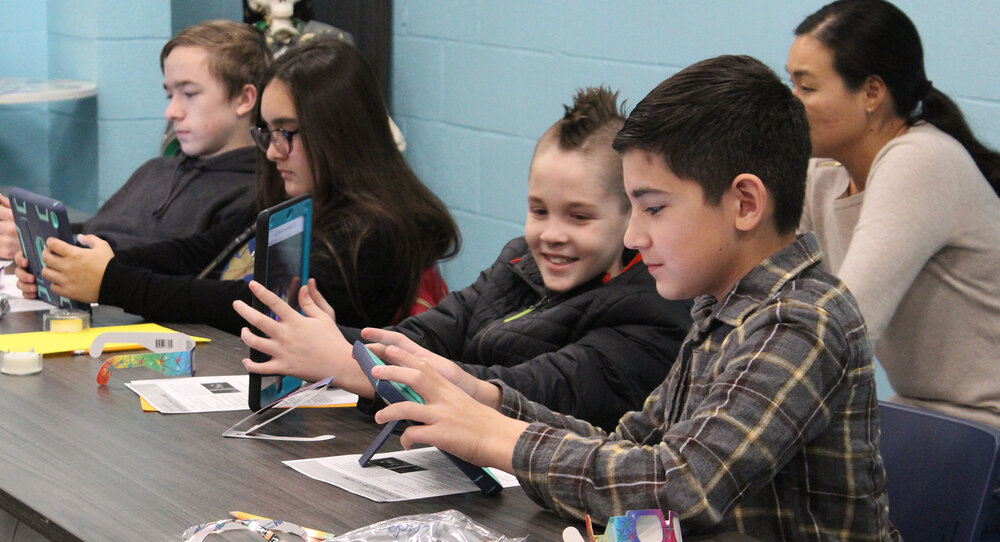
-
Our Hidden Universe: Maryland Science Center
Program ModelOur Hidden Universe is a hands-on planetarium show. Participants are given a kit of materials and encouraged to make their own observations throughout the show. The show focuses on various tools that were...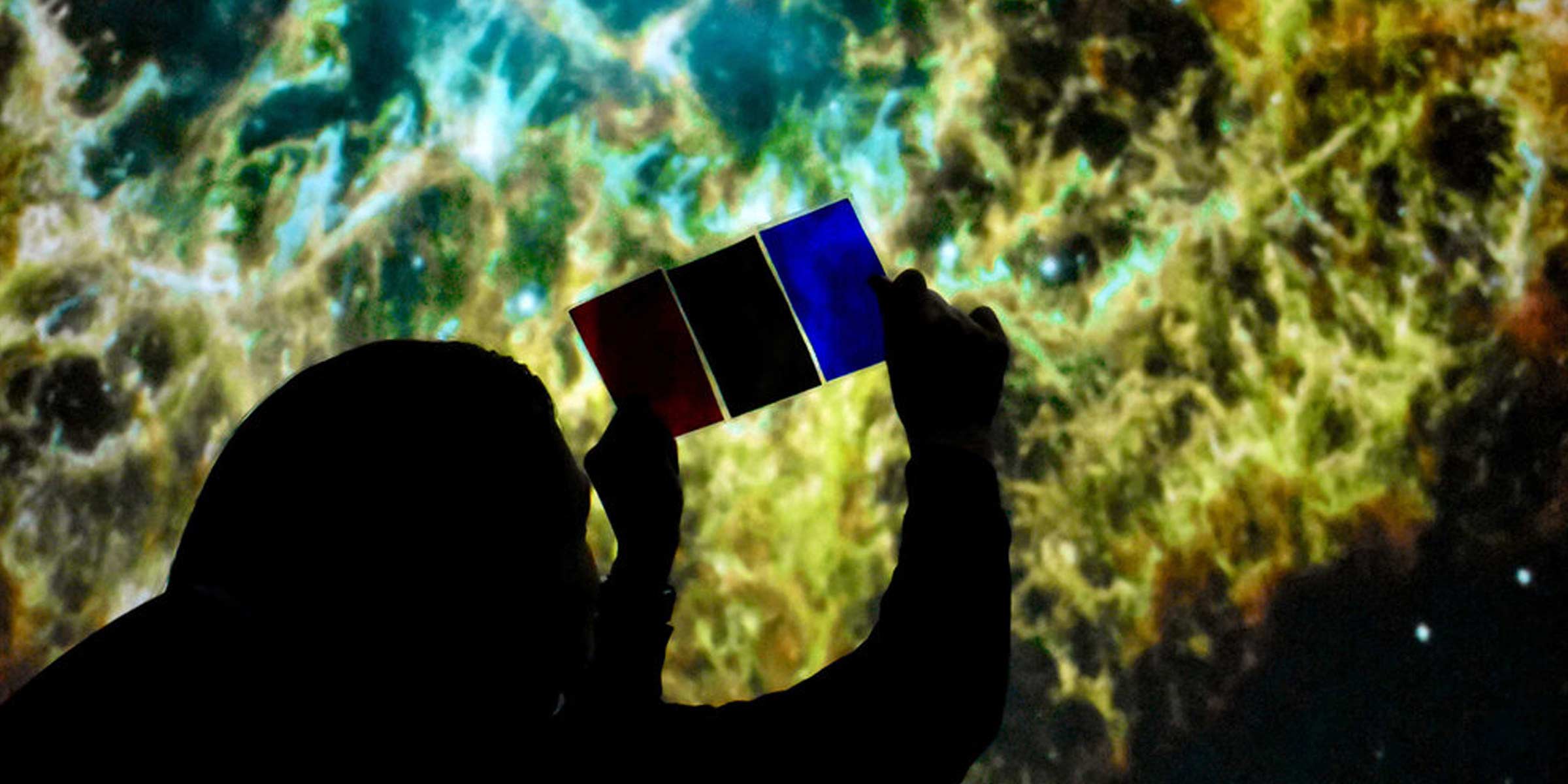
-
Tactile Explorations of Extrasolar Objects: Science Central
Program Model | ToolkitThis tabletop activity by Science Central uses 3D printed representations of objects beyond the Solar System to give participants a sense of the scale of extrasolar objects and allow participants with...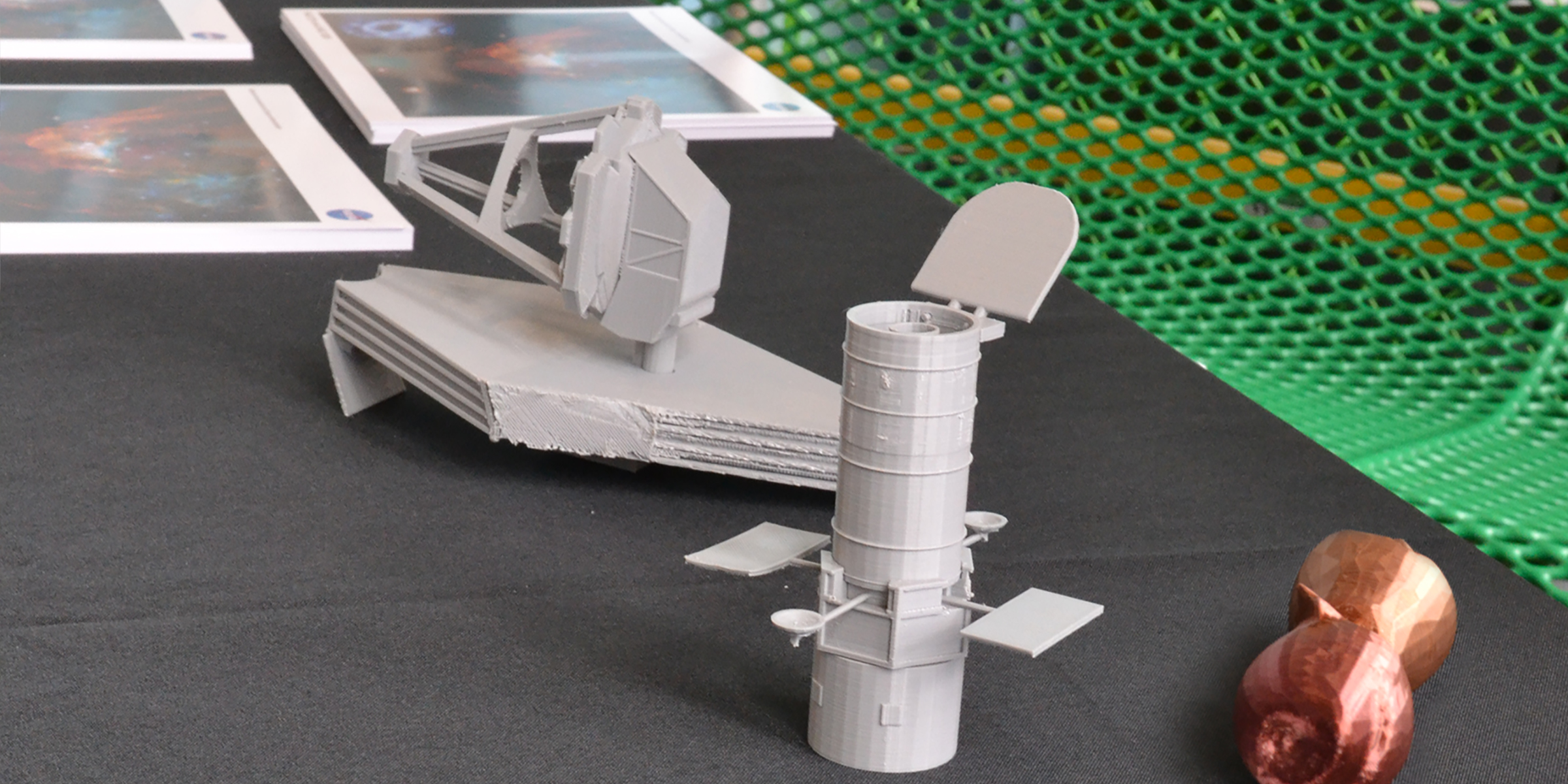
-
Astrobiology: Here, There, Everywhere: L.C. Bates Museum
Program ModelWhat is life? And where does it come from? These are questions that astrobiology helps us explore. Astrobiology is the study of life in the universe. Astrobiologists study how life originated, developed,...
-
The Expanded Universe: Playing with Time Activity Guide
ActivitiesIn this activity, participants use balloons to model the expansion of the universe and observe how expansion affects wavelengths of light and distance between galaxies. Participants will learn: The... -
Science Olympiad: Guide for Using JS9
Competition Material | Resource GuideWe invite you to explore these tools to learn more about the universe that all of us inhabit. The flexibility and user friendliness of JS9 allows you to easily access many astronomical databases to explore... -
EXOTIC (Exoplanet Transit Interpretation Code) Software
SoftwareUse Exoplanet Watch's official data reduction tool EXOTIC (Exoplanet Transit Interpretation Code) to analyze a sample dataset of the transiting exoplanet, HAT-P-32b, to produce your own transit light... -
Light & Color: Exploring Visible Light Activity Guide
ActivitiesThis activity introduces learners to the visible-light spectrum and color mixing. Your event’s attendees may explore visible light by observing it with diffraction grating glasses to see how it can...
-
ViewSpace Videos: Kepler Space Telescope
VideosNASA’s Kepler Space Telescope found that the night sky is filled with more planets than stars! Explore attention-capturing videos about its discoveries. Are you interested in playing ViewSpace in...
-
ViewSpace Videos: Webb Space Telescope
VideosNASA’s James Webb Space Telescope provides a powerful view of the universe: Its instruments are sensitive to infrared light in high resolution. These longer wavelengths of light allow us to capture...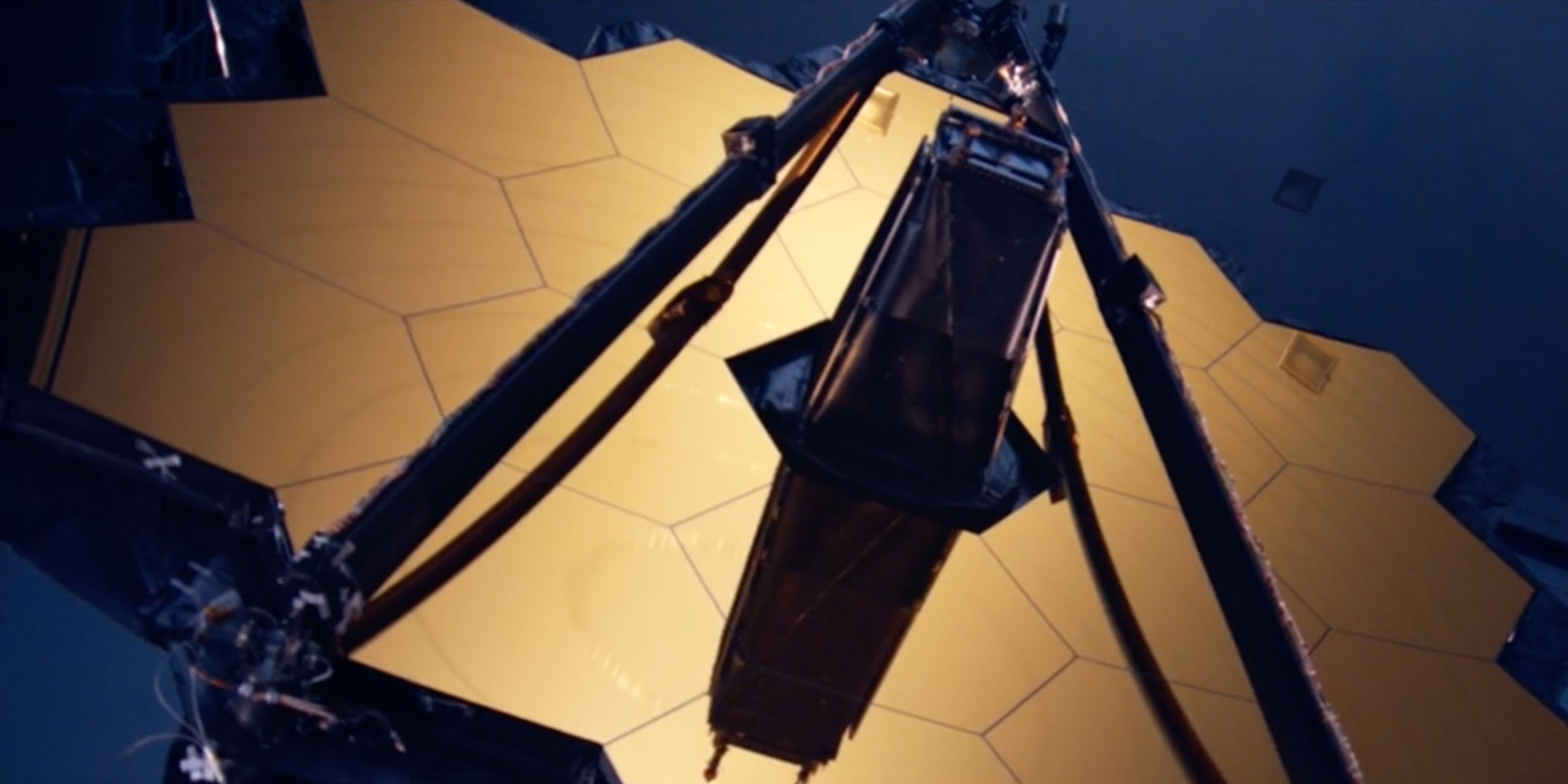
-
ViewSpace Videos: Gamma Rays
VideosGamma rays are produced by the hottest and most energetic objects in the universe, including neutron stars and pulsars, supernova explosions, and regions around black holes. See how this type of light...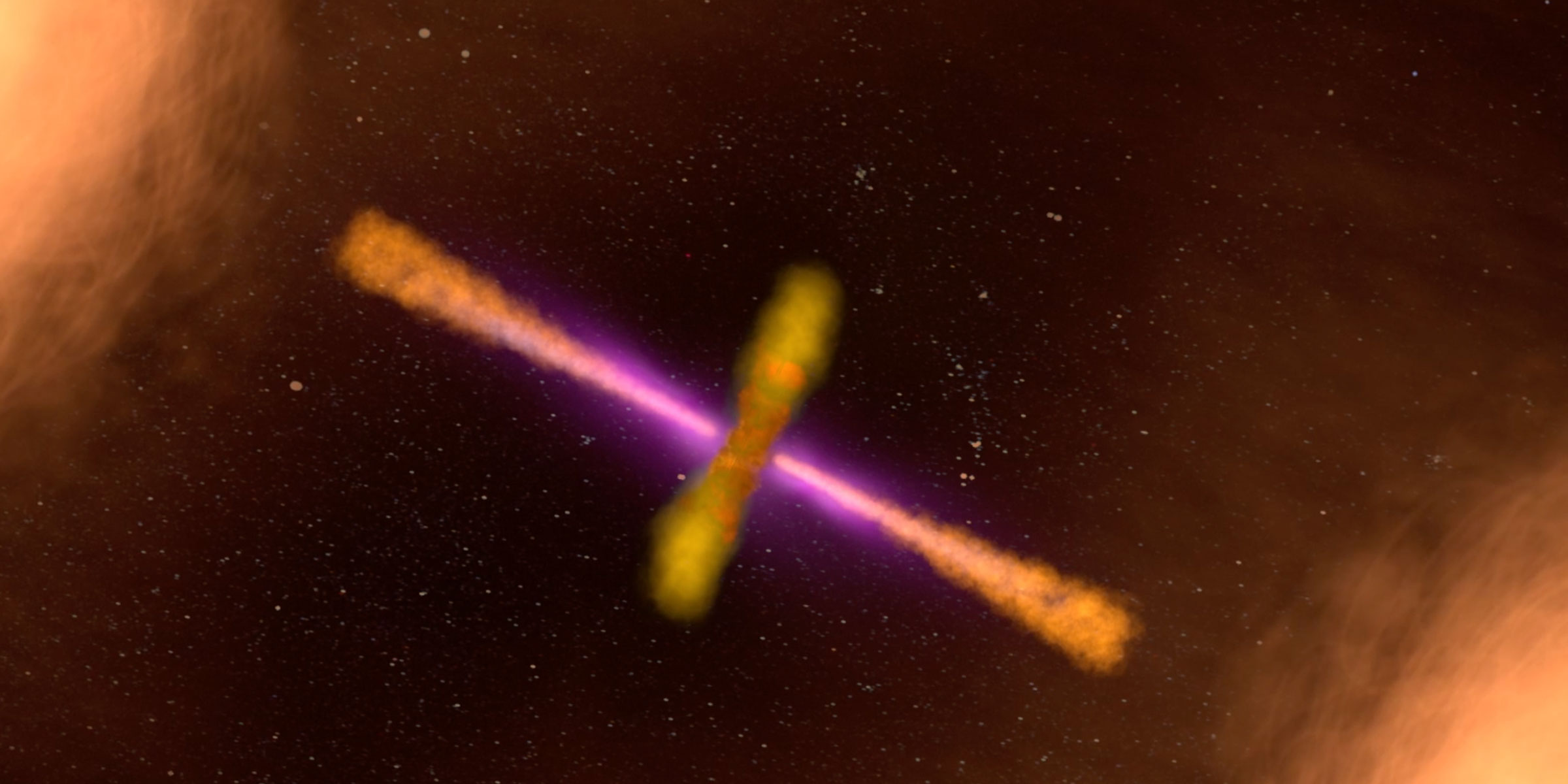
-
ViewSpace Videos: Fermi Gamma-ray Space Telescope
VideosExplore how NASA’s Fermi Gamma-ray Space Telescope opens a wide window on the universe by capturing gamma rays across the sky. These videos address how the observatory helps us answer persistent...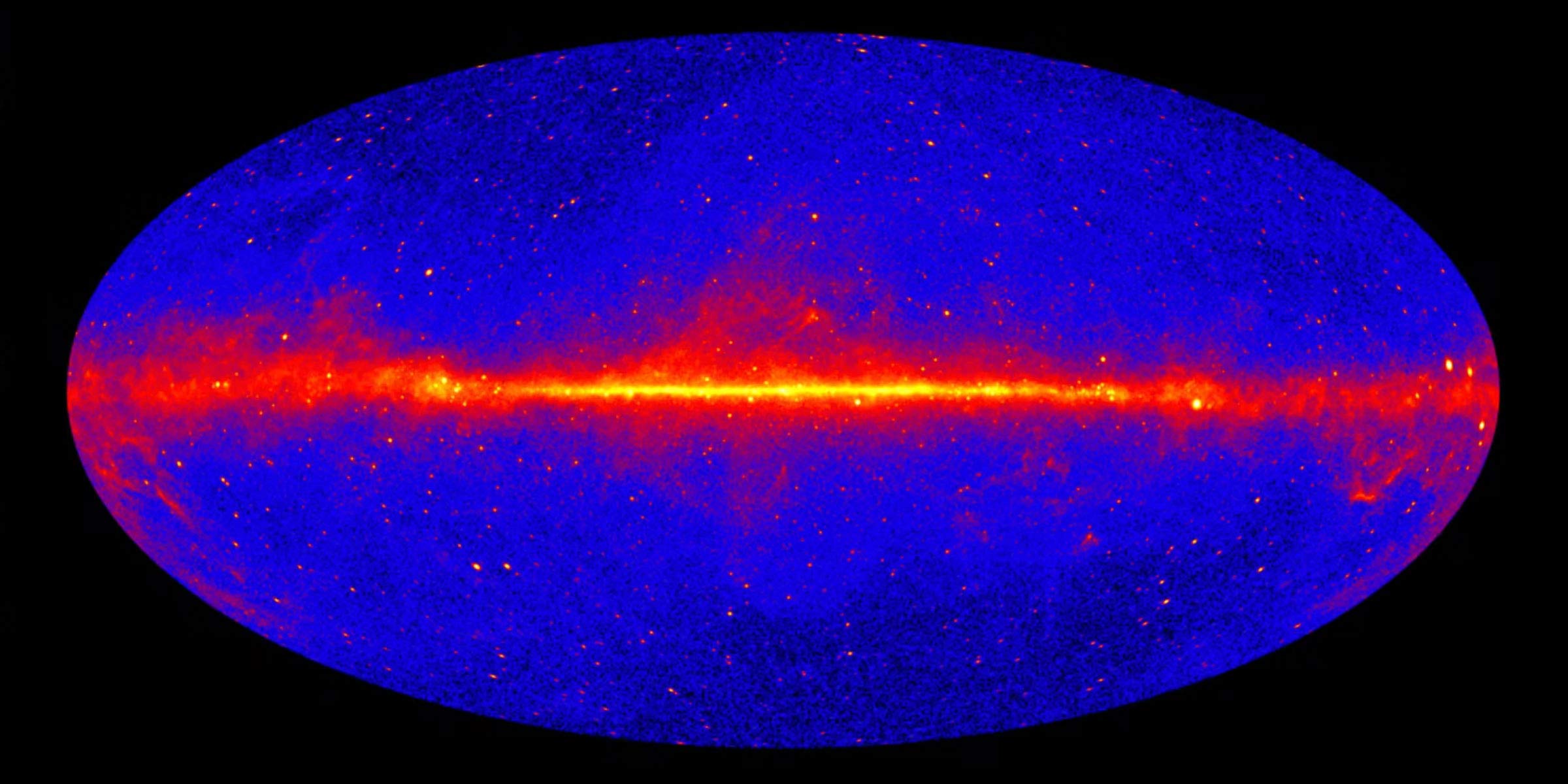
-
ViewSpace Videos: Electromagnetic Spectrum
VideosElectromagnetic radiation – light – carries information to us from distant objects in space. Explore what light, in all of its frequencies, tells us about stars, galaxies, and the night sky...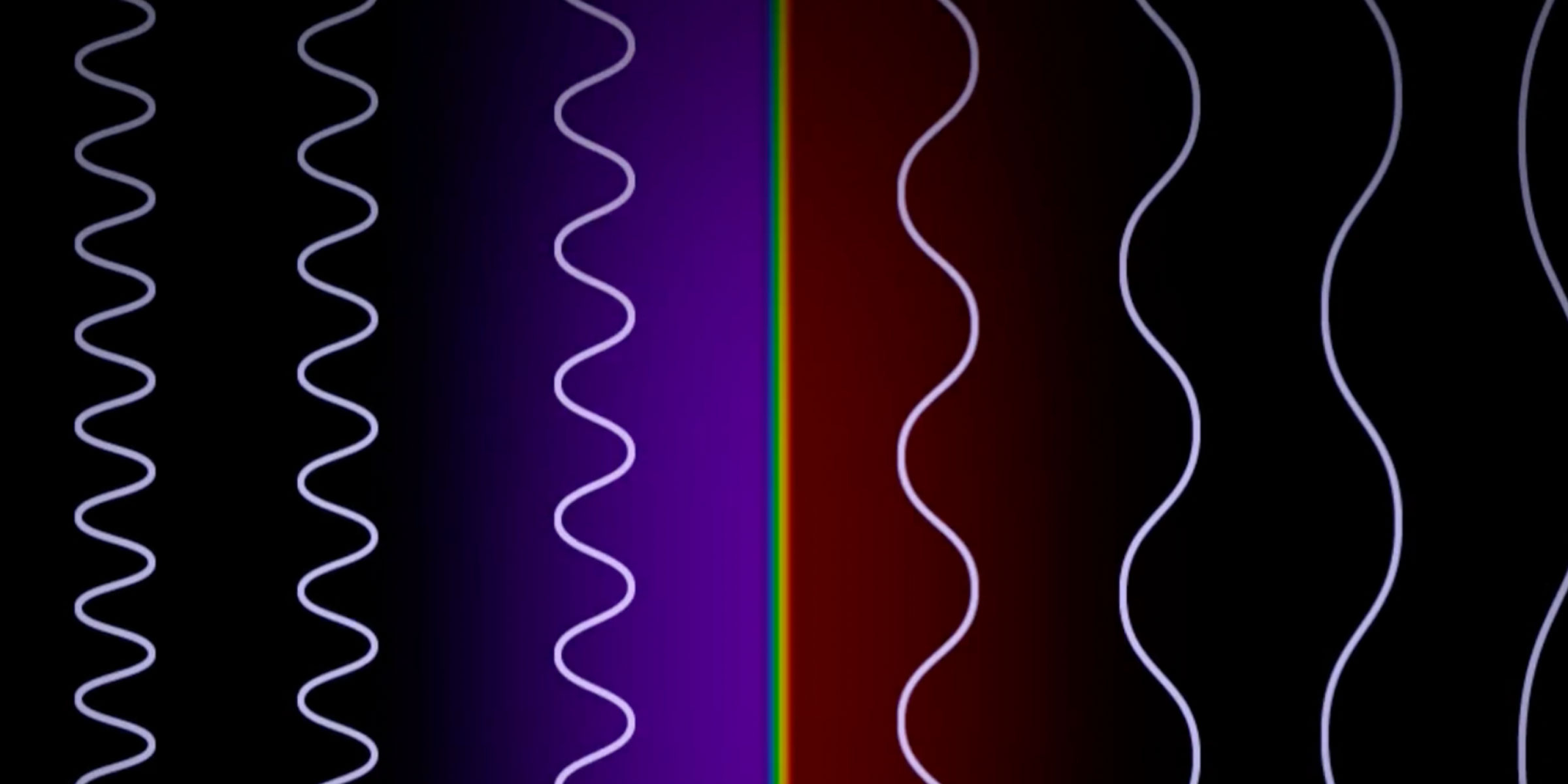
-
ViewSpace Videos: Light
VideosAs light travels for tens to hundreds of thousands of light-years to Earth, it carries information to us from galaxies, stars, black holes, and so much more. Explore what researchers can learn by analyzing...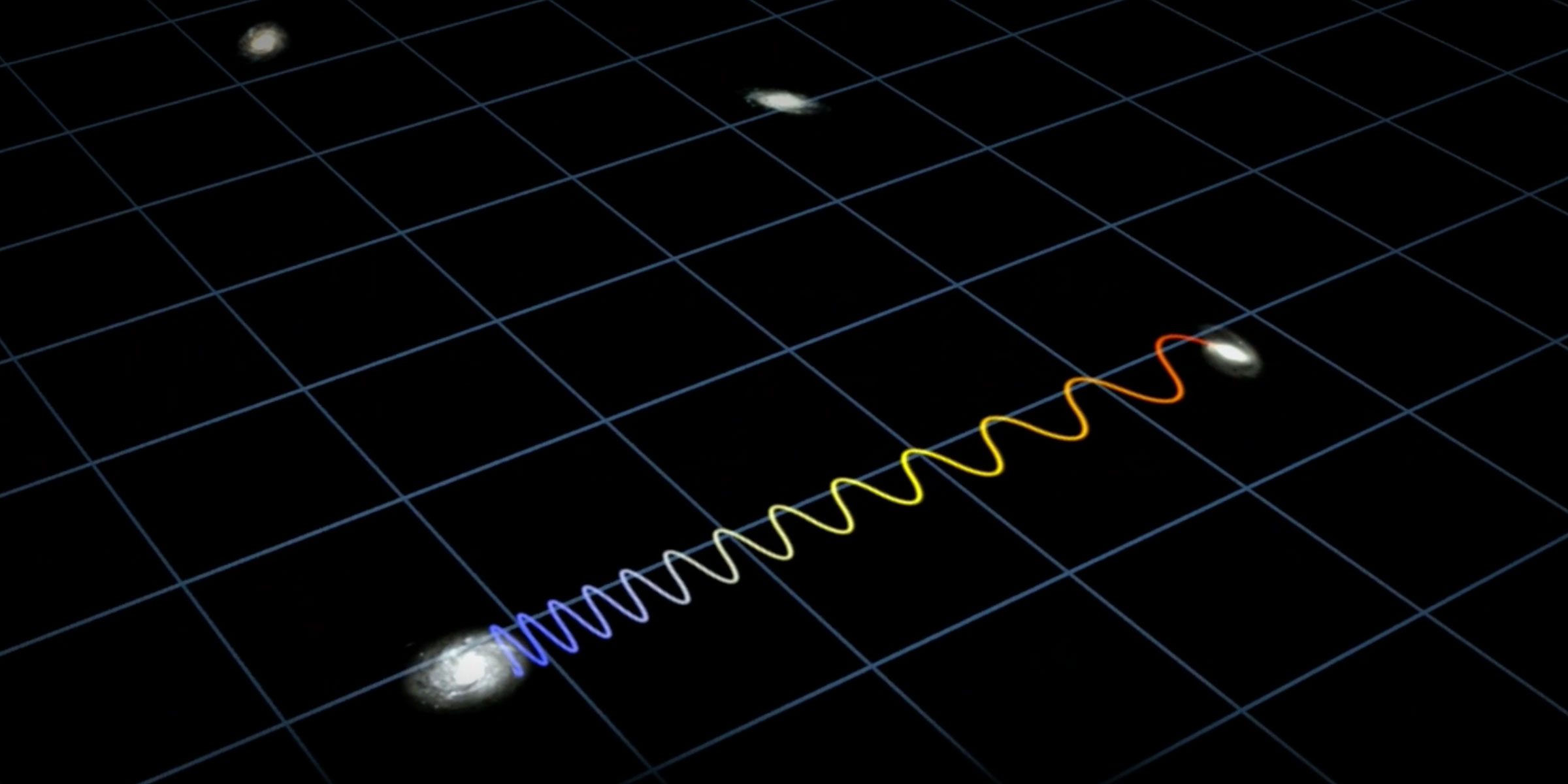
-
ViewSpace Videos: Galaxy Evolution Explorer (GALEX)
VideosNASA’s Galaxy Evolution Explorer (GALEX) sent back ultraviolet light images of the universe. The telescope helped astronomers learn how the early universe evolved, and better characterize black holes...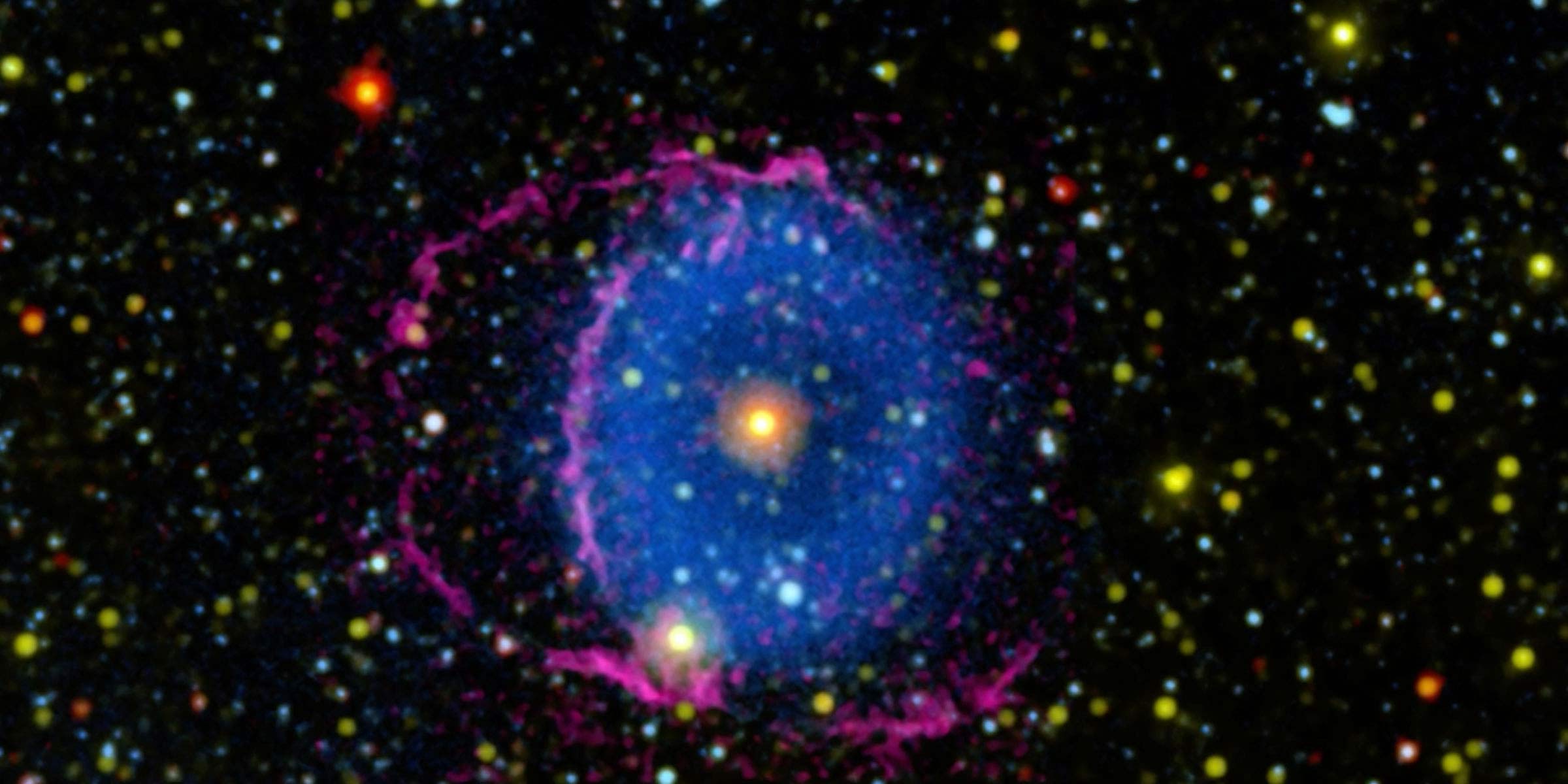
-
ViewSpace Videos: Multi-Wavelength Light
VideosTeach your visitors how combining light from across the electromagnetic spectrum helps us learn an incredible amount about the universe in this video series. Are you interested in playing ViewSpace in...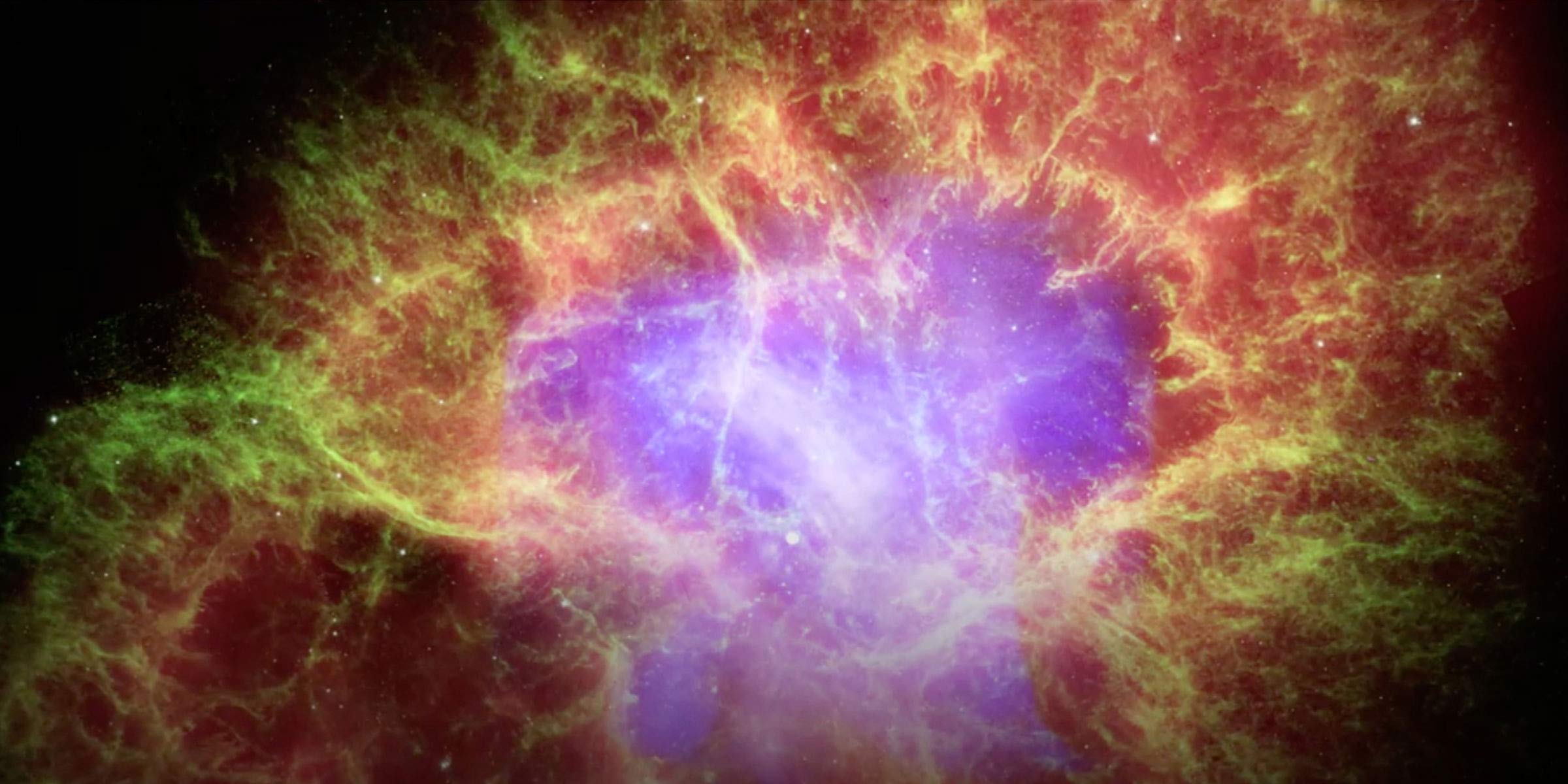
-
2020 NASA's Astrophoto Challenge (Winter)
December 9, 2019 through February 29, 2020 ChallengeThe winter 2020 NASA's Astrophoto Challenges have ended. This season's target: M82 Galaxy. Try your hand at processing images from NASA's space telescopes, or capture and process your ...
-
ViewSpace Videos: Spectroscopy
VideosAlong with imaging, spectroscopy is one of the most common and useful techniques in astronomy. Spectroscopy is used to figure out what objects are made of, how hot they are, how dense they are, and how...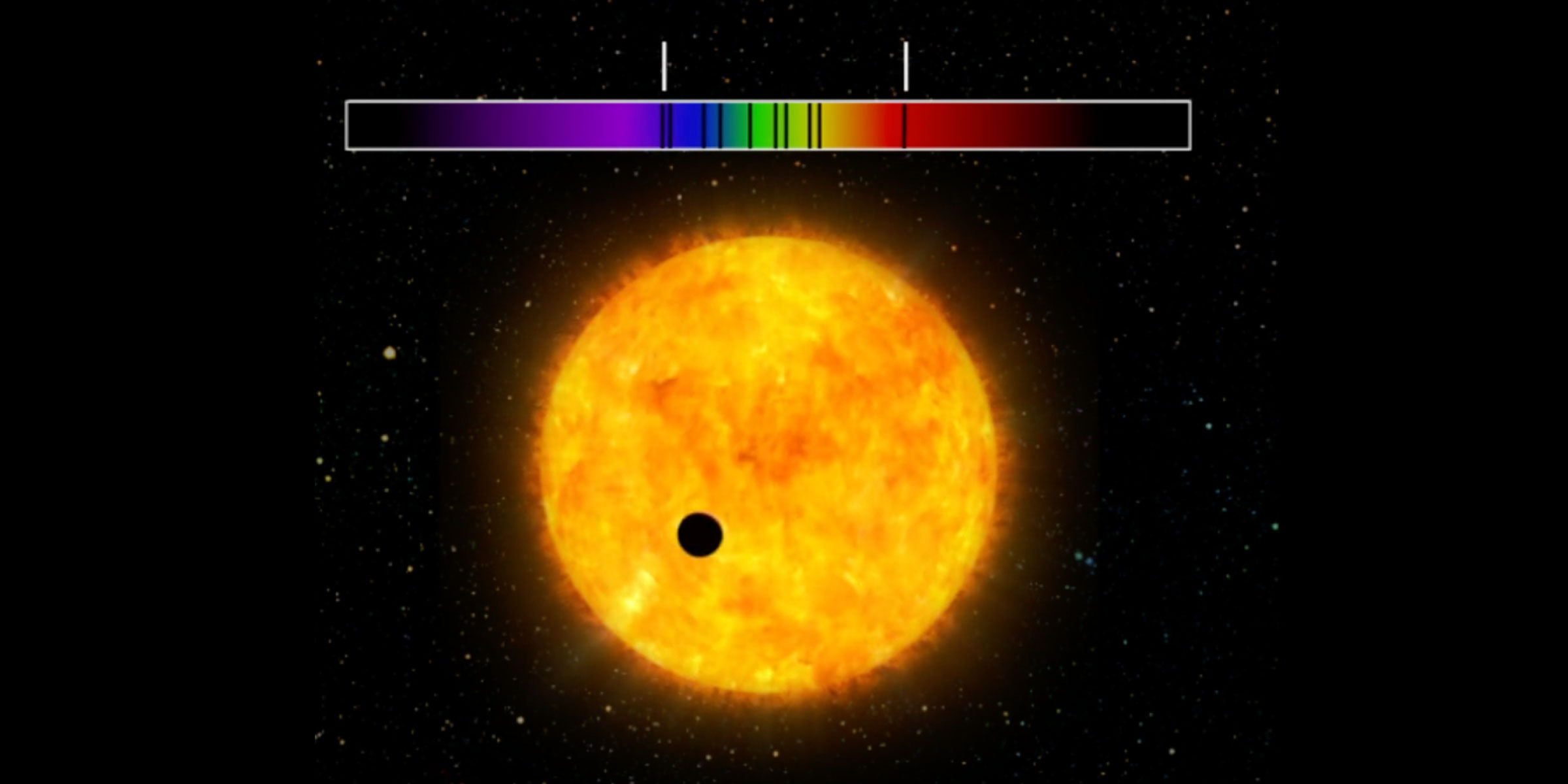
-
ViewSpace Videos: Planck Satellite
VideosESA’s Planck satellite studies the cosmic microwave background radiation, the most ancient light in cosmic history, released when the universe was just 380,000 years old. Learn what we know about... -
ViewSpace Videos: Microwaves
VideosMicrowaves are even longer than radio waves. The oldest microwaves – extremely faint, low-energy light – have made it to Earth, revealing the afterglow of the big bang. Watch videos about how...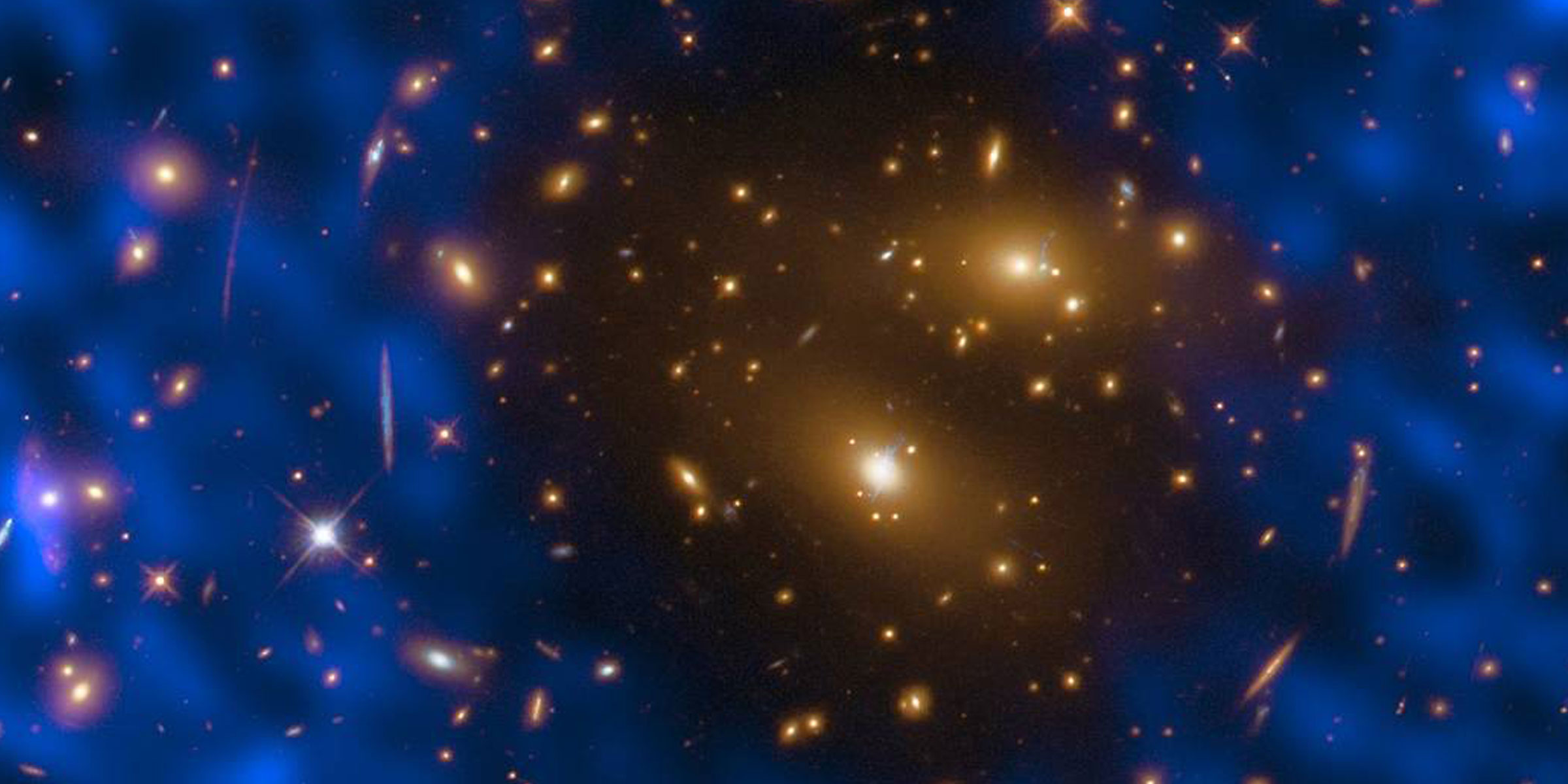
-
ViewSpace Videos: Radio Waves
VideosRadio waves are some of the most stretched out light in the universe – they have the longest wavelengths in the electromagnetic spectrum. Find out what they help us learn about galaxies, galaxy clusters,...
-
ViewSpace Videos: Chandra X-Ray Observatory
VideosExplore how NASA’s Chandra X-ray Observatory helps us learn about exploded stars, clusters of galaxies, and matter around black holes. You can also help audiences compare its X-ray observations to...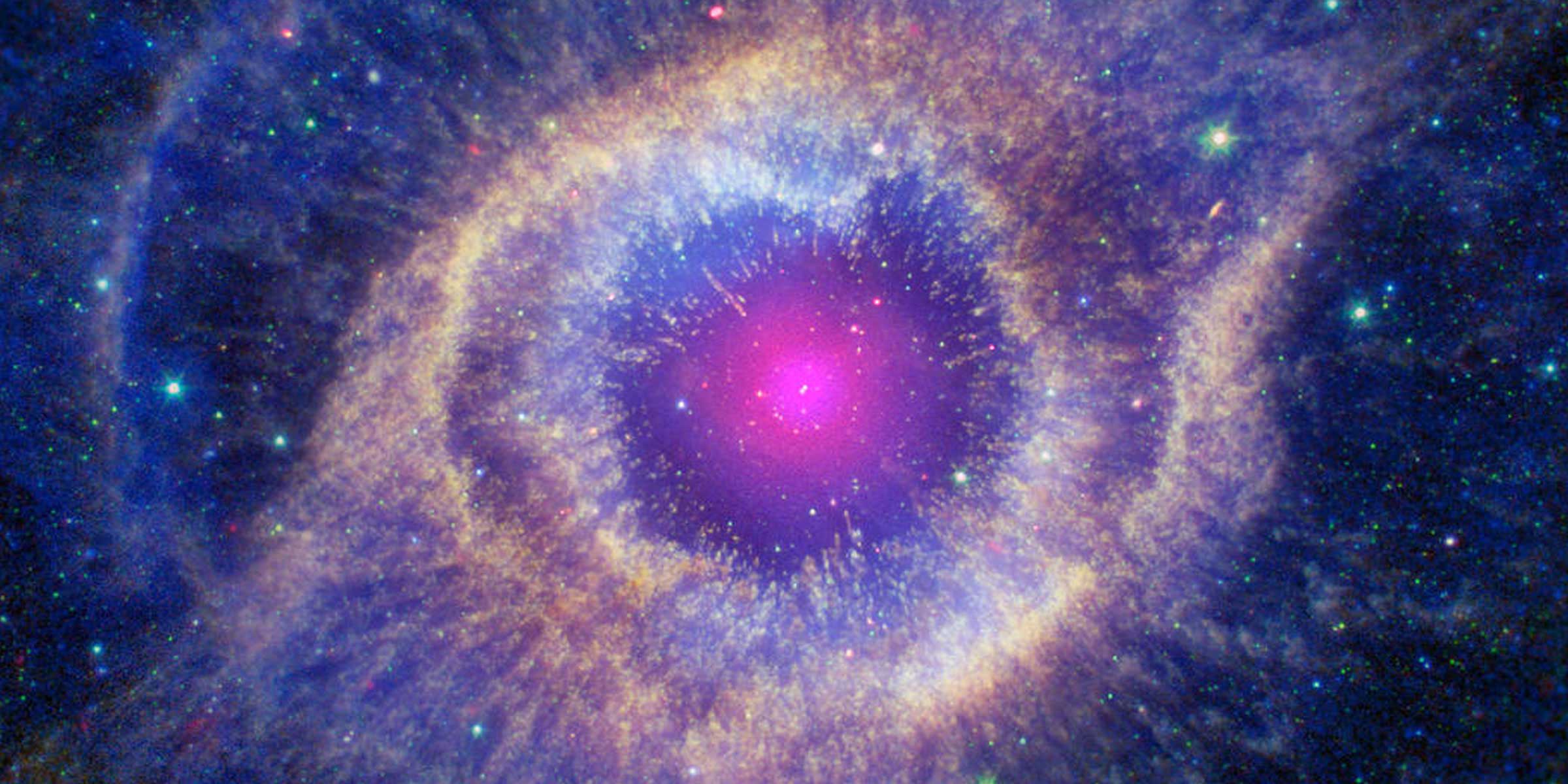
-
ViewSpace Videos: Spitzer Space Telescope
VideosView some of the most interesting discoveries of NASA’s Spitzer Space Telescope, which delivered the universe to us in infrared light. Highlights include star-forming regions, interacting galaxies,...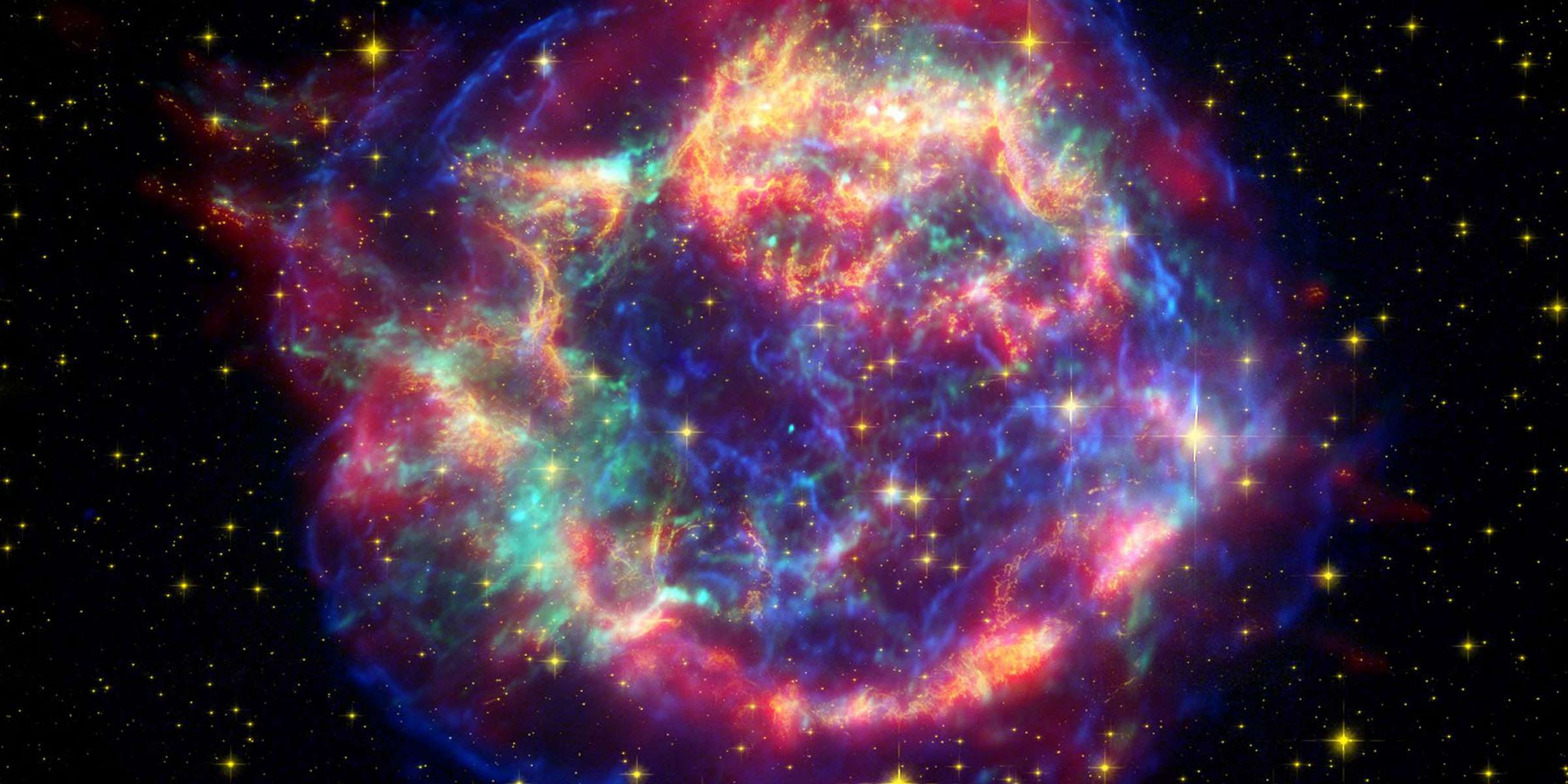
-
ViewSpace Videos: Ultraviolet Light
VideosUltraviolet light helps us learn about how stars form and shape their environments, traces the structure and development of galaxies, and has been detected on other planets in our solar system. Discover...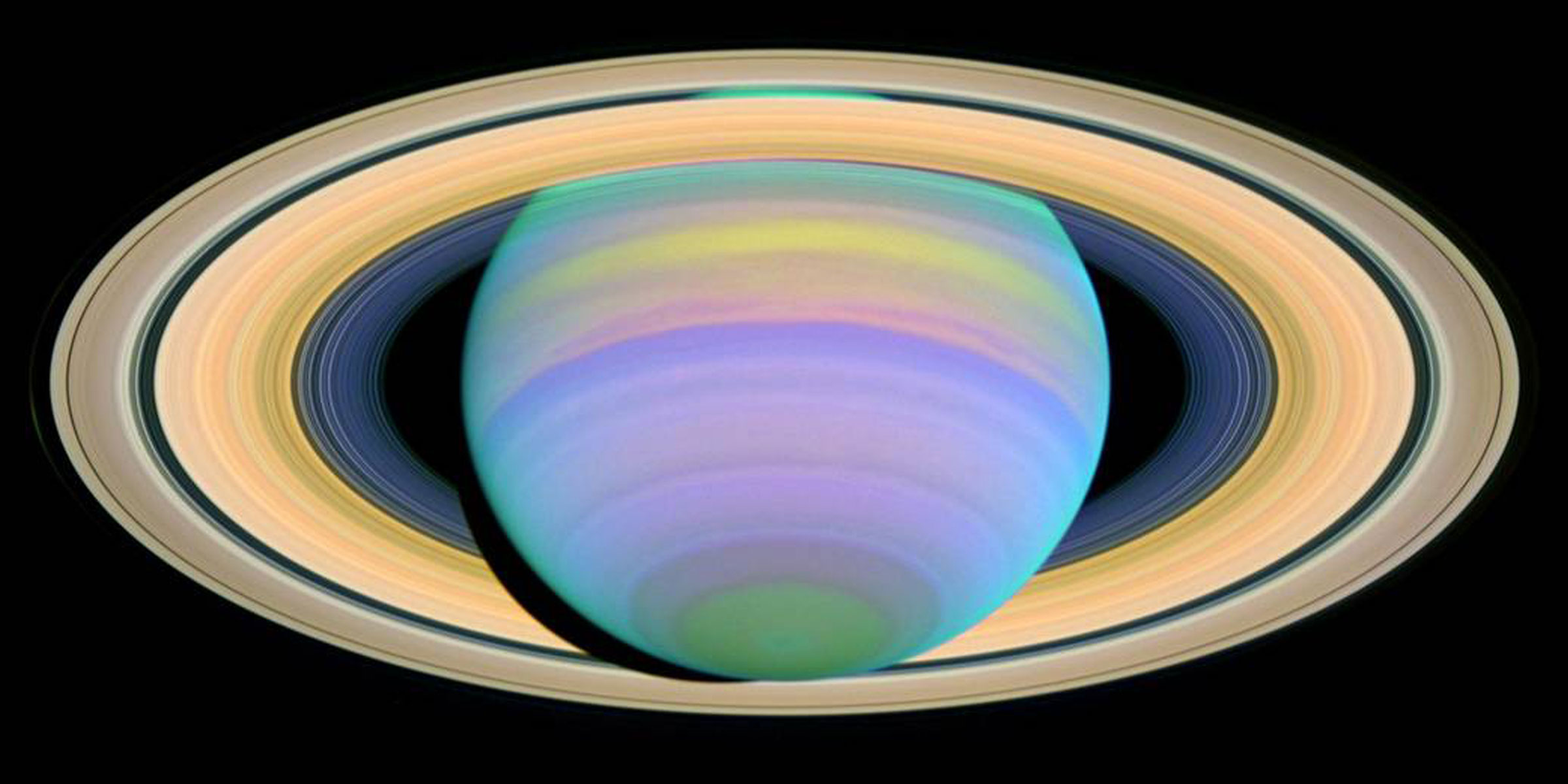
-
ViewSpace Videos: Herschel Space Observatory
VideosESA’s Herschel Space Observatory studied the universe in far-infrared light and submillimeter radiation, revealing new details about the earliest, most distant stars and galaxies, as well as those...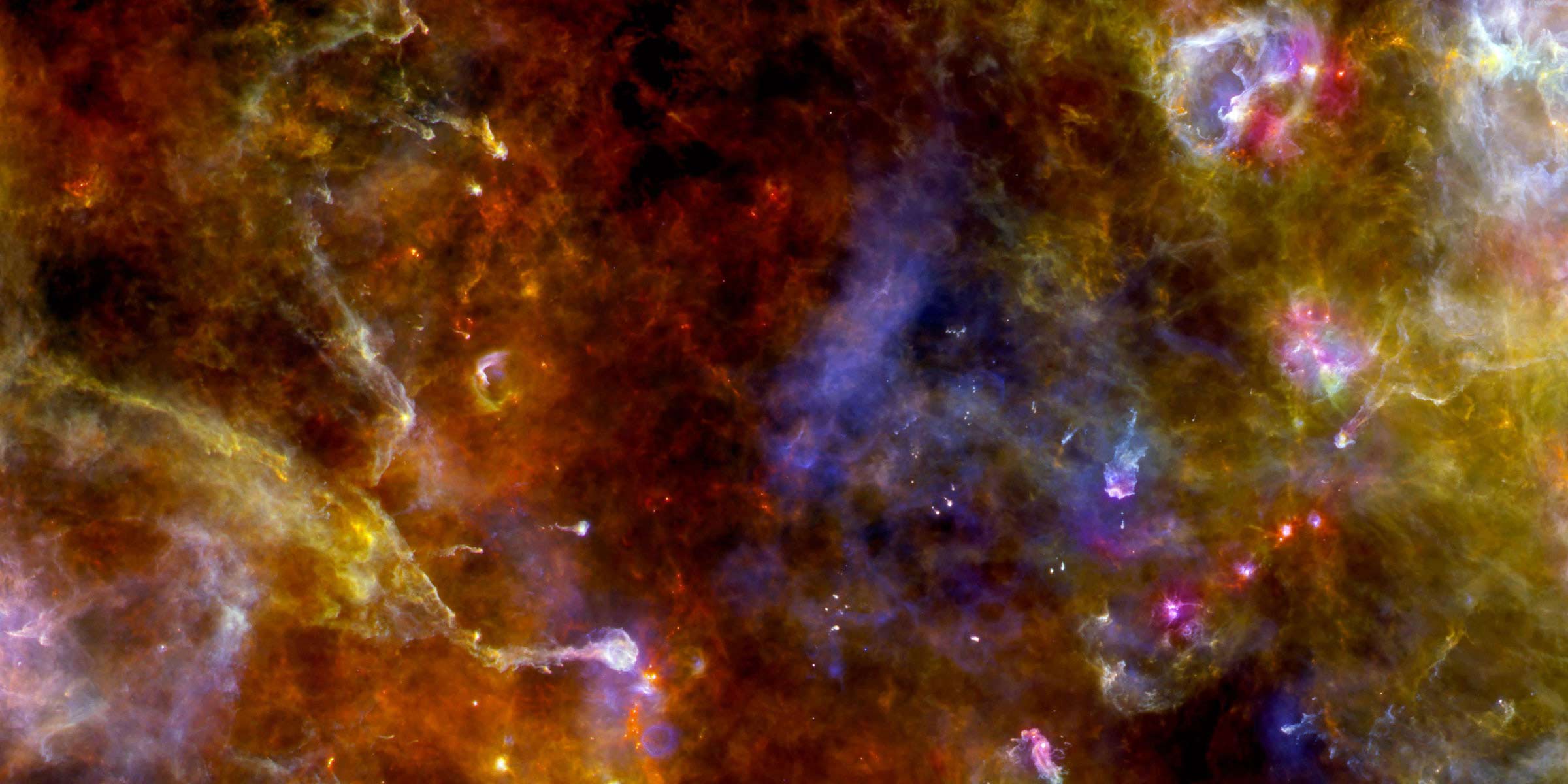
-
2019 NASA's Astrophoto Challenge (Summer)
May 31 through July 31, 2019 ChallengeThe summer 2019 NASA's Astrophoto Challenges have ended. This season's target: Whirlpool Galaxy. Try your hand at processing images from NASA's space telescopes, or capture and process ...
-
Other Solar Systems, Other Earths Resource Guide
Resource GuideWant to delight audiences with information about planets discovered outside our solar system? Share one or more of the many resources about exoplanets, including in-person activities, videos and online...
-
ViewSpace Videos: X-Rays
VideosCompare how X-rays deliver detail about some of the most energetic processes in the universe. Explore X-rays in the context of black holes, supernovas, and galaxy clusters in these engaging videos. Are...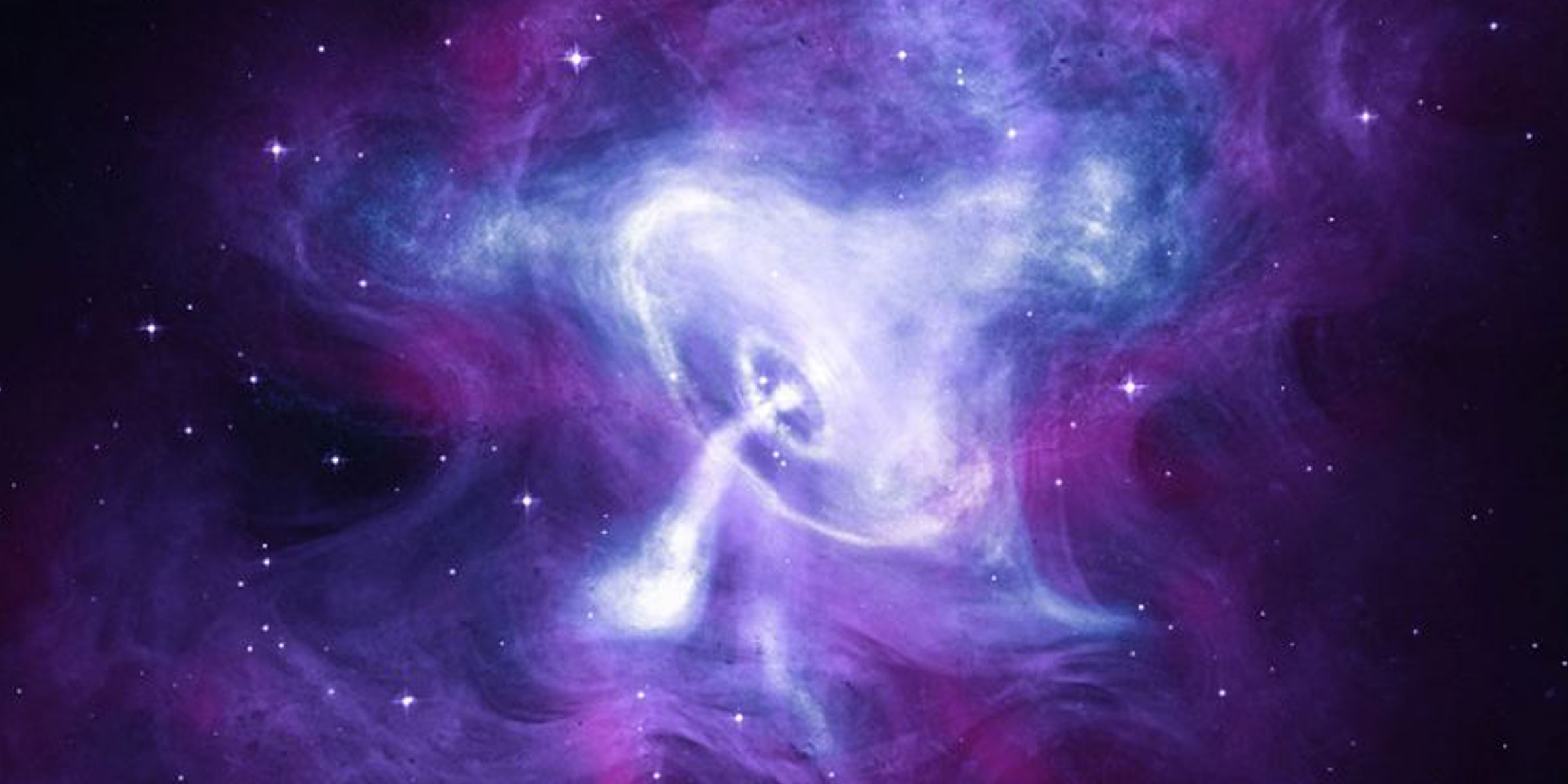
-
ViewSpace Videos: How Do We Know?
VideosHelp viewers discover the process of science! These videos explore how light travels, various telescope technologies, how we detect galaxies and exoplanets, and so much more. Are you interested in playing...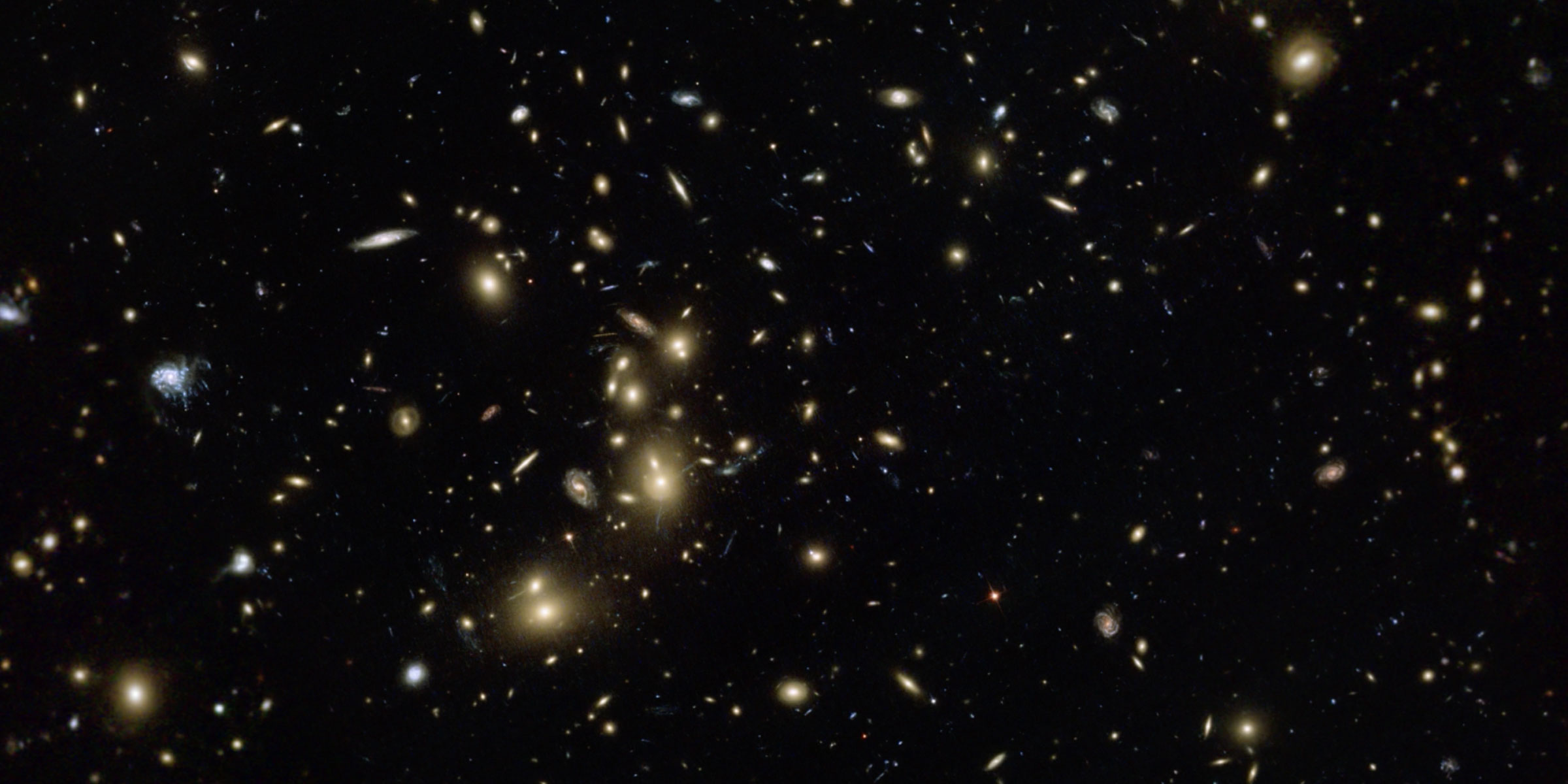
-
ViewSpace Videos: Infrared Light
VideosHelp viewers explore what infrared light is and how it helps us see more of the universe in these engaging videos. Are you interested in playing ViewSpace in your museum, library, or other informal learning...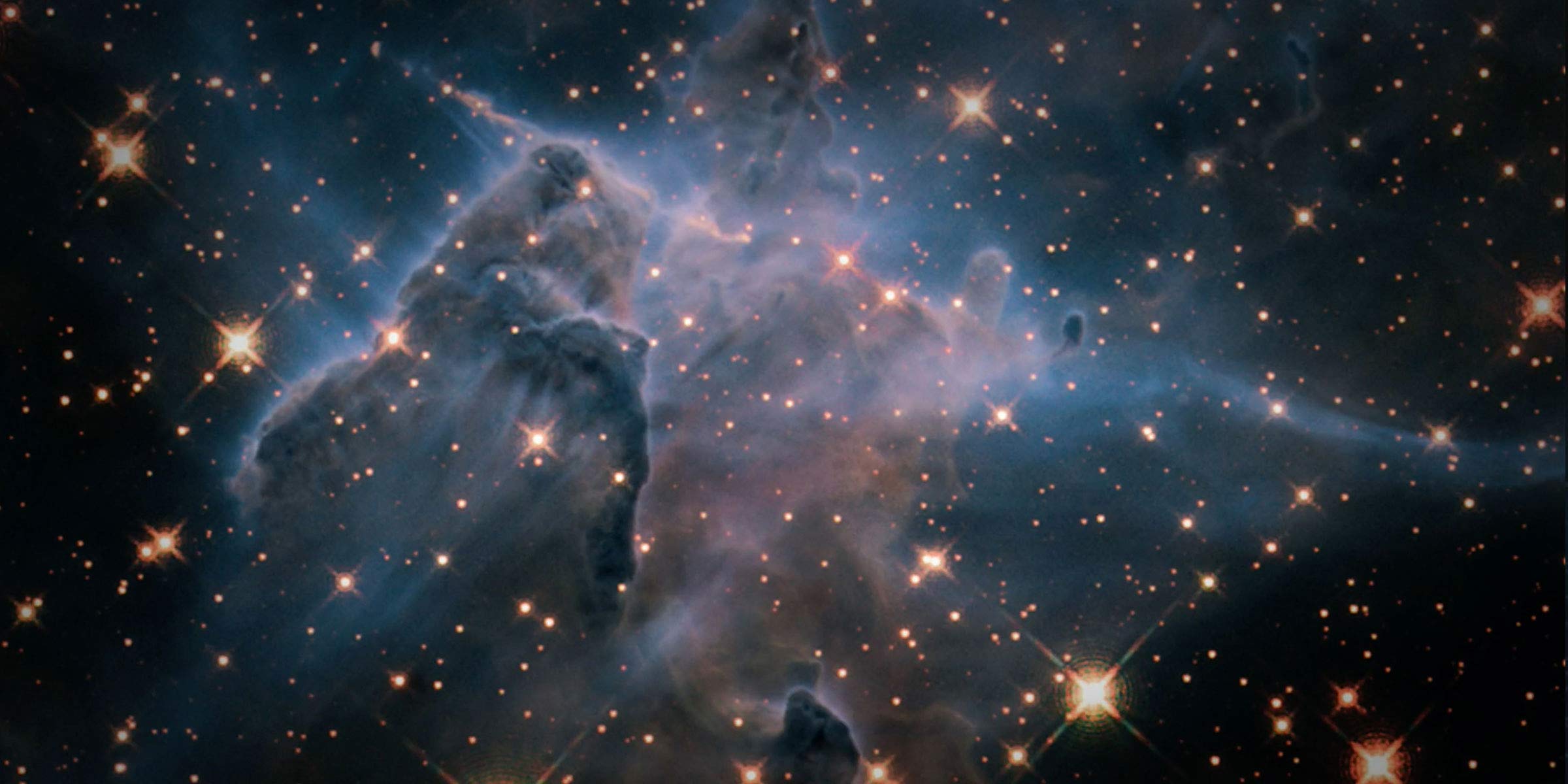
-
ViewSpace Interactives: Seeing Farther
InteractiveBy observing at the same area of the sky for extended periods, space-based telescopes have the ability to capture faint light that left distant objects in the universe billions of years ago, but is only... -
ViewSpace Interactives: Analyzing Light
InteractiveLight is packed with information! By using specialized instruments on telescopes, researchers can stretch light into a rainbow (known as a spectrum) to analyze its properties. Explore how scientists analyze... -
ViewSpace Videos: Visible Light
VideosWhat can we learn about the universe by examining it in visible light with space telescopes? View a range of galaxies to find out what visible light allows us to detect in these videos. Are you interested... -
ViewSpace Videos: Hubble Space Telescope
VideosOrbiting high above the Earth, NASA’s Hubble Space Telescope has a clear view of the universe free from the blurring and absorbing effects of the atmosphere, allowing the observatory to capture ultraviolet,...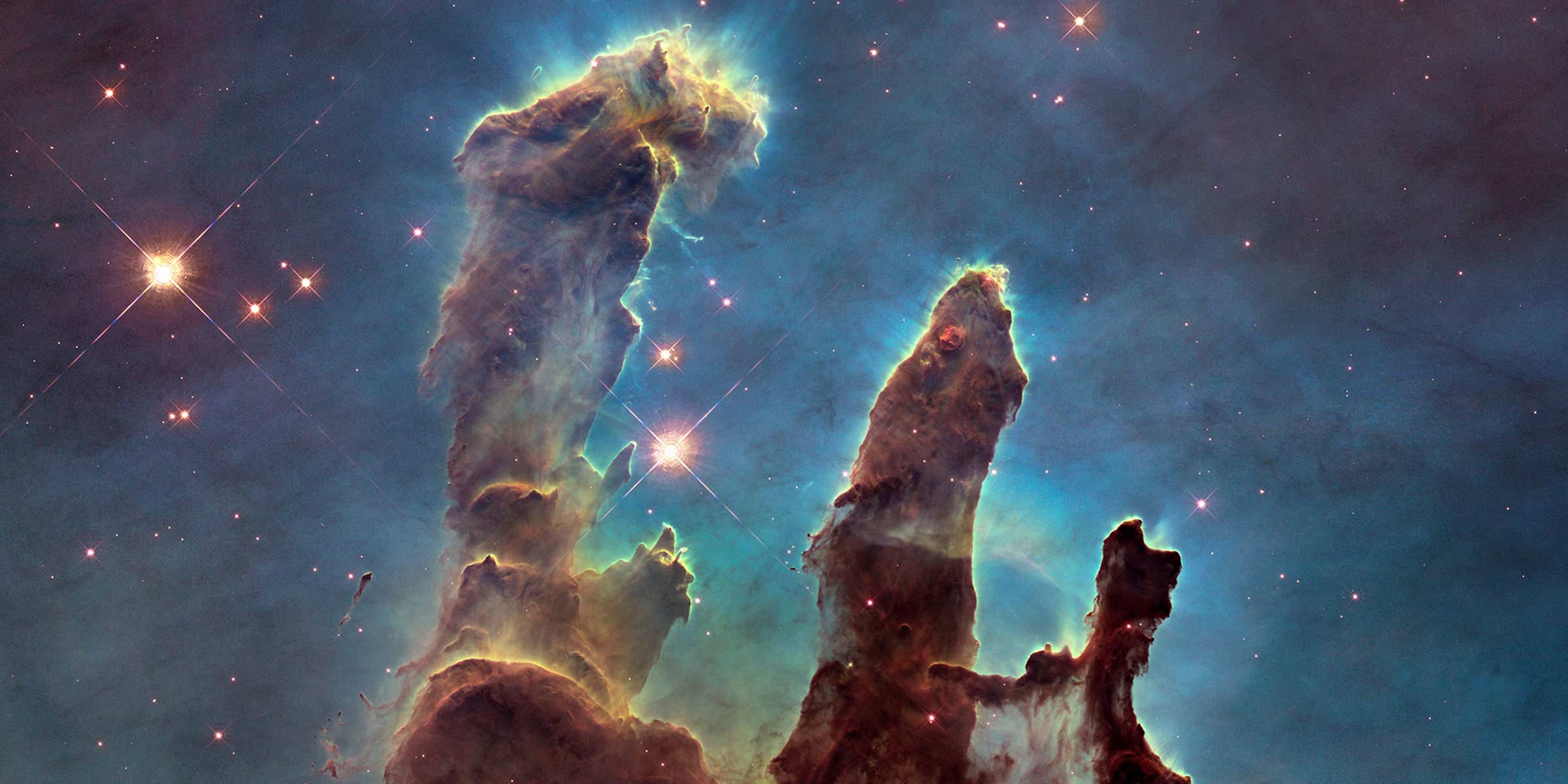
-
ViewSpace Videos: Space
VideosViewSpace videos tell the stories of planets, stars, galaxies, and the universe, giving viewers opportunities to experience space observed by satellites and telescopes. Explore more than 250 videos in...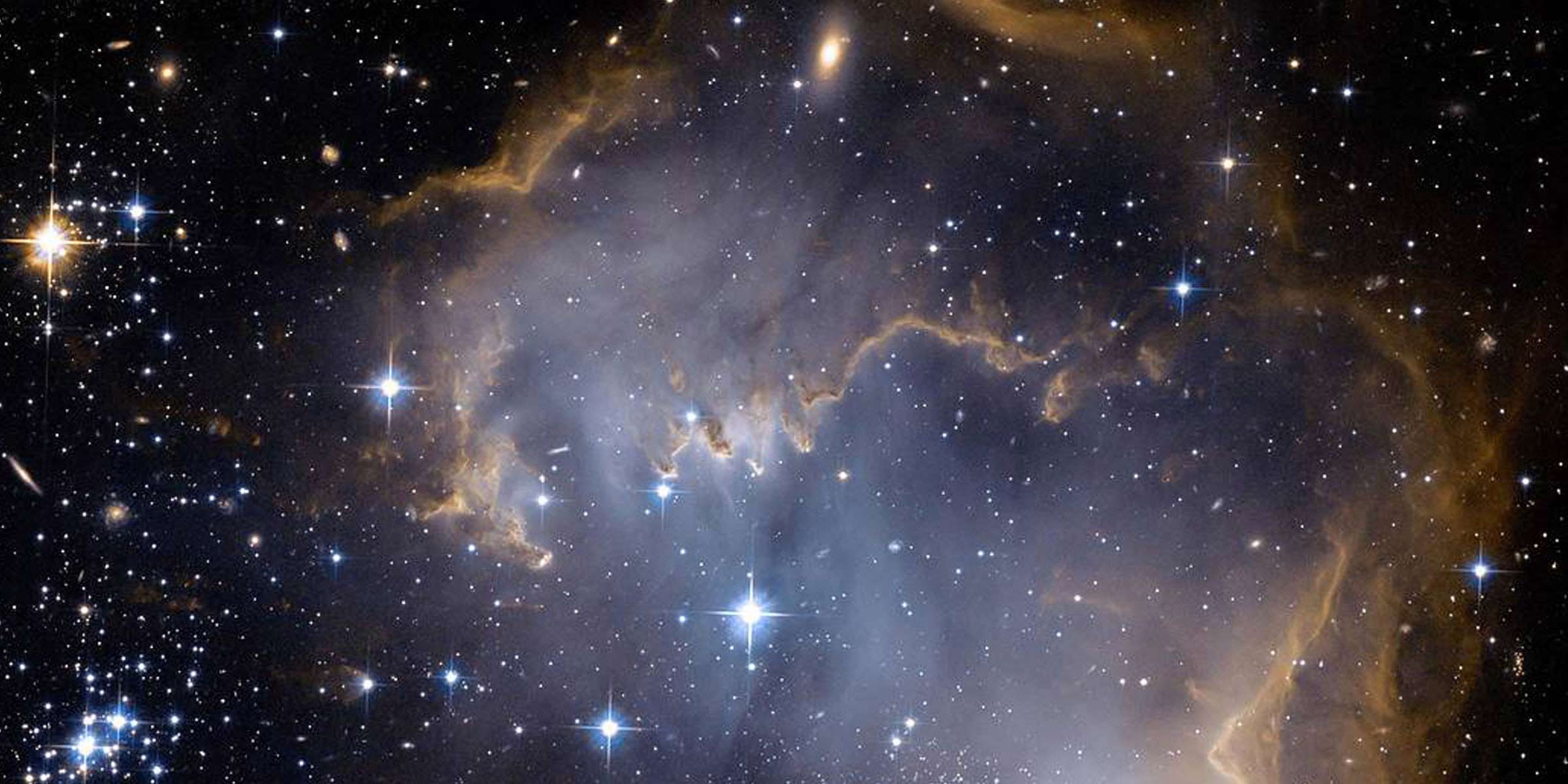
-
ViewSpace Interactives: Gathering Light
InteractiveIf you have ever used manual camera controls to photograph in low light, you know that the darker it is, the longer the exposure needs to be. Keeping the camera shutter open longer allows more light to... -
ViewSpace Interactives: Forms of Light
InteractiveHuman eyes have evolved to detect the rainbow of colors that make up visible light – but it is only one form of light. There are other types of electromagnetic radiation that human eyes cannot see.... -
Visions of the Universe Exhibit
ExhibitsVisions of the Universe: Four Centuries of Discovery portrays our changing views of the universe through time with images and text. The exhibit includes 12 panels that feature key astronomical discoveries...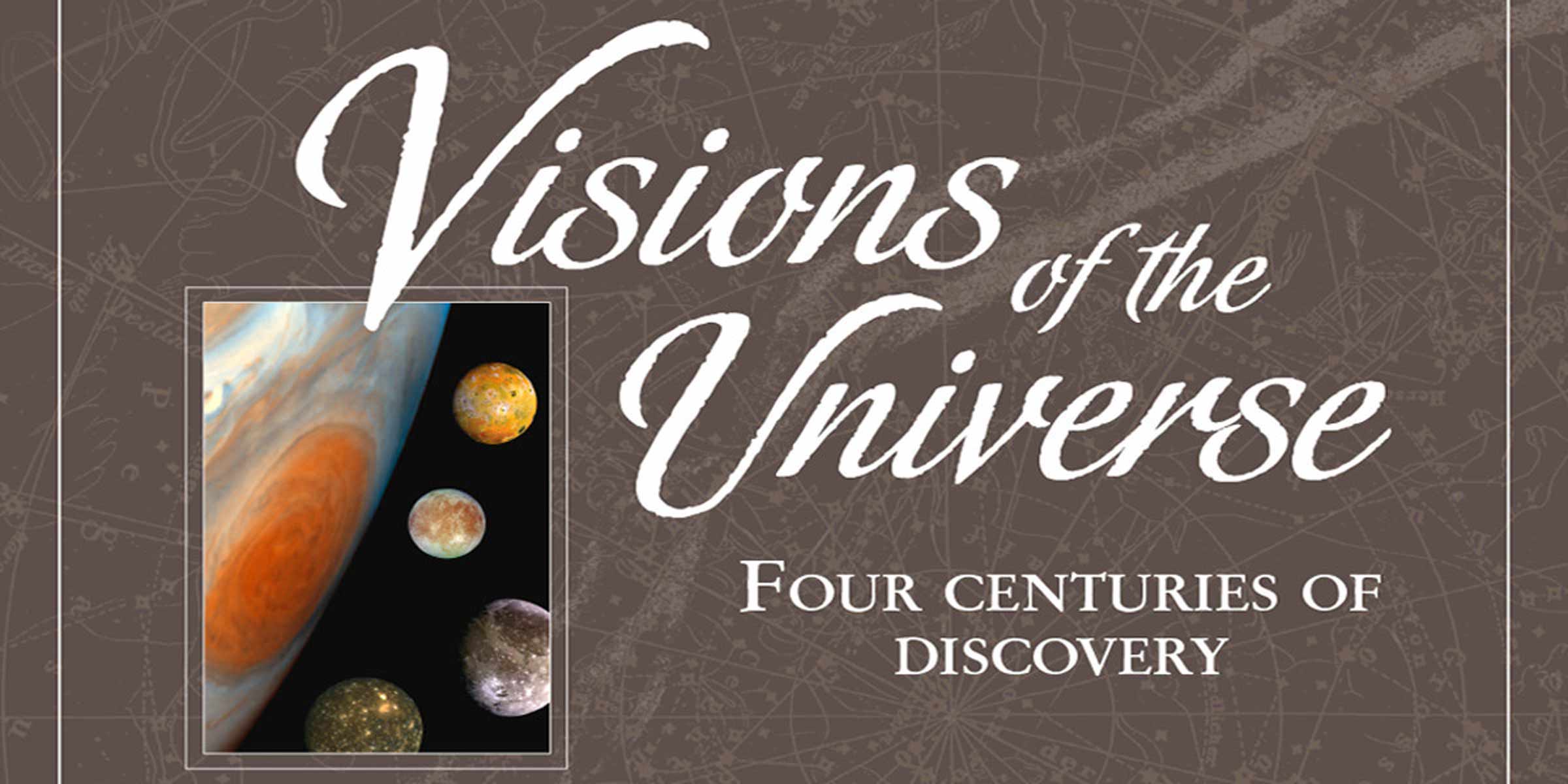
-
2018 NASA's Astrophoto Challenge (Winter)
October 12 through November 7, 2018 ChallengeThe winter 2018 NASA's Astrophoto Challenges have ended. This season's target: Lagoon Nebula. Try your hand at processing images from NASA's space telescopes, or capture and process ...
-
How to Talk to a Spacecraft
ActivitiesNASA's Chandra X-ray Observatory uses binary code to gather information about Earth's surface. That code, in the form of two numbers (1s and 0s), is then read and converted by computers into images....
-
AstroViz 2018 Conference Session Videos
VideosThe AstroViz 2018 workshop provides an opportunity for professionals who create or use astronomical visualizations to enable science learning, literacy, and communication to meet, share techniques, and...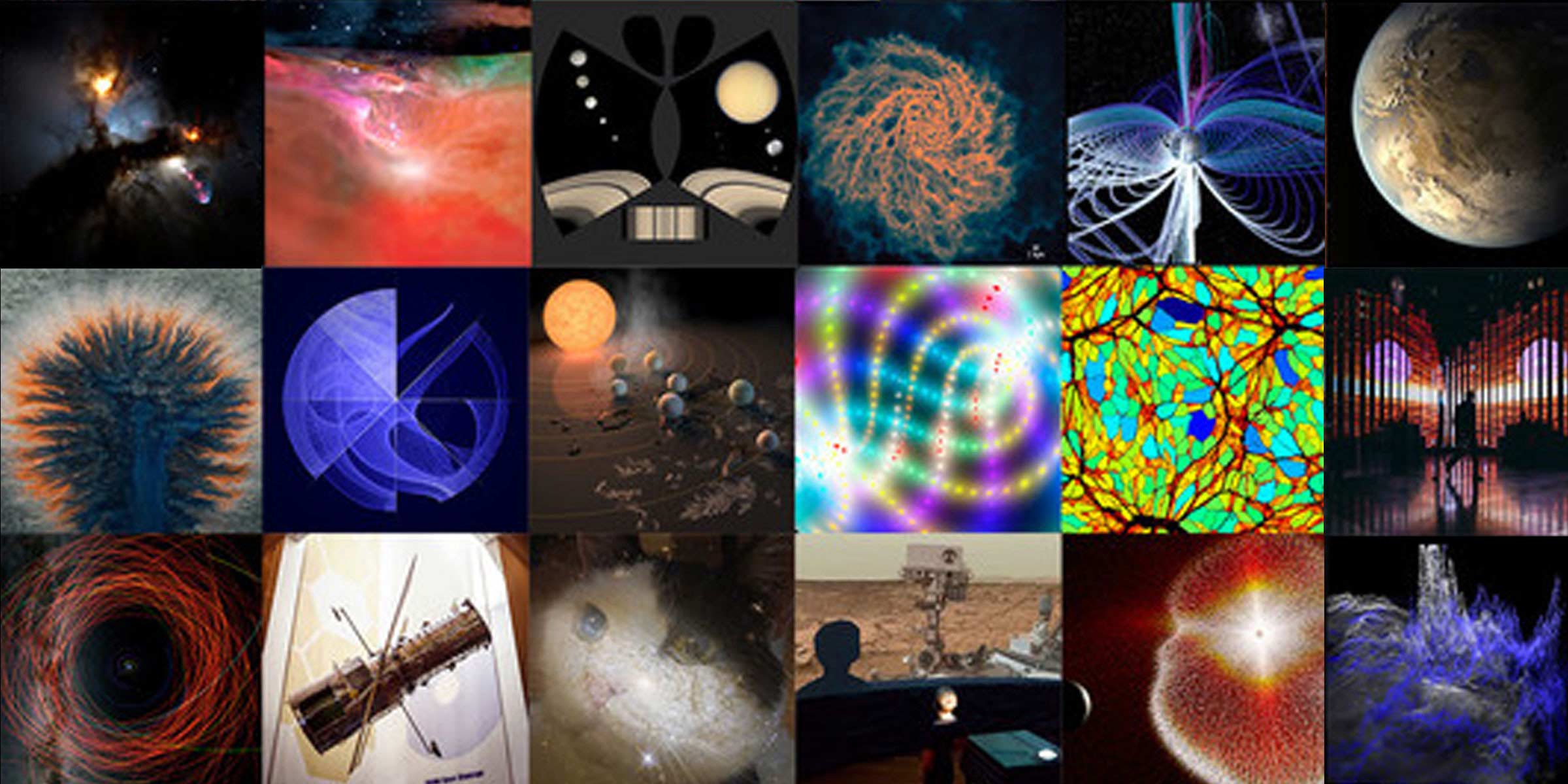
-
AstroPix
WebsiteWelcome to a new "one-stop shopping" experience that makes finding the right astronomy image easier than ever! AstroPix offers publicly accessible image galleries of many of the leading astronomical...
-
MicroObservatory Training and Resources
VideosSeveral resources are available to help you use our free image-processing software to enhance your FITS images (taken with either the MicroObservatory Telescopes or other telescope images in FITS format)....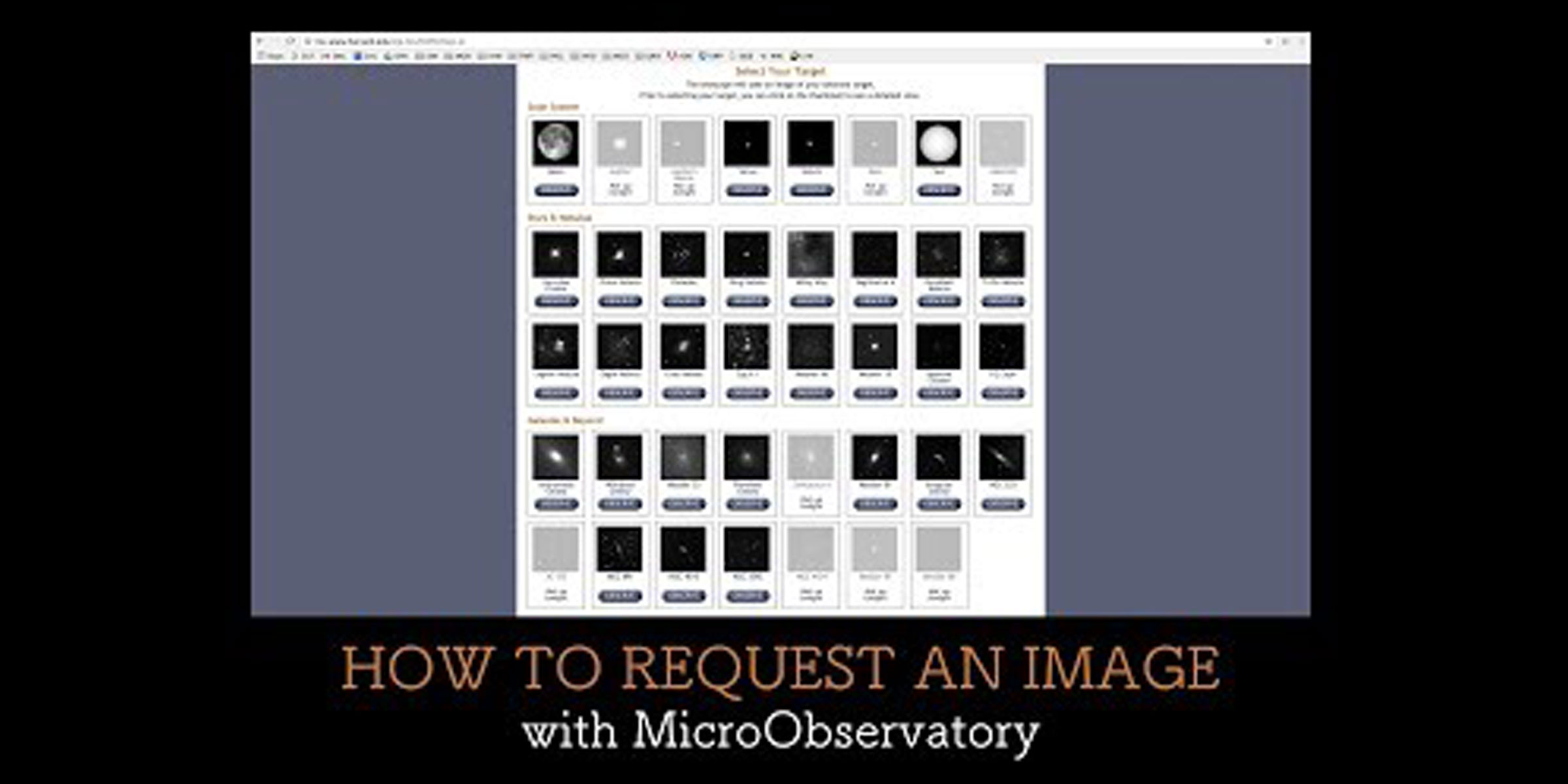
-
MicroObservatory
Software | WebsiteNASA's space science researchers control some of the world's most sophisticated space probes and orbiting telescopes to get amazing images of objects in space. Now YOU can join them by operating...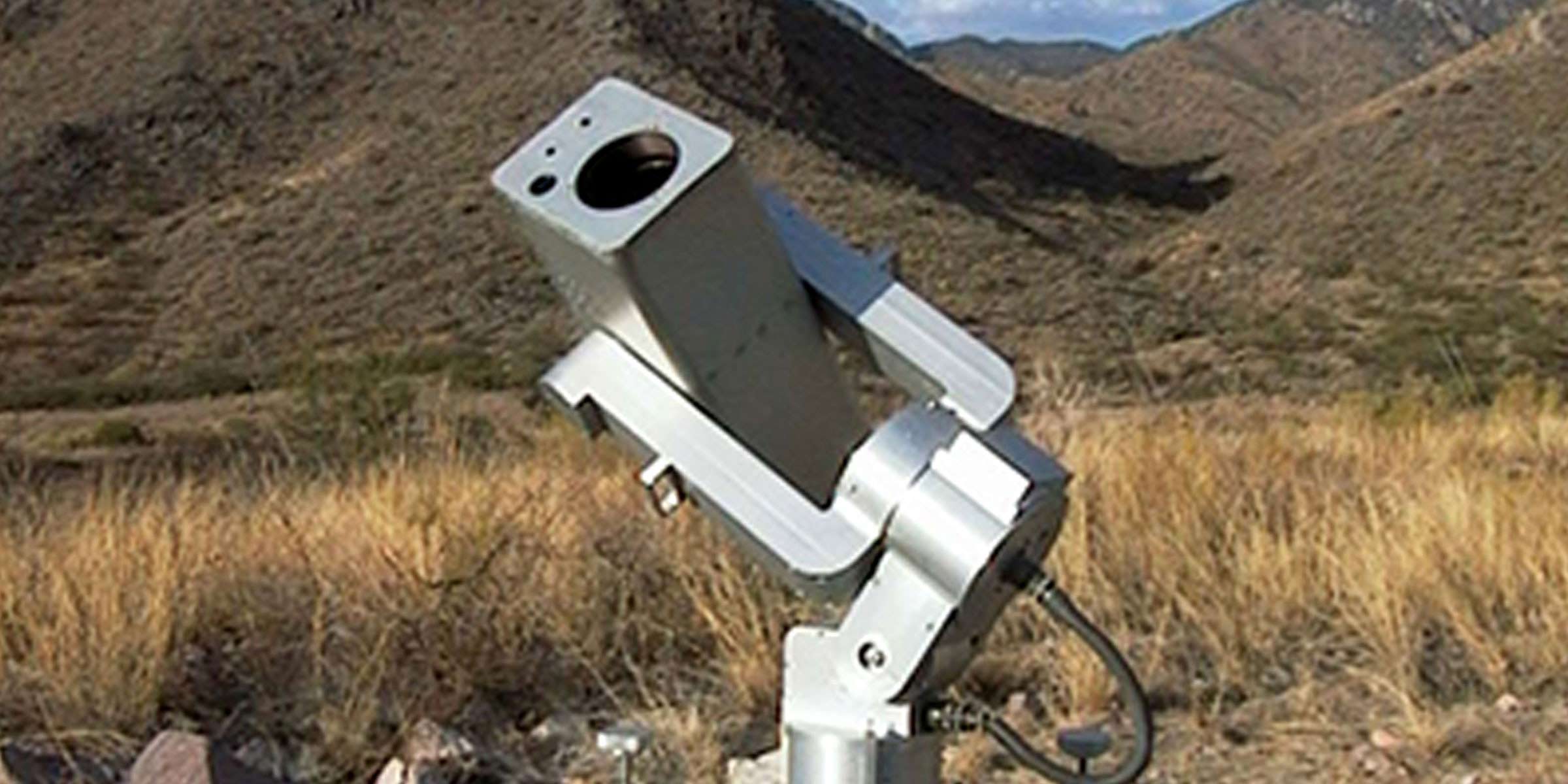
-
Tinkercad: Universe in 3D
3D Object | Activities | SoftwareWhen scientists combine data from the Chandra X-ray Observatory with other telescopes, such as the Hubble or Spitzer space telescopes, or with scientific and mathematical models, we can create data-driven...
-
Recoloring the Universe: Color, Astronomy and Coding
Activities | App | WebsiteUsing data from NASA's Chandra X-ray Observatory and other satellites of exploded stars, star-forming regions, and black holes, you'll learn basic coding. By following the video tutorials below,...
-
Electromagnetic Spectrum Poster
PosterThe light that we see with our eyes – visible light – represents only a small portion of the electromagnetic spectrum. Developing the technology to detect and use other portions of the electromagnetic...