EDUCATIONAL RESOURCES AND EVENTS
Educational Resources and Events Catalog
Filter Results
-
Cosmic Canvas: Stellar Evolution Program Guide & Resources
Activities | Resource GuideStars are born, live incredible lives, and eventually die — sometimes in dramatic ways! This journey, known as stellar evolution, helps us understand how stars shape the universe. With these program...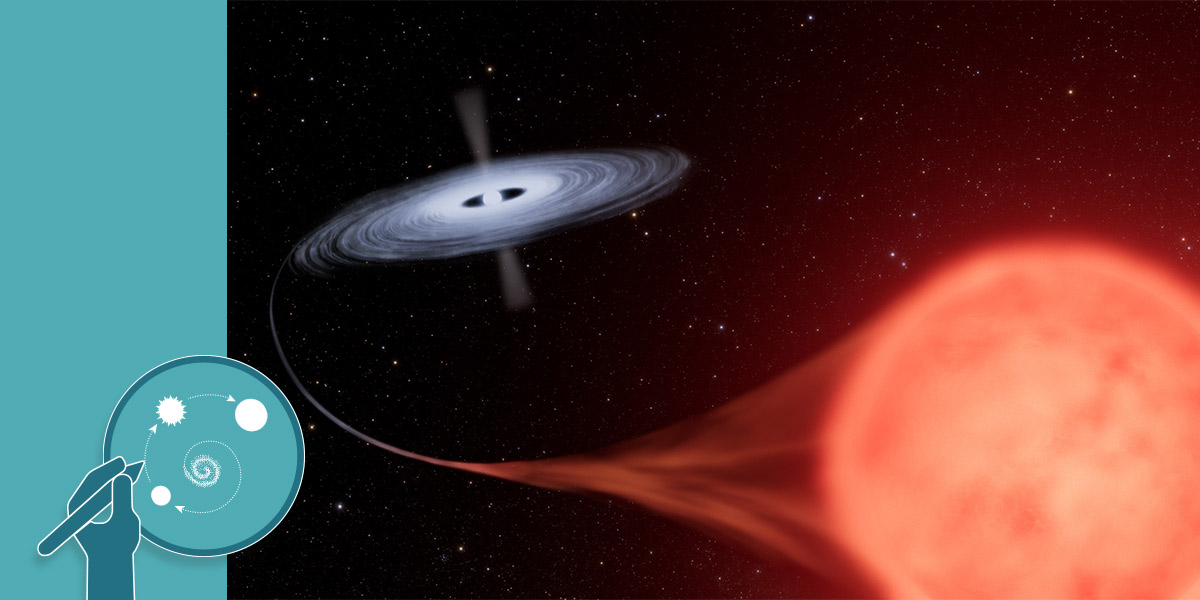
-
Cosmic Stories
ActivitiesThis activity allows participants to practice making observations and conveying ideas while crafting a poem, short story, or song about astronomical images, illustrations, artworks, tactile plates, and/or...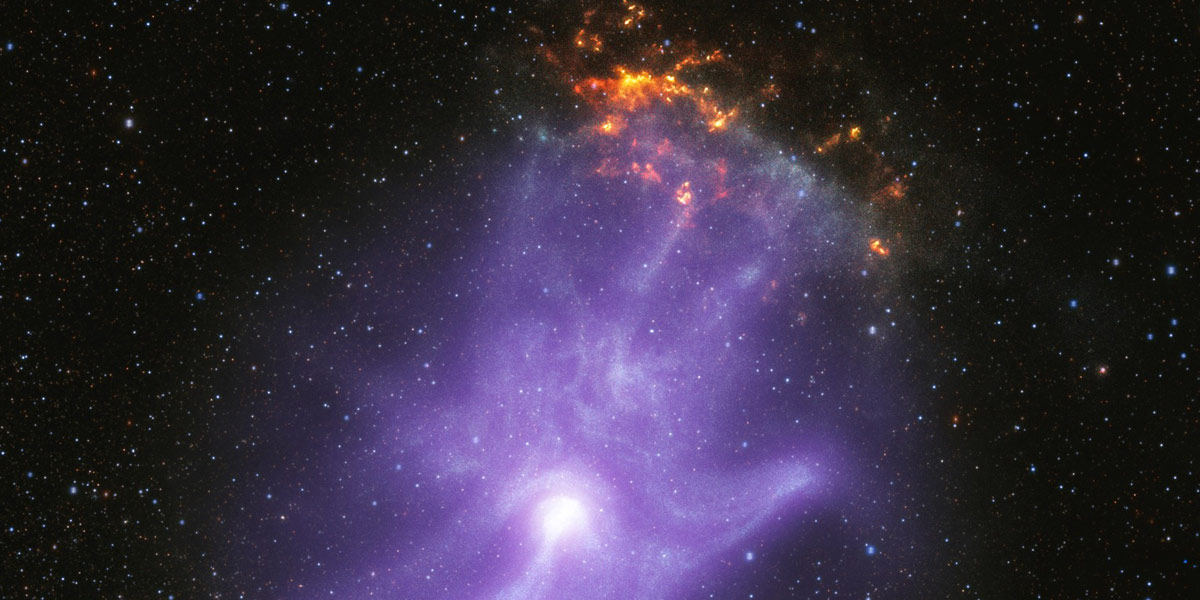
-
Paint a Star-forming Nebula
ActivitiesIn this activity, participants explore real telescope images of star-forming nebulae and create watercolor paintings to visualize how stars, gas, and dust interact in these dynamic regions. A step-by-step...
-
Exploring the Cosmic Cliffs in 3D
VideosThis visualization presents a flight through the ethereal landscape of NASA’s James Webb Space Telescope’s famous image nicknamed “Cosmic Cliffs.” These cliffs are a spectacular...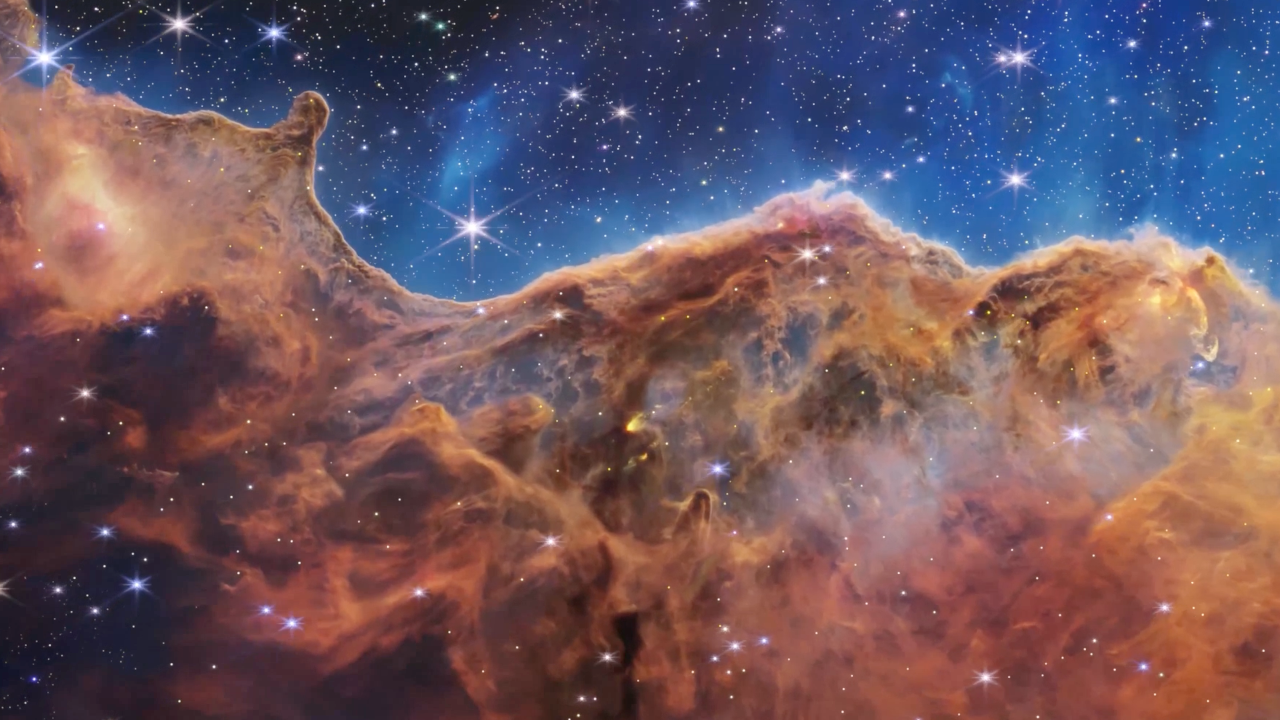
-
Star Formation from the Carina Nebula to the Cosmic Cliffs
VideosThis scientific visualization traverses the vast star-forming region of the Carina Nebula Complex using multiwavelength data from NASA space telescopes. The narrated journey explores clusters of massive...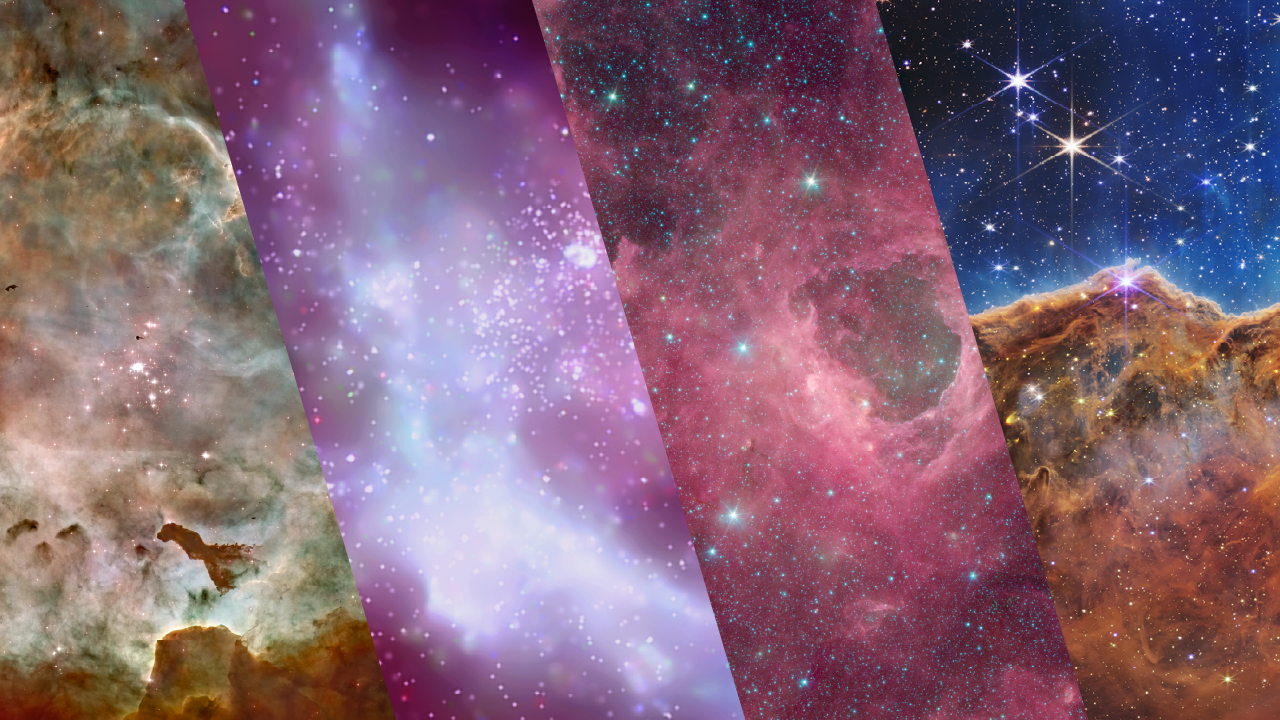
-
Flight to the Carina Nebula Complex
VideosThis visualization travels across interstellar space to the vast star-forming region of the Carina Nebula Complex. Starting with the 2D sky as seen from Earth, the sequence traces out the nearby constellations...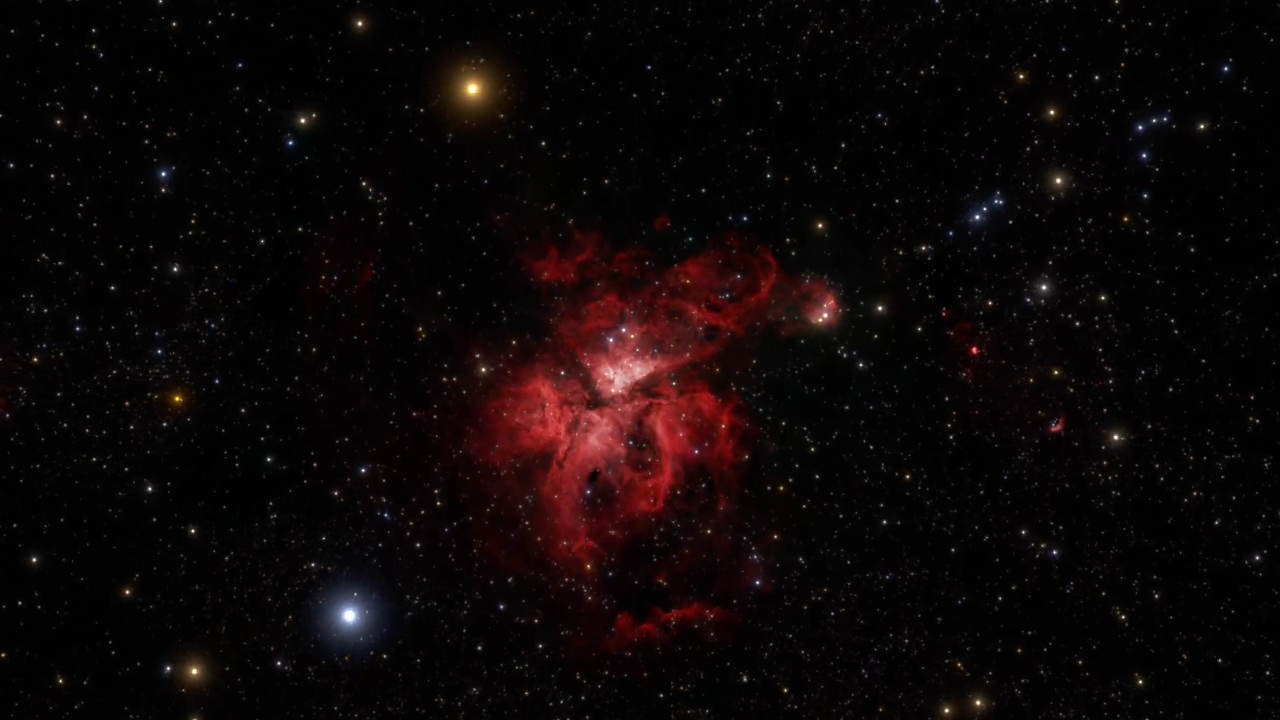
-
Program Guide & Resources: Stars
Resource GuideStars are giant balls of gas held together by their own gravity. They have different colors and sizes, and like humans, they have a life cycle: Stars are born, grow old, and eventually die. With...
-
The Pillars of Creation and the Interplay of Stars and Dust
VideosThis scientific visualization explores the iconic Pillars of Creation in the Eagle Nebula and the various ways that stars and dust are intertwined in the process of star formation. In developing the contextual...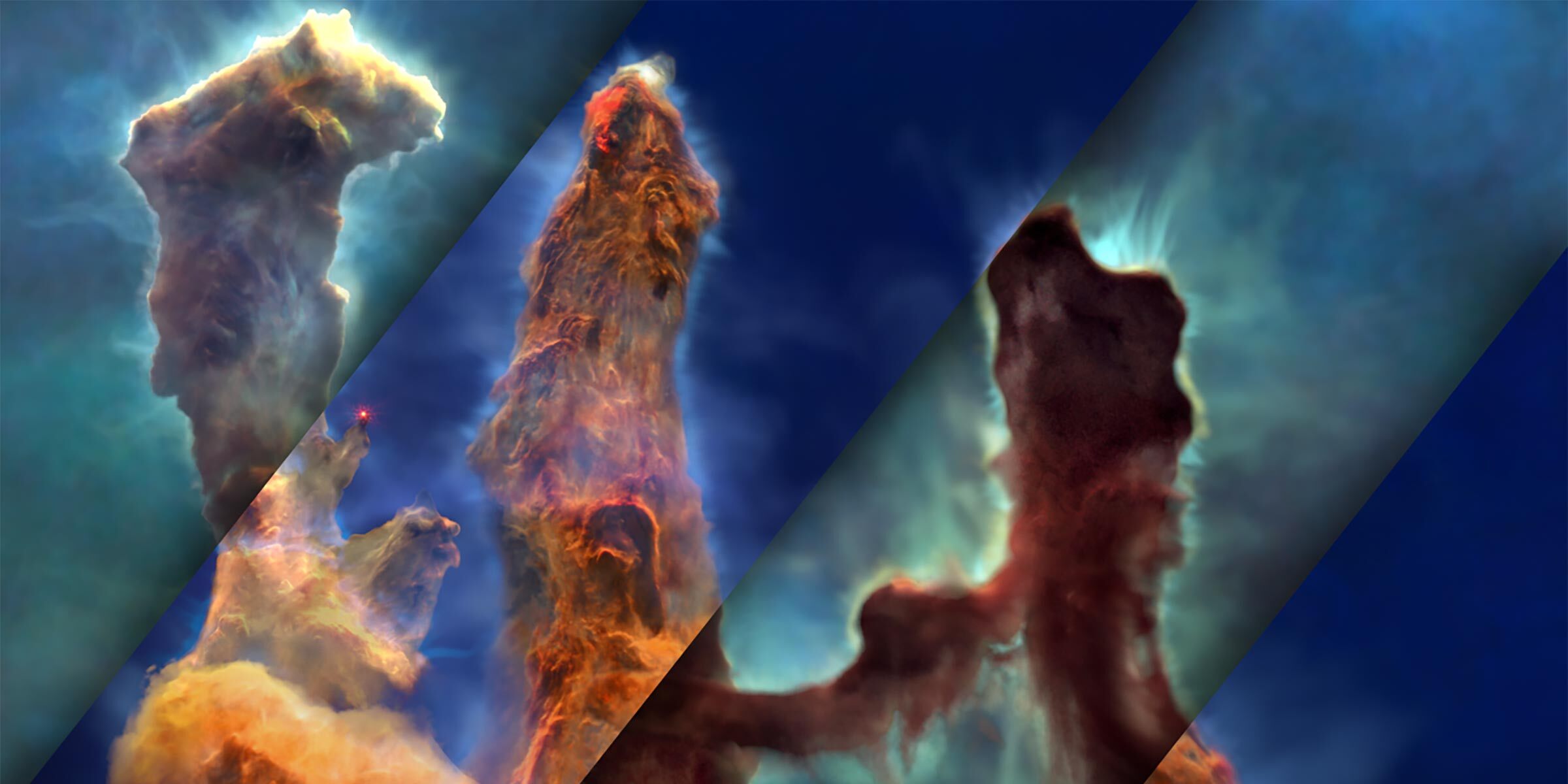
-
Pillars of Creation 3D Model
3D ObjectThe Pillars of Creation are a formation of long thin dust clouds in the Eagle Nebula. They have been showcased in exquisite images from both the Hubble and Webb space telescopes. Their nickname derives...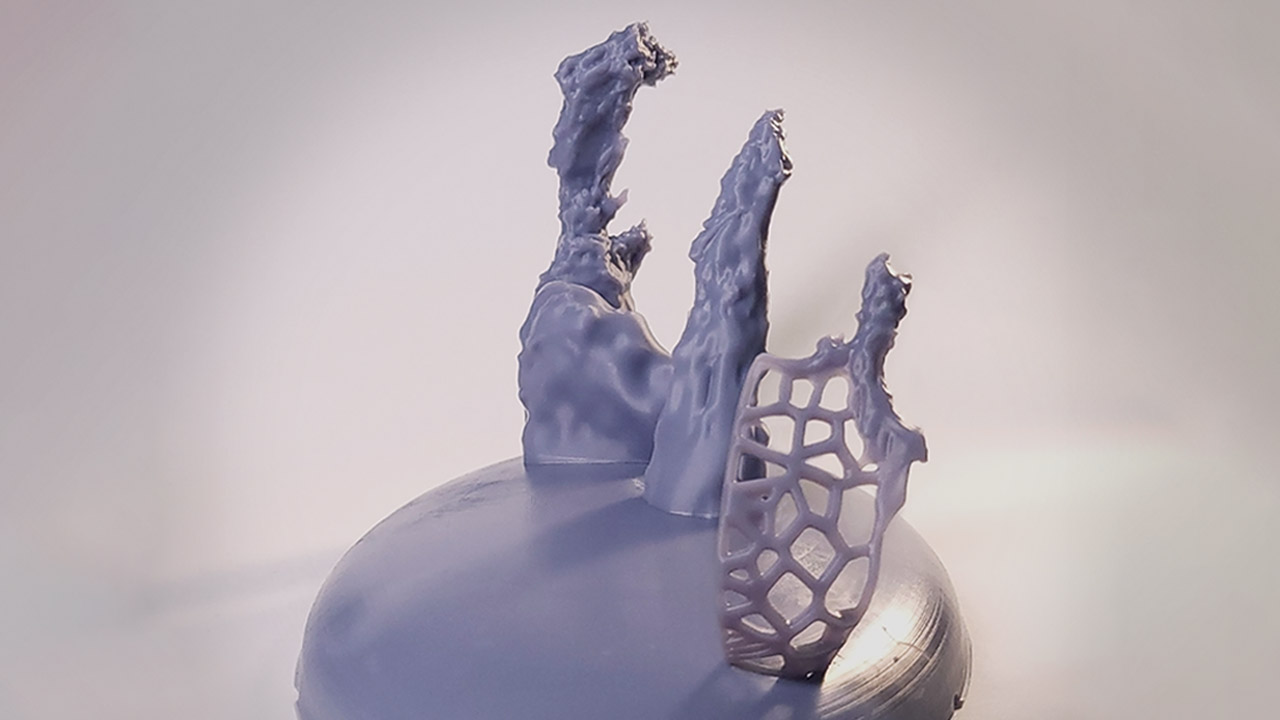
-
Science Briefing: Preparing for the Predicted T Coronae Borealis Nova
June 6, 2024 Professional Learning WebinarIn this special edition of NASA’s Universe of Learning Science Briefings, we will focus on T Coronae Borealis, one of the brightest and most famous novae. It is predicted to erupt soon (perhaps reaching ...
-
2024 NASA's Astrophoto Challenge (Summer)
May 20 through August 5, 2024 ChallengeMake your own image of the Cassiopeia A (Cas A) with NASA’s Astrophoto Challenge using James Webb Space Telescope data. Join NASA's Universe of Learning for an exciting opportunity to ...
-
2024 NASA's Astrophoto Challenge (Winter)
December 18, 2023 through February 29, 2024 ChallengeMake your own image of the Crab Nebula with NASA’s Astrophoto Challenge using James Webb Space Telescope data. Join NASA's Universe of Learning for an exciting opportunity to use real ...
-
Science Briefing: Exploring the Lives and Deaths of Stars
October 5, 2023 Professional Learning WebinarIn this edition of NASA’s Universe of Learning Science Briefings, we will learn how low-, intermediate-mass, and massive stars evolve in single- and binary-star configurations. Dr. Roger Wesson ...
-
Stellar Life Cycle Bookmark and Bracelet
ActivitiesThis activity introduces the life cycle of stars. Participants will learn that the evolution of a star depends on its initial mass. They will create a tassel for a bookmark describing the stages of a star’s...
-
Stellar Evolution Scavenger Hunt
ActivitiesThis activity introduces participants to the stages in the life cycles of massive and low-to-intermediate-mass stars. They will learn how a star’s life cycle depends on its mass by participating...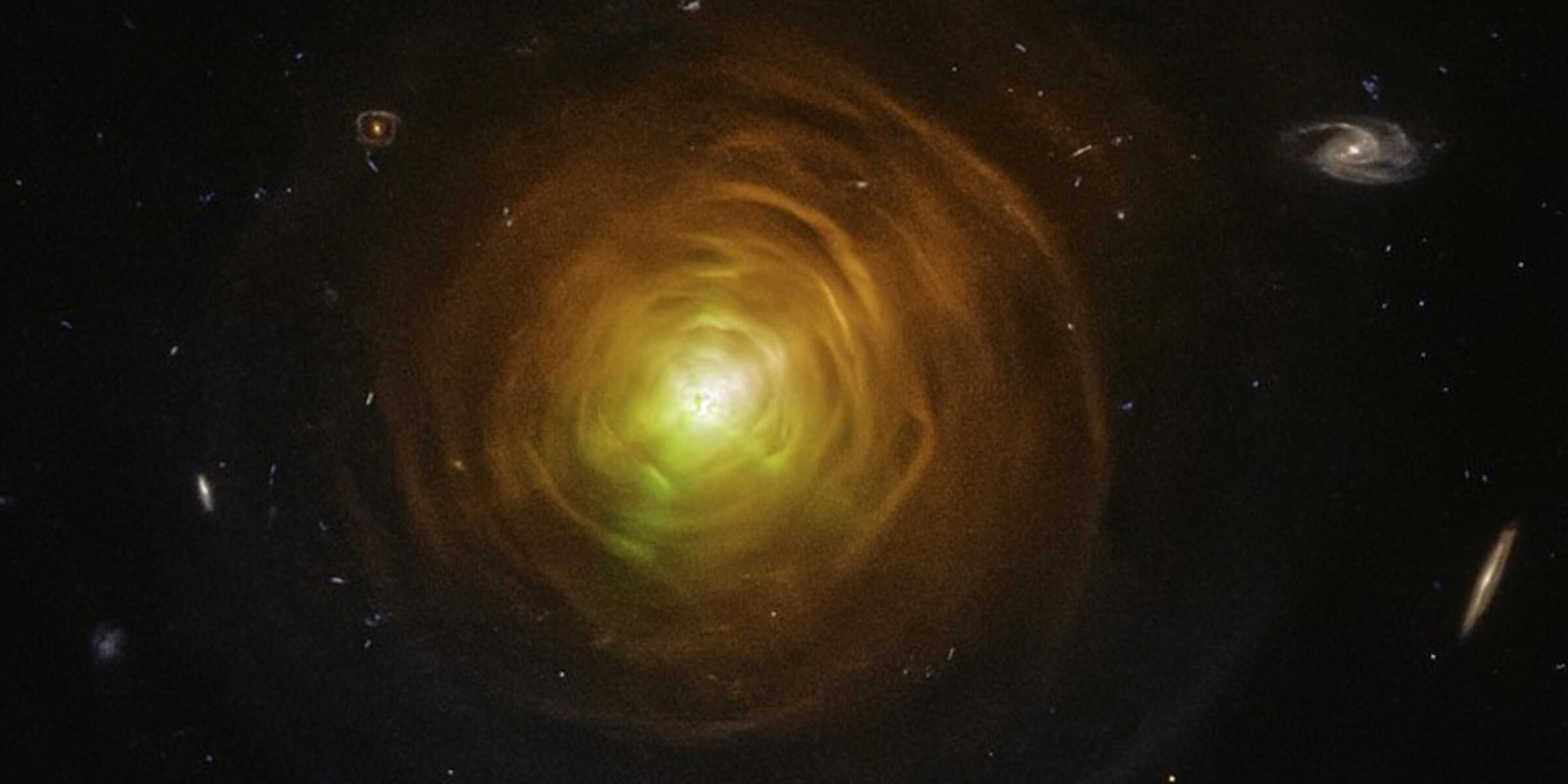
-
Stellar Evolution Flipbook Activity Guide
ActivitiesThis activity introduces the life cycle of stars. Participants will learn that the evolution of a star depends on its initial mass. They will explore the different stages in the life of a star by creating...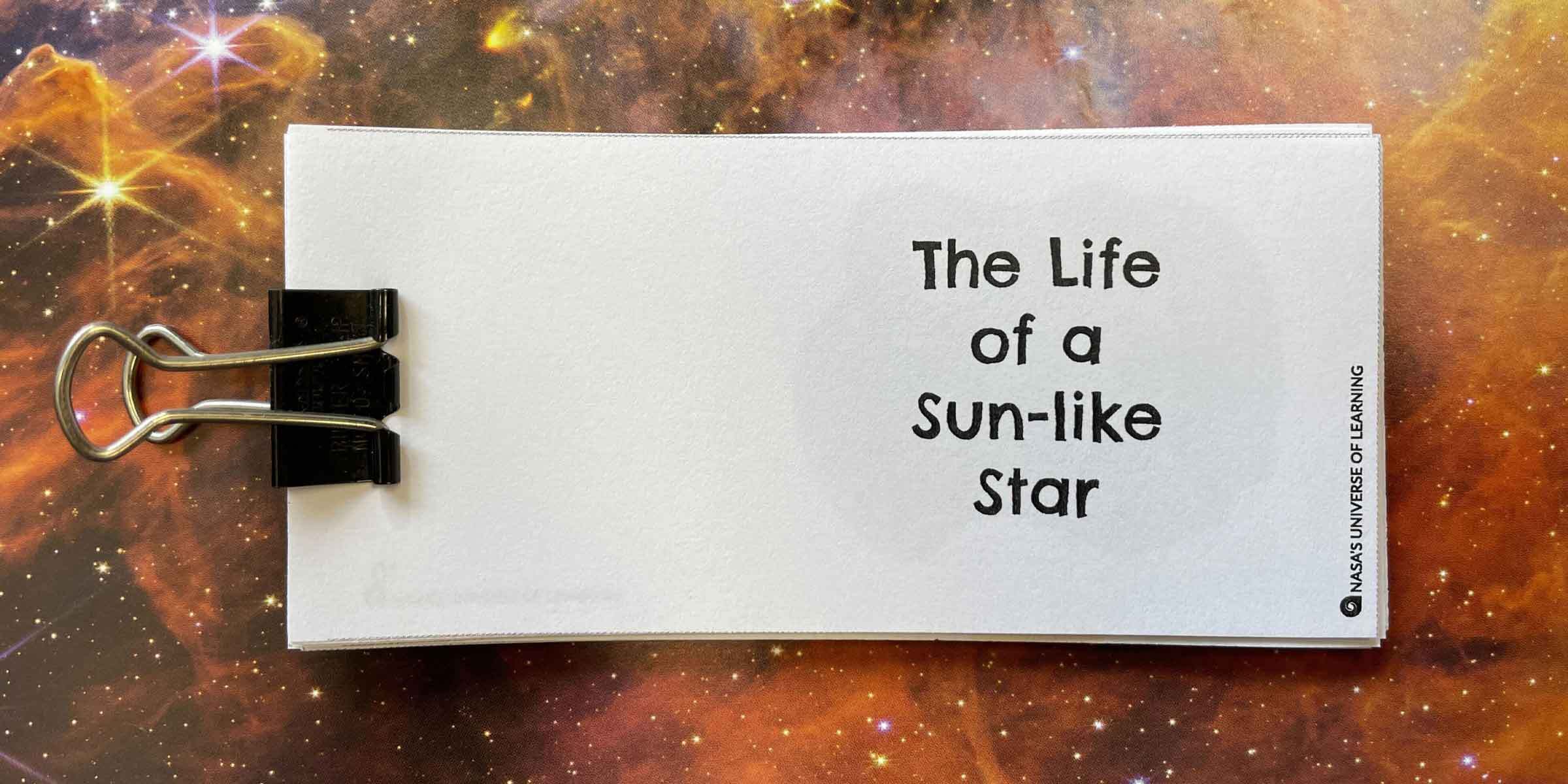
-
2023 NASA's Astrophoto Challenge (Winter)
January 3 through February 28, 2023 ChallengeMake Your Own Image of the Eagle Nebula and the Pillars of Creation with NASA’s Astrophoto Challenge with Webb data Join NASA's Universe of Learning for an exciting opportunity to use ...
-
Exploring Space: Kidspace Children’s Museum
Activities | Program ModelThis program provides a virtual themed week of crafts, activities, and projects to invite young children and families to explore space through your organizations’ blogs and social media channels....
-
Sonifications of Webb's Images of the Southern Ring Nebula
Audio | SonificationNASA’s James Webb Space Telescope uncovered two views of the Southern Ring Nebula – in near-infrared light (at left) and mid-infrared light (at right) – and each has been adapted to sound....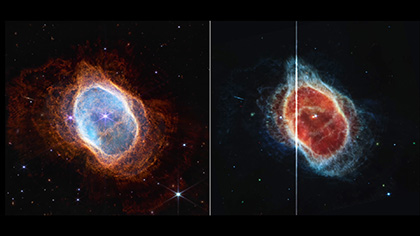
-
Sonifications of Webb's Image of the Cosmic Cliffs in the Carina Nebula
Audio | SonificationThere’s an immersive way to explore some of the first full-color infrared images and data from NASA’s James Webb Space Telescope – through sound. Listeners can enter the complex soundscape...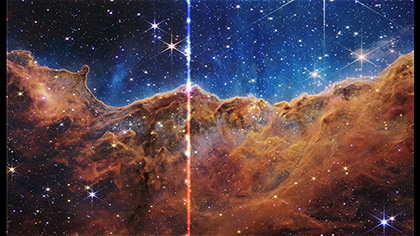
-
Science Briefing: Learning about the Universe through Patterns in Light
May 5, 2022 Professional Learning WebinarIn this edition of NASA’s Universe of Learning Science Briefings, we will discuss an important tool used by astronomers – spectroscopy – which spreads out light into its component wavelengths ...
-
Ask the Astronomers Live: Image Your Own Erupting Star
May 3, 2022 Virtual Science TalkWhat happened to make the star Eta Carinae become the second brightest star in the sky in 1843? Why did it then dim over the next century and once again brighten? How can YOU take images of this star and ...
-
Astrophysics Variety Hour
VideosHow do astronomers find planets beyond our solar system ... without even seeing them? Join host Felicia Day on a lighthearted channel-surfing romp that explores where planets and people came from, and...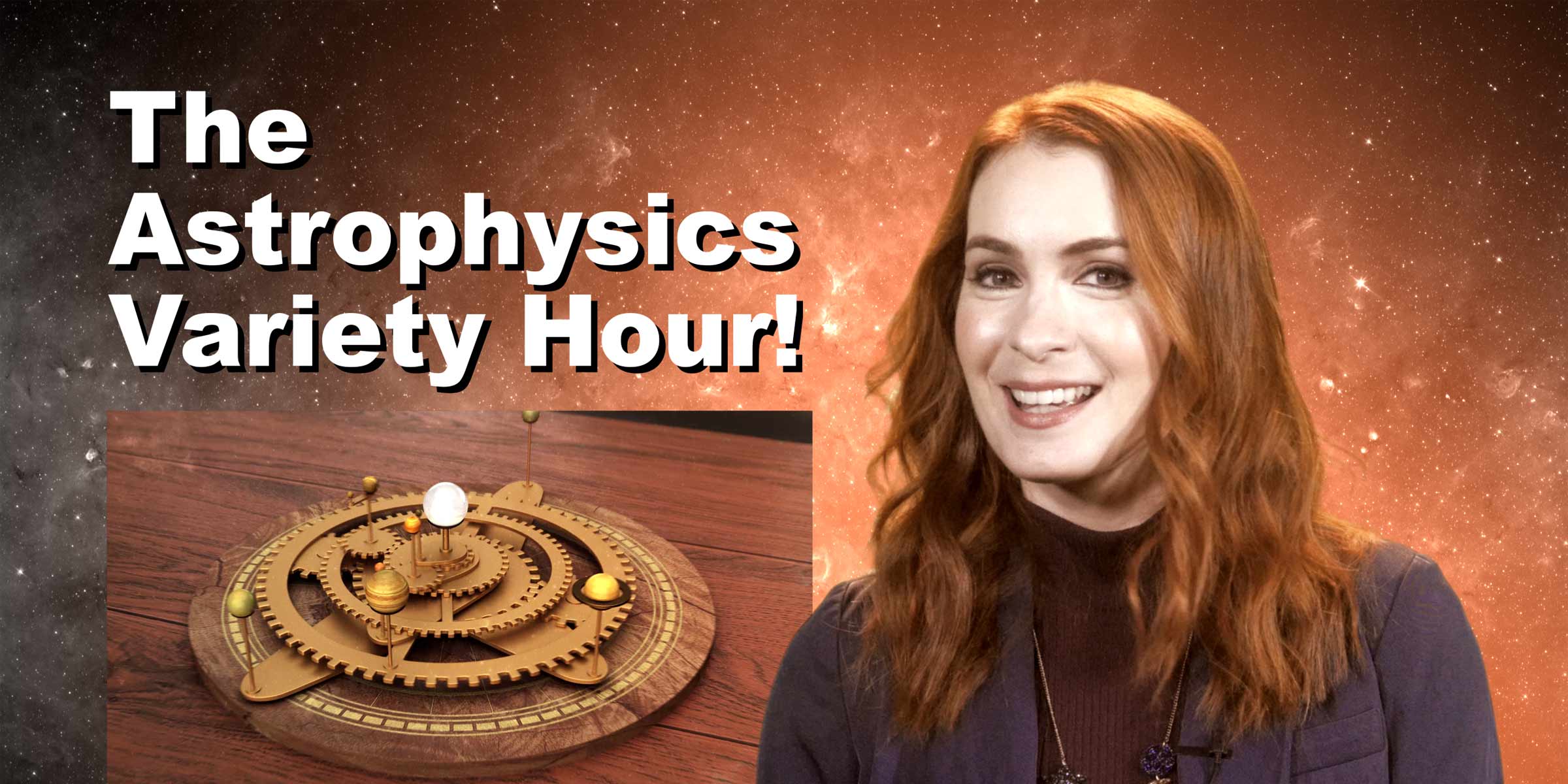
-
Touch the Universe: Adler Planetarium
3D Object | Program ModelTouch the Universe uses 3D printed astrophysical objects in combination with visualizations to provide Adler Planetarium guests with a new way of exploring space concepts. It also benefits our guests with...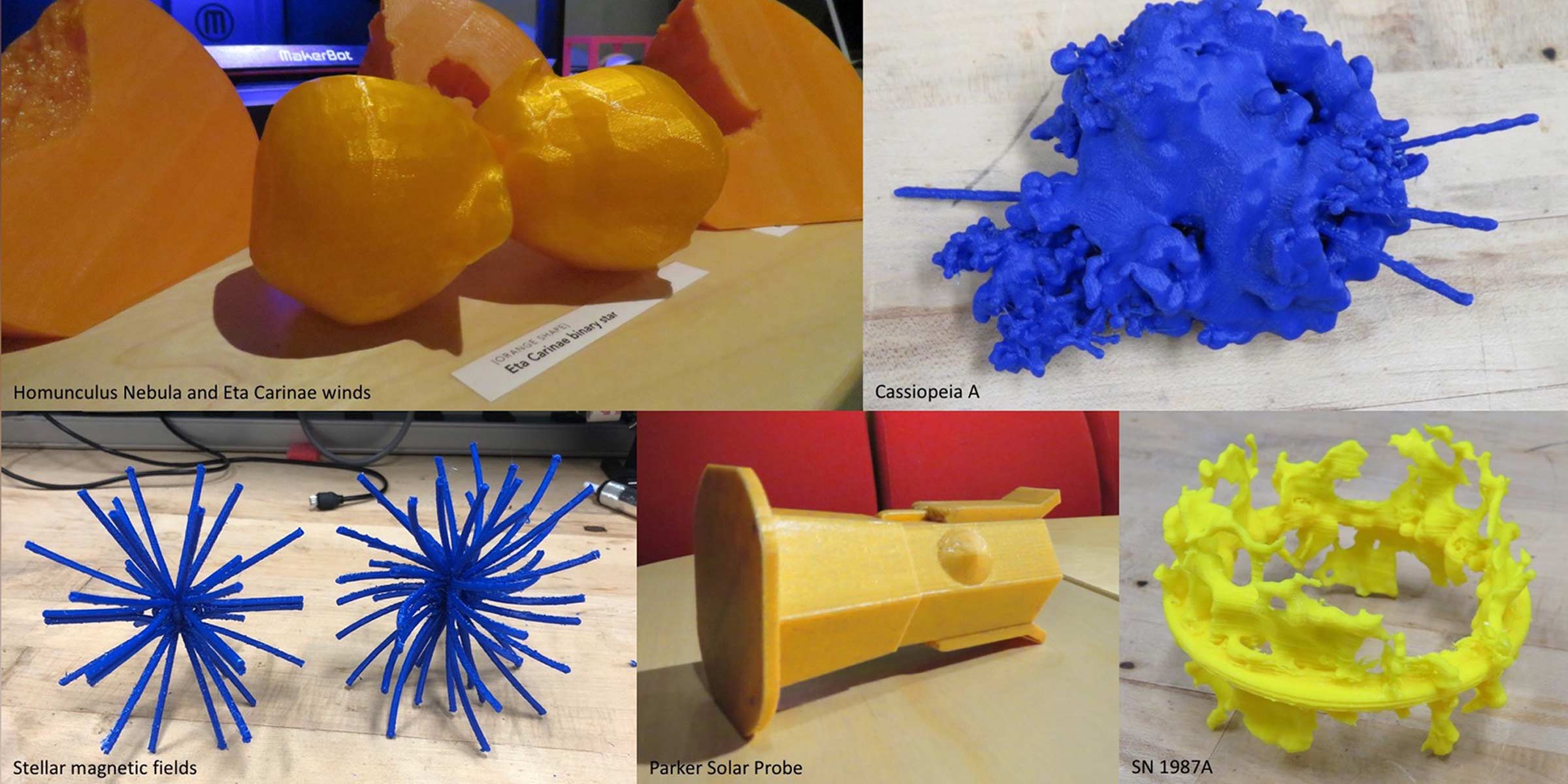
-
The Teen Cosmos Collective: North Carolina Museum of Life and Science
3D Object | Activities | Program ModelThe Teen Cosmos Collective is a 10-week program for students seeking to enhance their science communication and literary skills. Throughout the multi-week program, participants are able to engage with...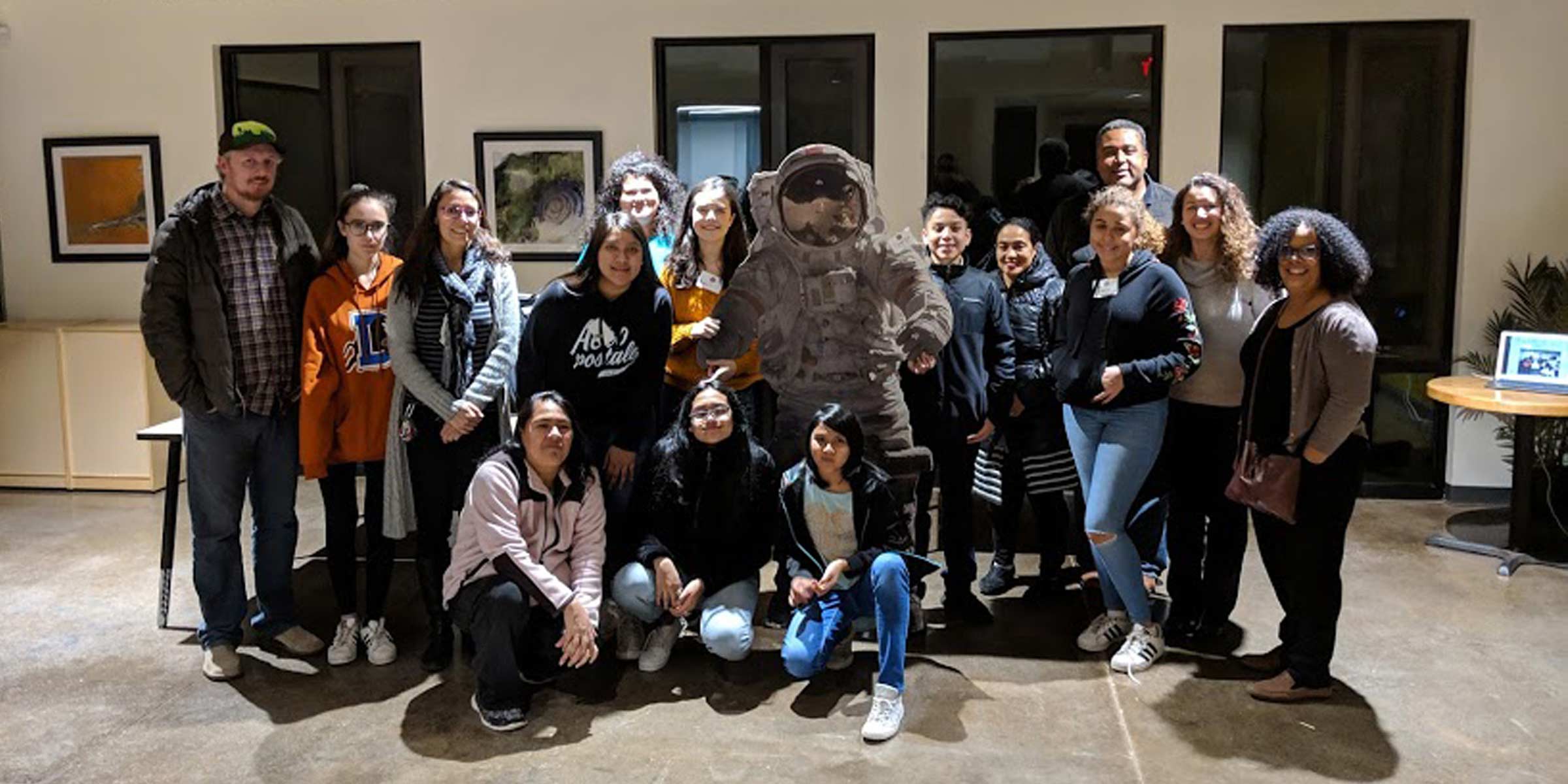
-
Eta Carinae: The Great Eruption of a Massive Star
VideosEta Carinae, or Eta Car, is famous for a brilliant and unusual outburst, called the "Great Eruption," observed in the 1840s. This visualization presents the story of that event and examines the...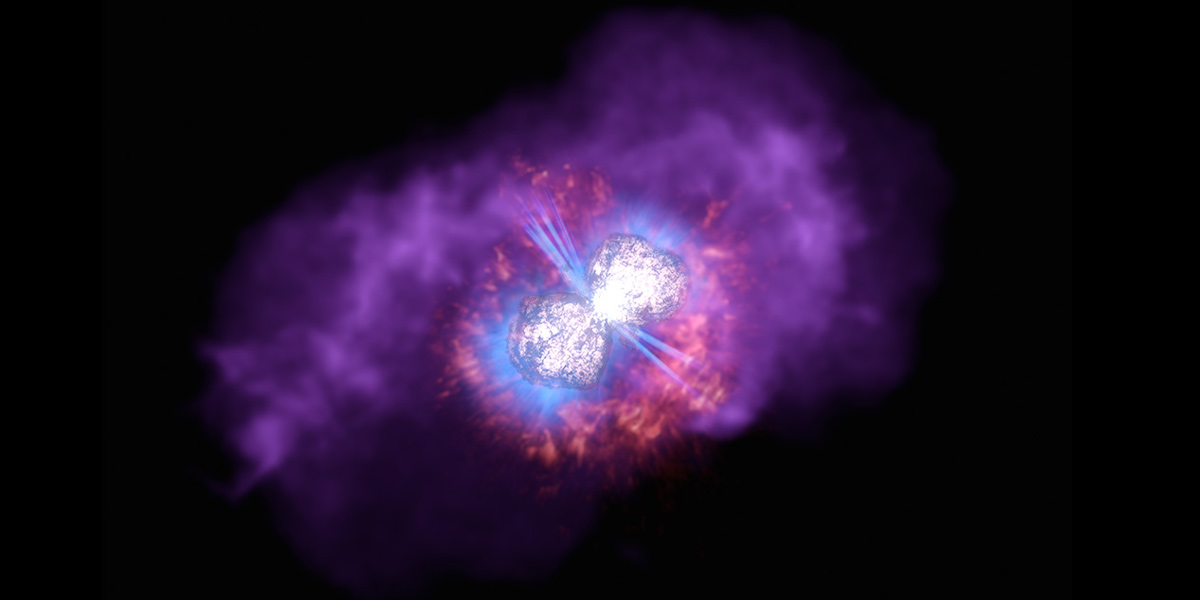
-
Science Briefing: Live from AAS! 2022
January 13, 2022 Professional Learning WebinarWhile the American Astronomical Society meeting has been cancelled, we’ll still be providing access to select researchers who will discuss their breaking news results coming out of NASA Astrophysics ...
-
Stories in Stars: The Schiele Museum of Natural History
Program Model | ToolkitUsing a Star Lab portable planetarium system, Stories in Stars was designed to use both the images of constellations and educator led storytelling to capture the lore and legends of stars through time....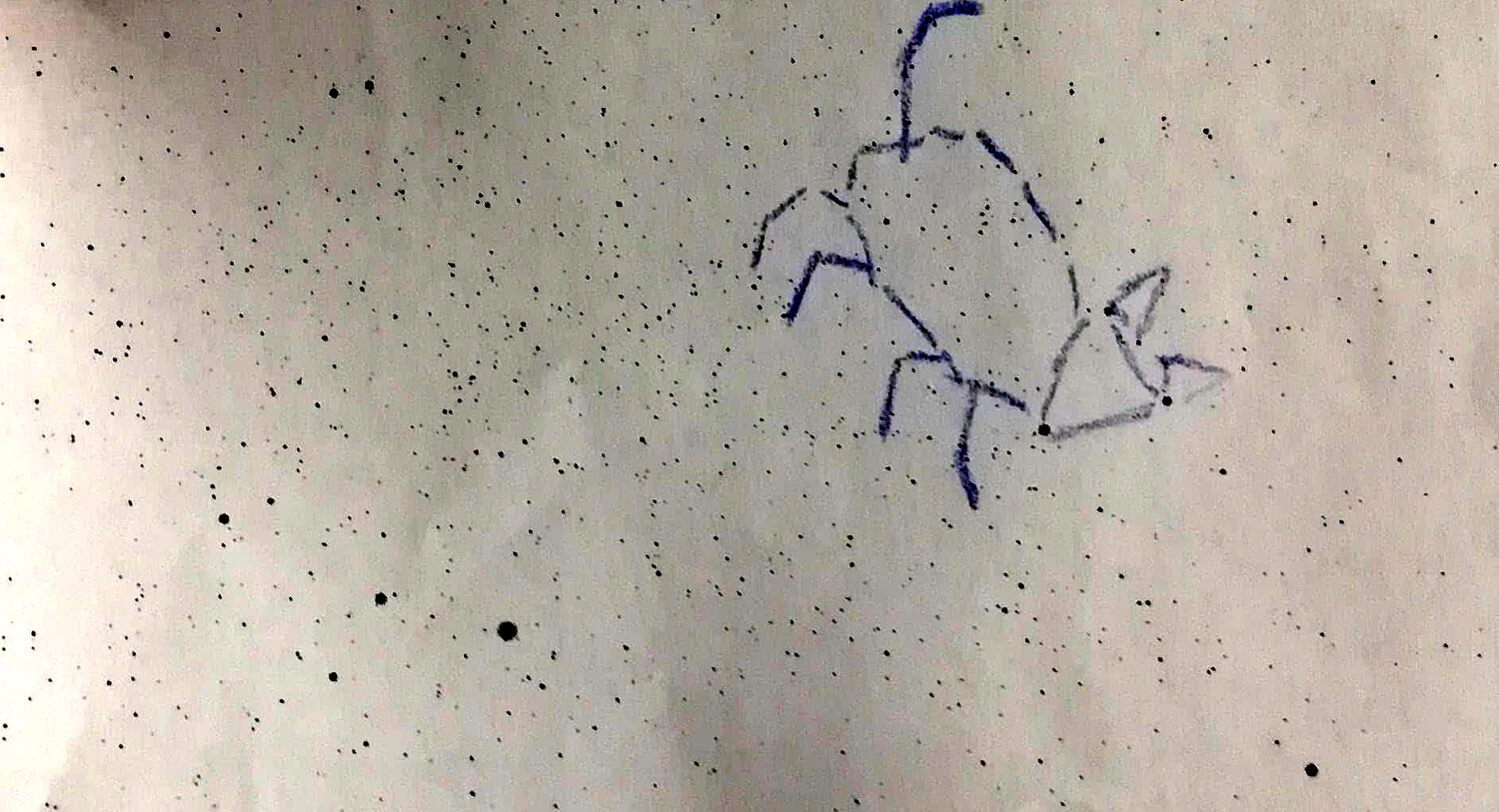
-
Teachable Moments: Learn About the Universe with the James Webb Space Telescope
Article | Resource GuideLearn about the science and engineering behind the largest and most powerful space telescope ever built while exploring ways to engage learners in the mission. TEACHABLE MOMENTS: JAMES WEBB SPACE...
-
Paper Circuits: Light Up Exploded Stars
ActivitiesPaper circuits help learners of all ages explore the basics of electricity (energy that results from the existence of charged particles like electrons or protons) and conductivity (the degree to which...
-
Space News: Carnegie Science Center, Buhl Planetarium
Program ModelCarnegie Science Center’s Buhl Planetarium Space News is a 10-minute planetarium pre-show experiences that uses live, theatric demonstrations and supported flat screen presentations. Segments ended...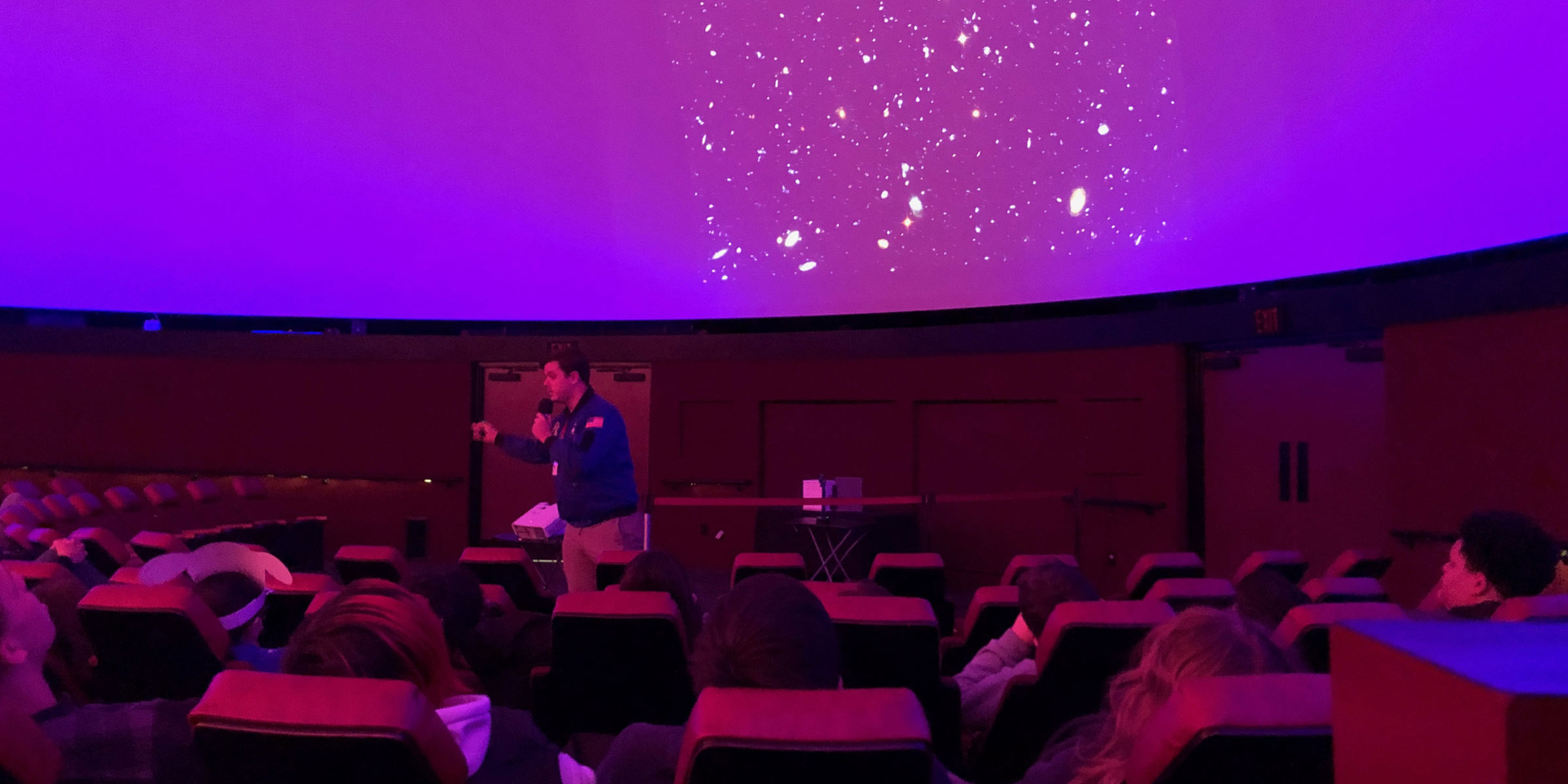
-
Zoom to AG Carinae (Frame Sets)
VideosThis visualization starts with a wide-view of the Carina constellation and zooms down to the Hubble Space Telescope view of the massive star, AG Carinae. One of the brightest stars in our galaxy, AG Carinae...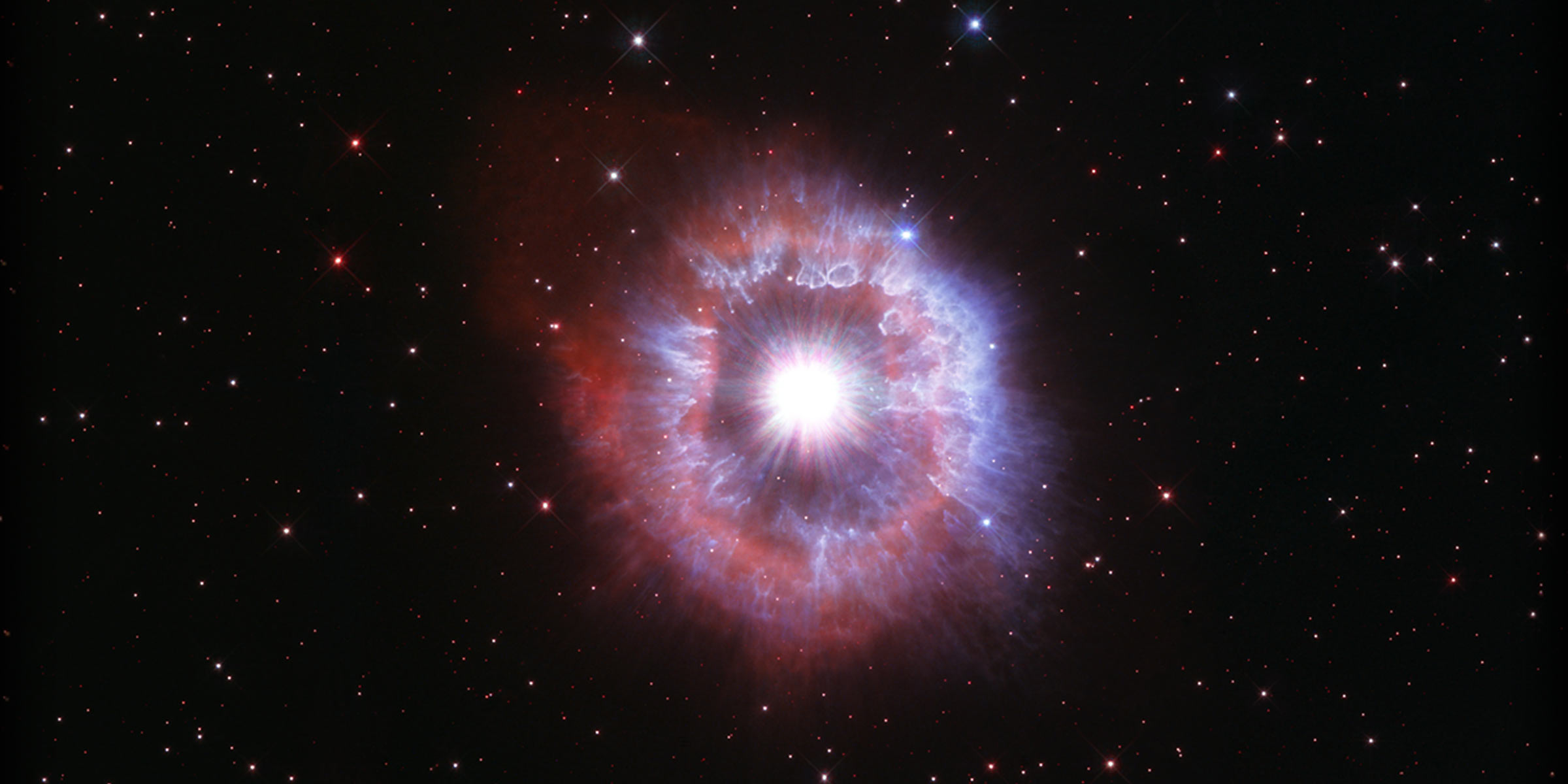
-
Flight to AG Carinae (Frame Sets)
VideosThis visualization starts with the Hubble Space Telescope view of the massive star, AG Carinae. One of the brightest stars in our galaxy, AG Carinae undergoes eruptions that have ejected a small nebula...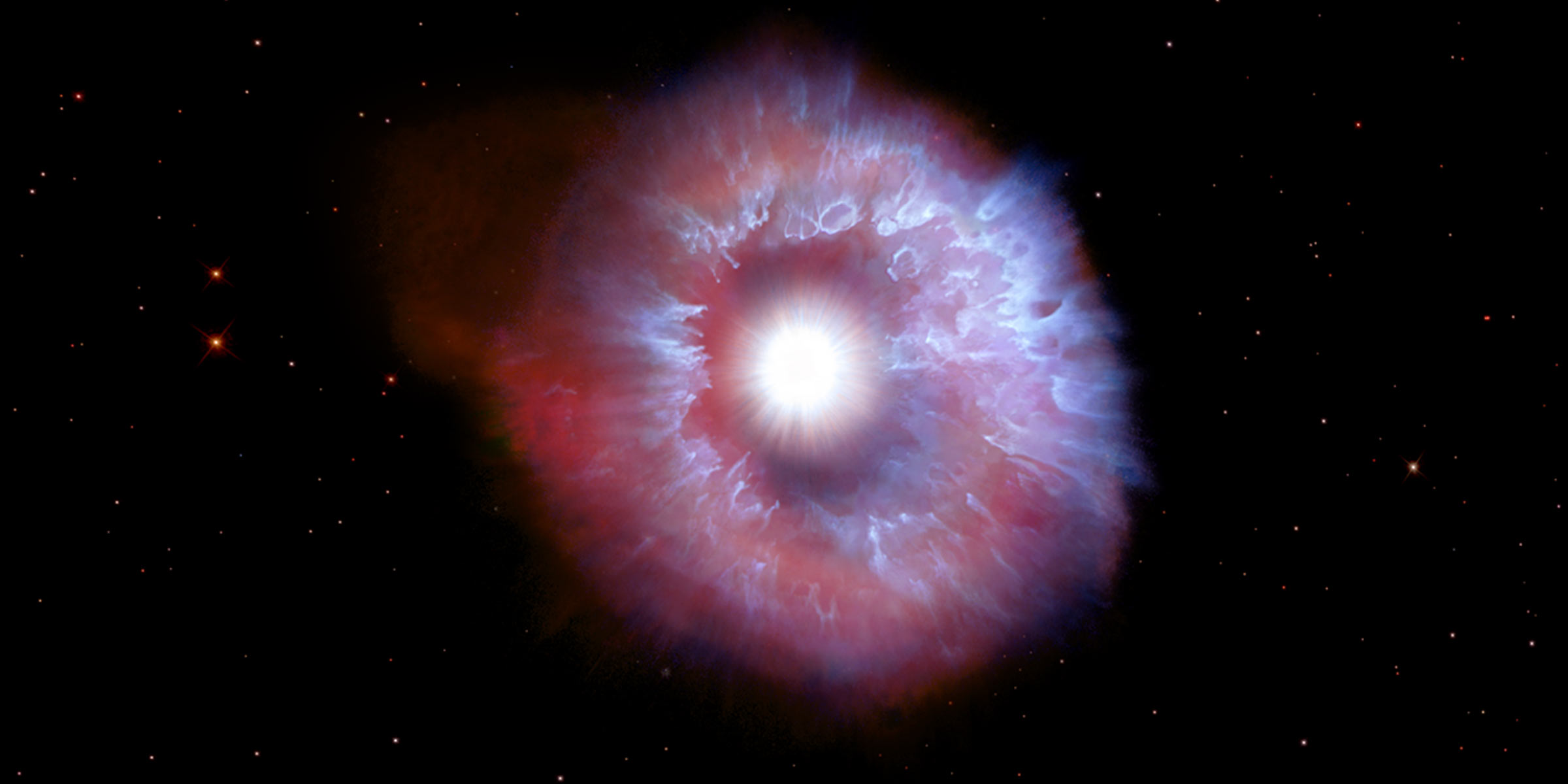
-
AG Carinae: A Luminous Blue Variable Star (Frame Sets)
VideosThis visualization starts with a wide-field view of the Carina constellation and zooms down to the Hubble Space Telescope view of the massive star, AG Carinae. One of the brightest stars in our galaxy,...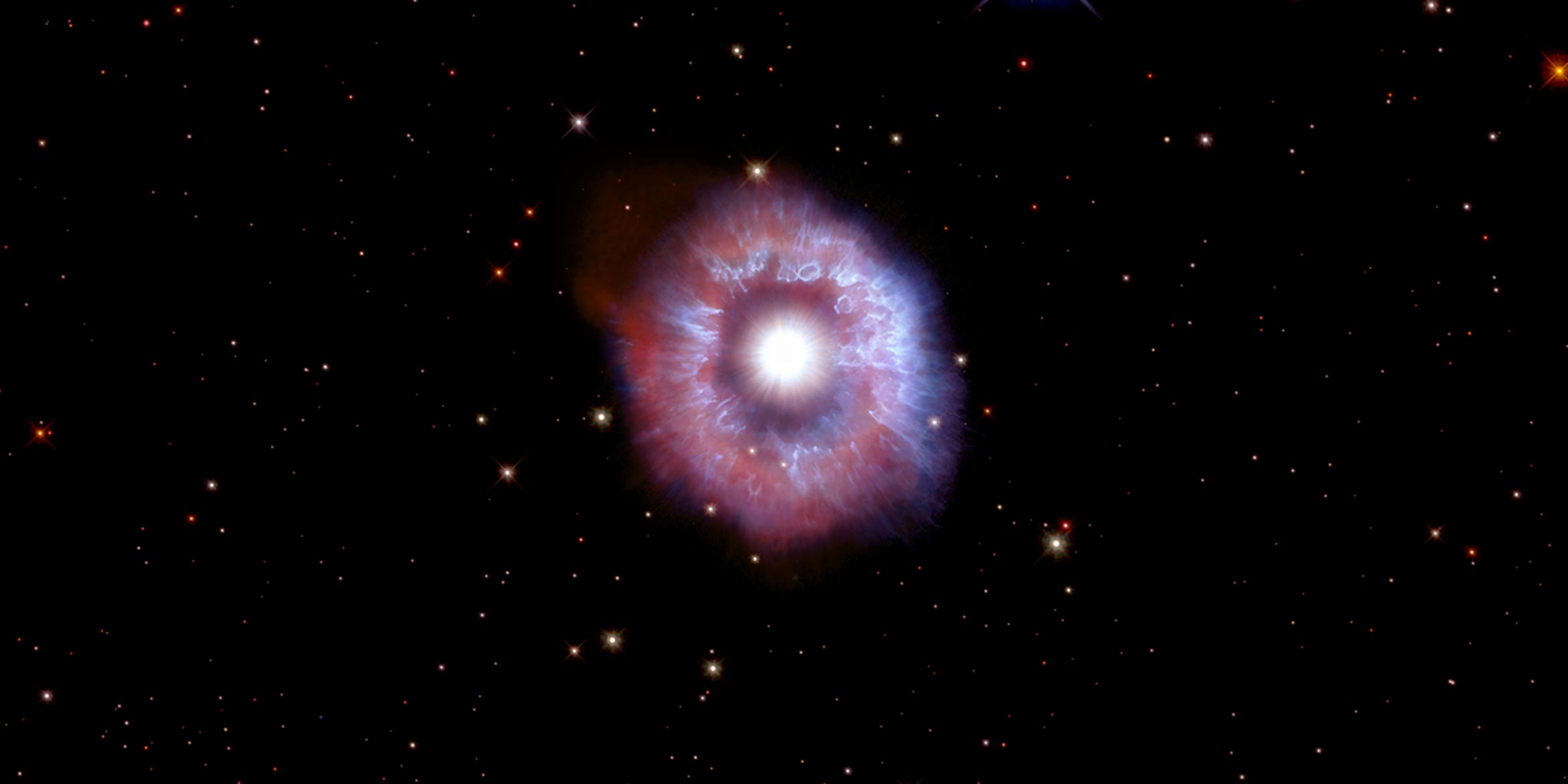
-
A Universe of Sound
SonificationEvery sound begins with a vibration. When those vibrations travel through the air, they can enter the human eardrum where they are eventually turned into electrical signals that our brain interprets as...
-
Science Olympiad Astronomy and Solar System Webinars
Competition Material | VideosScience Olympiad is a national nonprofit organization dedicated to improving the quality of K–12 science education, increasing interest in science for all students, creating a technologically literate...
-
Our Hidden Universe: Maryland Science Center
Program ModelOur Hidden Universe is a hands-on planetarium show. Participants are given a kit of materials and encouraged to make their own observations throughout the show. The show focuses on various tools that were...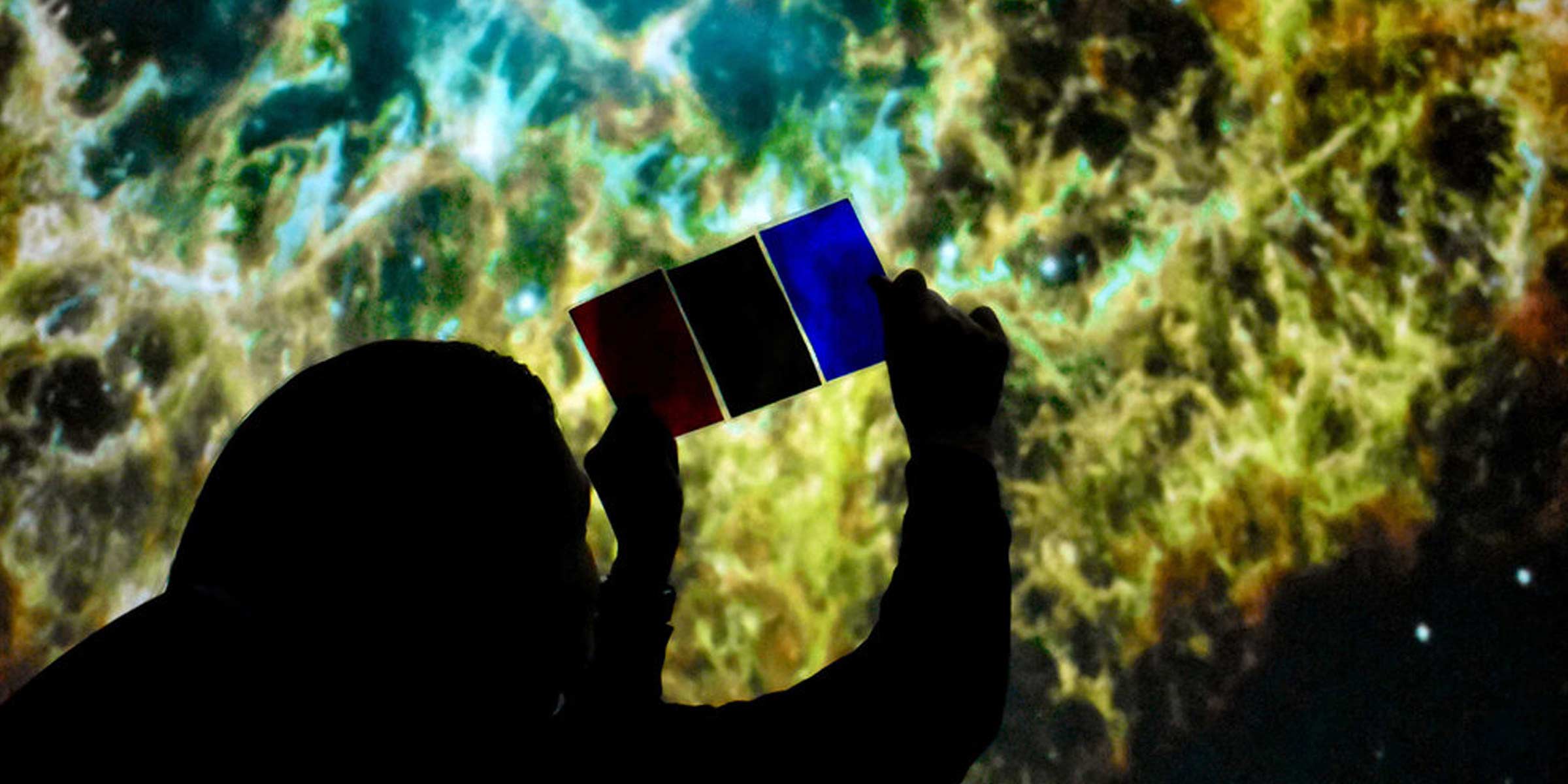
-
Make the Universe: Pensacola MESS Hall
Program ModelMake the Universe is a group of activities requiring little to no technology to present to visitors. These cart or booth activities are meant to engage audiences of different ages during sidewalk science...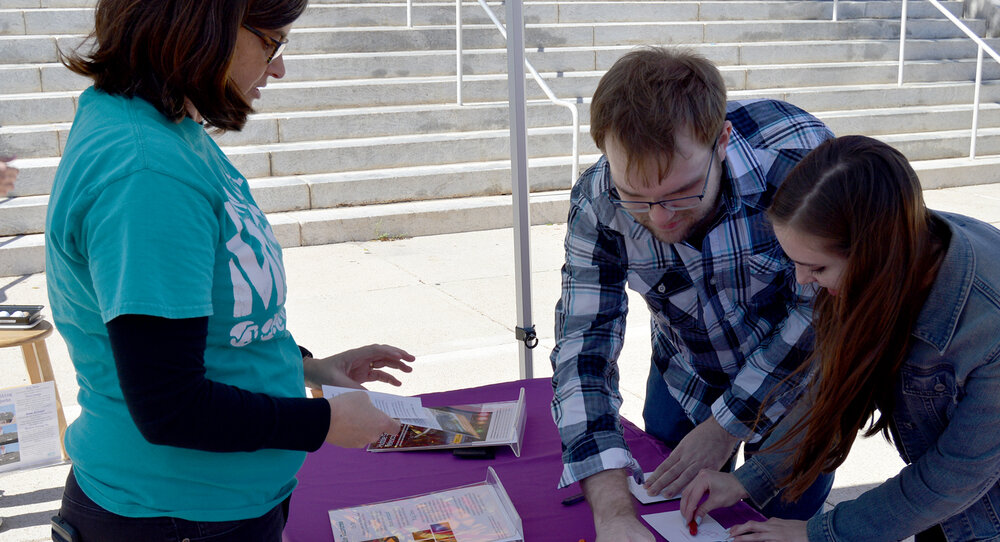
-
Crab Nebula: The Multiwavelength Structure of a Pulsar Wind Nebula
VideosThis visualization features a three-dimensional multiwavelength representation of the Crab Nebula, an iconic remnant of a star that was seen exploding in the year 1054 AD. This is a view looking into the...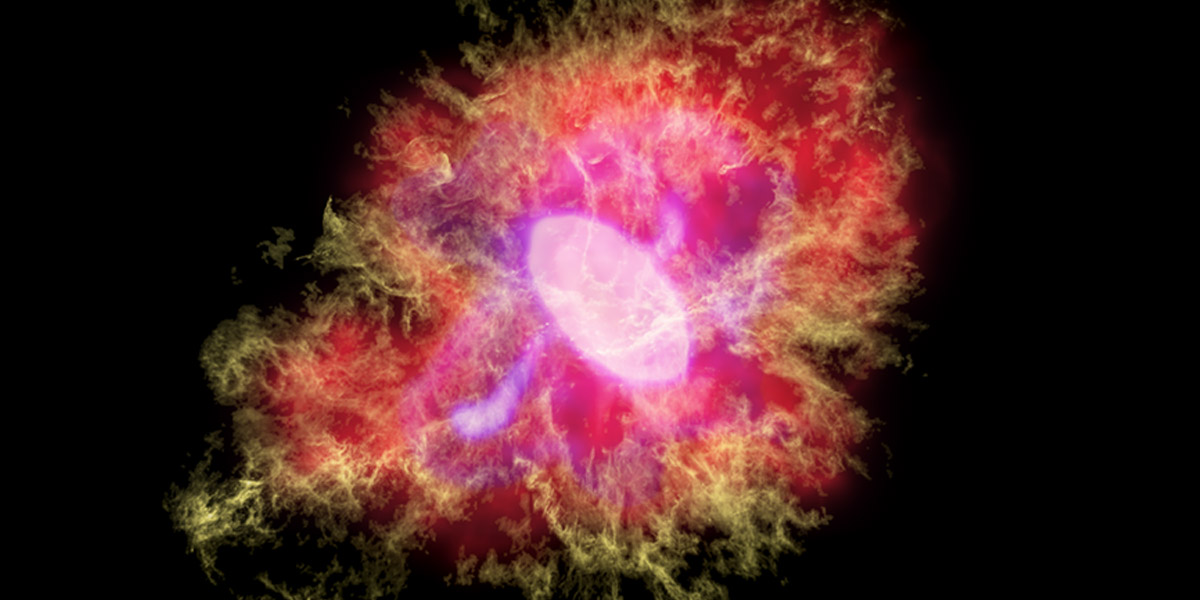
-
Life and Death of Stars Resource Guide
Resource GuideDo stars really move? How do stars form and die? What are nebulas and supernovas? This resource guide contains a range of resources and activities to help you guide audiences as they explore many facets...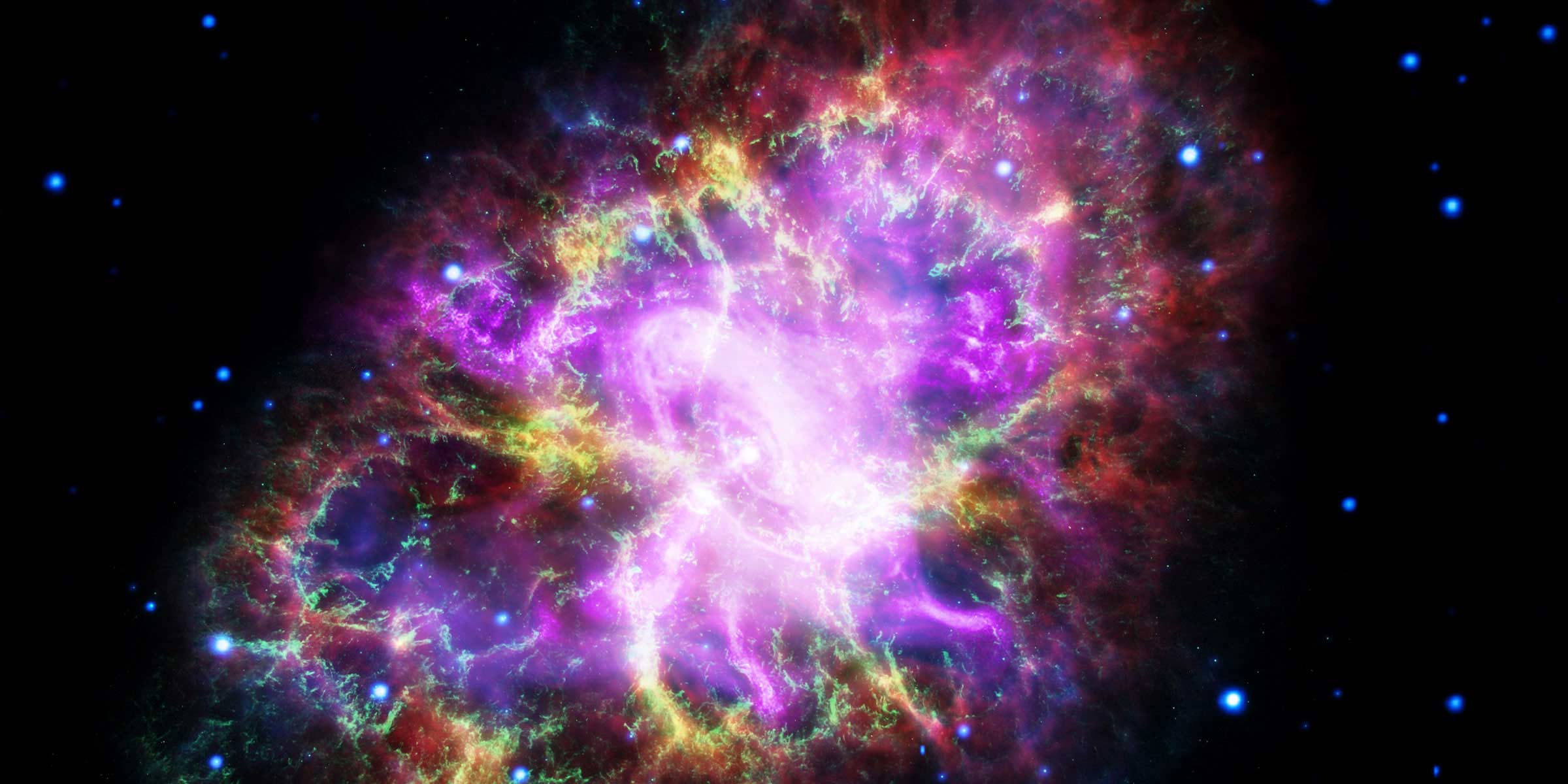
-
ViewSpace Interactives: Star Death
InteractiveWhat happens when a star dies? It varies! Some stars die slowly, giving off puffs of gas and dust before collapsing to form small white dwarf stars. Much larger stars die suddenly in powerful explosions... -
ViewSpace Videos: Nebulas
VideosTake video tours of giant clouds of dust and gas in space, where new stars are forming or are the result of dying stars exploding. Highlights include the Cat’s Paw Nebula, Westerlund 2, the Eagle...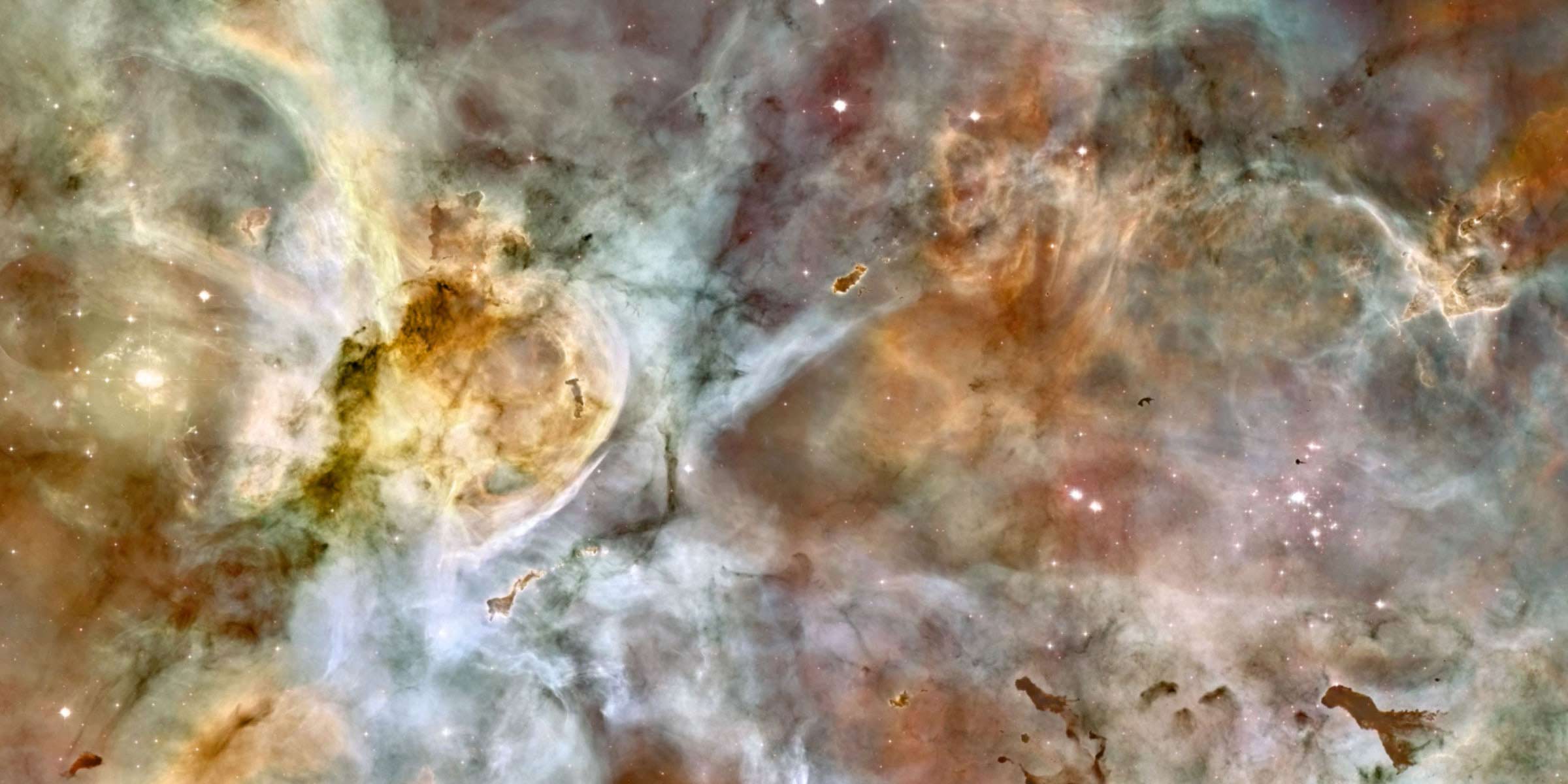
-
ViewSpace Videos: Supernovas
VideosWhat happens after a star explodes? Explore a supernova’s aftermath in detail, and learn about well-known objects like the Crab Nebula, Eta Carinae, and Supernova 1987A in these videos. Are you... -
ViewSpace Videos: Stars
VideosExplore stars of all temperatures, masses, and types in these videos – from massive stars and nebulas to pulsating stars and light echoes. Also get an up-close look at our sun’s spectrum in...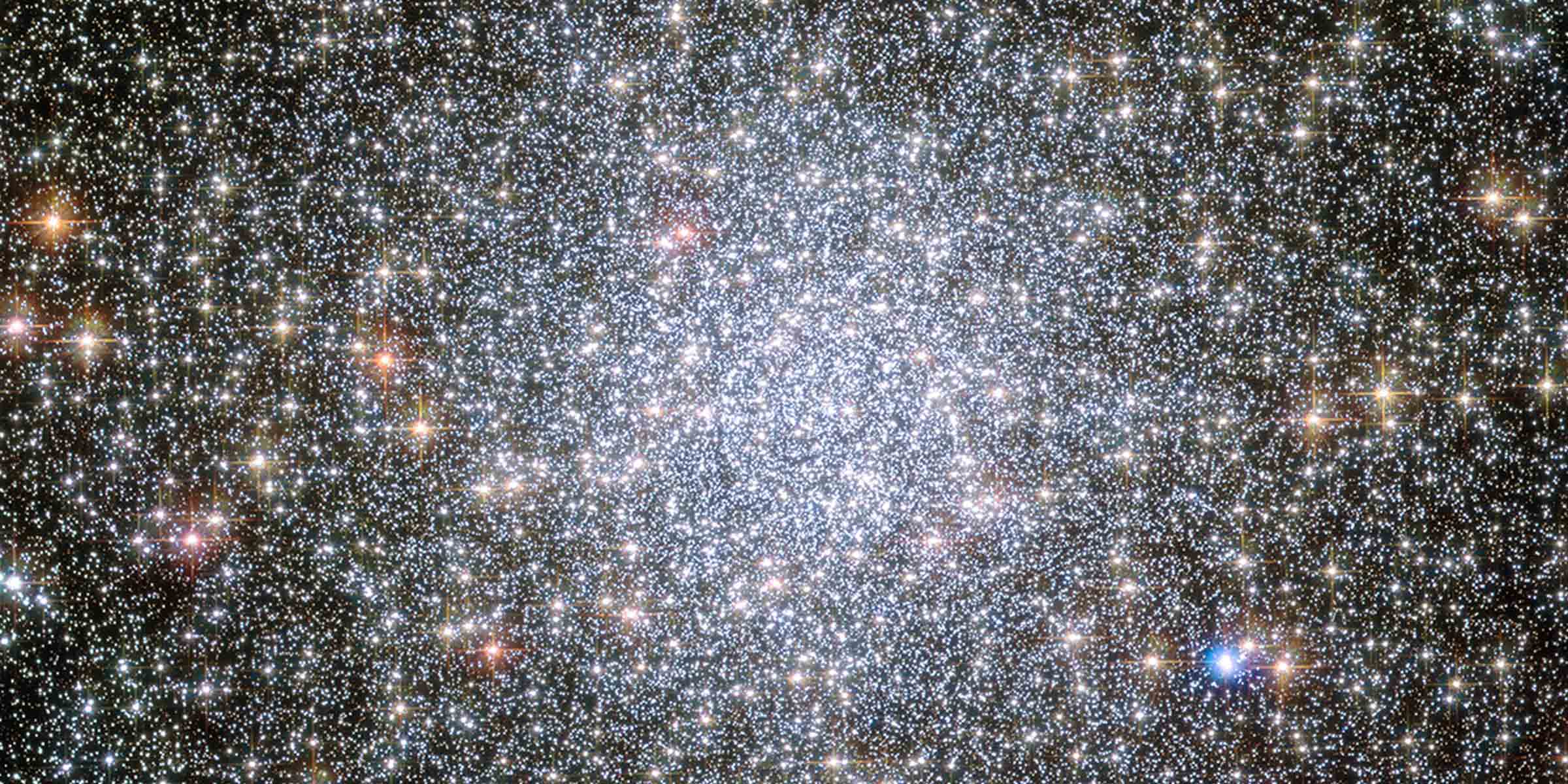
-
ViewSpace Videos: Life and Death of Stars
VideosMore than 50 videos look at the formation, evolution, and death of all types of stars. Tour images of star-forming regions, analyze individual stars across the electromagnetic spectrum, and learn why stars...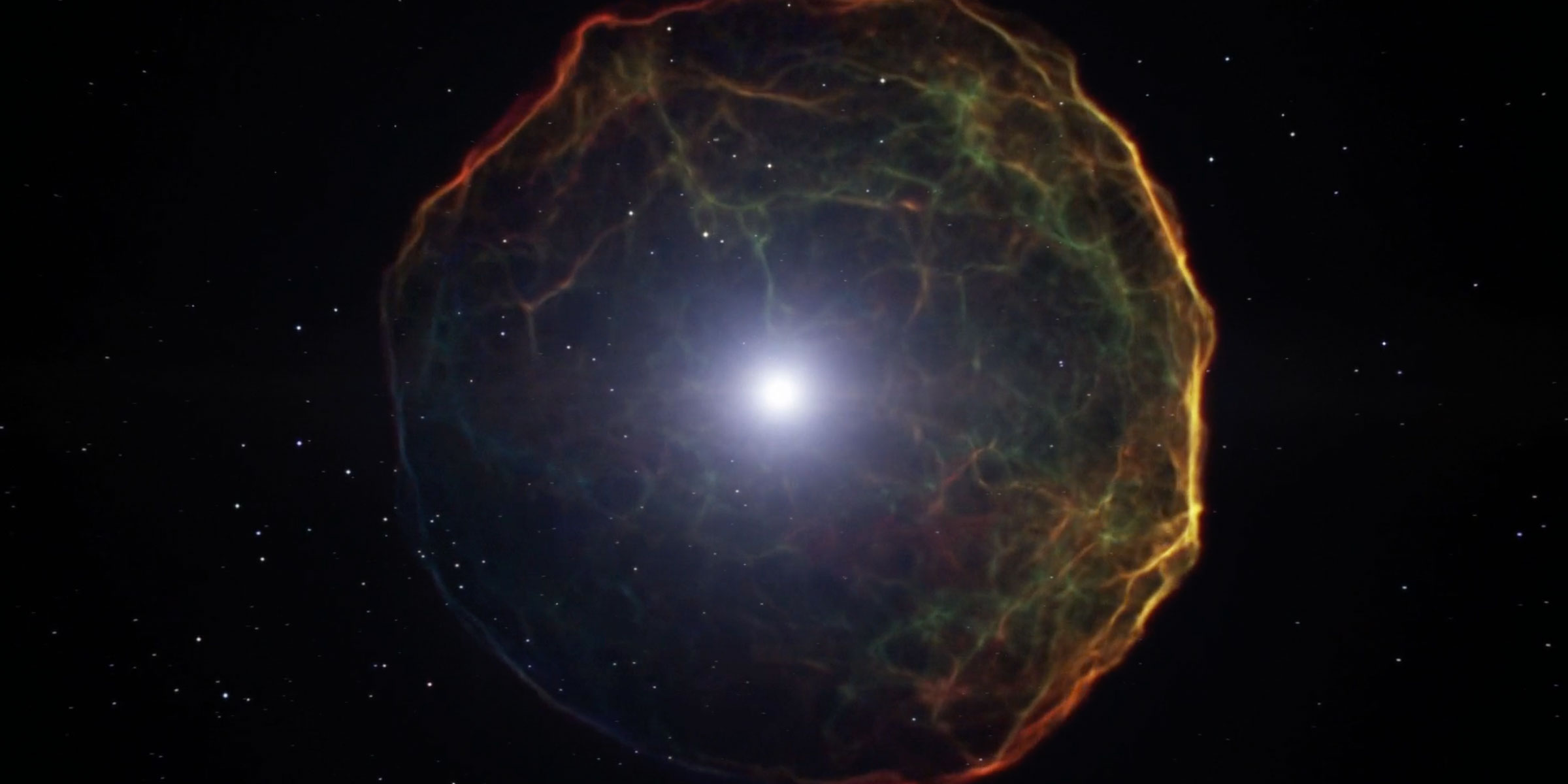
-
ViewSpace Videos: Space
VideosViewSpace videos tell the stories of planets, stars, galaxies, and the universe, giving viewers opportunities to experience space observed by satellites and telescopes. Explore more than 250 videos in...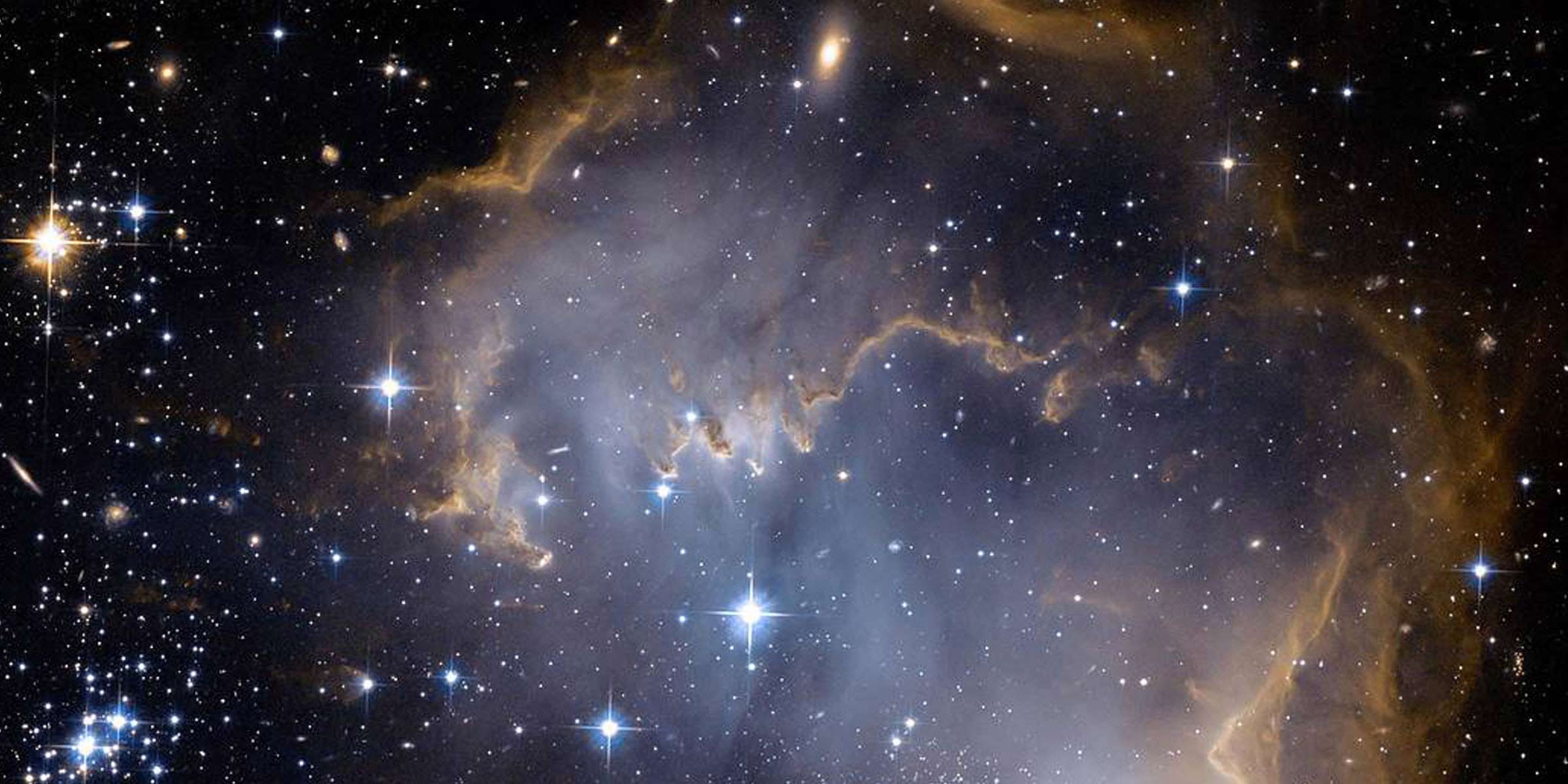
-
Pillars of Creation: Visible and Infrared Views (Frame Sets)
VideosThe Pillars of Creation (Eagle Nebula, or Messier 16) are a stellar nursery, composed of gas and dust slowly eaten away by massive stars that are off the far to the upper right corner of this image. The...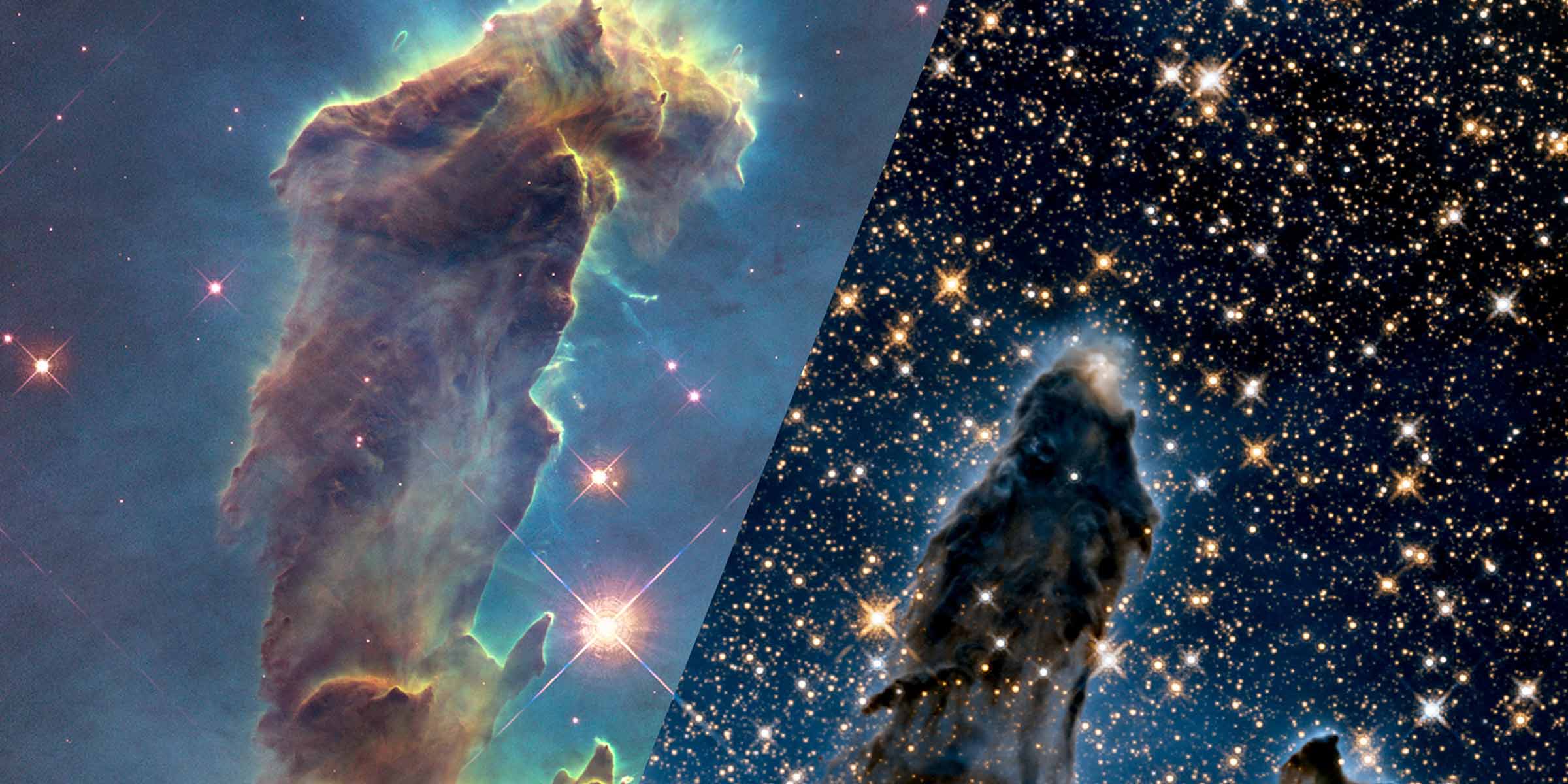
-
Helix Nebula: Ultraviolet, Visible, and Infrared Views (Frame Sets)
VideosStars like our Sun end their lives by casting off their outer layers, briefly forming a spectacular planetary nebula like the Helix Nebula. In visible light, we see the glow of hot gases illuminated by...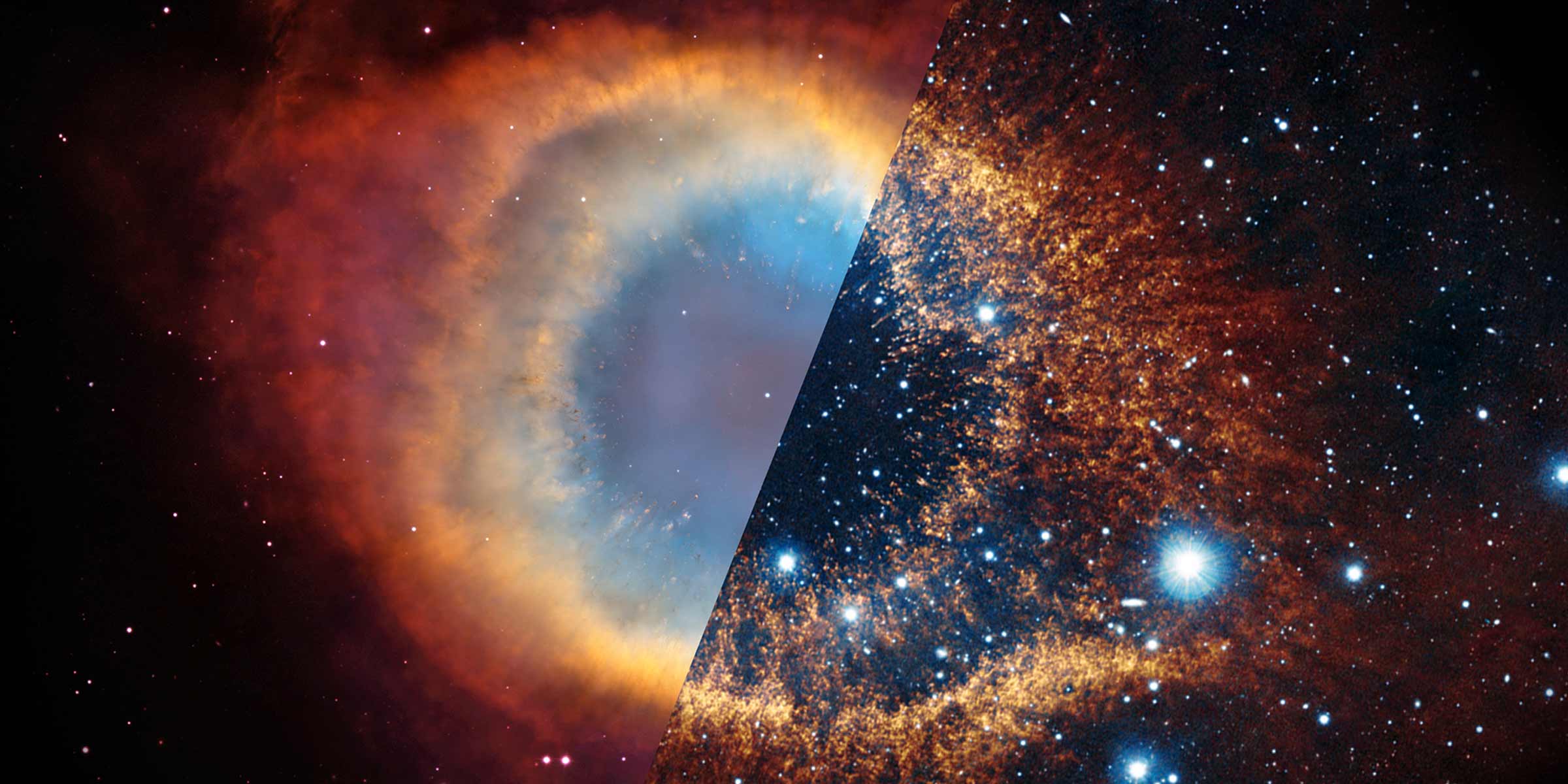
-
Flight Through the Orion Nebula in Visible and Infrared Light
VideosThis visualization explores the Orion Nebula using both visible and infrared light. The sequence begins with a wide-field view of the sky showing the plane of our Milky Way Galaxy, then zooms down to the...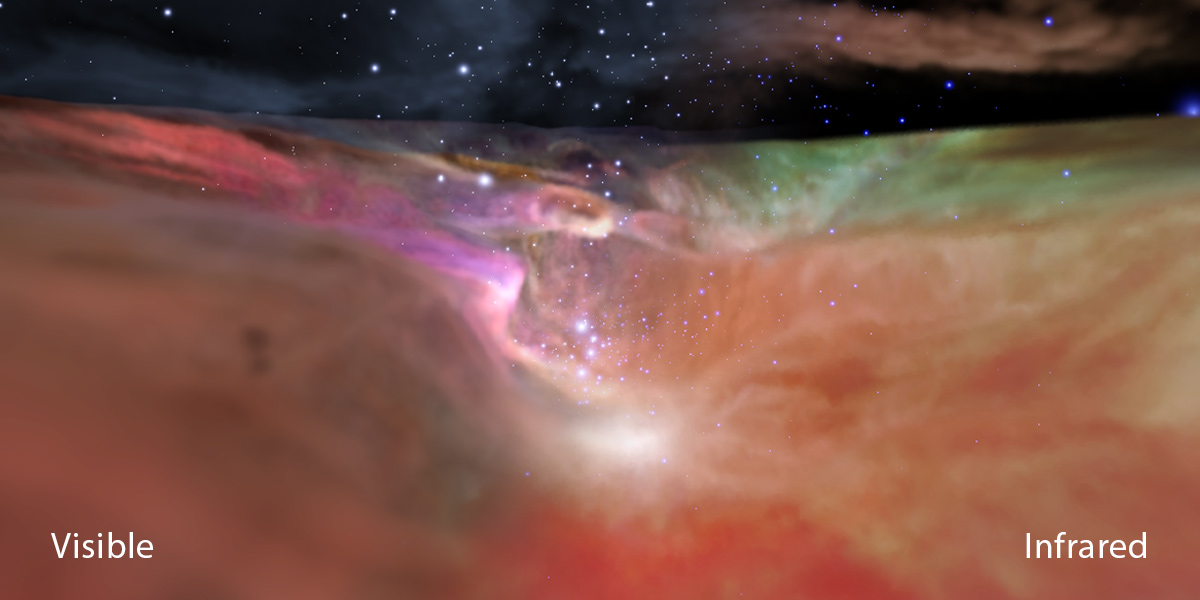
-
Visions of the Universe Exhibit
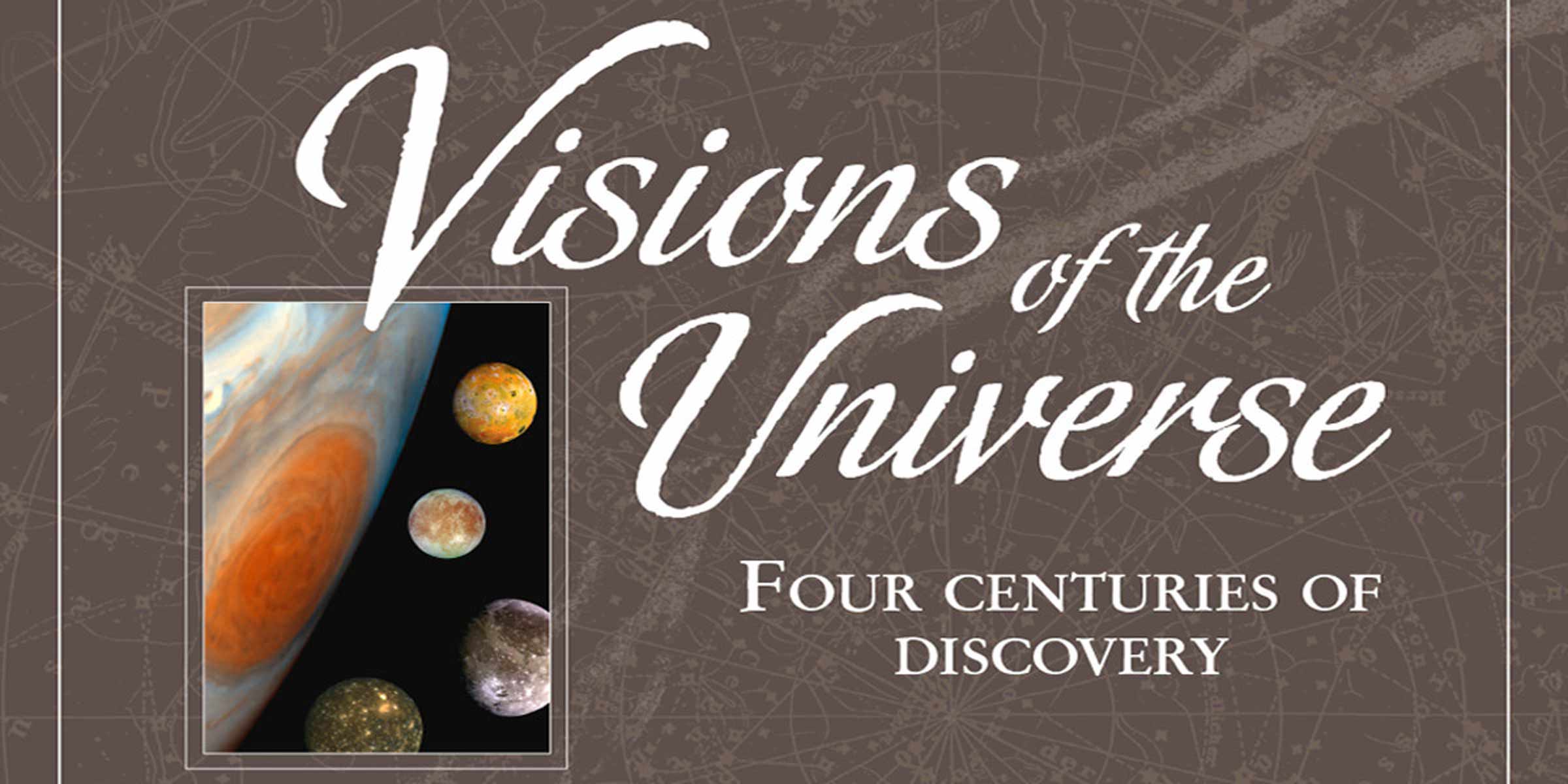
ExhibitsVisions of the Universe: Four Centuries of Discovery portrays our changing views of the universe through time with images and text. The exhibit includes 12 panels that feature key astronomical discoveries...