
EDUCATIONAL RESOURCES AND EVENTS
Educational Resources and Events Catalog
Filter Results
-
Science Briefing: New Insights into Rocky Exoplanets with the James Webb Space Telescope
December 4, 2025 Professional Learning WebinarIn this final edition of NASA’s Universe of Learning Science Briefings, we will explore how the James Webb Space Telescope is revolutionizing our understanding of rocky planets around stars other ...
-
Cosmic Canvas: Exoplanets Program Guide & Resources
Activities | Resource GuideAstronomers have discovered thousands of exoplanets—planets beyond our solar system. Some exoplanets are hot and stormy, others icy and rocky, and some look wildly different than the planets within...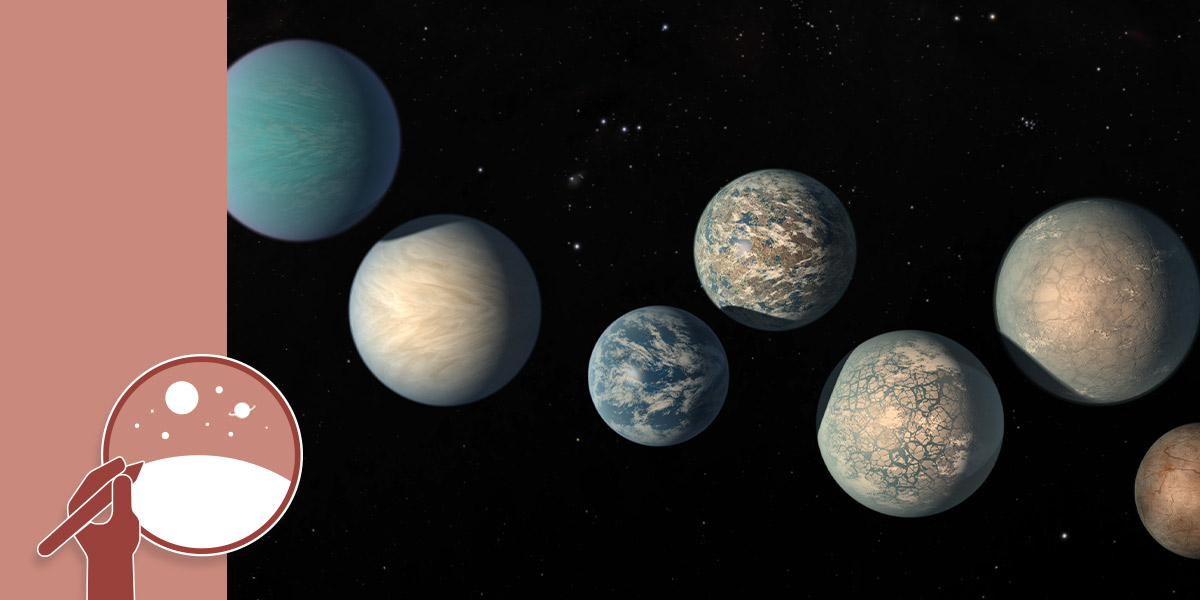
-
Drawing from the Data: Illustrating the TRAPPIST-1 Exoplanets
ActivitiesIn this activity, participants explore a scale model and real data from the TRAPPIST-1 exoplanet system to see how scientists and artists use current information to depict these distant worlds. Through...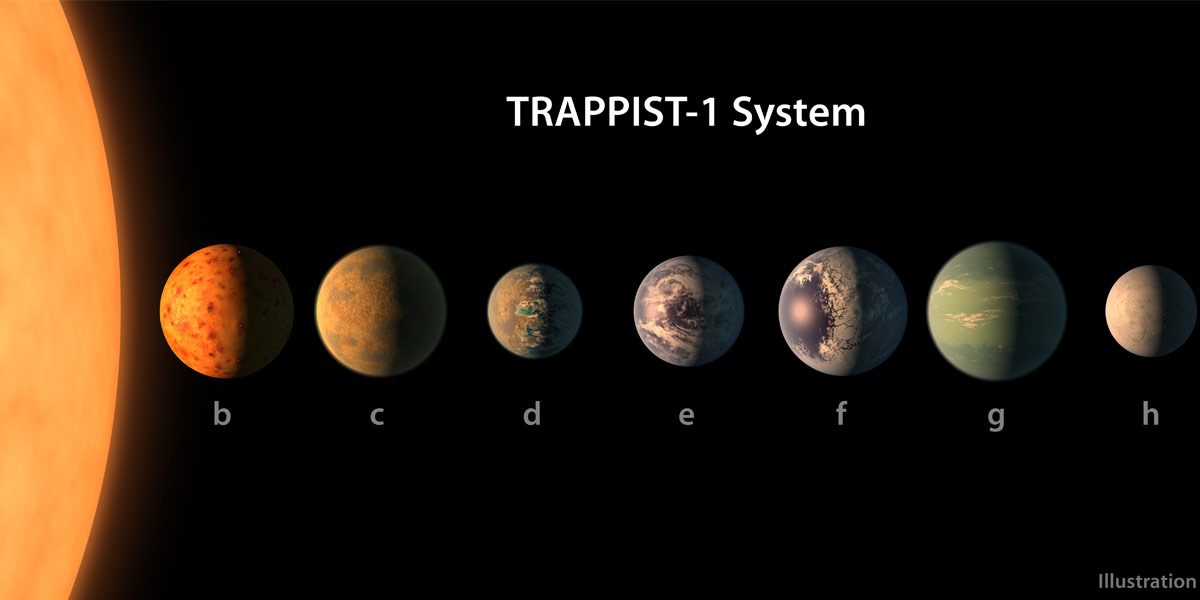
-
Astrophysics Variety Hour
VideosHow do astronomers find planets beyond our solar system ... without even seeing them? Join host Felicia Day on a lighthearted channel-surfing romp that explores where planets and people came from, and...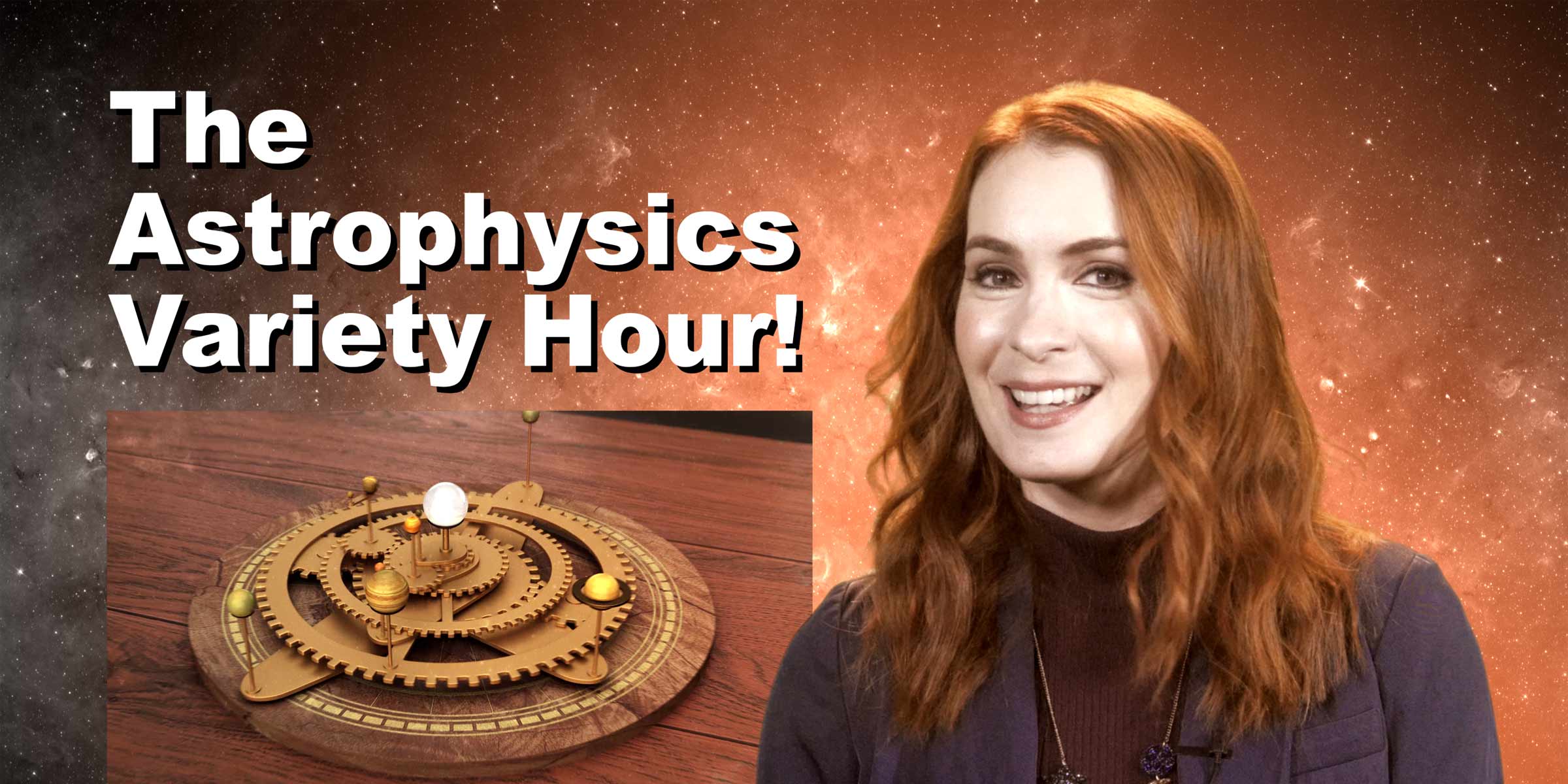
-
Mission: The Universe: Pensacola MESS Hall
Activities | Exhibits | Program Model | ToolkitMission: The Universe was designed to be a themed field trip for grades five through seven. These trips began with an interactive show that highlights the key learning goals of the trip in an engaging...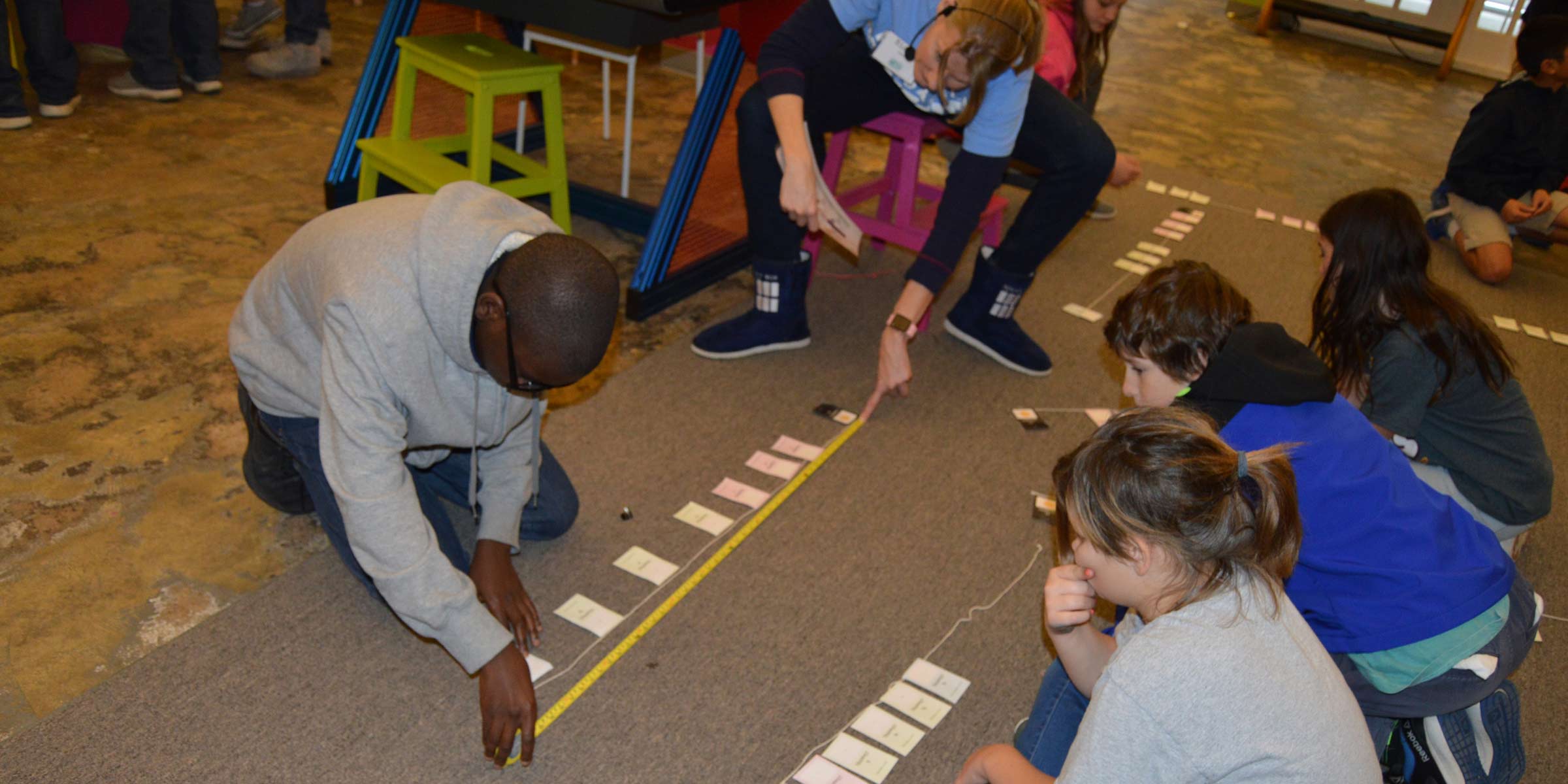
-
Exoplanet Travel Kits: Evergreen Aviation & Space Museum
Program Model | ToolkitParticipating classes receive a traveling box, which include resources to teach students all about the exciting worlds outside our Solar System – exoplanets. Students are expected to design a human...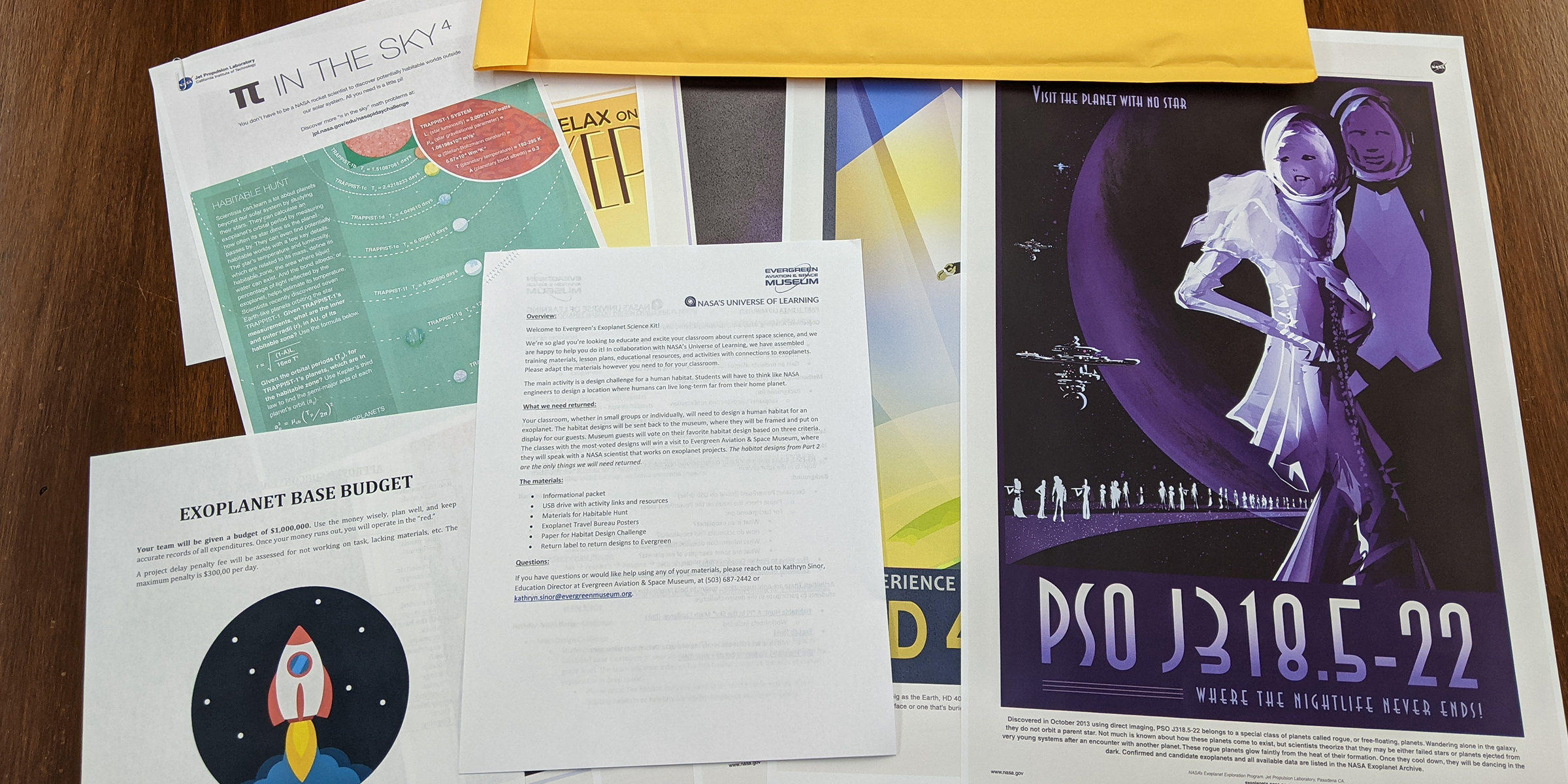
-
Ask the Astronomers Live: How to Weigh an Exoplanet
February 18, 2021 Virtual Science TalkCome learn the latest about seven Earth-sized planets around a nearby star! This show was originally broadcast live on February 18, 2021 @ 5:30 PM (ET) / 2:30 PM (PT). Explore More
-
Astrobiology: Here, There, Everywhere: L.C. Bates Museum
Program ModelWhat is life? And where does it come from? These are questions that astrobiology helps us explore. Astrobiology is the study of life in the universe. Astrobiologists study how life originated, developed,...
-
Make the Universe: Pensacola MESS Hall
Program ModelMake the Universe is a group of activities requiring little to no technology to present to visitors. These cart or booth activities are meant to engage audiences of different ages during sidewalk science...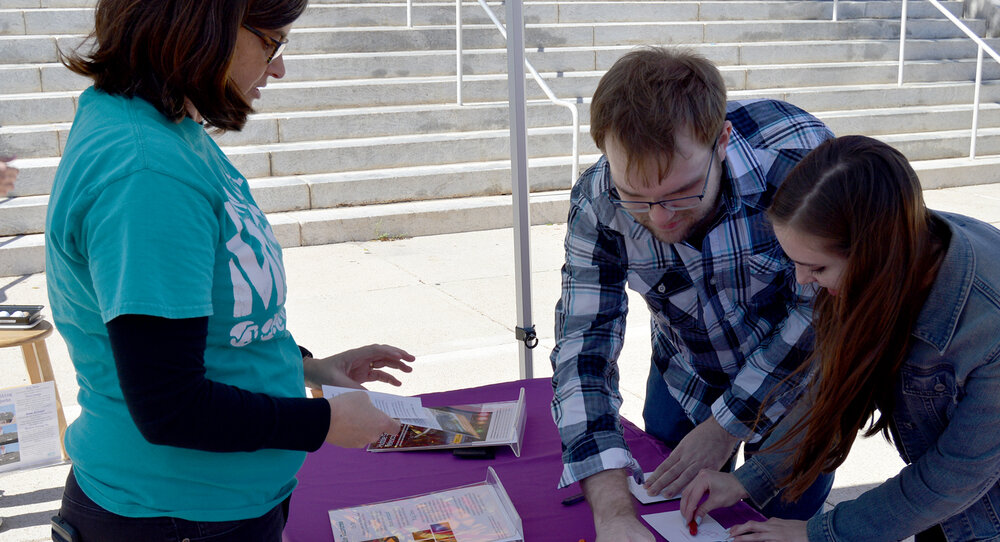
-
ViewSpace Videos: Kepler Space Telescope
VideosNASA’s Kepler Space Telescope found that the night sky is filled with more planets than stars! Explore attention-capturing videos about its discoveries. Are you interested in playing ViewSpace in...
-
ViewSpace Interactives: Exoplanet Variety
InteractiveResearchers have detected thousands of planets orbiting stars other than the Sun. The data show that these planets are even more varied than the planets and moons in our solar system. They range from small... -
TRAPPIST-1 Scale Model
ActivitiesOn February 22, 2017, NASA announced the discovery of the largest batch of Earth-sized, habitable-zone planets around a single star – TRAPPIST-1A. Further data about these planets was released on...